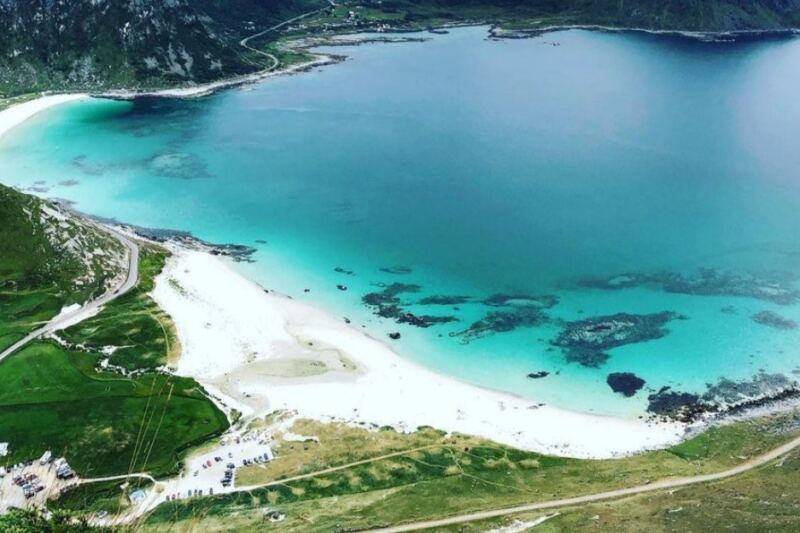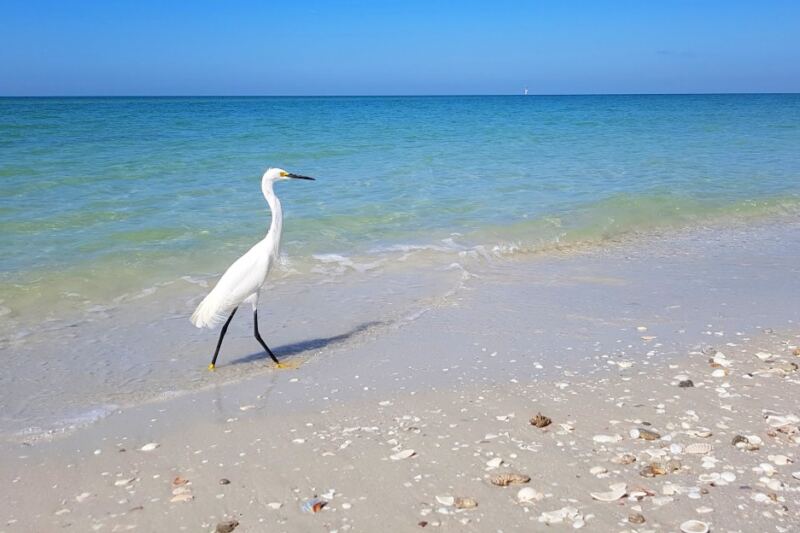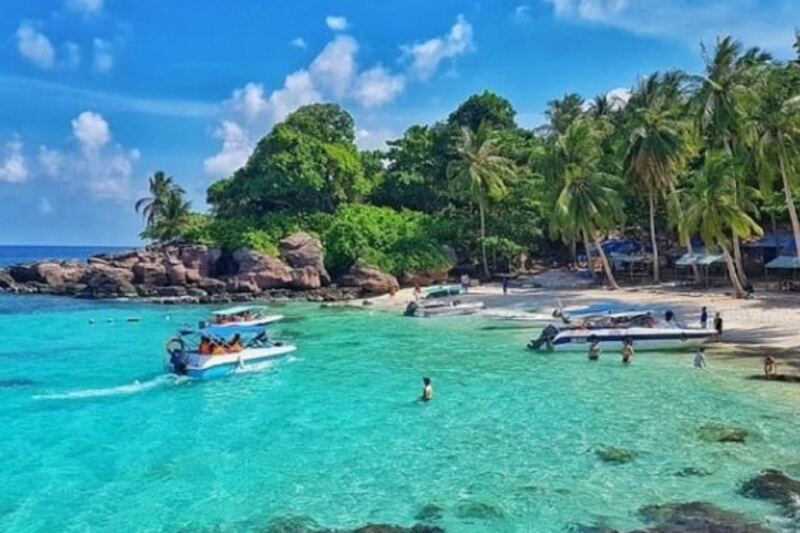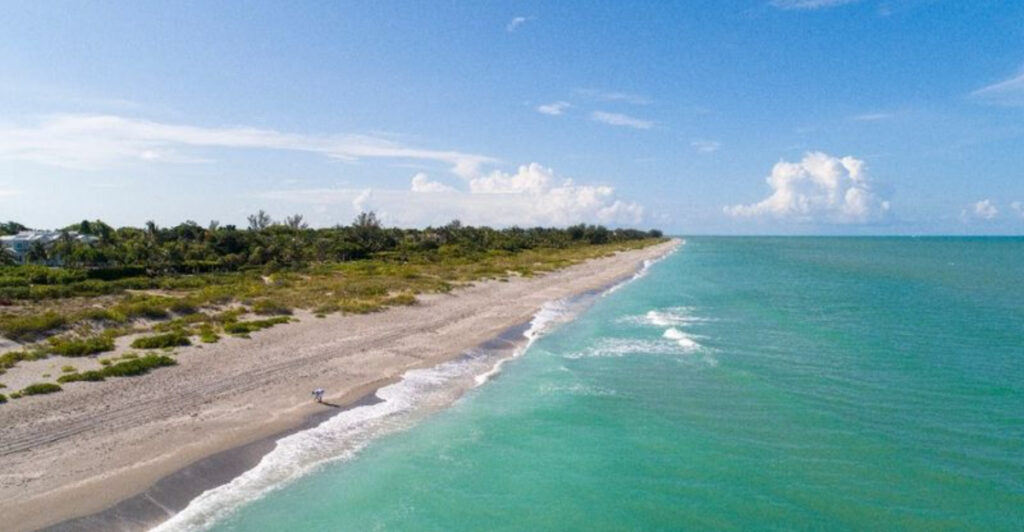
Not every tropical getaway requires a passport or a long flight over open water. Some of the most stunning, Caribbean-feeling beaches in the world are sitting right here in the United States, waiting for a road trip or a quick flight.
From the Panhandle of Florida to the barrier islands of North Carolina, these destinations serve up emerald water, white sand, island vibes and a pace of life that feels nothing like the mainland. Whether you’re looking for a secluded peninsula, a ferry-access island or a historic beach town with great sunsets, this list covers the kind of places that make people stop scrolling and start planning.
Each one earns its spot for a specific reason, and every single one is open and welcoming visitors right now.
Mexico Beach, Florida
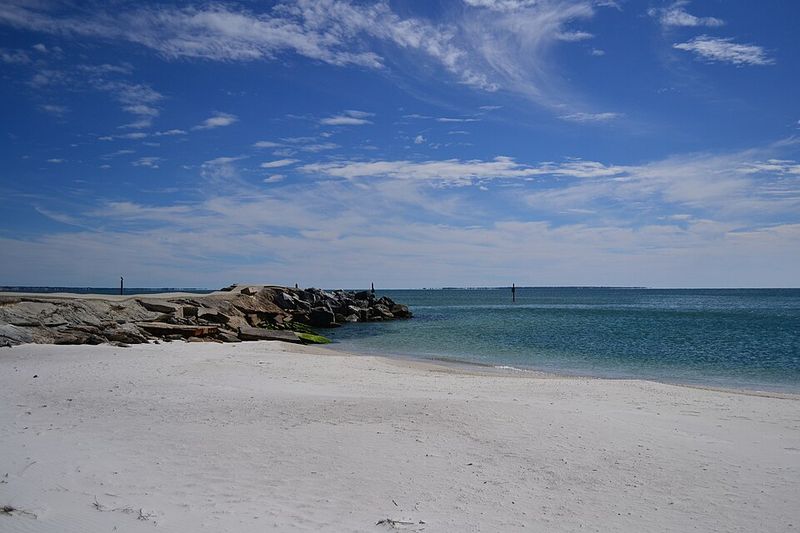
With a name like Mexico Beach, expectations run high, and somehow this small Florida Panhandle town still manages to meet them. Located about 20 miles southeast of Panama City, the community offers roughly five miles of Gulf shoreline with multiple public access points and almost no high-rise development in sight.
The water here is that particular shade of emerald green that makes people reach for their camera before they even set down their bags. Swimming, shelling, snorkeling, fishing and sunset watching are the main draws, and offshore reefs and shipwreck sites attract divers looking for something beyond the shoreline.
The Discover Mexico Beach Welcome Center confirms this remains an active, organized tourism destination heading into 2026. What makes the town genuinely stand out is its small scale.
No massive resorts crowd the shoreline here, and that restraint gives Mexico Beach the relaxed, island-hideaway feeling that larger Florida destinations often promise but rarely deliver.
Cape San Blas, Florida
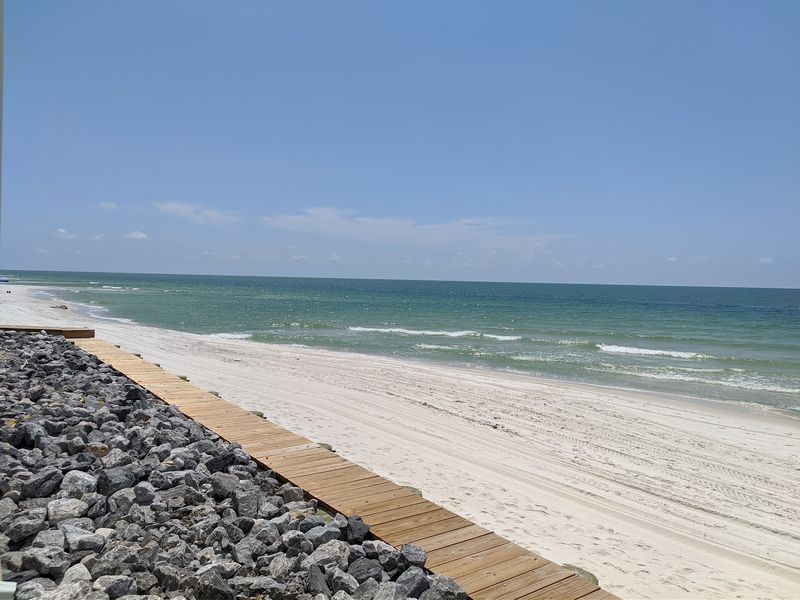
Head east along Florida’s Panhandle and the scenery gets quieter, the water gets clearer and the crowds thin out considerably. Cape San Blas is a narrow peninsula south of Port St. Joe where development has stayed modest and the Gulf remains the undisputed centerpiece of every visit.
T.H. Stone Memorial St. Joseph Peninsula State Park anchors the cape with protected dunes, wildlife habitat and undeveloped shoreline that feels genuinely remote.
The eight-mile Loggerhead Trail gives visitors another way to explore the peninsula beyond the water’s edge.
Swimming, snorkeling, paddling, fishing and biking are all part of life here, and Gulf County beaches allow dogs in many areas, which is a practical detail worth knowing before you pack. Vacation rentals, cottages and camping facilities make multi-day stays straightforward.
Cape San Blas isn’t built around entertainment or nightlife. Its appeal is the peninsula itself: serene, green-watered and remarkably uncrowded for a place this beautiful.
St. George Island, Florida
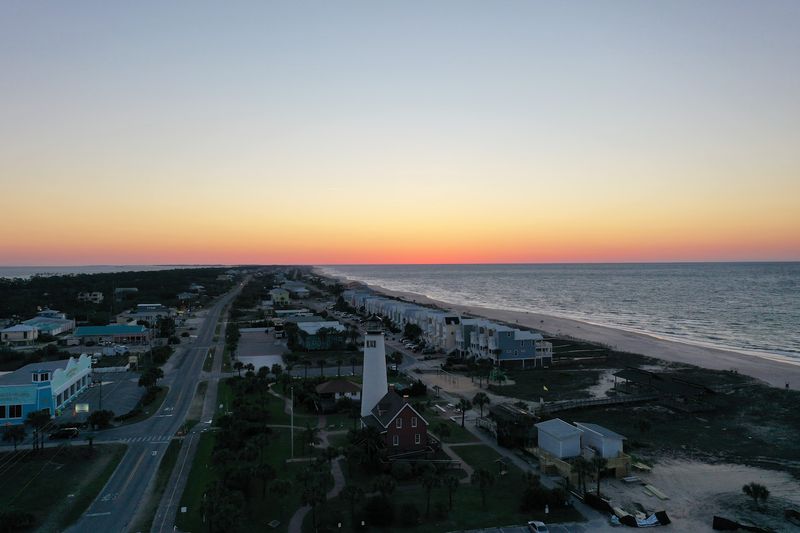
Florida’s Forgotten Coast earned that nickname for a reason, and St. George Island is one of its best-kept rewards. This long barrier island near Apalachicola stretches more than 20 miles and offers turquoise water alongside wide beaches that see far fewer footprints than the state’s more marketed destinations.
The eastern end of the island falls within Dr. Julian G. Bruce St. George Island State Park, where roughly nine miles of undeveloped Gulf shoreline offer swimming, shelling, paddling, fishing, birding and some of the best stargazing on Florida’s coast.
The absence of high-rise hotels is not an accident. It’s a defining feature of the island’s character.
Restaurants, accommodations, bike paths and beach activities remain active on the island for 2026 visitors. One note worth checking: the state park campground has been listed as closed for renovations, so anyone planning to camp should confirm its status before arrival.
The beach areas themselves remain open and accessible.
Boca Grande, Florida
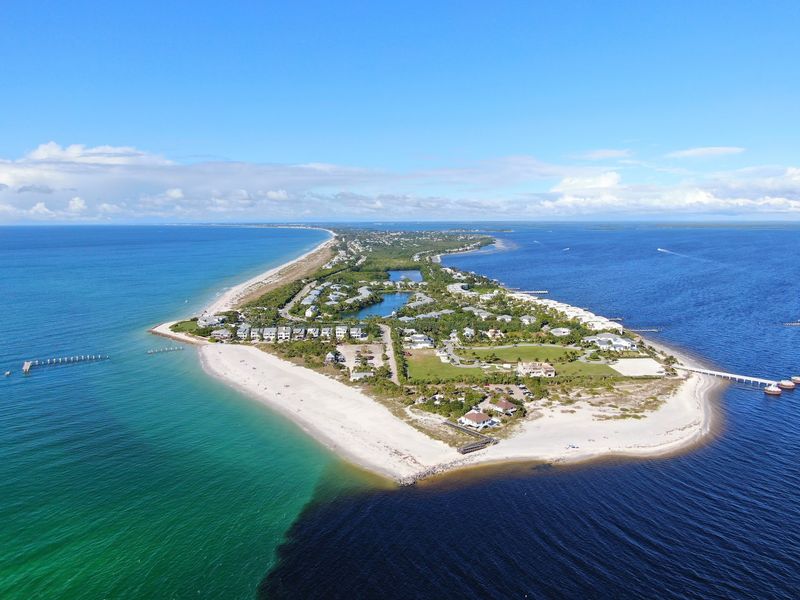
Gasparilla Island has a way of making Florida’s development boom feel like it happened somewhere else entirely. Boca Grande, the community anchoring the island’s southern end, combines historic architecture, quiet streets and Gulf beaches that still carry the unhurried character of old Florida.
Gasparilla Island State Park is one of the main draws, with emerald Gulf water and shell-filled shoreline that rewards patient beachcombers. The historic Port Boca Grande Lighthouse, originally built in 1890, adds a layer of history that most beach towns simply can’t offer.
Swimming, snorkeling, fishing and shelling round out the outdoor options.
The Boca Grande Rail Trail covers six miles and gives cyclists a scenic way to explore the island beyond the beach. The village itself is compact and walkable, with shops and restaurants clustered near the water.
Nearby undeveloped islands are accessible by boat, extending the adventure for visitors who want to push a little farther offshore.
Captiva Island, Florida
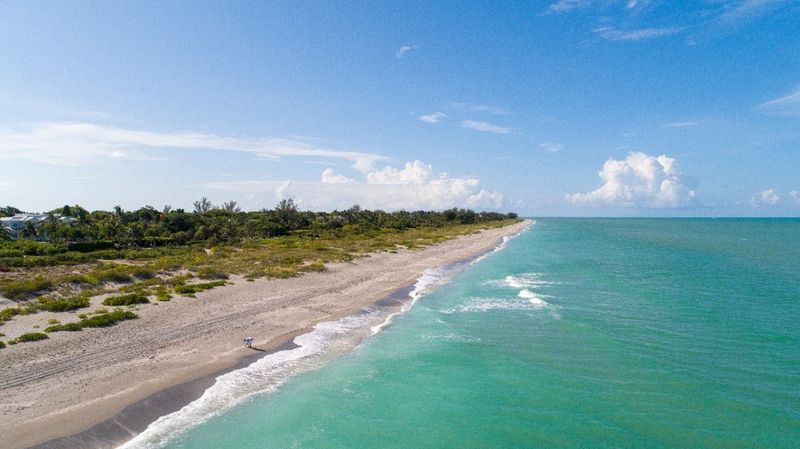
Palms crowd the narrow roads. Colorful buildings sit close to the shoreline.
The Gulf shifts between shades of turquoise depending on the light and the time of day. Captiva Island in Southwest Florida has a visual personality that makes it easy to forget you’re still on the American mainland.
Public beach access is available at Turner Beach and Alison Hagerup Beach Park, while resorts including ‘Tween Waters and South Seas maintain their own beach areas. Shelling, swimming, fishing, kayaking, paddleboarding, sailing and dolphin cruises keep visitors busy across every season.
There are no traffic lights on Captiva, and no towers of glass and concrete dominate the beachfront. That’s not an accident.
The island’s smaller-scale development is a core part of what makes it feel like a genuine island destination. Visit Florida currently confirms Captiva is open to visitors year-round, which matters for anyone who has seen post-hurricane travel uncertainty affect nearby communities in recent years.
Anna Maria Island, Florida
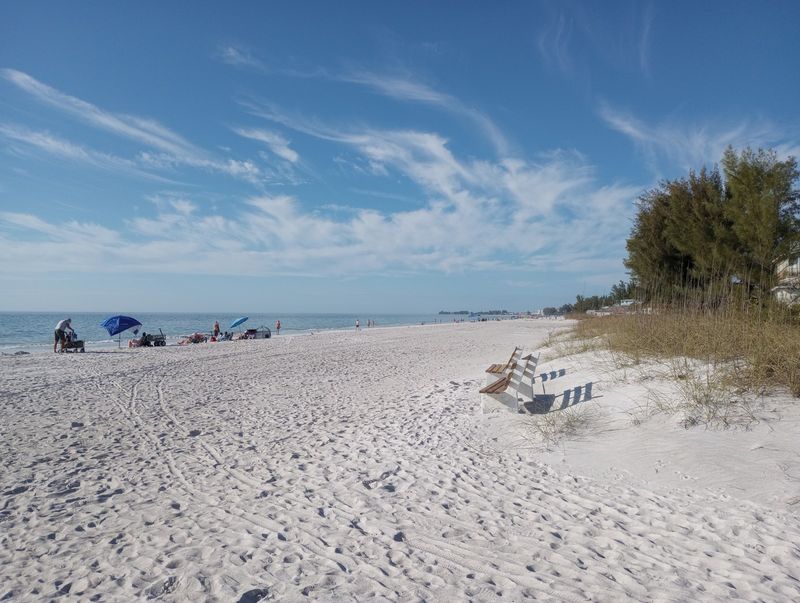
Seven miles of barrier island sit west of Bradenton, and the three communities spread across Anna Maria Island each bring something slightly different to the experience. Anna Maria, Holmes Beach and Bradenton Beach together offer Gulf beaches, fishing piers, local restaurants, small shops and easy water access without the overwhelming scale of Florida’s largest resort zones.
Bean Point near the northern tip draws visitors looking for a quieter stretch of sand, while Coquina Beach, Cortez Beach and Manatee Beach round out the public access options. Dolphin-watching tours, paddling, sailing and snorkeling add to the reasons people return year after year.
Visit Florida continues to list lodging, restaurants, shops and recreational activities across the island for current travelers. The sunsets here carry a particular quality.
When the afternoon light settles over the Gulf and the water turns blue-green beneath swaying palms, it genuinely feels like a different country, even though the mainland is only a short bridge away.
Pass-a-Grille, Florida
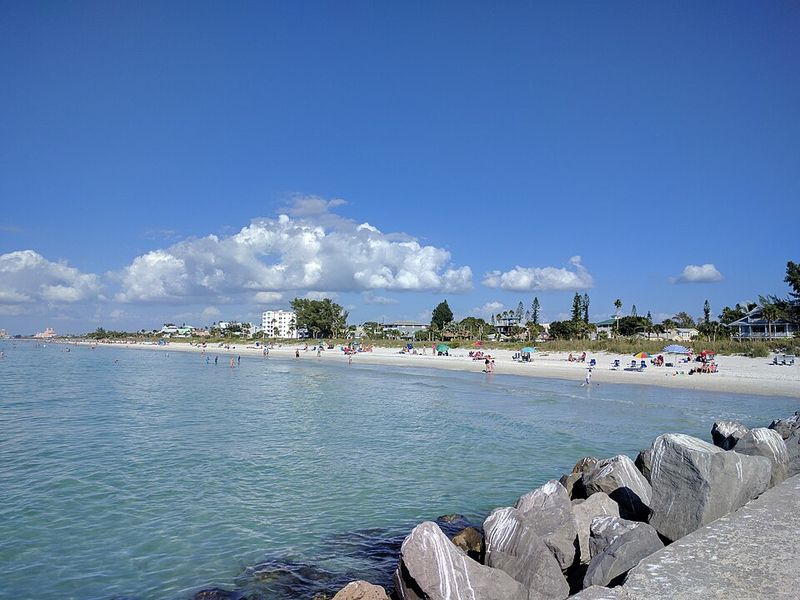
Tucked at the southern tip of St. Pete Beach, Pass-a-Grille operates at a noticeably slower speed than the busy Tampa Bay metro area surrounding it. About four miles of powder-soft sand stretch along the Gulf here, and the beach itself stays relatively free of large-scale construction.
The tiny historic downtown is easy to walk, and pastel-colored 8th Avenue gives the neighborhood the kind of old-fashioned tropical personality that’s increasingly rare along Florida’s developed coastline. Restaurants and small shops line the walkable streets, and historic Merry Pier is a straightforward spot for fishing.
For something farther out, the Shell Key Shuttle connects visitors to Shell Key Preserve, an undeveloped area popular for shelling and wildlife observation. Boutique inns, public beach access and transportation services remain active here, making it a practical overnight option.
Staying in Pass-a-Grille feels far more like a sleepy island village than a typical Florida resort, and that gap is exactly the point.
Indian Rocks Beach, Florida
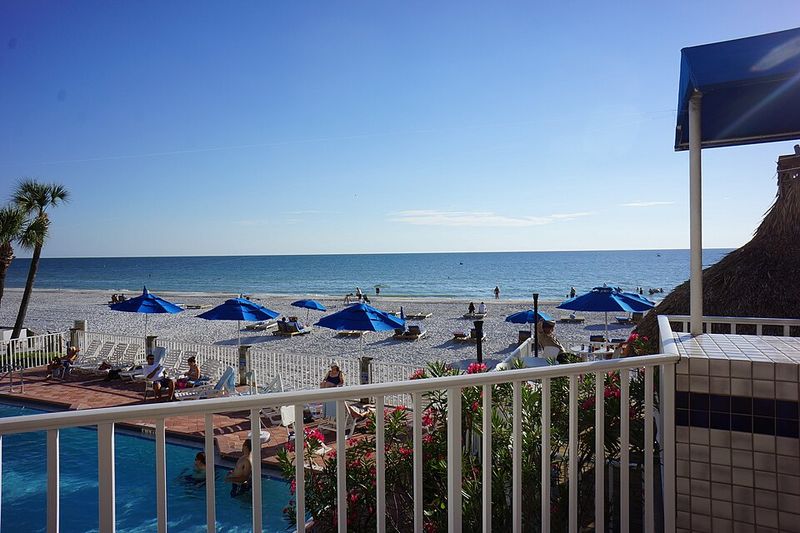
If Clearwater Beach feels a little too busy for your taste, Indian Rocks Beach is the logical next stop heading south. This Gulf Coast community trades the high-energy resort atmosphere of its famous neighbor for turquoise water, a more residential feel and a pace that suits travelers who prefer their beach days unhurried.
Swimming, shelling and long beach walks are the obvious draws, but the Indian Rocks Beach Nature Preserve adds something unexpected: a boardwalk winding through mangrove habitat that gives the town an ecological dimension most Gulf beach communities lack.
Current tourism information lists restaurants, cottages, villas, oceanfront lodging, kayak excursions and boat rentals, making it easy to fill several days without once feeling like you’ve run out of things to do. Clearwater and St. Petersburg are close enough for day trips, yet Indian Rocks Beach itself maintains a quieter, old-school Gulf Coast personality that keeps drawing visitors back season after season.
Venice, Florida
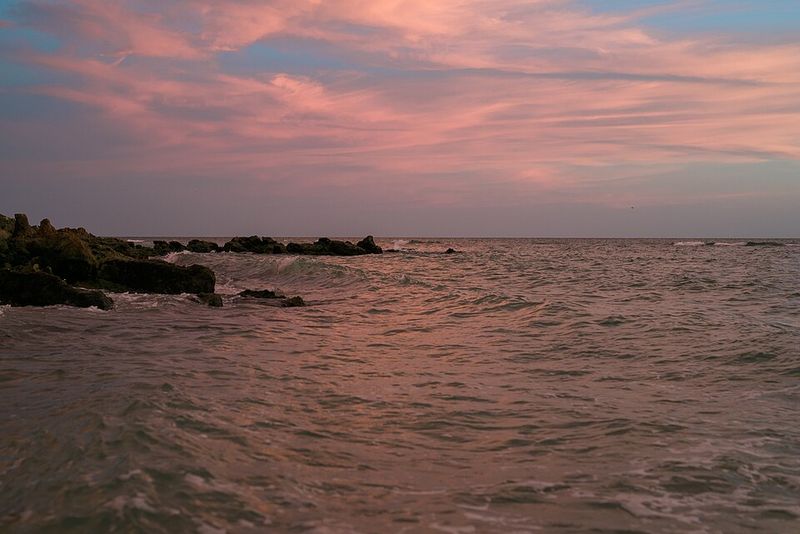
Most beach towns offer sand and water. Venice, Florida, adds prehistoric sharks to the conversation.
Located south of Sarasota, the city sits on roughly 14 miles of coastline and has officially branded itself the Shark Tooth Capital of the World, thanks to the fossil-rich shoreline at Caspersen Beach where visitors regularly surface prehistoric shark teeth from the sand.
Venice Beach itself offers soft sand and clear turquoise water for swimming and snorkeling, while Venice Fishing Pier extends the recreational options. The Venetian Waterway Park Trail gives cyclists and walkers a scenic route along the water, and the city’s historic downtown is within reach of the beach without requiring a car.
That combination of outdoor variety and walkable urban character gives Venice a practical advantage over more isolated Gulf destinations. A calm morning on the water here can feel surprisingly tropical, while the rest of the day offers enough activity to make the visit genuinely well-rounded and worth a longer stay.
Dauphin Island, Alabama
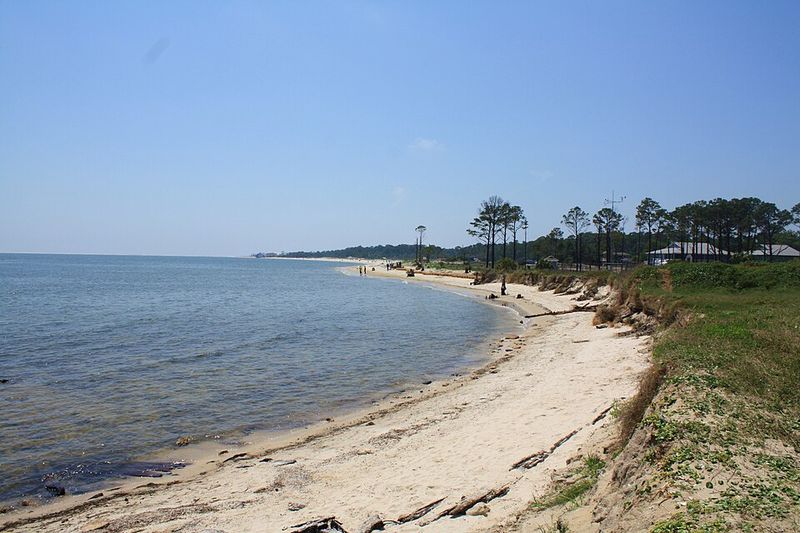
Florida doesn’t hold exclusive rights to beautiful Gulf water. Dauphin Island, sitting off the Alabama coast, offers a genuinely different kind of Gulf experience, one built more around wildlife and open space than boardwalks and resort amenities.
The island’s public beach operates from dawn to dusk under the Dauphin Island Park and Beach Board, with sandy Gulf shoreline open to swimmers, sunbathers and anglers. The Alabama Aquarium and the 164-acre Audubon Bird Sanctuary give the island two significant attractions beyond the beach itself.
Dauphin Island is one of the most important migratory bird stopover points along the Gulf Coast, and the sanctuary’s quieter natural areas feel worlds removed from heavily developed coastal resorts. Vacation rentals, campgrounds and local restaurants make overnight stays easy to plan.
The island’s unhurried pace is not a marketing pitch. It’s simply how life moves here, and for many visitors, that turns out to be the most appealing part of the trip.
Ocracoke, North Carolina
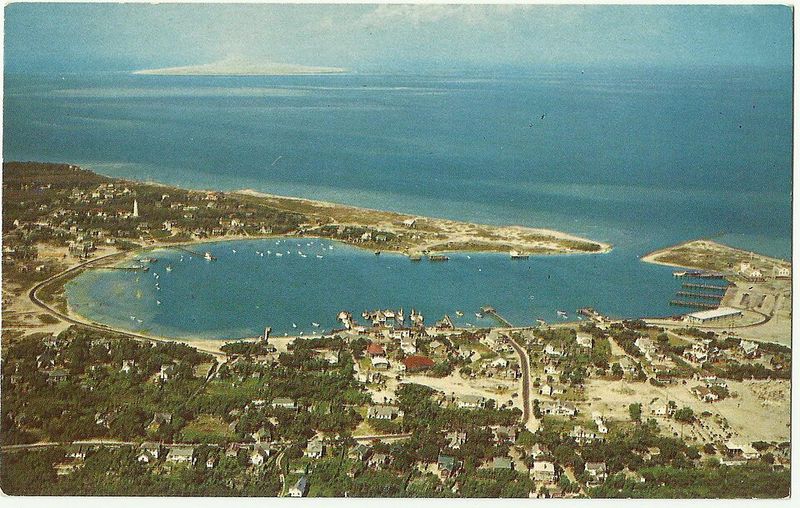
Getting to Ocracoke requires a ferry, a boat or a small aircraft, and that access barrier is part of what keeps the island feeling genuinely removed from mainland life. Part of North Carolina’s Outer Banks, Ocracoke offers long Atlantic beaches, natural dunes and a village with real history behind it.
The Ocracoke Lighthouse, built in 1823, still operates today and remains one of the oldest active lighthouses on the East Coast. While visitors cannot climb the structure itself, the surrounding grounds are open to the public.
Ocracoke Village provides restaurants, shops and accommodations rooted in the area’s strong maritime culture.
Visit North Carolina continues to promote Ocracoke as an active destination, and a 2026 Ocracoke Seafood Festival is scheduled in the village for September 5, 2026, which confirms the community’s ongoing calendar of local events. The real draw here is space.
Wide beaches, open dunes and the feeling of genuine island isolation make Ocracoke its own version of an escape, without a single stoplight in sight.
Pensacola Beach, Florida
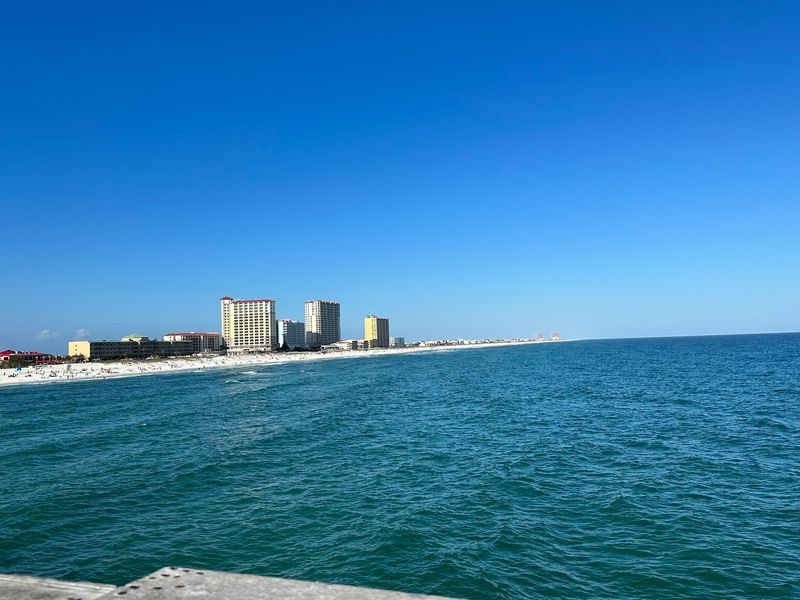
Pensacola Beach may be one of the better-known entries on this list, but its water earns the inclusion every single time. Set on Santa Rosa Island in Northwest Florida, the community is defined by a color contrast that stops people mid-step: translucent emerald-green water meeting nearly white quartz sand beneath a wide open sky.
Swimming, paddleboarding, fishing, boating and wildlife watching are all part of the experience, with dolphins, sea turtles and rays making regular appearances in the nearshore waters. Restaurants and hotels serve the central beach area, while protected shoreline nearby offers quieter stretches for visitors who prefer their Gulf time without the crowd.
Access to Gulf Islands National Seashore and Fort Pickens adds historical and natural depth to what might otherwise be a straightforward beach trip. Fort Pickens, a 19th-century military fortification, sits within the national seashore and gives history-minded travelers a worthwhile stop between beach sessions.
White sand and jewel-colored water this striking rarely require a passport.
Share this story