Sharks and beaches have always shared the same water, but some stretches of U.S. coastline see far more encounters than others. Whether you are planning a summer vacation, a surf trip, or just a casual swim, knowing which beaches have the longest history of shark activity is genuinely useful information.
This list covers 18 real U.S. beaches where documented shark incidents, geographic conditions, or recent events have earned them a place in the national conversation about ocean safety. None of these beaches are off-limits, and the risk to any one swimmer is still low, but awareness goes a long way when you are standing at the shoreline deciding whether to wade in.
New Smyrna Beach, New Smyrna Beach, Florida
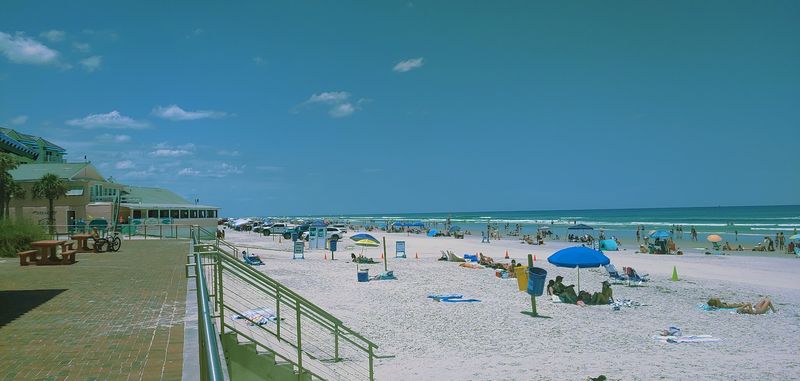
If there is one beach that comes up every single time someone mentions shark activity in the United States, it is New Smyrna Beach. Located in Volusia County, Florida, this stretch of Atlantic coastline has recorded more unprovoked shark bites than any other county in the world, according to long-running global shark-attack data.
Most bites here are minor, often involving the feet or lower legs of surfers who unknowingly paddle over feeding sharks. The combination of nearby inlets, baitfish, murky water after rain, and heavy surf traffic creates conditions where encounters are more likely than at most other beaches.
A 2025 report confirmed that Volusia County has logged hundreds of documented incidents since records began in the 1800s. New Smyrna Beach is still a thriving surf town and a genuinely fun coastal destination.
Just pay attention to water color, avoid swimming near fishing activity, and always respect the posted beach flags.
Daytona Beach, Daytona Beach, Florida
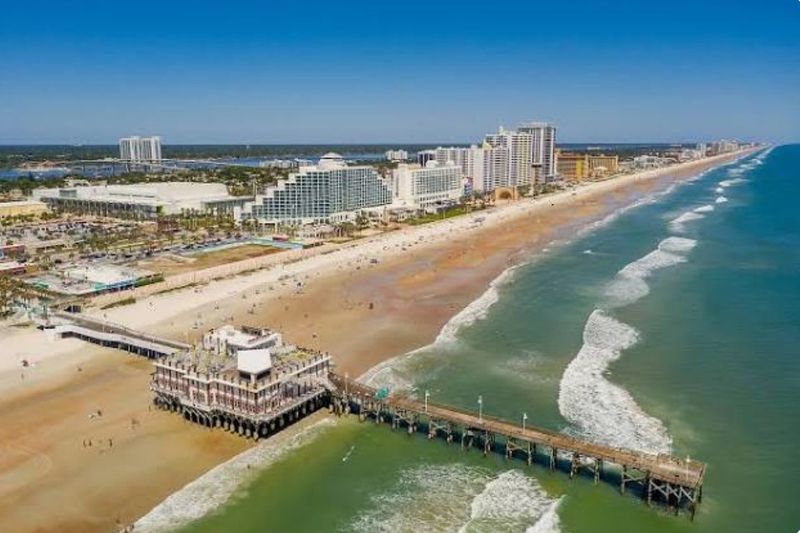
Daytona Beach tends to live in New Smyrna Beach’s shadow when shark conversations come up, but it belongs on this list in its own right. As another Volusia County beach, Daytona shares the same broad marine environment, the same warm Atlantic waters, and the same combination of surf culture and high visitor numbers that make encounters more likely to be reported.
Historic shark-attack data rankings have consistently placed Daytona Beach among the top U.S. beaches for documented incidents. Volusia County Beach Patrol operates along this shoreline, providing safety monitoring and emergency response for swimmers and surfers throughout the busy season.
The beach itself is wide, accessible, and one of the most visited in the state. Families, spring breakers, and surf enthusiasts all share the water here.
That volume of people in the water year-round is part of why Daytona’s incident numbers stay relevant in national ocean-safety discussions.
Ponce Inlet Beach, Ponce Inlet, Florida
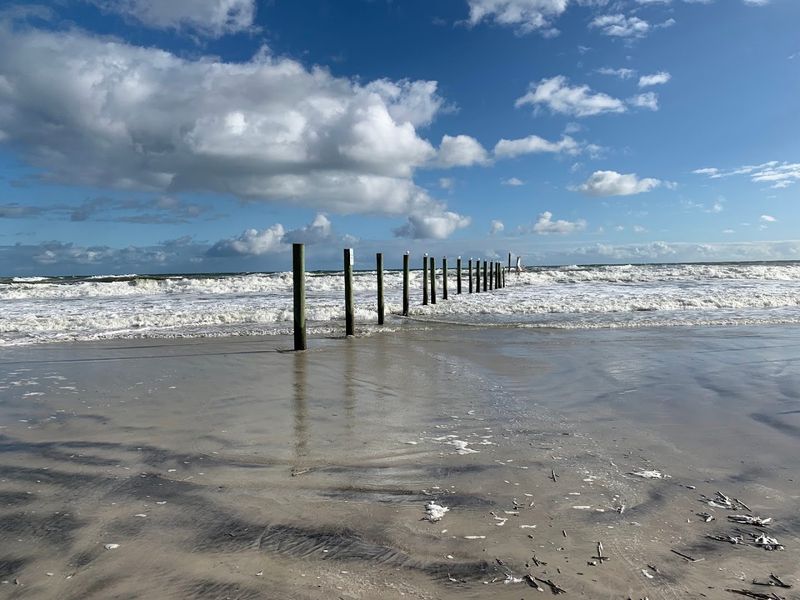
Geography plays a big role in shark activity, and Ponce Inlet is a textbook example of why inlets matter. The inlet draws baitfish, and where baitfish gather, sharks follow.
That overlap between marine feeding activity and human swimmers is exactly what makes this stretch of Volusia County coastline worth paying attention to.
In 2024, a teen lifeguard trainee was bitten near the Ponce Inlet lifeguard tower during water-entry practice after accidentally landing on a shark. The injury was not life-threatening, but the incident was widely reported and served as a reminder that even trained ocean professionals can encounter sharks unexpectedly in this area.
Ponce Inlet Beach is a real and popular destination with a lighthouse, a calm inlet-side beach, and Atlantic surf access. It is not a beach to avoid, but it is a beach where understanding local conditions before you get in the water genuinely matters.
Cocoa Beach, Cocoa Beach, Florida
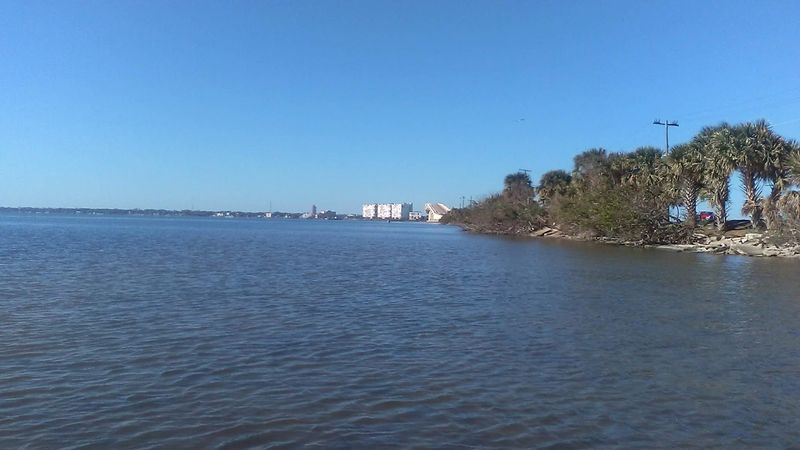
Cocoa Beach has a strong identity as a surf town, home to the famous Ron Jon Surf Shop and a steady stream of wave riders who spend hours in the nearshore zone. That surf culture is part of what keeps Cocoa Beach on shark-incident rankings for U.S. beaches, because surfers and sharks often occupy the same shallow water at the same time.
Historic data summaries place Cocoa Beach behind New Smyrna Beach and Daytona Beach in terms of total recorded incidents, but it still ranks higher than most American beaches outside Volusia County. Its location on Florida’s Atlantic coast, warm water temperatures, and year-round beach traffic all contribute to that record.
Swimmers and surfers here should watch for local beach flags, pay attention to lifeguard announcements, and avoid the water around dawn and dusk when sharks are more actively feeding. Cocoa Beach is fun, accessible, and worth visiting with the right awareness.
Palm Beach, Palm Beach, Florida
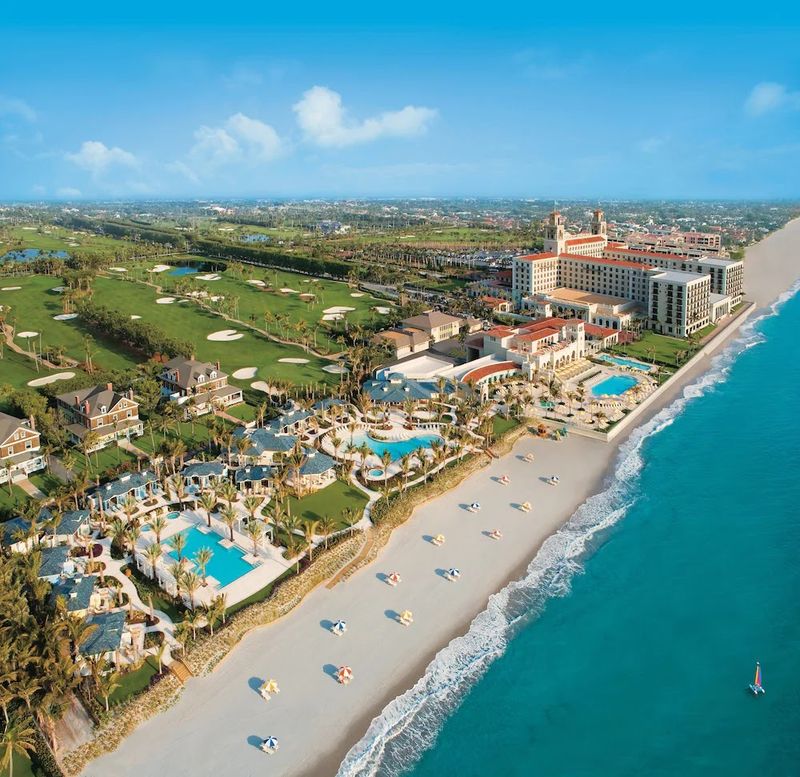
Palm Beach carries an image of manicured luxury, but its Atlantic shoreline sits in the same warm, shark-active marine environment as every other Florida east coast beach. Historic shark-attack summaries have included Palm Beach among Florida beaches with documented incidents, which surprises some visitors who associate the area more with high-end resorts than ocean wildlife.
The broader Palm Beach County coastline is part of a warm-water corridor where sharks, baitfish, and human swimmers regularly overlap. Recreational fishing is also popular along this stretch, and fishing activity near swimmers is one of the consistent risk factors mentioned in ocean-safety guidance.
Palm Beach is not a beach to frame as alarming, but its presence on documented incident lists makes it a fair and honest addition to a shark-prone beach article. Visitors should check beach conditions, note the location of lifeguard stations, and follow standard ocean-safety practices.
The beach is beautiful, and awareness does not have to get in the way of enjoying it.
Cape Canaveral Beach, Cape Canaveral, Florida
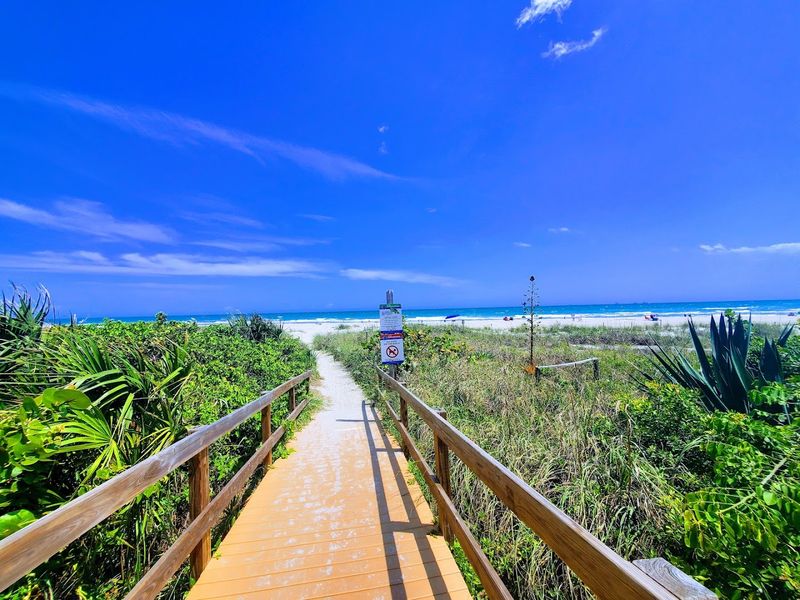
Cape Canaveral is better known for rocket launches than shark encounters, but this stretch of Florida’s Space Coast shows up in historic shark-attack rankings for a reason. The beach sits in the same warm Atlantic zone as Cocoa Beach, sharing similar water conditions, nearshore fish activity, and surf culture.
Shore anglers and surfers share the water here with the same regularity as at other Atlantic Florida beaches, and that overlap is a consistent factor in why certain beaches accumulate more reported incidents over time. Cape Canaveral is a public coastal area, not a heavily commercialized resort beach, which means it sometimes draws fewer lifeguards and less formal safety infrastructure than more tourist-heavy destinations.
The practical advice here is straightforward: avoid swimming near active fishing spots, stay out of murky water, and pay attention to any posted warnings or flag systems. The beach is open and accessible, and a little situational awareness makes for a much better visit.
WaterSound Beach, Santa Rosa Beach, Florida
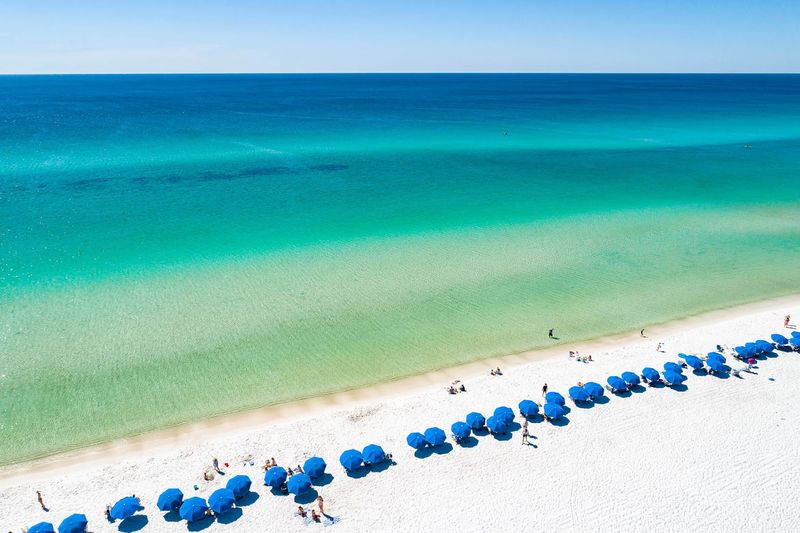
Most shark conversations about Florida focus on the Atlantic coast, so the 2024 incidents near WaterSound Beach on the Florida Panhandle got serious attention. A woman was critically injured in a shark encounter near WaterSound Beach in Walton County, and a second incident occurred nearby the same afternoon.
Walton County beaches were temporarily closed to swimmers before reopening with posted warnings.
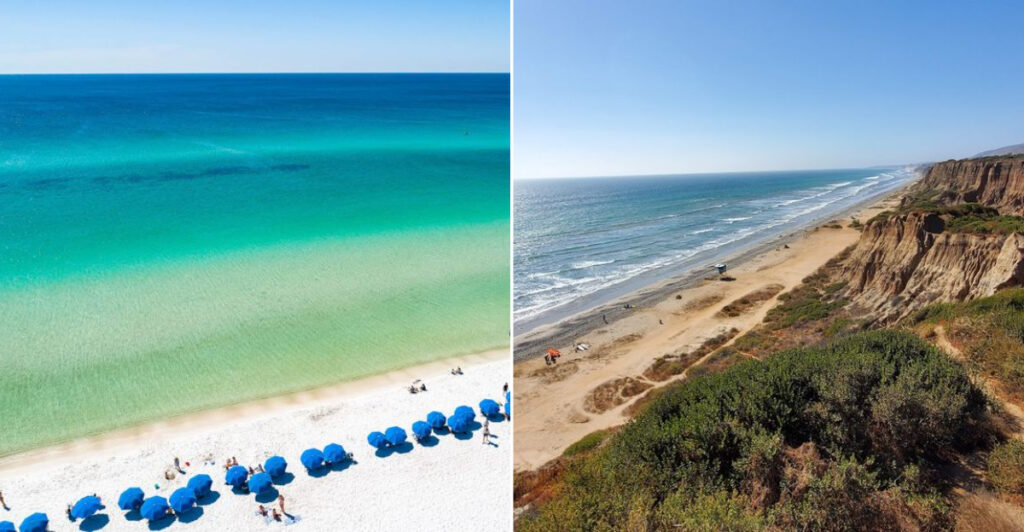
WaterSound Beach is part of the 30A corridor, a stretch of Gulf Coast communities known for scenic natural dune lakes, white sand, and clear emerald water. It is a popular and upscale beach area, and the 2024 events were notable partly because Gulf Coast shark incidents receive far less coverage than those on Florida’s Atlantic side.
Under normal conditions, this beach remains a destination worth visiting. That said, the 2024 events were severe enough and widely reported enough to earn WaterSound a permanent spot on any honest shark-prone beach list.
Always check current local water warnings before swimming.
Inlet Beach, Inlet Beach, Florida
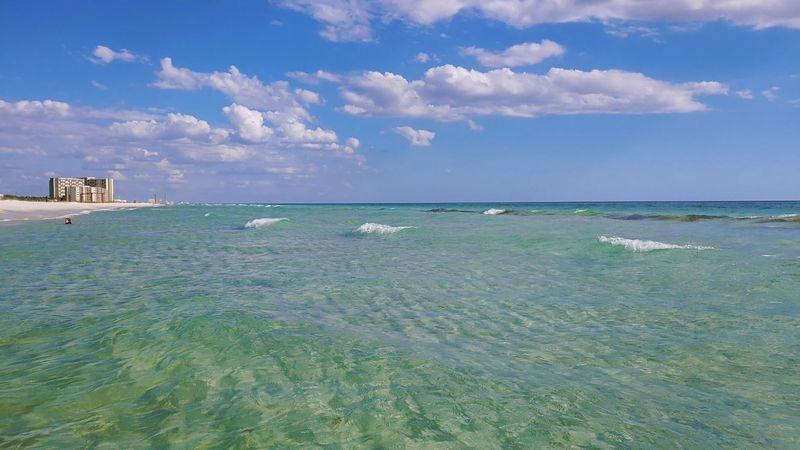
Just down the road from WaterSound Beach, Inlet Beach was tied to the same cluster of 2024 Florida Panhandle shark incidents that briefly made national news. Emergency responders were called after a teenager was reportedly injured by a shark near Inlet Beach shortly after the WaterSound incident.
Walton County authorities temporarily closed beaches along this stretch during the response period.
Inlet Beach is a small, quiet community along the 30A corridor, popular with families and visitors looking for a calmer alternative to busier Panhandle destinations. Its Gulf-side location usually feels safer to many swimmers than Florida’s rougher Atlantic beaches, which is part of why the 2024 events stood out so sharply.
Shark encounters in the Gulf of Mexico are genuinely less common than on the Atlantic side, but they do happen, especially when conditions bring sharks closer to shore. Checking water conditions and respecting any posted beach closures is the most practical thing any visitor can do here.
Myrtle Beach, Myrtle Beach, South Carolina
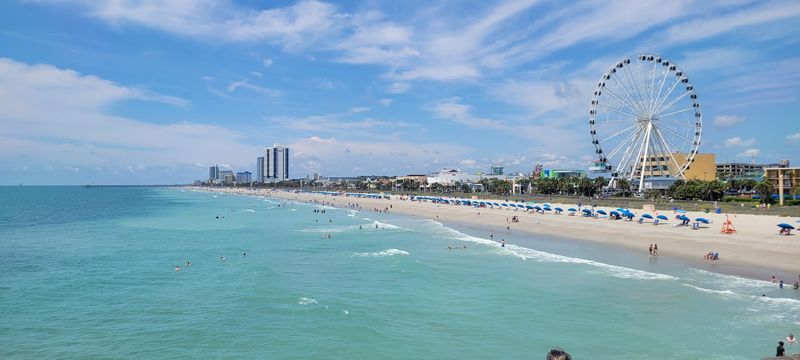
Step outside Florida and Myrtle Beach is one of the first names that shows up in U.S. shark-incident rankings. A 2025 summary of historic shark-attack data placed Myrtle Beach among the few non-Florida beaches near the top of the national list, which is a meaningful distinction given how Florida-heavy that data typically skews.
The Grand Strand draws millions of visitors every year, making it one of the most visited coastlines in the Southeast. More people in the water over a longer season means more chances for incidents to occur and be documented, which is part of why Myrtle Beach stands out compared to quieter South Carolina beaches.
Warm Atlantic water, active recreational fishing, and a year-round beach culture all contribute to the conditions that put Myrtle Beach on this list. The beach is still a perfectly reasonable vacation destination.
Swimmers should pay attention to flag warnings and avoid areas where fishing is actively happening close to the shoreline.
Isle Of Palms Beach, Isle Of Palms, South Carolina
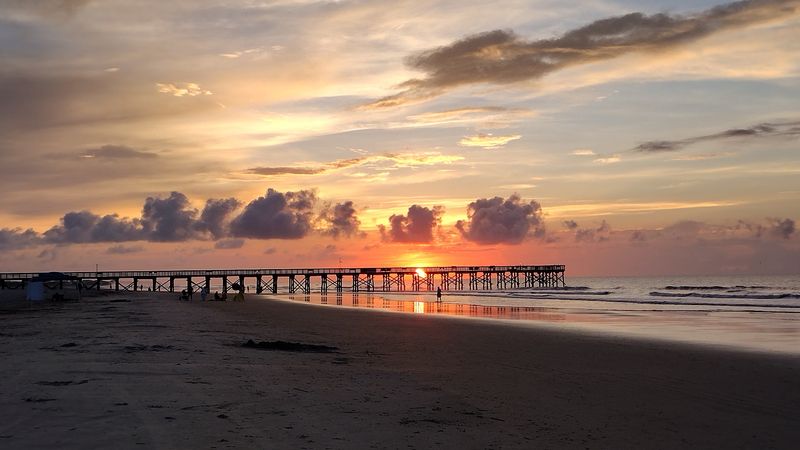
Located just outside Charleston, Isle of Palms is the kind of beach that draws a mix of locals, families, surfers, and anglers throughout the year. That combination of different water users sharing the same nearshore zone is a consistent thread across most beaches on this list, and Isle of Palms fits the pattern well.
Historic shark-attack data has placed Isle of Palms Beach in documented incident rankings for South Carolina, which separates it from most other beaches along the state’s coastline. It is not a beach with a dramatic or widely publicized single event, but its long record of smaller encounters gives it a legitimate place on a shark-prone list.
The beach is wide, well-maintained, and popular with Charleston-area residents. Visitors can access it via the Isle of Palms Connector from the mainland.
Standard ocean-safety habits apply here: watch for discolored water, avoid swimming near fishing piers, and always check for posted beach warnings before heading into the surf.
Hilton Head Island Beach, Hilton Head Island, South Carolina
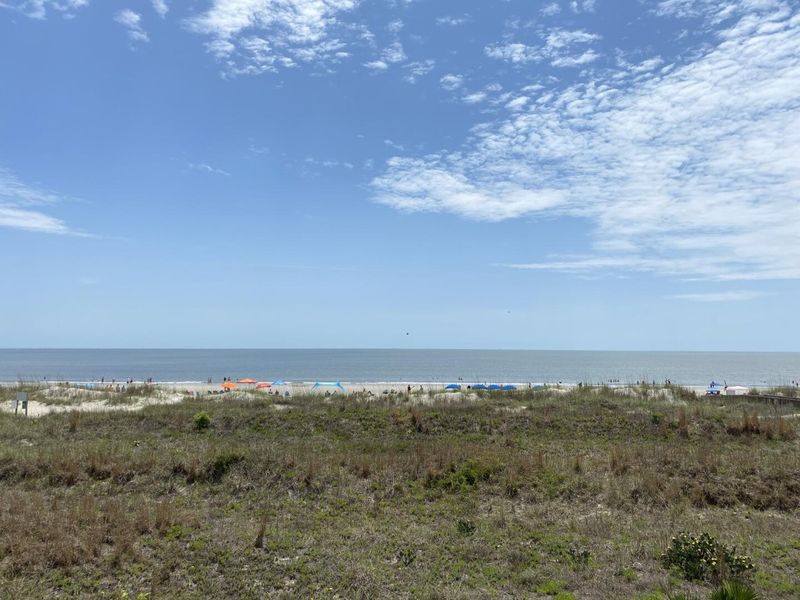
Hilton Head Island is one of South Carolina’s premier resort destinations, drawing families, golfers, and beach lovers from across the country. In 2024, a woman was bitten while swimming at Sea Pines on Hilton Head Island, bringing fresh attention to shark activity along this stretch of South Carolina coastline.
The beach was briefly closed as a precaution following the incident.
The injuries in that case were not fatal, but the event was covered nationally and added to a growing awareness that South Carolina’s beaches deserve inclusion in shark-safety conversations alongside Florida’s more famous coastlines.
Hilton Head has a long, wide beach with multiple access points and a well-established tourism infrastructure. Lifeguards are present during peak season, and beach conditions are generally monitored.
Even so, the 2024 bite and the island’s documented incident history make it a fair and honest entry on this list for readers who want a complete picture of U.S. shark-prone beaches.
Ocracoke Beach, Ocracoke, North Carolina
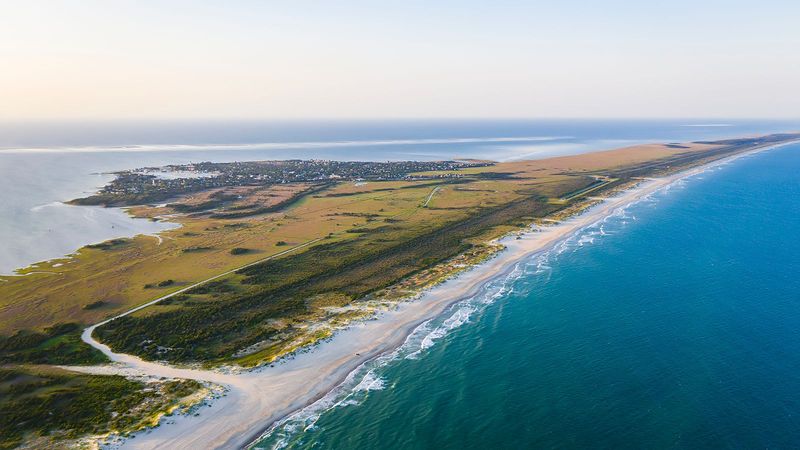
Getting to Ocracoke Beach requires a ferry ride, which already tells you something about the kind of place it is. Wild, remote, and exposed to full Atlantic conditions, Ocracoke Island sits within the Cape Hatteras National Seashore and draws visitors who prefer natural beaches over developed resort strips.
North Carolina received national attention in 2015 after a cluster of shark attacks along the Outer Banks, with incidents near Ocracoke Island factoring into that coverage. The Outer Banks as a whole sits in a stretch of Atlantic water where warm Gulf Stream currents and cooler coastal water mix, creating conditions that attract a range of marine life including sharks.
Ocracoke is still a beloved destination with a small village, ferry access from Cedar Island and Swan Quarter, and miles of undeveloped beach. Because it is managed by the National Park Service, beach conditions can vary by season and weather.
Checking current conditions before swimming here is not optional, it is just smart.
Cape Hatteras National Seashore, Buxton, North Carolina
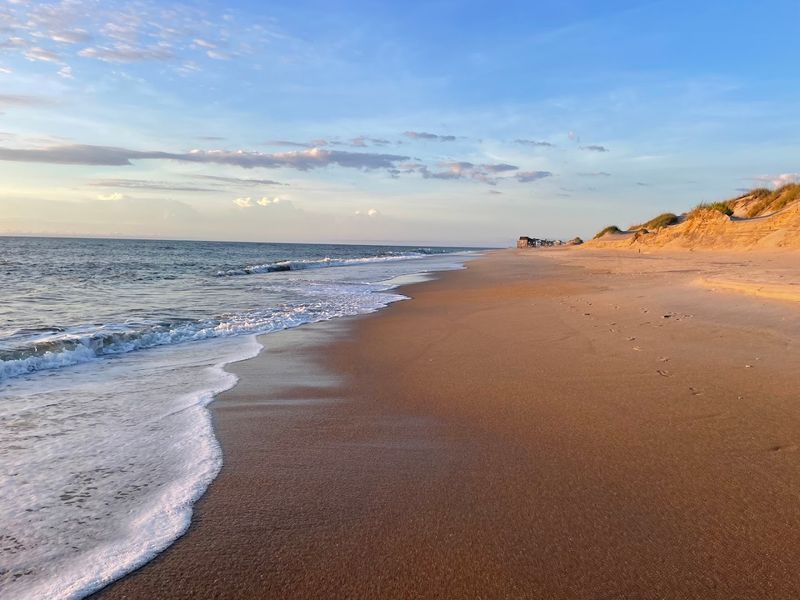
Cape Hatteras National Seashore is one of the most dramatic stretches of coastline on the East Coast. Strong currents, shifting sandbars, powerful surf, and a history of shipwrecks all come with the territory.
The Outer Banks has also generated enough shark-related headlines over the years to make Cape Hatteras a legitimate addition to a shark-prone beach list.
The seashore covers Bodie Island, Hatteras Island, and Ocracoke Island, with beach access points managed by the National Park Service throughout the area. Because this is a national seashore rather than a municipal beach, lifeguards are limited and visitors are expected to exercise independent judgment about water conditions.
The 2015 North Carolina shark-attack cluster brought the Outer Banks significant national attention, and Cape Hatteras was part of that broader conversation. This is a beach where ocean awareness matters on multiple levels, not just for shark activity but for currents, rip tides, and rapidly changing surf that can challenge even experienced swimmers.
San Onofre State Beach, San Clemente, California
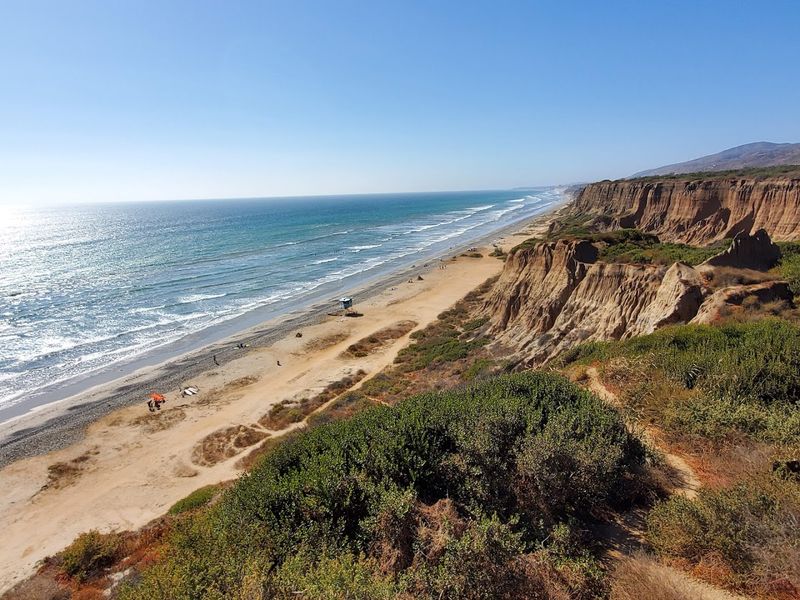
California’s shark incidents are far less frequent than Florida’s, but when they happen, they tend to involve larger sharks and more serious outcomes. San Onofre State Beach and the nearby San Clemente shoreline have been the site of multiple notable encounters in recent years.
In 2017, a woman was severely injured by a shark while swimming near San Onofre, prompting beach closures in the area. In 2024, a surfer near San Clemente was knocked from his board during a shark encounter, leading officials to close a two-mile stretch of beach water for 24 hours.
Neither incident resulted in a fatality, but both were treated with full emergency seriousness.
San Onofre is a popular surf destination with a laid-back, old-school California beach culture. The bluff-top campground and multiple surf breaks draw regulars throughout the year.
The white shark presence in Southern California waters is real and documented, making this stretch one of the more compelling West Coast entries on this list.
Surf Beach, Lompoc, California
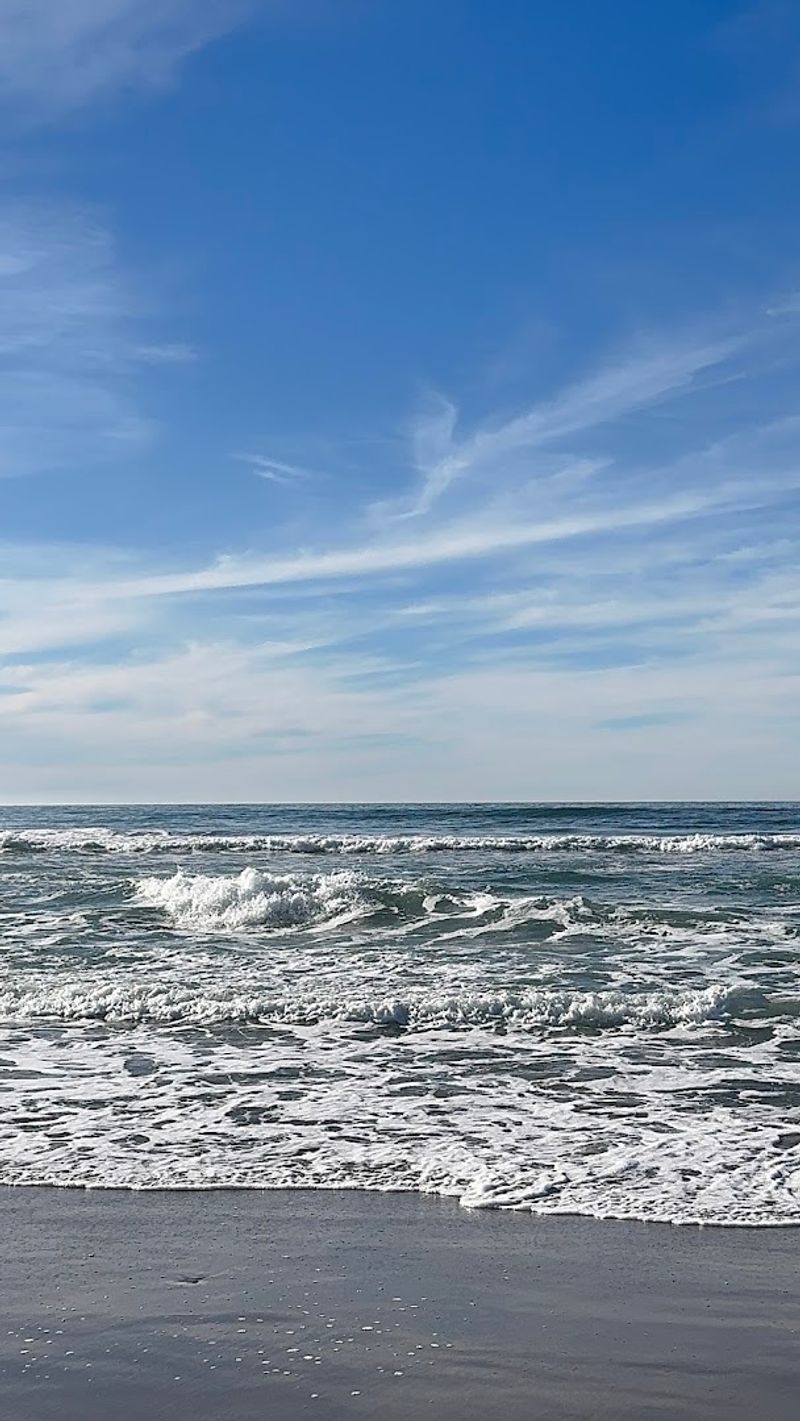
Surf Beach near Lompoc is not a resort destination. It is a remote, windswept stretch of Central California coastline where the Pacific feels genuinely wild.
That setting is part of what makes it stand out on a shark-prone list, because this is not a beach where crowds and lifeguards create a cushion of safety.
The beach earned a serious reputation after fatal great white shark attacks were reported near the area in 2010 and 2012. California’s total shark-bite numbers are much lower than Florida’s, but the state’s incidents tend to involve great white sharks, which are significantly larger than the species most often responsible for Florida bites.
Surf Beach is accessible to the public and draws surfers willing to deal with cold water and rough conditions. The absence of a commercial beach infrastructure means swimmers and surfers need to make their own informed decisions.
Checking local shark sighting reports before visiting is a reasonable habit at this particular stretch of coast.
Montara State Beach, Montara, California
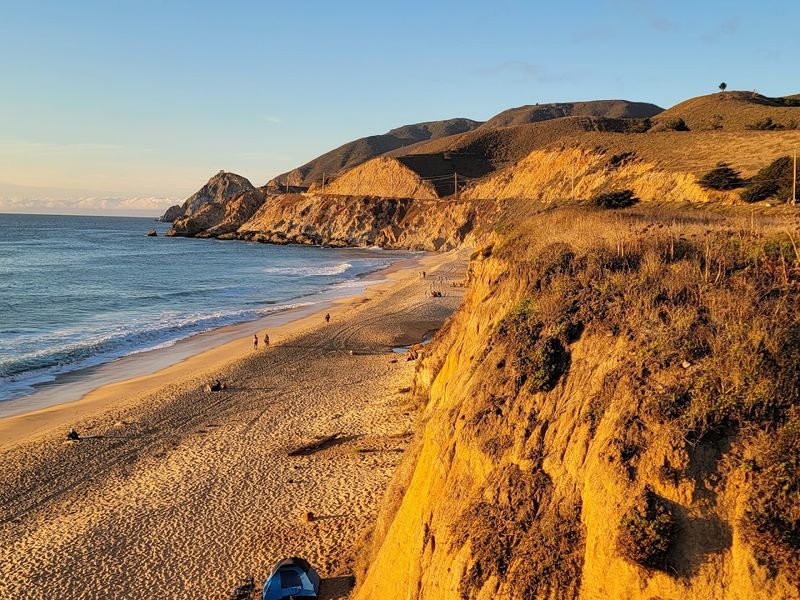
Northern California’s shark story is quieter than the headlines from Florida or even Southern California, but it is real. Montara State Beach in San Mateo County made news in 2025 when a surfer’s board was bitten during a shark encounter near the beach, prompting officials to issue a temporary closure of the area.
The surfer was not physically injured, but the bite on the board was treated as a serious encounter and the closure was handled through proper safety channels. This kind of incident reflects the Northern California version of shark risk: cold water, rugged coastline, limited lifeguard coverage, and occasional great white shark activity in the nearshore zone.
Montara State Beach sits along Highway 1 south of San Francisco, about 25 miles from the city. It is a public beach with parking and beach access, popular with surfers, hikers, and photographers.
Anyone planning to surf or swim here should check current beach closure status and local shark-sighting reports before getting in the water.
Keawakapu Beach, Kihei, Hawaii
Hawaii’s shark risk operates differently from Florida’s. The islands are home to tiger sharks, which are larger, more aggressive, and responsible for a higher share of serious incidents than the smaller species most often involved in Florida bites.
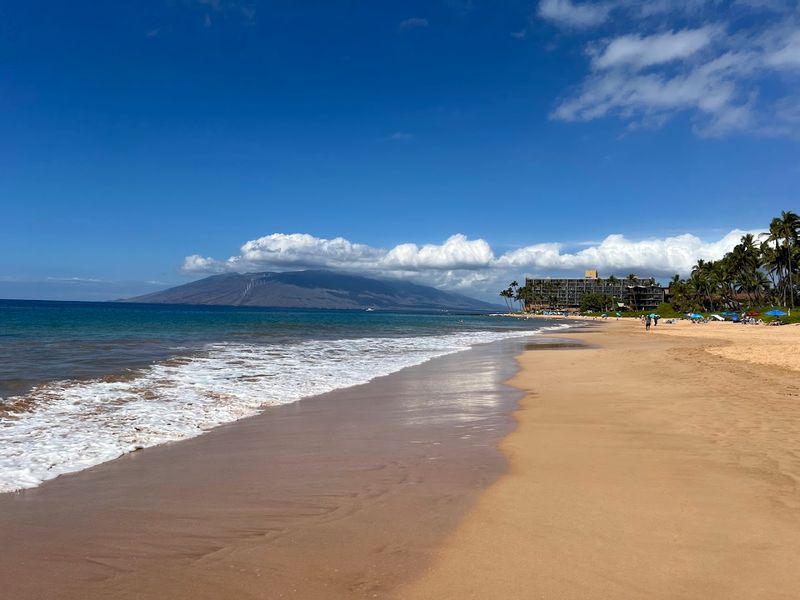
Maui has a documented history of tiger shark encounters, and Keawakapu Beach in South Kihei is part of that record.
Keawakapu Point was tied to a fatal shark attack in 2022, an event that received significant coverage and reinforced Maui’s reputation as the Hawaiian island with the highest rate of shark incidents. Keawakapu Beach itself is a long, beautiful stretch of sand popular with swimmers, snorkelers, and kayakers.
The beach has public access points, outdoor showers, and a calm, scenic setting that makes it a genuine favorite for South Maui visitors. Respecting ocean conditions, avoiding swimming at dawn and dusk, staying out of murky water near stream runoff, and watching for posted warnings are all practical steps that apply specifically to this area.
North Shore Beaches, Oahu, Hawaii
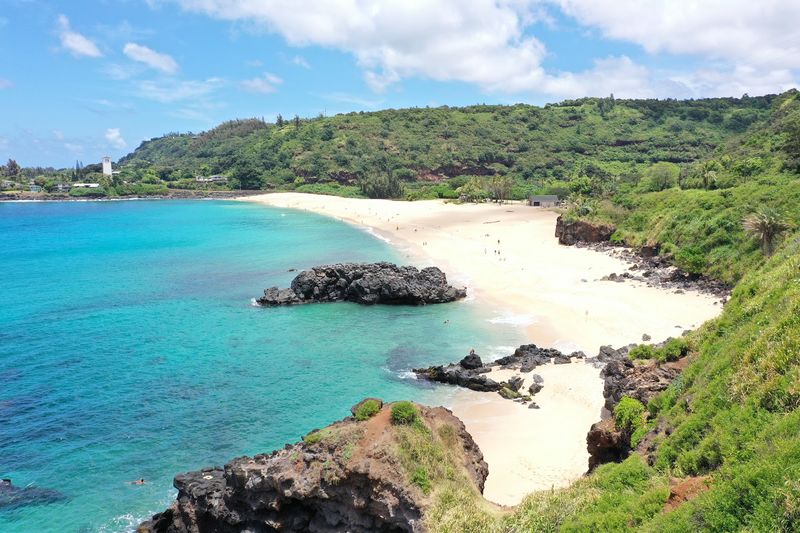
The North Shore of Oahu is legendary in the surf world, and in 2024 it became the center of a deeply sobering shark-safety story. Surfer and lifeguard Tamayo Perry was fatally injured in a shark attack near Goat Island on Oahu’s North Shore, drawing international attention to shark risk in one of the world’s most iconic surf destinations.
Beyond the 2024 incident, the North Shore is already a place that demands serious ocean respect. Powerful winter swells, shallow reef breaks, and strong currents make beaches like Sunset Beach and Pipeline genuinely challenging even for experienced surfers.
Adding shark awareness to that picture is not fear-mongering, it is honest.
The North Shore remains open, active, and worth experiencing for anyone visiting Oahu. Ehukai Beach Park, Sunset Beach, and Waimea Bay all draw visitors year-round.
Ocean conditions change dramatically between summer and winter, so checking current surf reports, posted beach warnings, and lifeguard advisories before swimming or surfing here is a habit worth keeping every single visit.
Share this story