Traveling through Europe means standing in front of landmarks you have seen in textbooks, postcards, and social media feeds for years. The real question is whether those places feel as impressive in person as they do in pictures.
Honestly, a lot of famous spots leave you underwhelmed once the crowds and the gift shops take over. But some places genuinely stop you in your tracks.
After visiting some of the most talked-about attractions across the continent, I put together this list of 15 that actually delivered on their promise. Whether you are planning a future trip or just curious about what the fuss is really about, this list gives you the honest picture, with practical details, historical context, and reasons why each one is worth the effort.
Eiffel Tower, Paris, France
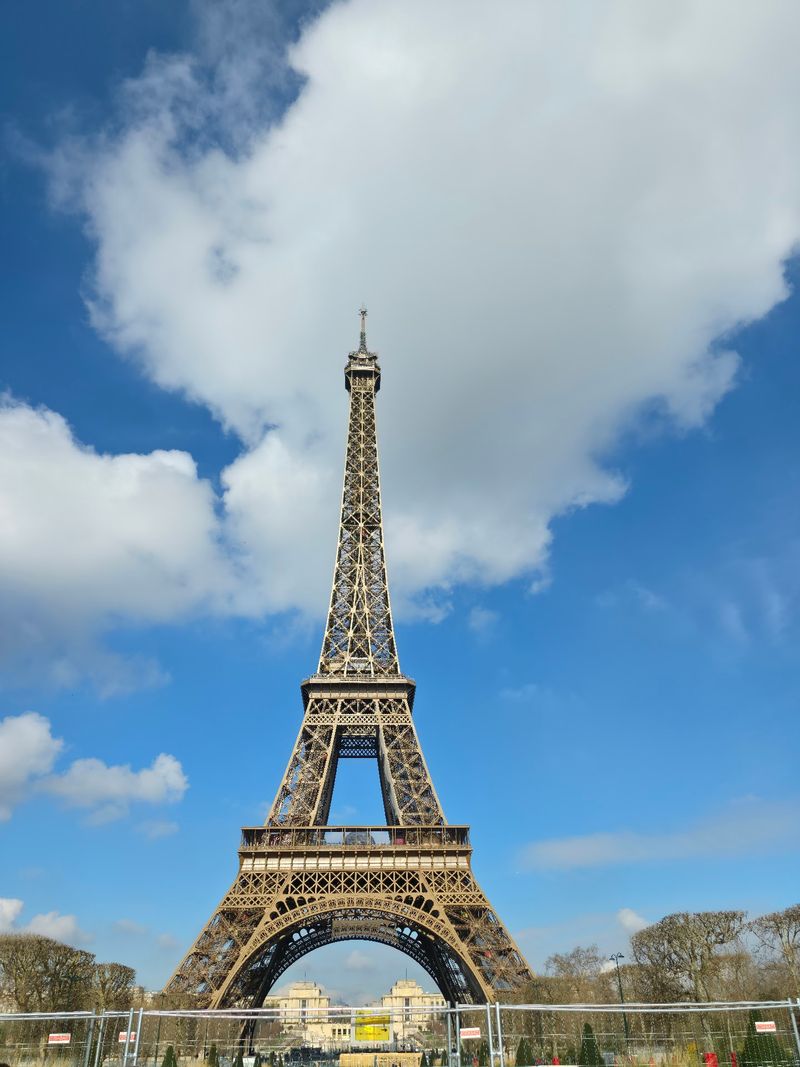
Nothing quite prepares you for standing directly beneath the Eiffel Tower and looking straight up through its iron lattice framework. Photographs capture its shape, but they rarely convey the sheer scale of the structure towering above you.
Built for the 1889 World’s Fair and completed in just over two years, the tower now reaches approximately 330 meters with its broadcasting antennas included. That height puts Paris entirely at your feet once you ride to the upper floors.
From the summit, the Seine curves between recognizable monuments, and the city’s grid of streets stretches toward the horizon in every direction. Visiting after dark adds a different quality to the experience, with city lights spreading below in every direction.
The tower remains open to visitors, though summit access can be affected by heavy demand or weather. Booking tickets in advance is strongly recommended to avoid long queues at the base.
Colosseum, Rome, Italy
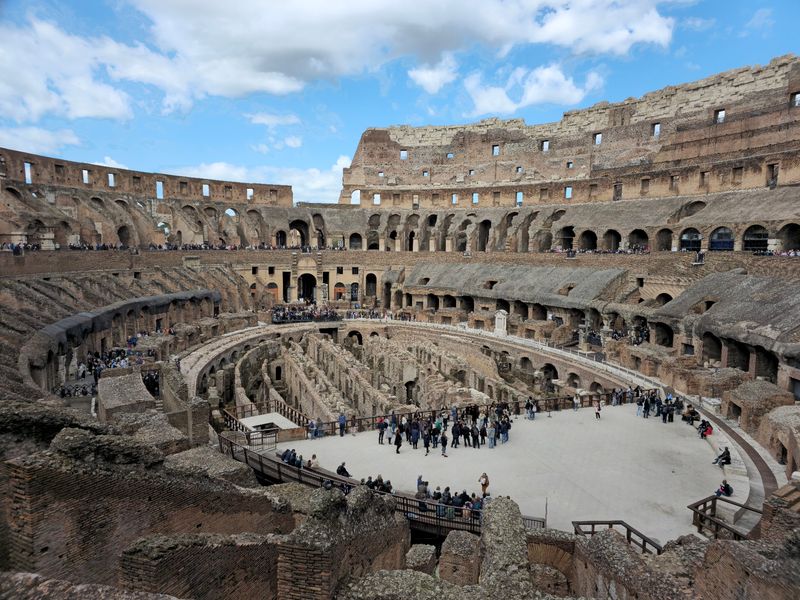
The Colosseum is the kind of ruin that makes ancient history feel immediate rather than distant. Standing inside the arena floor and looking up at the tiered seating that once held tens of thousands of spectators shifts your understanding of how organized and ambitious Roman society actually was.
Built by emperors of the Flavian dynasty in the first century CE, this amphitheater hosted gladiatorial contests, animal hunts, and elaborate public spectacles. It remains the largest amphitheater ever constructed, and portions of the underground hypogeum reveal how animals and performers were moved beneath the arena floor.
Combining a Colosseum visit with the neighboring Roman Forum and Palatine Hill turns a single stop into a much broader look at ancient Rome. The archaeological park operates daily, apart from specific annual closure dates.
Booking timed entry tickets ahead of your visit is the most reliable way to avoid the longest lines outside.
Sagrada Familia, Barcelona, Spain
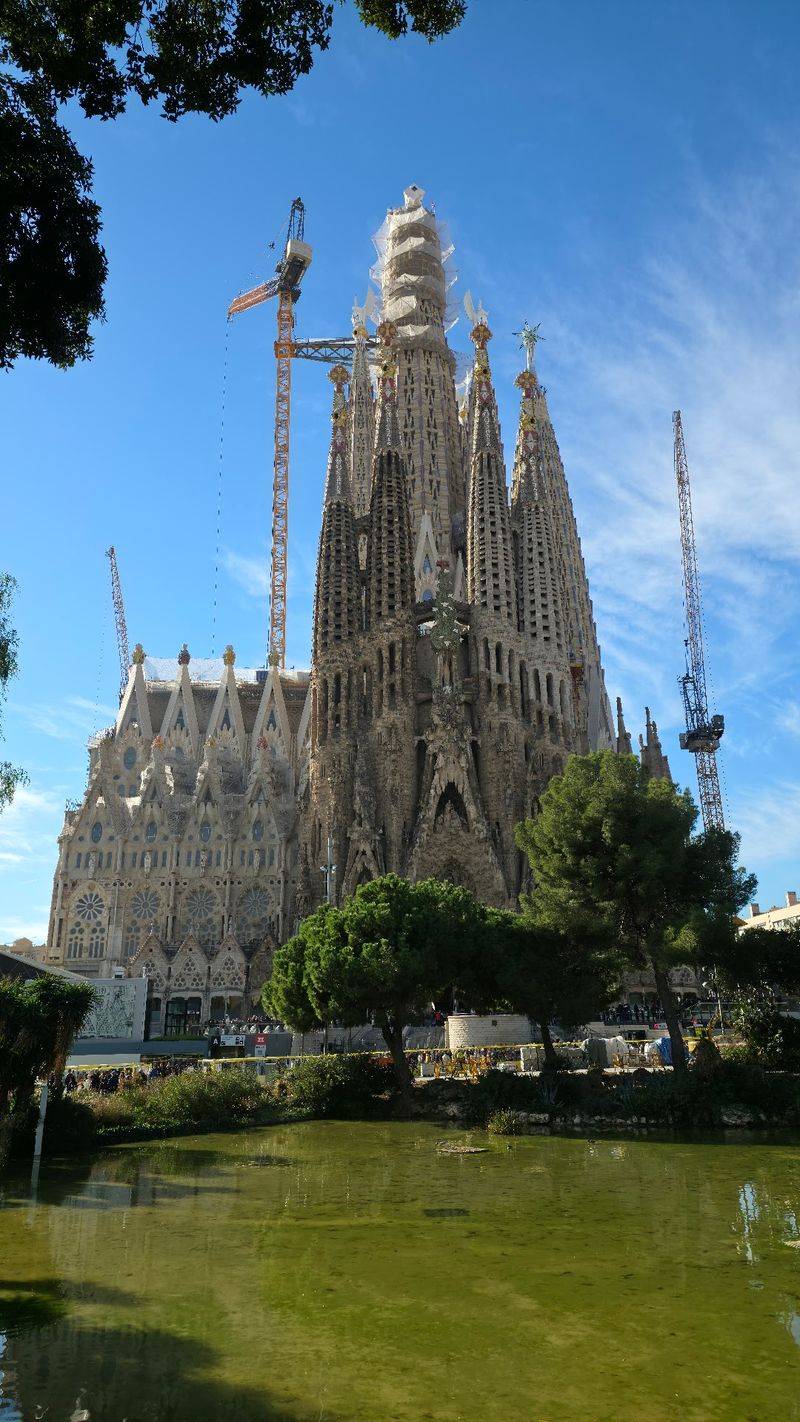
The outside of the Sagrada Familia is striking, but the interior is where the building truly becomes something extraordinary. Antoni Gaudi’s columns branch upward like a stone forest, and the stained glass transforms sunlight into sweeping bands of color across the floor and walls.
Construction began in 1882, with Gaudi taking over the project the following year. More than 140 years later, the building is still being finished, and 2026 marked a significant milestone when the exterior of the central Tower of Jesus Christ reached completion.
That ongoing construction actually makes this an especially interesting time to visit. You can see a major architectural project evolving in real time, which is a rare experience with a building of this historical weight.
The basilica stays open throughout the year with seasonal hours, and advance ticket reservations are essential. Arrival times are timed, so planning ahead will save you significant frustration at the entrance.
Alhambra, Granada, Spain
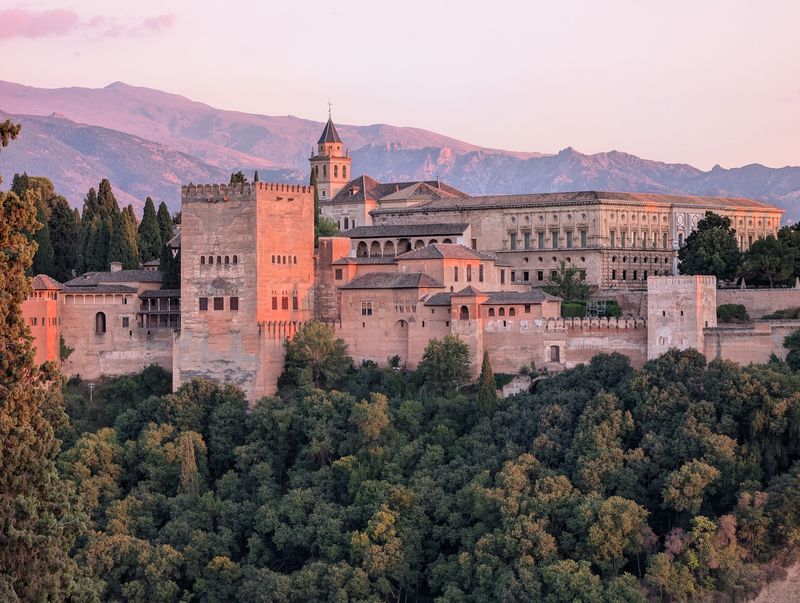
What sets the Alhambra apart from other European palaces is not its size but its detail. Every surface inside the Nasrid Palaces seems to carry carved plasterwork, Arabic inscriptions, geometric tile patterns, or a reflecting pool that mirrors the architecture above it.
The complex developed into the palace, citadel, and fortress of Granada’s Nasrid rulers and reached its greatest artistic height during the 14th century. The Generalife adds a quieter dimension with terraced gardens, water channels, and views toward the city below.
Later additions, including the Renaissance Palace of Charles V, show how the site continued evolving after the Christian conquest in 1492. That layering of history across a single complex makes exploring it feel more like reading a long, detailed book than visiting a single attraction.
The Alhambra operates year-round except December 25 and January 1. Timed admission for the Nasrid Palaces is required, and slots sell out well in advance during peak seasons.
Acropolis of Athens, Athens, Greece
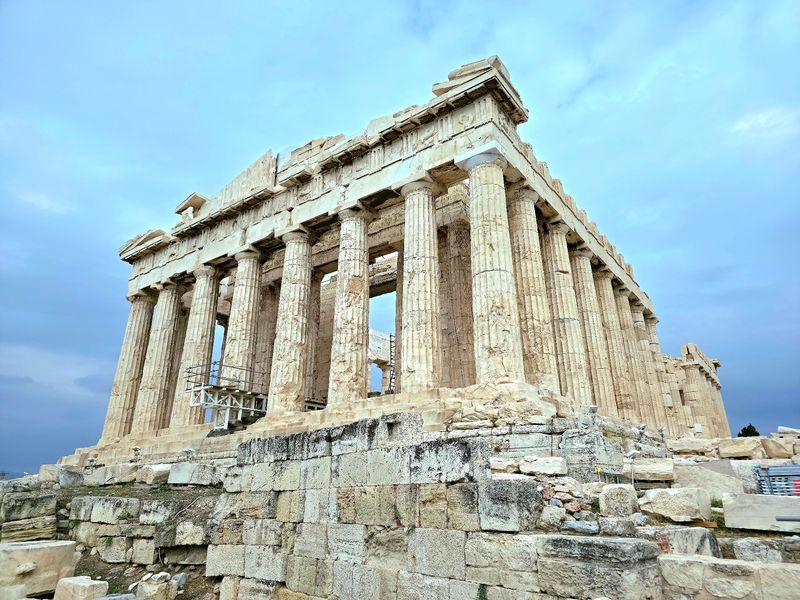
Approaching the Acropolis from below, through the streets of Athens, the Parthenon appears above the rooftops long before you reach the entrance. That gradual reveal is part of what makes the visit feel significant rather than just another tourist stop.
The hill is best treated as a full archaeological landscape rather than a single monument. The Erechtheion, the Temple of Athena Nike, and the monumental Propylaea gateway all add important context that gets overlooked when visitors focus only on the Parthenon.
One of the most striking aspects is the contrast between ancient marble and the dense, sprawling modern city visible in every direction from the hilltop. That view helps you understand why this location was chosen as the civic and religious center of ancient Athens.
The Acropolis remains open throughout the year with seasonal hours. Extreme heat during summer months can affect comfort significantly, so early morning visits are generally the most practical option during July and August.
Louvre Museum, Paris, France
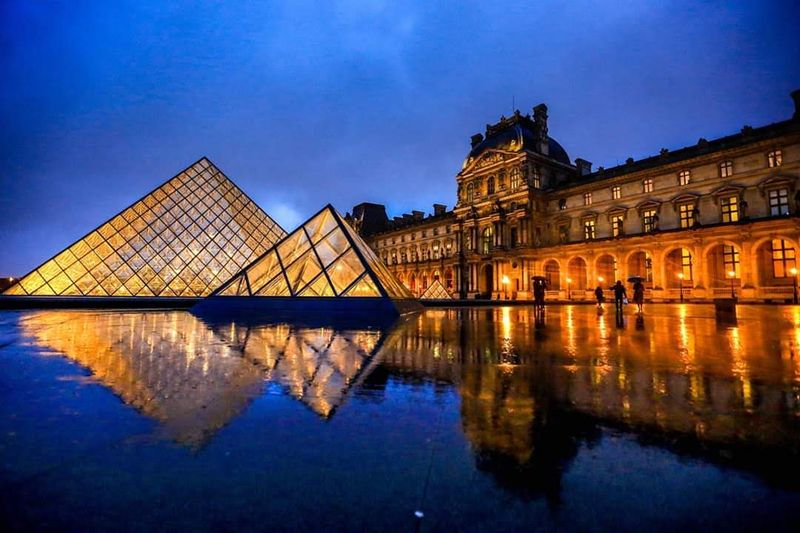
The Louvre is genuinely too large to absorb in a single visit, and accepting that early actually makes the experience better. Choosing two or three sections and exploring them properly is far more rewarding than rushing through gallery after gallery trying to see everything.
Most visitors arrive focused on the Mona Lisa, but the museum’s collections extend across ancient Egypt, Mesopotamia, Greece, Rome, medieval Europe, and centuries of Western painting. The building itself is part of the story, since you are moving through a former royal palace that was gradually converted into a public museum after the French Revolution.
The glass pyramid entrance, designed by I. M.
Pei and opened in 1989, remains one of Paris’s most recognized architectural contrasts. The Louvre currently operates every day except Tuesday, with extended evening hours on Wednesdays and Fridays.
Even a full day inside barely scratches the surface of what the museum holds, so prioritizing specific collections before you arrive will make the visit far more focused.
Vatican Museums, Vatican City
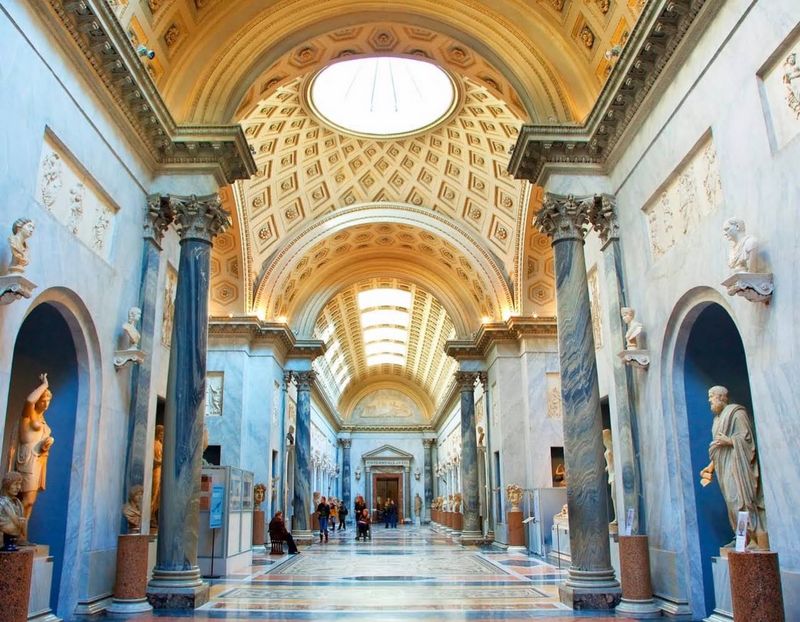
Racing directly to the Sistine Chapel means skipping most of what makes the Vatican Museums worth visiting. The route leading there passes through long gallery corridors lined with ancient sculpture, elaborate ceiling frescoes, rooms covered in tapestries, and the Gallery of Maps with its detailed painted cartography of Italy.
The four Raphael Rooms, decorated between 1508 and 1524, were part of the papal apartments used by Julius II and his successors. The School of Athens alone is worth slowing down for, as it remains one of the most compositionally sophisticated Renaissance paintings in existence.
The Sistine Chapel, painted by Michelangelo between 1508 and 1512, does deliver on its reputation. Looking up at the ceiling for the first time produces a genuinely different reaction than seeing it in any reproduction.
The museum complex opens Monday through Saturday and on the final Sunday of most months. Reservations are strongly advisable, as demand stays intense throughout most of the calendar year.
Tower of London, London, England
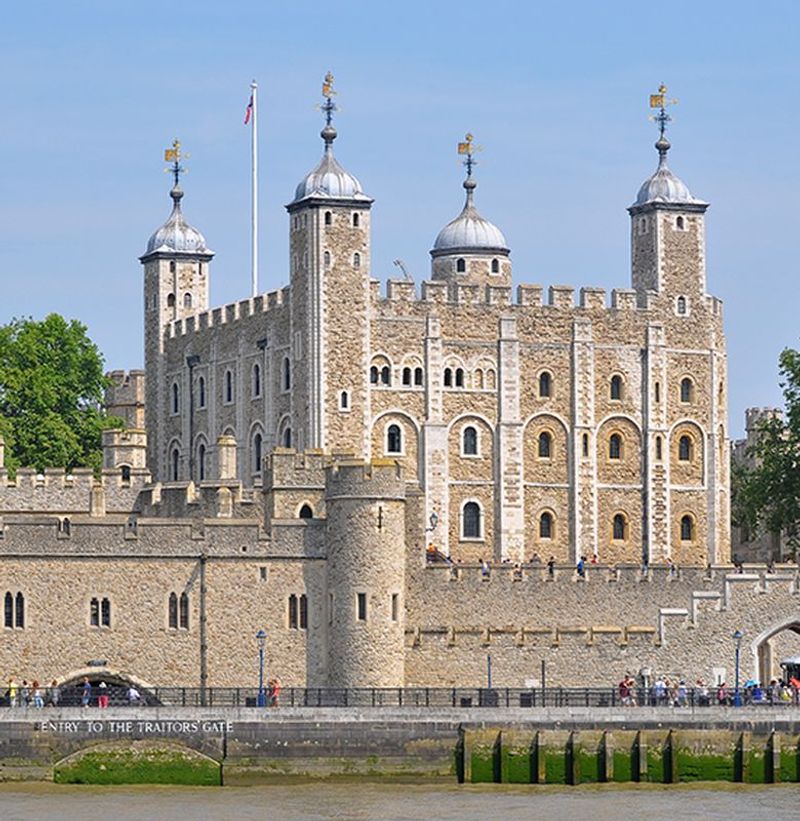
The Tower of London covers more ground than most first-time visitors expect. The White Tower dominates the center of the complex, but the surrounding walls, smaller towers, courtyards, and exhibitions can keep you occupied for several hours without feeling rushed.
The Crown Jewels are the most popular draw, and the collection genuinely earns its reputation. More than 100 objects and over 23,000 gemstones are on display, including St. Edward’s Crown and the Imperial State Crown used at coronations.
The jewels have been protected at the Tower since the 1660s.
Yeoman Warder tours add a layer of storytelling that purely self-guided visits tend to miss. The Warders are full-time residents of the Tower, and their knowledge of the site’s history ranges from royal ceremonies to darker chapters of imprisonment and execution.
The Tower operates throughout the week with varying seasonal hours. Arriving early on weekdays tends to mean smaller crowds around the Crown Jewels display.
Palace of Versailles, Versailles, France
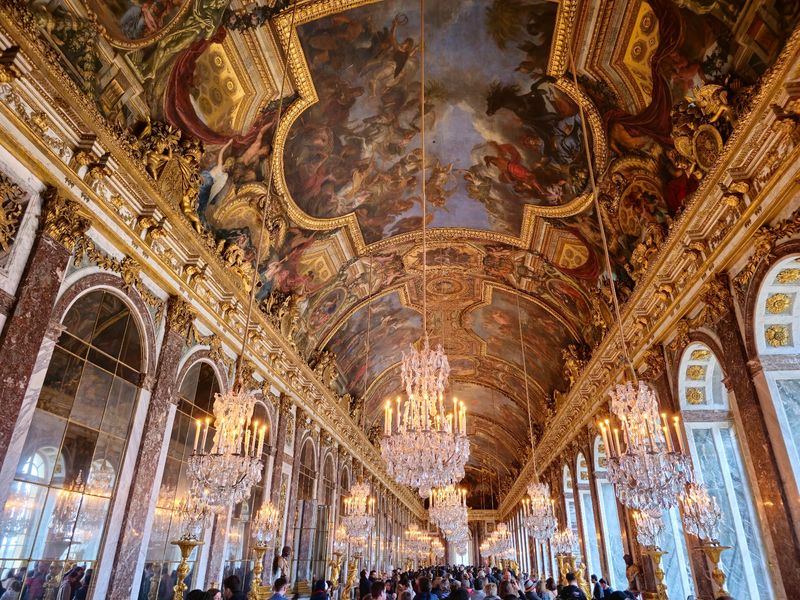
The Hall of Mirrors at Versailles is one of those spaces that photographs cannot fully represent. Stretching 73 meters in length, with 357 mirrors arranged across 17 arches facing the garden windows, the hall was designed specifically as a political statement about French power and artistry under Louis XIV.
Beyond the famous hall, the palace contains royal apartments, historic galleries, and painted ceilings that cover an enormous amount of floor space. The formal gardens outside add fountains, sculpted hedgerows, and pathways that extend across a landscaped estate designed to match the grandeur of the interiors.
Understanding that Versailles was a functioning center of government and court life, not simply a decorative residence, changes how the scale makes sense. Architecture here was a direct tool of authority, and that intention is visible in nearly every room.
The palace is currently open Tuesday through Sunday. The gardens and park operate on their own daily schedule, and fountain shows run on select days seasonally.
Rijksmuseum, Amsterdam, Netherlands
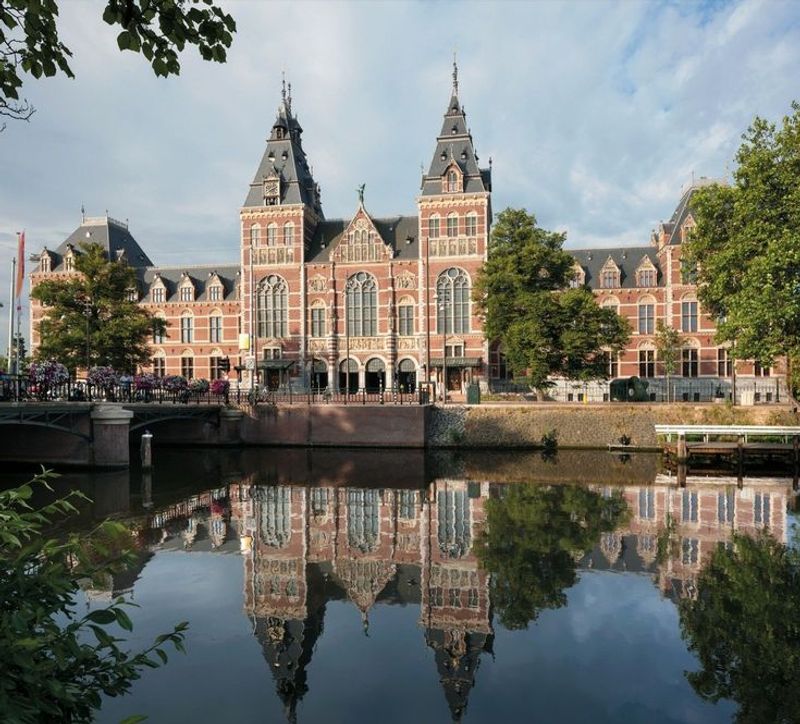
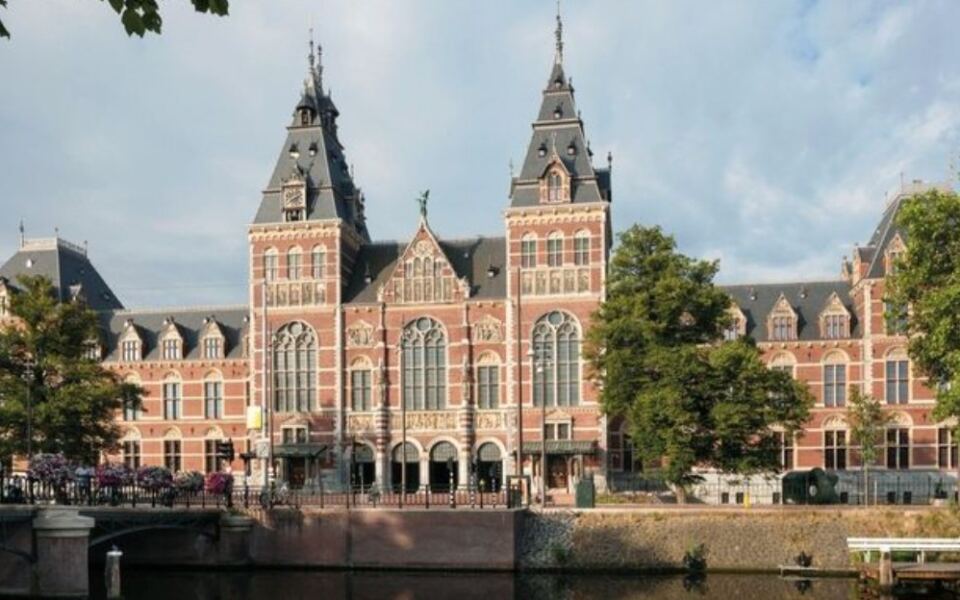
The Rijksmuseum offers something that many major art museums struggle to provide, which is a clear sense of place alongside great art. Its galleries tell Dutch history and culture while also housing some of the most recognized paintings in Western art.
More than 8,000 objects are on display across the collection, with works by Rembrandt, Vermeer, Frans Hals, and many others. Rembrandt’s The Night Watch is the headline attraction, displayed at the end of the Gallery of Honour in a setting designed to give the enormous painting the space it requires.
An ongoing conservation project called Operation Night Watch allows visitors to observe specialists working directly on the painting behind glass. That kind of transparent, public conservation work is genuinely unusual for a painting of this status.
Unlike many large European museums, the Rijksmuseum is open every day of the year. Visitors must book a timed entry slot in advance, which helps keep the galleries from becoming completely overcrowded during peak hours.
Neuschwanstein Castle, Bavaria, Germany
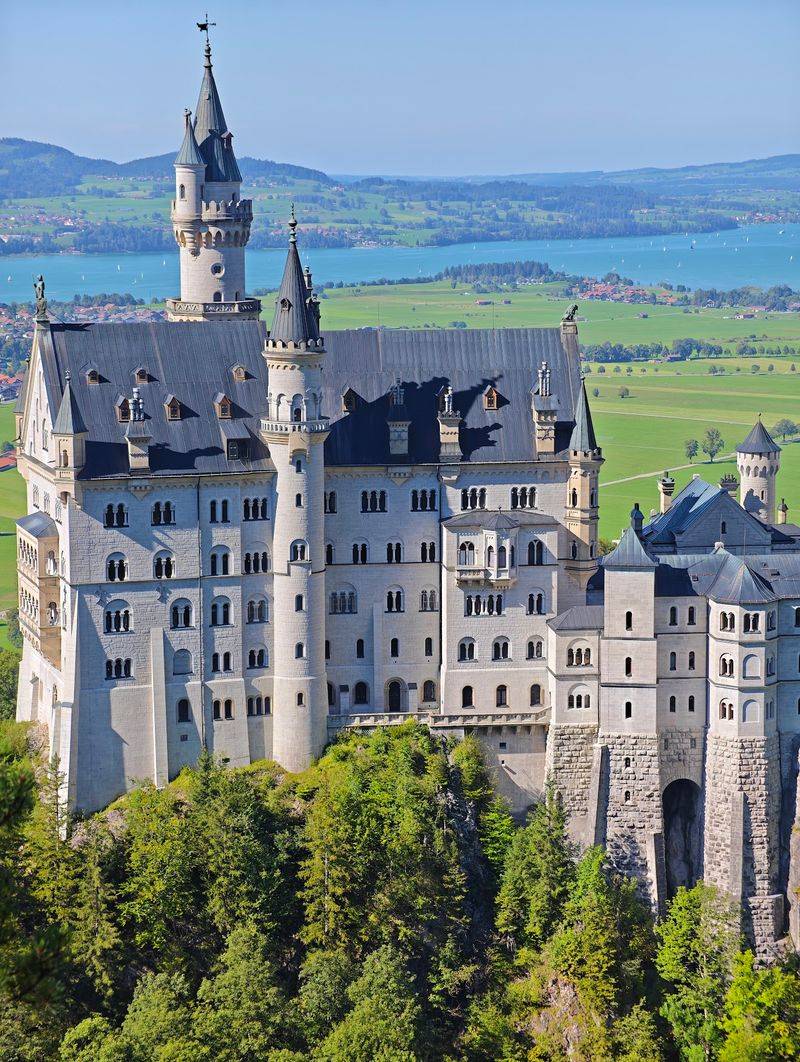
Neuschwanstein is one of the few famous buildings that actually looks better in person than in photographs. The Alpine setting does most of the work, with forested slopes, mountain ridges, and nearby lakes framing the castle from nearly every angle around the complex.
King Ludwig II commissioned the castle in 1869 as a personal retreat inspired by medieval legends and the operas of Richard Wagner. Construction continued for years, yet Ludwig himself never saw the project reach completion before his passing in 1886.
Interior visits are only possible as part of an organized tour, which moves through the throne room, singer’s hall, and royal apartments at a fairly steady pace. The painted murals inside reference Wagnerian themes throughout, which gives the rooms a theatrical quality that matches the building’s exterior perfectly.
Neuschwanstein remains open daily except on a few specified holiday closure dates. The viewpoint from Marienbrucke bridge above the castle is worth the short walk for a full perspective on the structure and its surroundings.
Schonbrunn Palace, Vienna, Austria
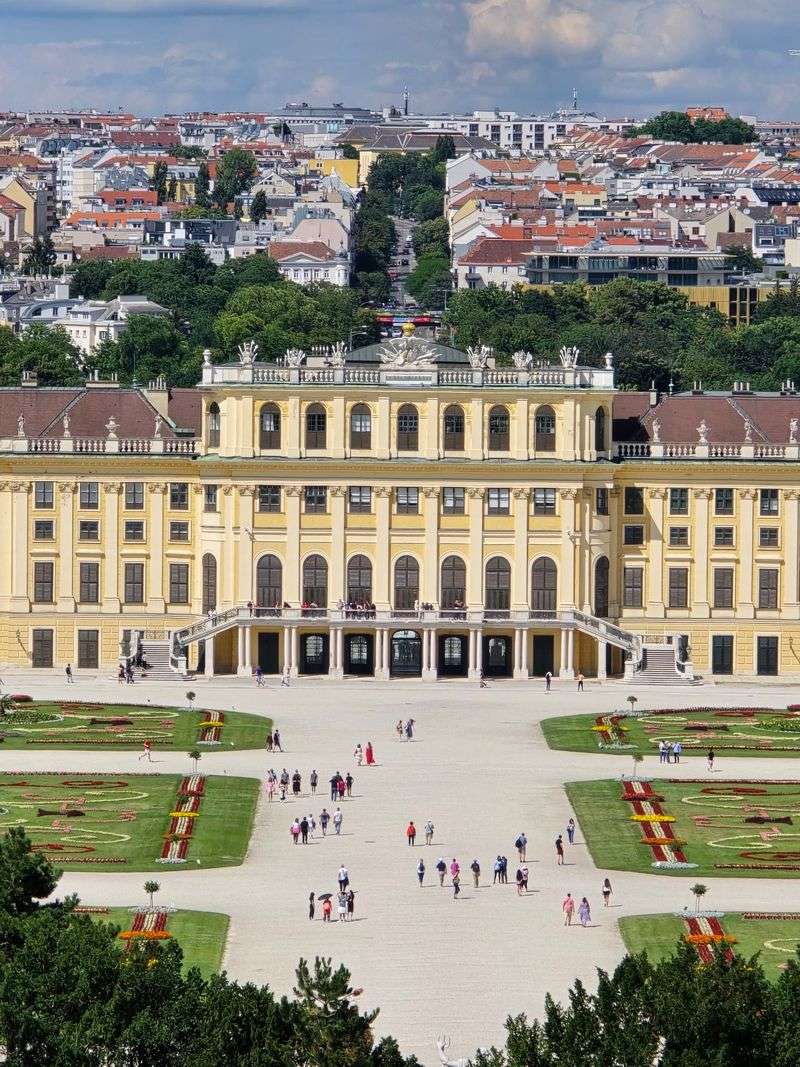
Schonbrunn functions less like a single attraction and more like its own self-contained imperial district. The palace, gardens, fountains, monuments, and hilltop Gloriette together cover enough ground that a half-day visit still leaves things unexplored.
During Maria Theresa’s reign in the 18th century, what had been a hunting lodge was transformed into an elaborate summer residence and the center of Habsburg court life. Restored state rooms and private apartments associated with Maria Theresa, Emperor Franz Joseph, and Empress Elisabeth are open for interior tours.
The gardens outside add a completely different experience from the palace interiors. Formal parterres, pathways, fountains, and the climb to the Gloriette terrace at the top of the hill provide views back across the palace and toward Vienna beyond.
Schonbrunn Palace is open every day of the year, including public holidays, which makes it a reliable option regardless of when you are visiting. Individual garden attractions such as the maze and privy garden follow their own seasonal schedules.
Mont-Saint-Michel Abbey, Normandy, France
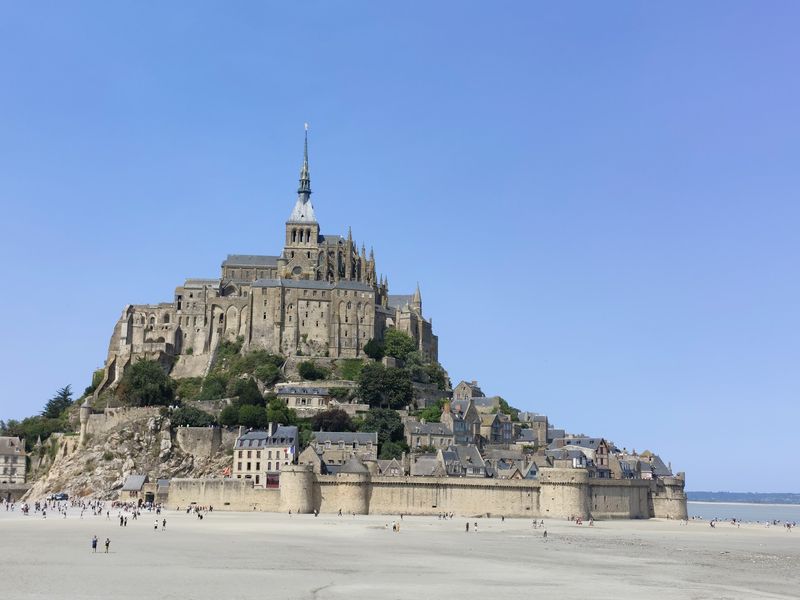
The approach to Mont-Saint-Michel is part of the experience in a way that is true of very few European landmarks. Crossing the bay on the causeway with the fortified island rising ahead of you, its abbey towers above the rooftops, is a genuinely striking arrival regardless of how many times you have seen it in pictures.
Benedictine monks were established on the island in the 10th century, and construction of the Romanesque abbey church began in the 11th. Over subsequent centuries, Gothic architecture was added, and the complex survived warfare, religious upheaval, and even a period when the abbey served as a prison during the French Revolution.
Visitors climb through narrow streets and steep staircases to reach the abbey at the top. The village below is freely accessible, while the abbey itself operates on seasonal visitor hours.
Tidal conditions around the island are worth checking before your visit, as the bay transforms significantly between high and low tide.
Stonehenge, Wiltshire, England
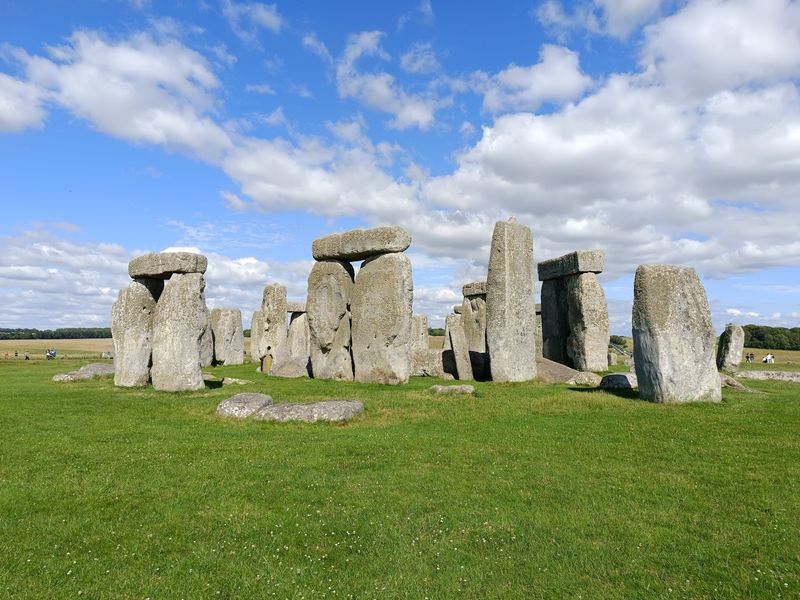
Stonehenge rewards visitors who arrive knowing something about what they are looking at. On the surface, it is a circle of ancient stones in an open field.
But once you understand the timeline involved, the experience shifts considerably.
The earliest phase of Stonehenge dates back roughly 5,000 years, while the larger sarsen stones were raised around 2500 BC. Construction and modification continued over many centuries, and the surrounding landscape contains burial mounds and other prehistoric remains that place the monument within a much broader ancient setting.
The visitor center includes exhibitions and reconstructed Neolithic houses that provide useful context before you walk out to the stones. That preparation makes the monument itself easier to read as a landscape rather than just a curiosity.
English Heritage manages the site with seasonal schedules, and timed entry is required. Special access visits, which allow you to stand among the stones outside normal visiting hours, can be booked separately and provide a very different experience from the standard path.
Prague Castle, Prague, Czech Republic
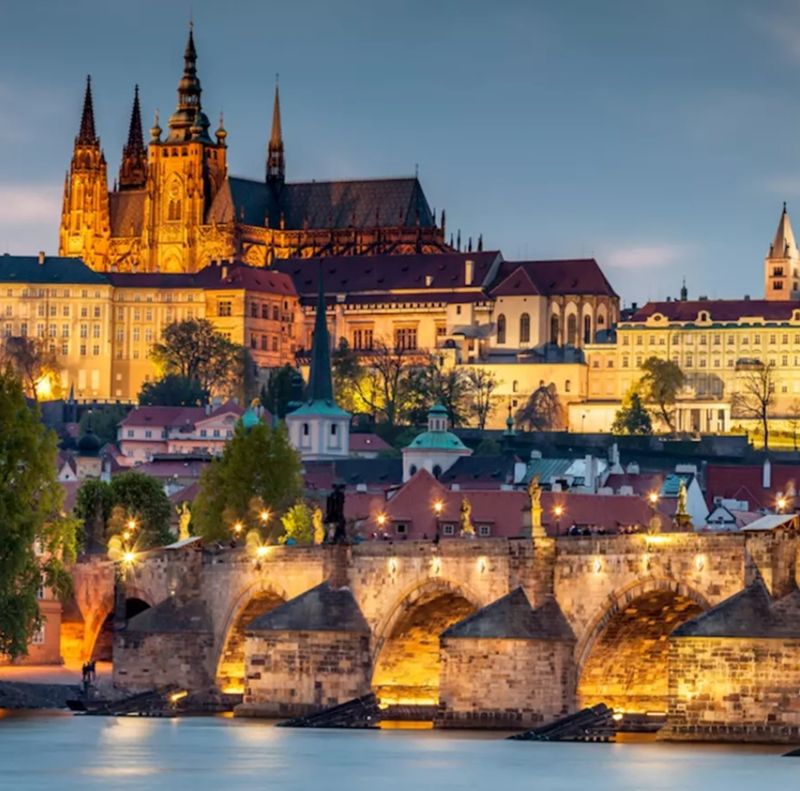
Prague Castle is one of the largest castle complexes in the world by area, and that scale catches many visitors off guard. Most people arrive expecting a single building and find instead an entire hilltop district with cathedrals, palaces, lanes, gardens, and museums spread across a large interconnected site.
Founded around 880, the complex developed across more than a thousand years of Czech political and religious history. St. Vitus Cathedral began its current Gothic form under Charles IV in 1344 but was not finally completed until 1929, making it a centuries-long project that spans multiple architectural eras.
Golden Lane adds a completely different atmosphere. The tiny, colorful houses lining the narrow lane were once occupied by castle workers and residents, and the contrast with the cathedral’s soaring Gothic interior makes the complex feel genuinely layered rather than uniform.
The castle grounds remain open daily, though individual buildings and exhibitions follow their own schedules. Temporary closures can occasionally affect specific areas, so checking current access details before visiting is worthwhile.
Share this story