Most people planning a European trip reach for the same shortlist: Paris, Rome, Santorini, Dubrovnik. But the Balkans have been quietly holding some of the continent’s most beautiful and historically rich destinations, and far fewer crowds tend to show up for them.
From a town built around a waterfall to a village where ancient rock towers dwarf everything around them, this region keeps delivering surprises. Whether you are planning a full Balkan road trip or looking for one destination worth adding to an existing itinerary, this list covers 19 places that genuinely earn their spot.
Each one offers something specific and real, not just a pretty photo, but a reason to actually go.
Perast, Montenegro
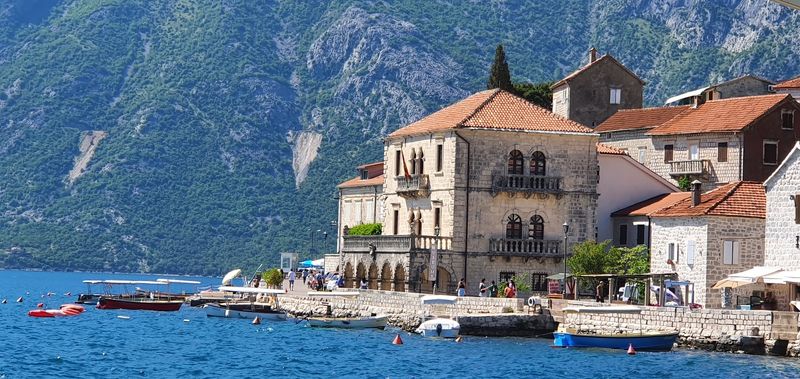
Perast sits along the Bay of Kotor like a place that forgot to modernize, and that is exactly what makes it worth the detour. Stone Baroque palaces and churches line a short waterfront stretch, while steep mountains rise almost vertically behind the rooftops.
The town is roughly 12 kilometers from Kotor, but the atmosphere shifts noticeably once you arrive. Boat rides to Our Lady of the Rocks, the small artificial island just offshore, are one of the classic experiences here.
The church on the island holds paintings, votive offerings, and a long tradition tied to local maritime families.
Perast is small enough to walk from end to end in about 20 minutes, which means most visitors slow down naturally. Montenegro’s national tourism organization continues to promote it as one of the country’s key cultural stops, and the town genuinely earns that recognition without trying too hard.
Blagaj, Bosnia and Herzegovina
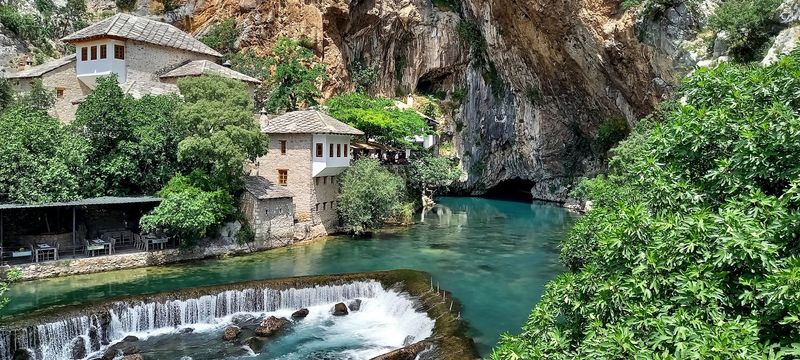
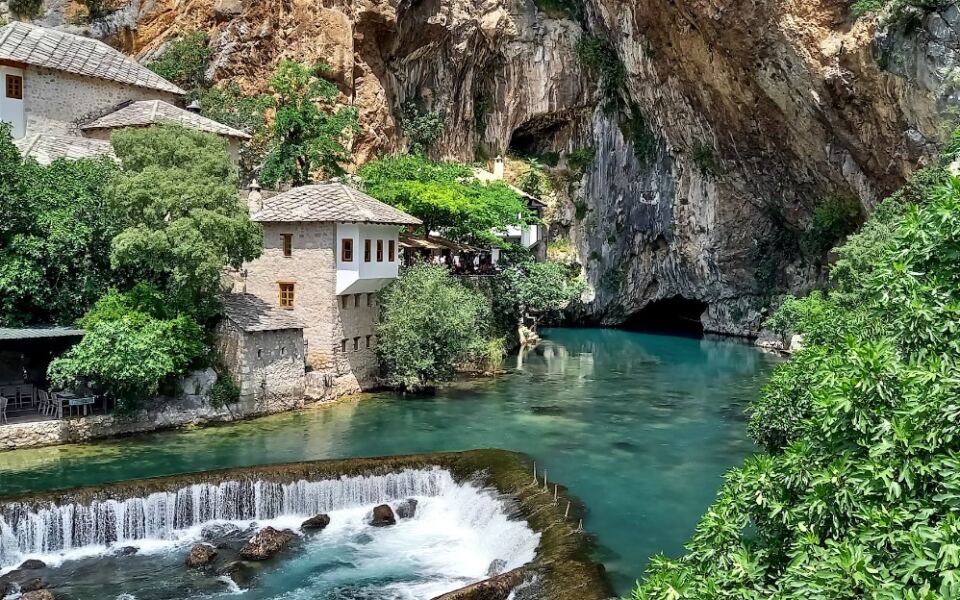
The Buna River does not gradually appear from somewhere upstream. At Blagaj, it bursts out from beneath a sheer limestone cliff, ice-cold and intensely turquoise, as if the mountain simply decided to release it all at once.
Right beside that spring stands Blagaj Tekke, a dervish complex connected to the early Ottoman period in this region. The combination of whitewashed architecture, the vertical cliff face, and the color of the water creates a setting that photography barely captures accurately.
Located just outside Mostar, Blagaj is easy to add to any itinerary built around Herzegovina. Restaurants and terrace seating follow the river, making it far more than a quick stop for photos.
Tourism sources confirm the tekke continues to receive visitors regularly, and Blagaj remains one of the most actively promoted destinations in the region. A visit here rewards anyone willing to look beyond Mostar’s famous bridge.
Jajce, Bosnia and Herzegovina
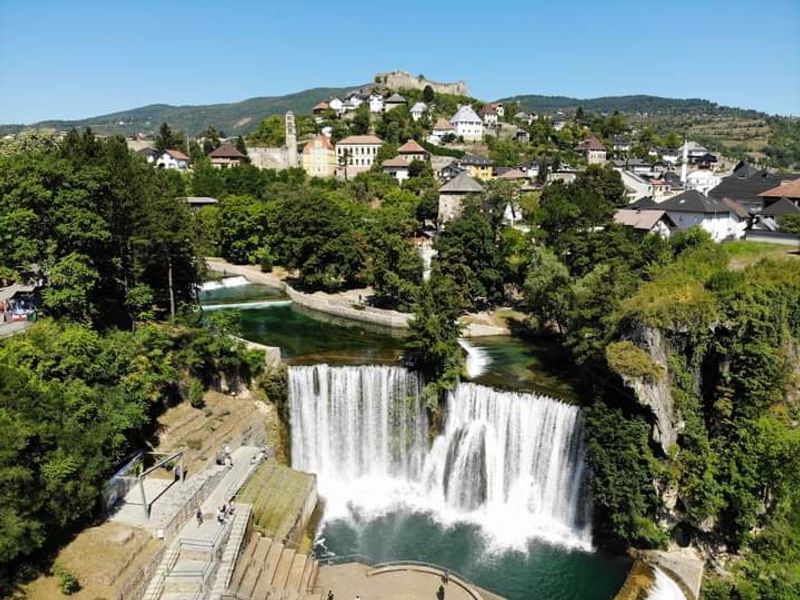
A medieval fortress, a waterfall almost inside the town limits, and a history stretching back to Bosnian kings make Jajce one of the most layered destinations in the country. The Pliva River drops into the Vrbas right at the edge of the old town, creating a landmark that feels almost too cinematic to be real.
Jajce served as the seat of medieval Bosnian rulers, which means the historical depth here goes far beyond the waterfall. Religious buildings, medieval remains, and monuments are scattered within walking distance of each other.
A few kilometers away, the Pliva Lakes and a cluster of traditional wooden watermills add another reason to stay longer than an afternoon. Bosnian tourism sources describe Jajce as one of the country’s most visited destinations and note its unusually high concentration of national monuments.
Treating it as an overnight stop rather than a drive-through makes a real difference in how much you actually see.
Škofja Loka, Slovenia
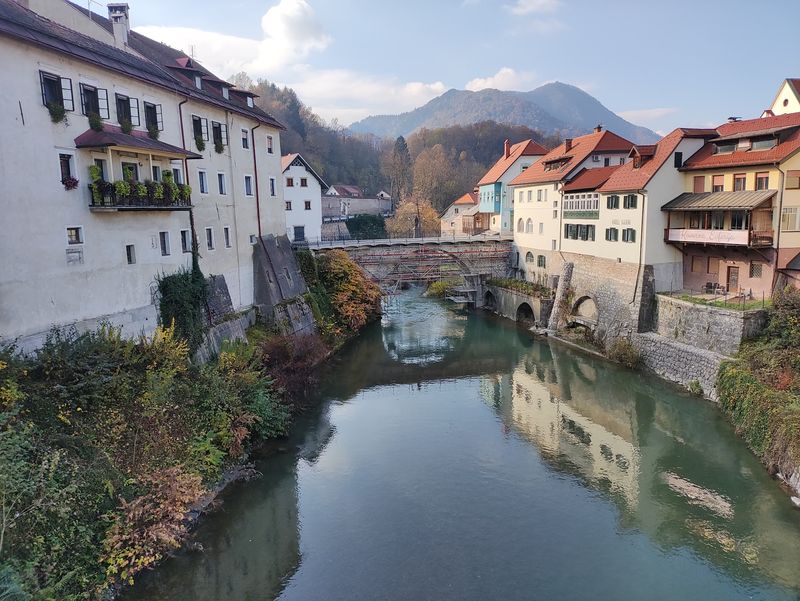
Travelers moving quickly between Ljubljana and Lake Bled often pass Škofja Loka without stopping, which works out well for those who do stop. The historic center is compact but genuinely rich, with colorful building facades, narrow streets, and a castle positioned above the old town that provides context for everything below.
The Stone Bridge, also known as the Capuchin Bridge, crossing the Selška Sora is considered one of the oldest surviving bridges of its type in Central Europe. Škofja Loka Castle houses the Loka Museum, turning the hilltop into more than just a viewpoint.
Slovenia’s official tourism board actively promotes the town and its cultural calendar, including its UNESCO-recognized Passion Play tradition, one of the oldest of its kind in the world. For travelers who appreciate medieval architecture and a town that functions as a real community rather than a tourist set, Škofja Loka fits that description well.
Motovun, Croatia
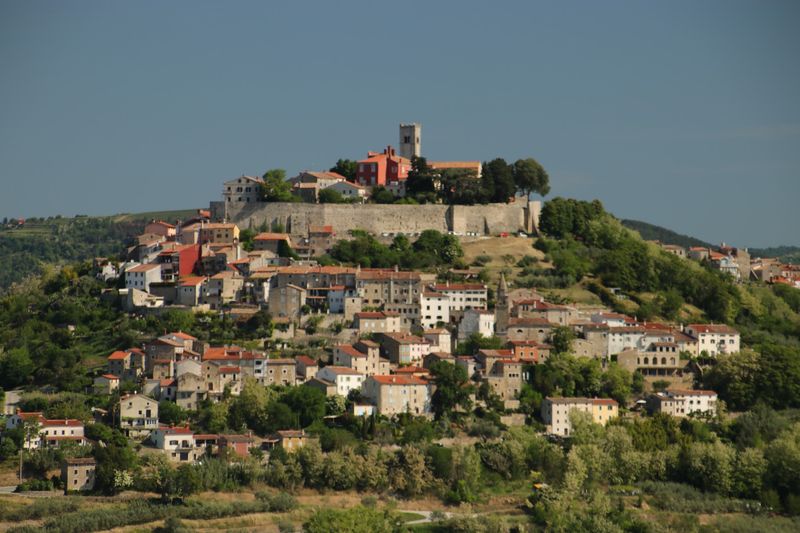
Motovun sits on a hill above the Mirna River valley in inland Istria, and the view from its medieval walls covers vineyards, forests, and farmland rolling toward the horizon. The comparison to Tuscan hill towns comes up often, and it is not entirely unfair, though Motovun has its own distinct character.
Stone lanes connect a compact historic center of old buildings, while the elevated walkway along the fortified walls provides some of the best panoramic views in the region. Morning light and late afternoon both work particularly well for the surrounding landscape.
Motovun’s surroundings are closely associated with Istrian truffles and local wine, making it a practical stop for travelers interested in food alongside architecture. The town hosts the annual Motovun Film Festival, which draws visitors from across the region each summer.
Regional tourism listings continue to promote it actively, and the combination of food, scenery, and history gives it more depth than a single afternoon can fully cover.
Rastoke, Croatia
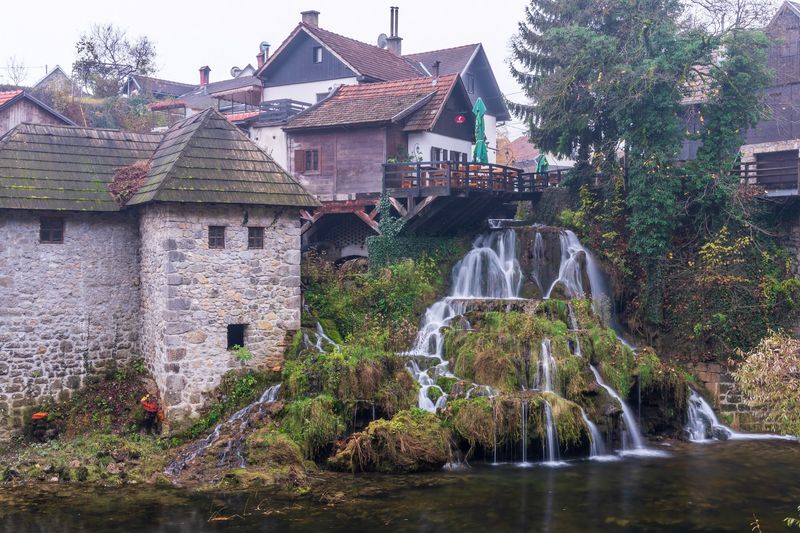
Rastoke is one of those places that requires a second look before it fully registers. Traditional houses and old watermills were built directly into the point where the Slunjčica River breaks into a series of cascades before meeting the Korana, meaning water flows between, beneath, and around the structures themselves.
The attraction here is the relationship between the village and water rather than one single dramatic feature. Visitors can walk through the settlement, cross wooden bridges, and stop at riverside terraces that sit practically at water level.
Located at Slunj, Rastoke works well as a quieter base near some of Croatia’s better-known inland attractions, including Plitvice Lakes National Park to the south. Tourism listings confirm that accommodation and visitor facilities continue to operate in the village, which has long held cultural and historical protection status.
For travelers who prefer discovering a place that rewards slow exploration, Rastoke genuinely delivers that kind of experience.
Gjirokastër, Albania
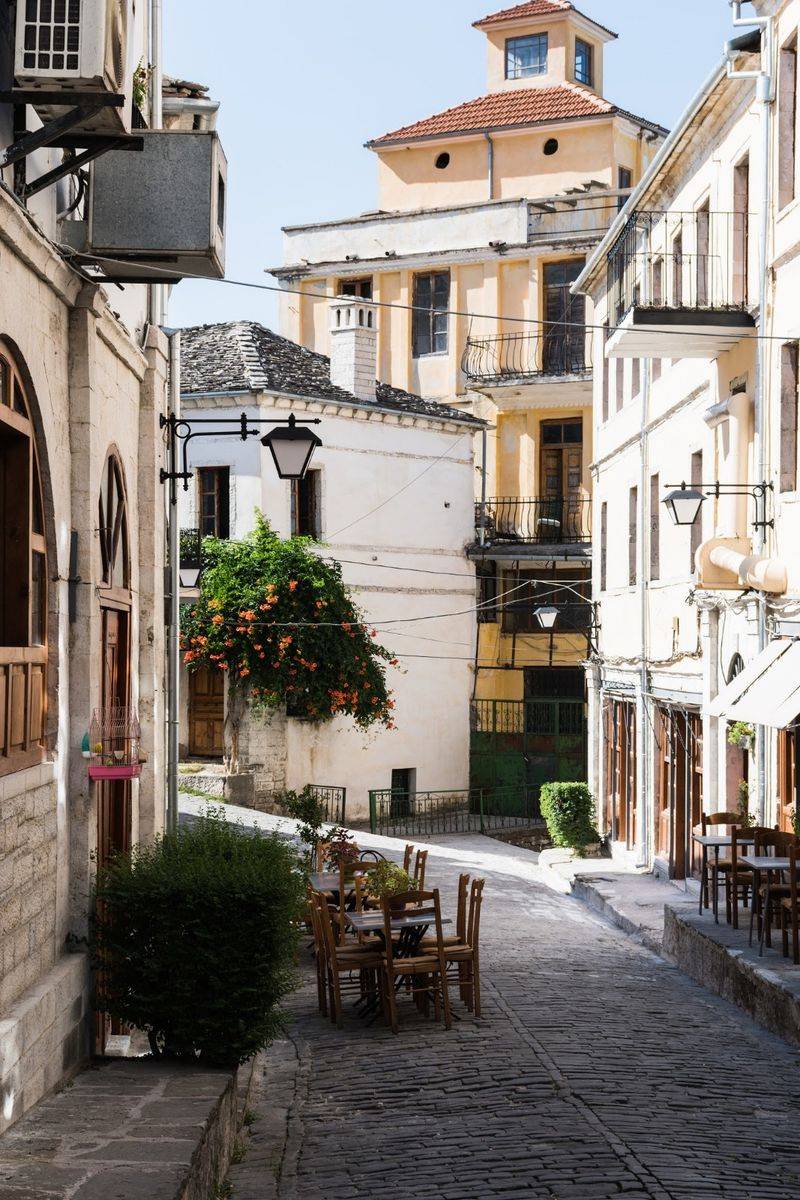
Grey stone roofs stacking up a steep hillside toward a massive fortress is the image most people carry away from Gjirokastër. The architecture here looks nothing like the pastel seaside towns many travelers associate with Albania, and that contrast is part of what makes the city so striking.
The historic center includes the old bazaar, cobbled lanes, mosques, and multi-story stone houses that wealthy Ottoman-era families built to project status and permanence. Together with Berat, Gjirokastër holds UNESCO World Heritage recognition for preserving exceptional examples of Ottoman-period Balkan urban architecture.
UNESCO was still actively working with Albania on conservation for the property as recently as 2026, confirming its status as a living heritage site rather than a relic. Gjirokastër also holds a connection to Enver Hoxha, Albania’s communist-era leader, who was born here, adding another layer to the city’s already complicated and fascinating history.
It rewards travelers who enjoy exploring on foot.
Berat, Albania
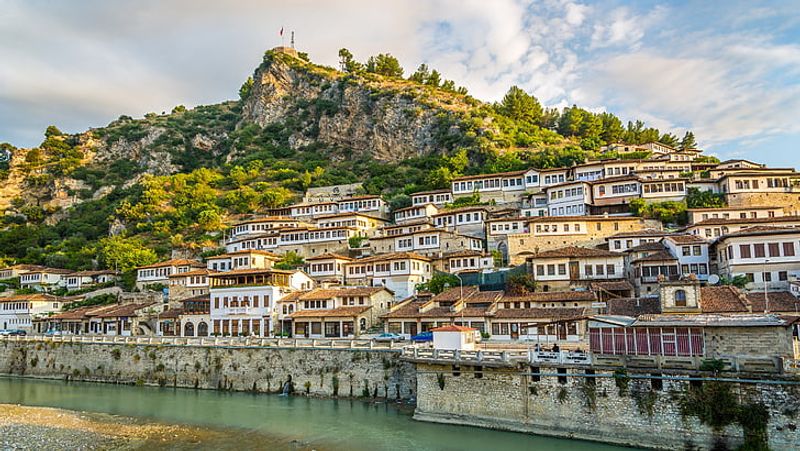
Berat earned its nickname “the city of a thousand windows” from the rows of white Ottoman houses climbing the hillside, each front facade dominated by large windows that give the buildings a distinctive rhythm when viewed from across the Osum River.
The appeal goes beyond that famous view. Inside the historic quarters, narrow lanes connect traditional homes, mosques, Orthodox churches, and the Kala citadel at the top of the hill.
Unlike many European fortifications that exist purely as monuments, Berat’s citadel developed as part of a living urban community, and people still live within its walls today.
UNESCO recognizes Berat alongside Gjirokastër for the remarkable preservation of their architecture and the long tradition of different religious and cultural communities sharing the same urban space. For travelers who enjoy walking through a city rather than just photographing it, Berat provides several hours of genuine exploration across its different historic neighborhoods and levels.
Mavrovo National Park, North Macedonia
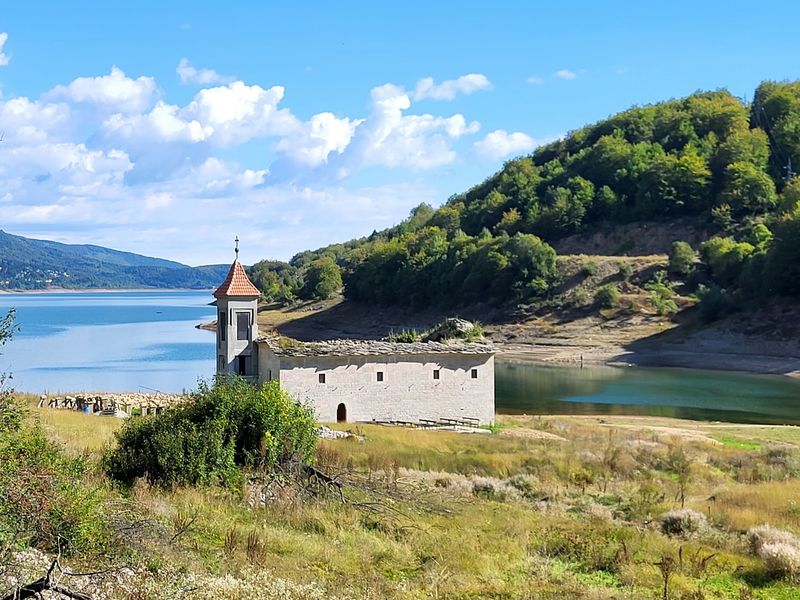
Mavrovo National Park covers a large stretch of western North Macedonia where mountains, forests, traditional villages, and a lake create a landscape that has almost nothing in common with the coastal Balkans. It is a completely different version of the region.
One of the most photographed landmarks is the Church of Saint Nicholas near Mavrovo Lake, whose relationship with the lake’s changing water levels has produced an unusual visual over the years, with portions of the structure visible above the waterline depending on the season. The surrounding mountains support hiking trails in warmer months and skiing once winter arrives.
North Macedonia’s official tourism site lists an operating visitor information center in Mavrovi Anovi and promotes caves, cultural events, and outdoor activities throughout the park. Spending several days here makes considerably more sense than rushing through.
The combination of outdoor options, traditional village architecture, and scenery makes Mavrovo one of the country’s most rewarding destinations for travelers who prefer nature over city breaks.
Kruševo, North Macedonia
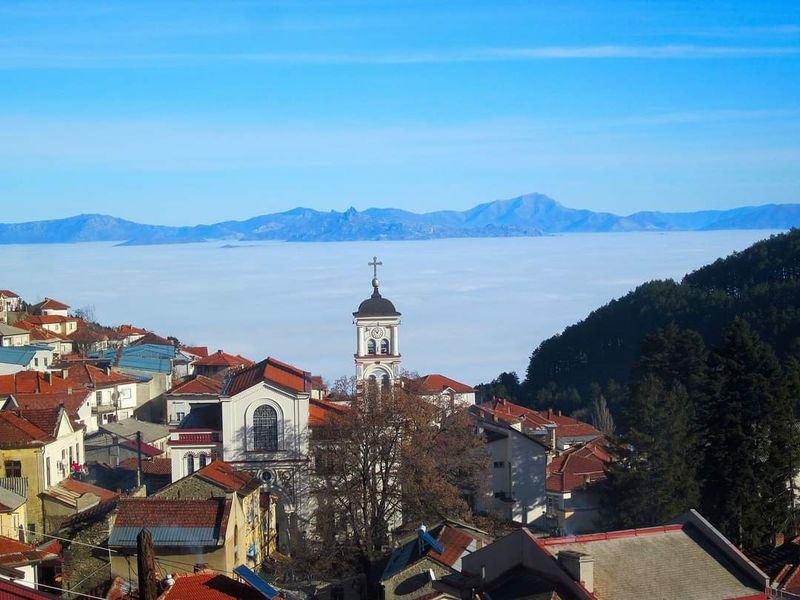
Kruševo sits high in the mountains of North Macedonia, and its elevation alone sets the tone. Traditional 19th-century houses fill steep streets, while the hills surrounding the town open up broad views across the surrounding countryside in multiple directions.
The most visually unusual landmark is the Makedonium, a futuristic monument commemorating the 1903 Ilinden Uprising and the short-lived Kruševo Republic. It looks like nothing else in the country and creates a striking contrast against the traditional architecture surrounding it.
Beyond history and architecture, Kruševo has developed a reputation among paragliders, with the town’s elevation and terrain making it a practical base for the sport. Current tourism resources promote the town for year-round trips covering hiking, winter activities, cultural attractions, and its distinctive urban character.
Few places in North Macedonia pack this much variety into one small mountain town, and the relatively low visitor numbers compared to more coastal destinations mean the experience stays genuinely relaxed.
Golubac, Serbia
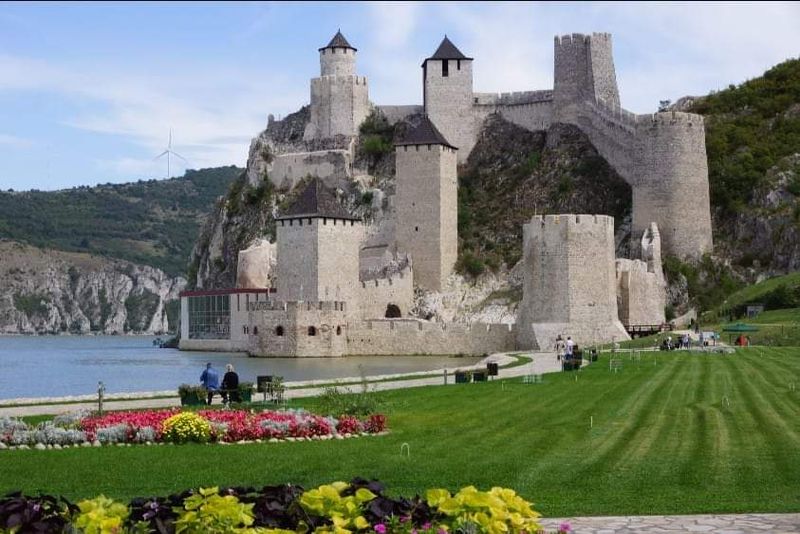
Standing beside the Danube at Golubac, the river feels more like an inland sea than a waterway. The sheer width of the water at this point is genuinely surprising, and the medieval fortress rising from the rocky bank at the entrance to the Đerdap Gorge adds a dramatic focal point to the scene.
Golubac Fortress dates largely from the 14th century and changed hands repeatedly between Serbian, Hungarian, and Ottoman rulers over the following centuries. The restored complex can be explored through designated visitor zones, with paths and viewpoints revealing the scale of the river below.
Serbia’s official tourism organization continues to promote both guided and independent visits to the fortress and provides current contact information. The site also sits along the Danube Cycling Route, making it accessible to travelers moving through the region by bike as well as by car.
For a medieval fortress with this much history and scenery, Golubac remains relatively uncrowded compared to similar sites elsewhere in Europe.
Sremski Karlovci, Serbia
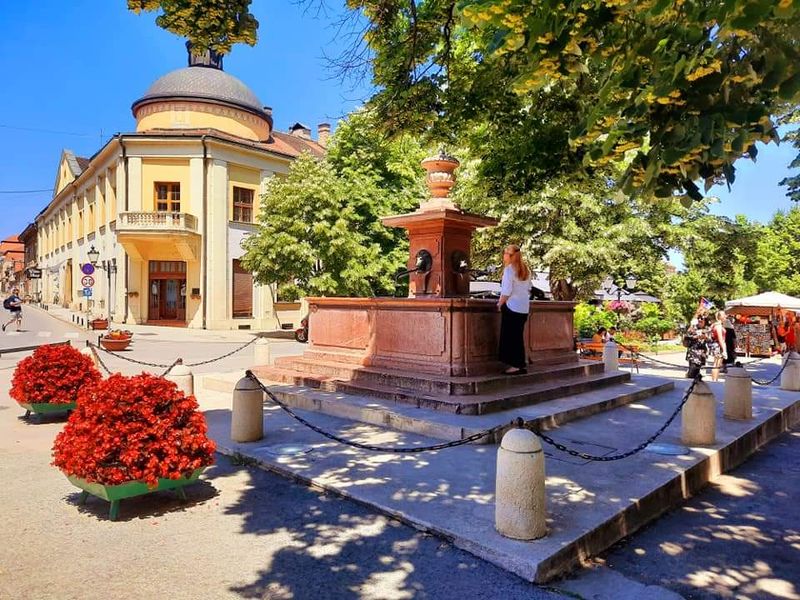
Sremski Karlovci sits close enough to Novi Sad to be treated as a day trip, but its identity is entirely its own. The town center contains elaborate religious and civic architecture from the 18th and 19th centuries, including the Patriarchate Court, the Cathedral of Saint Nicholas, and the Karlovci Gymnasium, one of Serbia’s oldest secondary schools.
Wine is equally central to the town’s character. Bermet, a distinctive local specialty with a long regional tradition, is the variety most closely associated with Sremski Karlovci and has been produced here for centuries.
Serbia’s tourism organization promotes the town’s wineries, museums, viewpoints, historic architecture, and annual grape harvest celebrations. The combination of food, wine, and Baroque architecture gives Sremski Karlovci a specific appeal that feels different from the larger Vojvodina cities nearby.
Compact enough for a comfortable afternoon, it also has enough to justify staying longer if the wine route and historic buildings are a priority for your trip.
Devil’s Town, Serbia
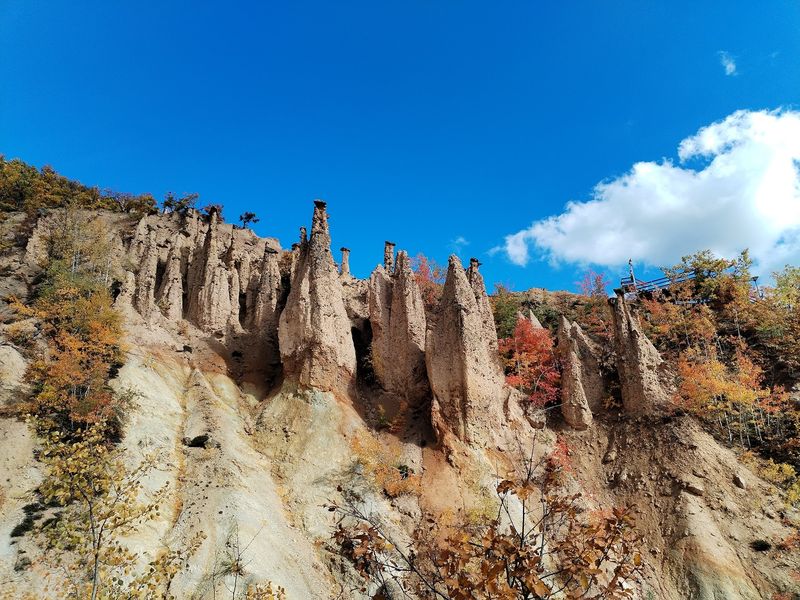
Southern Serbia contains one of the strangest landscapes in the entire Balkans, and it goes by a name that suits it well. Devil’s Town, known locally as Đavolja Varoš, is a protected natural monument containing more than 200 tall earthen pillars, each topped by a harder stone cap that slowed the erosion process and left them standing.
The formations were created through geological erosion over a very long period, though local legends have offered considerably more creative explanations involving weddings, curses, and petrified figures. A marked walking route leads visitors through the protected landscape toward viewpoints overlooking the pillars.
Mineral springs and the small Church of Saint Petka add further points of interest along the route. Serbia’s national tourism organization currently lists the site as an active visitor attraction and provides detailed access information.
For travelers who enjoy unusual natural landscapes, this one is specific enough and strange enough to genuinely stand apart from the standard travel circuit in this part of Europe.
Melnik, Bulgaria
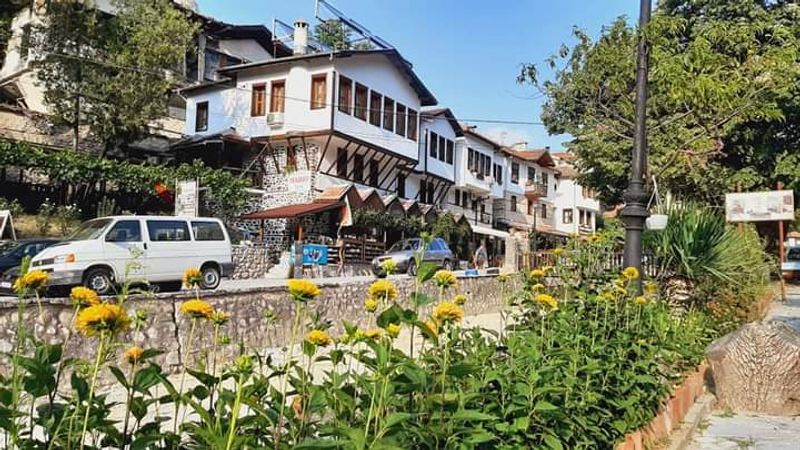
Melnik holds the distinction of being Bulgaria’s smallest town, but the landscape surrounding it makes the place feel anything but minor. The Melnik Pyramids tower above the settlement, shaped by erosion into a series of ridges, pinnacles, and steep sandy cliffs that frame the traditional houses and wine cellars below.
Wine production here has a centuries-old tradition, and the area’s cellars carved into the soft rock formations are part of what makes Melnik distinct from other small Bulgarian towns. Nearby Rozhen Monastery is an easy addition to a visit and adds a cultural and architectural dimension to the surrounding area.
Bulgaria’s Ministry of Tourism lists the Melnik Historical Museum as open year-round and identifies hotels, restaurants, and a tourist information center among the local infrastructure. The Melnik Pyramids are freely accessible year-round, making this one of the more practical unusual landscapes to work into a road trip through southwestern Bulgaria.
The combination of geology, wine, and architecture earns its place on this list.
Koprivshtitsa, Bulgaria
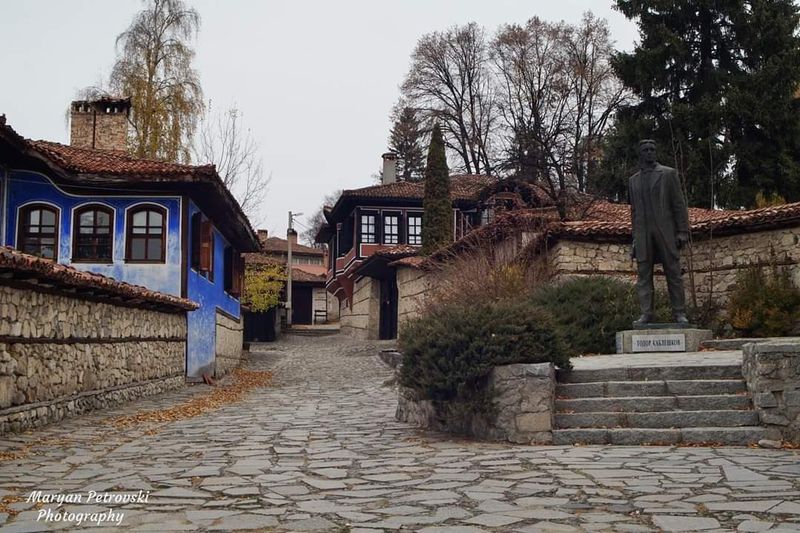
Koprivshtitsa functions less like a single monument and more like an entire architectural time capsule. Brightly painted houses with wooden balconies and decorative facades line cobbled streets, preserving one of Bulgaria’s best examples of National Revival-era design in a town that still feels lived-in rather than staged.
Several historic homes have been converted into house-museums devoted to writers, revolutionaries, and figures connected to Bulgaria’s 19th-century independence movement. The Bulgarian Ministry of Tourism describes Koprivshtitsa as an architectural and historical reserve containing hundreds of protected monuments.
The reserve is open throughout the year, though individual museums maintain weekly closing days, so checking schedules before visiting is practical. Accommodation, restaurants, and guided visits remain available.
For travelers who want to understand Bulgaria’s cultural and political history through architecture and place rather than textbooks, Koprivshtitsa provides that context in a setting that is genuinely attractive to walk through. It is a strong alternative to Bulgaria’s larger and more crowded urban destinations.
Belogradchik, Bulgaria
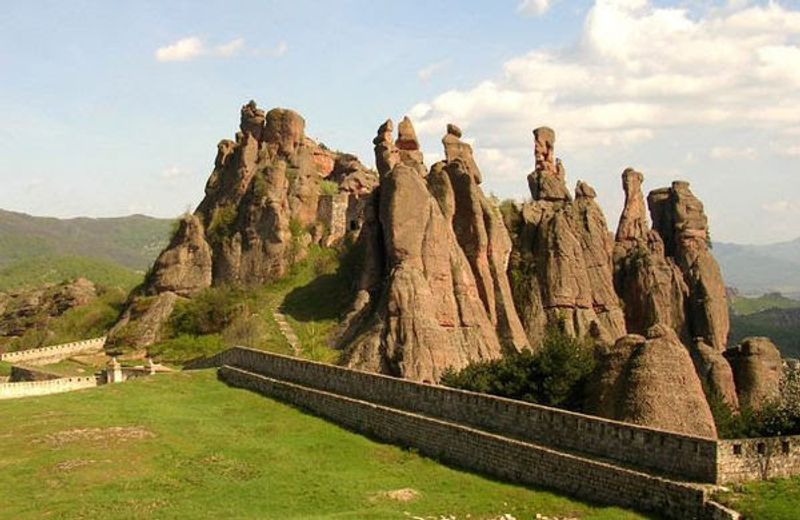
Northwestern Bulgaria does not always make the top of travel lists for the country, but Belogradchik changes that calculation. Red and rust-colored rock towers rise around the town, some reaching remarkable heights and taking on shapes that have inspired generations of local names and legends about giants, monks, and petrified figures.
Built directly into this landscape is Belogradchik Fortress, where the natural cliffs were incorporated into the defensive design rather than simply built around. Different phases of construction span Roman, medieval, and Ottoman periods, giving the fortress an unusually long and layered history.
Visitors can climb through the fortifications for views across the rock formations and surrounding Balkan Mountains. Bulgaria’s Ministry of Tourism currently lists visitor services, road access, parking, restaurants, and an operating tourism information center in town.
The fortress remains open to tourists, and the combination of natural landscape and built heritage creates a destination that is both visually dramatic and historically substantive. Few places in Bulgaria offer this particular combination.
Sighișoara, Romania
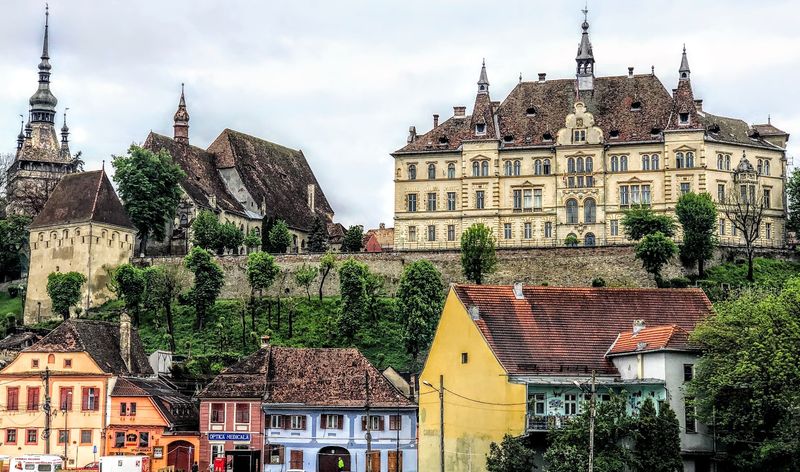
Sighișoara’s historic center sits on a raised plateau above the lower town, surrounded by defensive towers and walls that Transylvanian Saxon craftsmen and merchants developed into one of Central Europe’s most complete surviving medieval fortifications. The scale is smaller than Prague or Bruges, and that is precisely part of its appeal.
Towers, fortified walls, narrow lanes, steep covered stairways, and colorful historic houses fill the elevated citadel. Unlike many medieval sites that exist primarily as outdoor museums, Sighișoara remained a functioning residential town throughout its history, and people continue to live within the fortified area today.
UNESCO has listed the historic center as a World Heritage Site since 1999, recognizing it as an unusually well-preserved example of a small fortified medieval settlement in this part of Europe. The Clock Tower, which dates to the 14th century, houses a history museum and provides one of the best viewpoints across the citadel rooftops and surrounding Transylvanian landscape.
A visit here moves at its own natural pace.
Rimetea, Romania
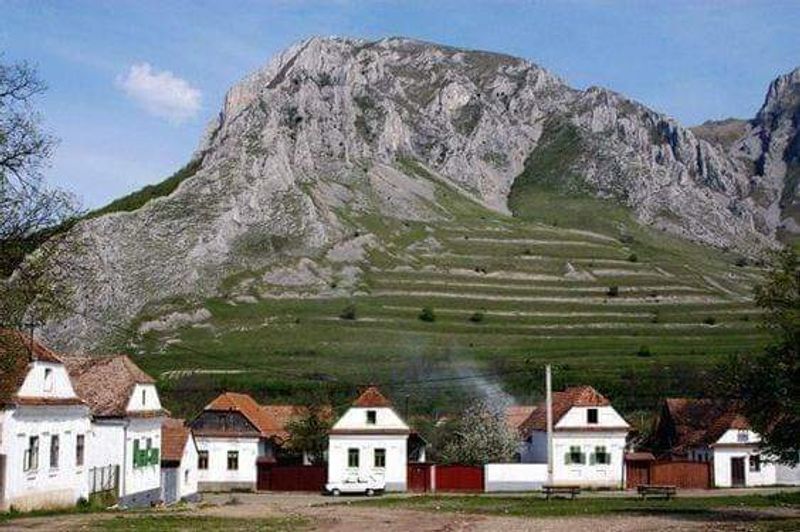
Piatra Secuiului mountain rises so steeply above Rimetea that the peak seems to lean over the village rather than simply stand behind it. The visual contrast between the low, white-painted traditional houses and the dramatic limestone ridge above them is one of the more striking natural framings of any village in Transylvania.
The village is known for an unusual summer phenomenon connected to the mountain’s shape, where the sun can appear to rise, disappear momentarily behind the ridge, and then emerge again. Whether or not that is the reason for a visit, the surrounding terrain in the Trascău region makes Rimetea a strong base for hiking.
The municipality maintains active visitor information covering the village’s traditional houses, an ethnographic museum, and the nearby Colțești fortress. Rimetea’s preserved streets and architecture are genuinely worth a slow wander before or after any time spent on the trails.
It is a village that earns attention through its setting and detail rather than one single attraction.
Cetinje, Montenegro
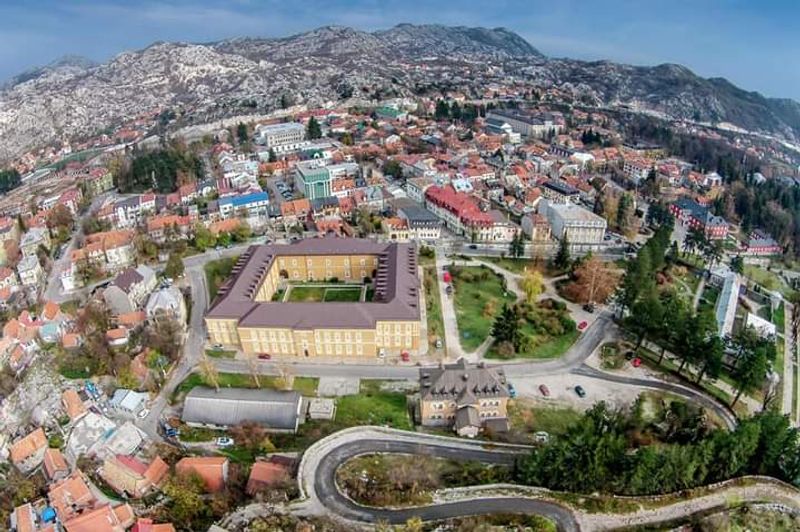
Montenegro’s beaches draw the crowds, and Cetinje quietly gets on with being one of the most historically layered towns in the entire country. The former royal capital sits at the foot of Mount Lovćen, surrounded by palaces, museums, diplomatic buildings, and monasteries that together tell the story of a small nation that punched well above its weight for centuries.
King Nikola’s Palace and the Biljarda are among the landmarks associated with Montenegro’s former rulers. Several museums cover the country’s cultural and political history in detail, making Cetinje a genuinely substantive stop for travelers interested in the region’s past rather than just its scenery.
Cetinje also works well as a base for trips toward Lovćen National Park, Lipa Cave, and the landscapes around Skadar Lake, adding outdoor options to an already strong cultural itinerary. Montenegro’s official tourism organization promotes Cetinje as a year-round destination with an active museum and outdoor tourism scene.
For the depth of what it offers, Cetinje remains surprisingly undervisited.
Share this story