The Balkans have a way of surprising even seasoned travelers. While most people picture cobblestone old towns and Adriatic beaches, the region is quietly home to some of Europe’s most spectacular protected landscapes.
From wild rivers cutting through limestone canyons to ancient forests and wetlands packed with rare birds, these nature parks offer scenery that is genuinely hard to find anywhere else on the continent. Whether you are planning a dedicated outdoor trip or just looking to add something unexpected to a Balkan road journey, this list covers 19 parks worth building an itinerary around.
Each one offers a different kind of beauty, and more than a few will have you wondering why you did not hear about them sooner.
Una National Park, Bosnia and Herzegovina
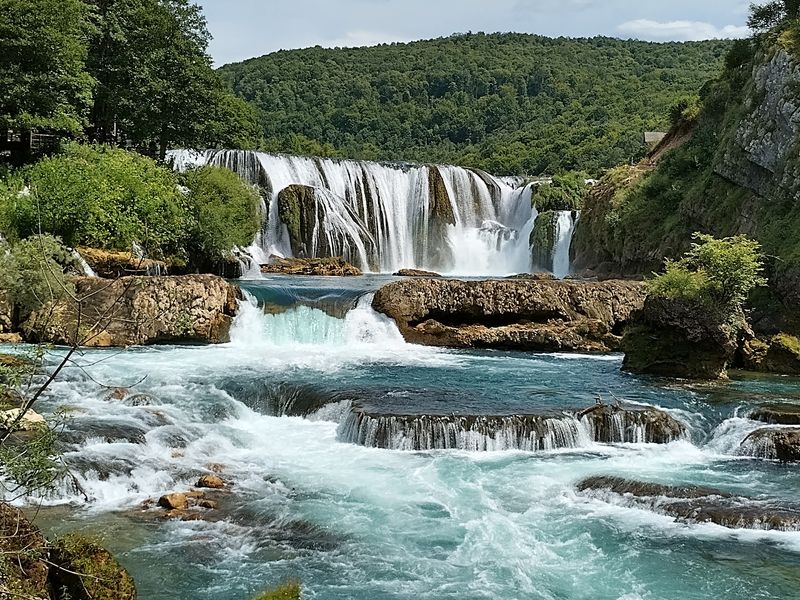
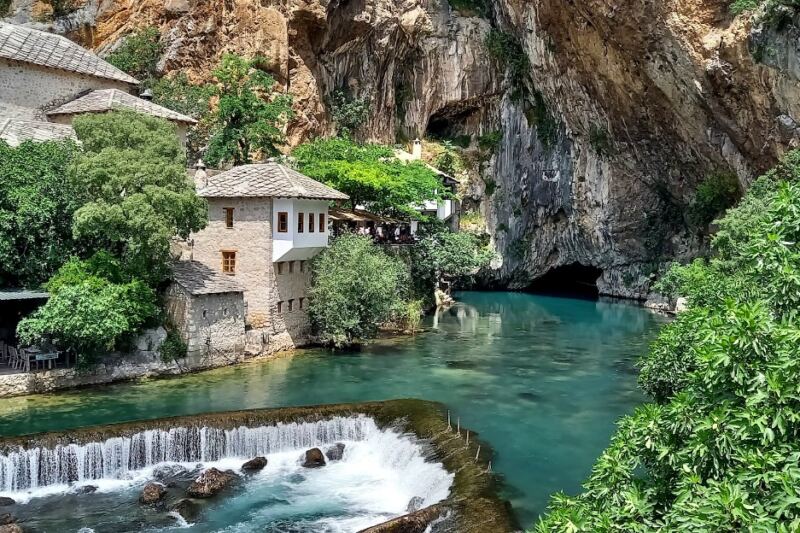
Few rivers in the Balkans can match the visual drama of the Una, where turquoise water races over a series of rapids and waterfalls that look almost too vivid to be real. Štrbački Buk is the park’s most celebrated cascade, but the falls around Martin Brod are equally worth the detour. Forested banks and small riverside settlements keep the surroundings feeling refreshingly unpolished.
The Una is not just a backdrop. Rafting, kayaking and canoeing operate on designated stretches, giving active travelers a way to experience the river from the inside rather than just admiring it from a bridge.
Walking routes also wind through the landscape for anyone who prefers a slower pace.
The park’s visitor information covers permitted water activities and entry zones, confirming that tourism is fully operational. If you are crossing Bosnia and Herzegovina and want one nature stop that delivers immediately, the Una is a strong candidate.
Sutjeska National Park, Bosnia and Herzegovina
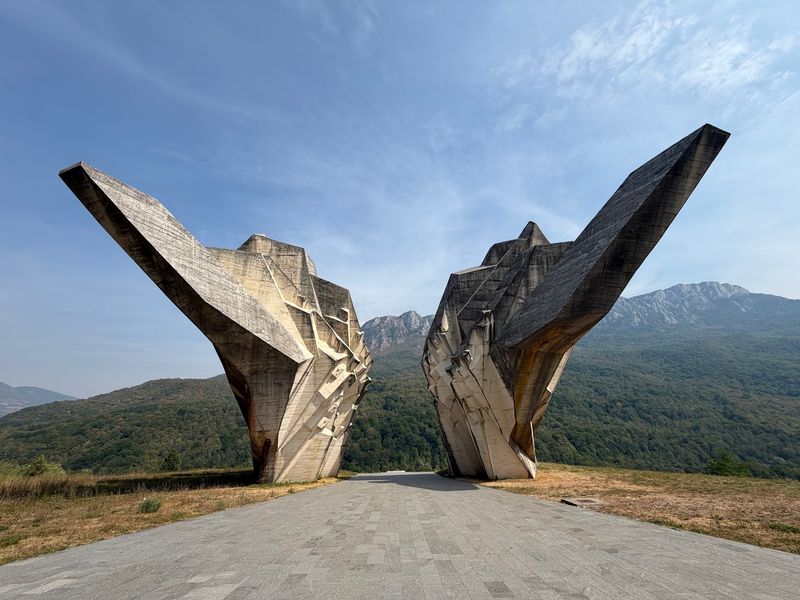
Sutjeska is the kind of park that makes you stop and recalibrate your expectations of what a protected area in the Balkans can actually contain. Bosnia and Herzegovina’s highest mountain, Maglić, anchors the park’s skyline, while the old-growth Perućica forest below is one of the rare remaining examples of virgin woodland in Europe.
Add the Sutjeska canyon and a scattering of glacial lakes across Zelengora and you have a single park with more variety than many entire countries.
Dragoš Sedlo is the viewpoint most visitors remember longest, offering sweeping views across the forest toward Skakavac Waterfall. Prijevor serves as a popular base for mountain approaches and broader scenic exploration.
Sutjeska is actively managed, with a new conservation plan covering 2026 through 2036. Regional tourism organizations continue promoting its viewpoints and trails, so access remains well supported for travelers heading into this corner of Bosnia and Herzegovina.
Blidinje Nature Park, Bosnia and Herzegovina
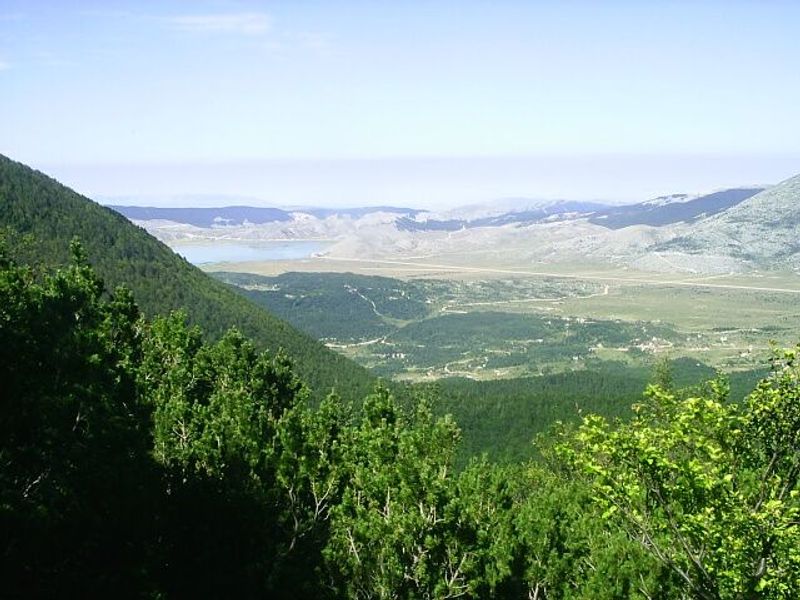
Sitting between the Čvrsnica and Vrana mountain ranges, Blidinje has the kind of highland atmosphere that typically draws comparisons to far more famous mountain destinations in central Europe. Blidinje Lake spreads across the plateau at altitude, while limestone peaks rise above forests dense with the distinctive Bosnian pine, a tree closely tied to the identity of this region.
More than 200 kilometers of trails give hikers serious options, with Hajdučka Vrata among the best-known natural formations in the park. Beyond hiking, visitors can cycle, canoe and stay in mountain lodges, and winter recreation adds another layer of appeal when snow arrives.
Blidinje’s visitor organization publishes an active calendar that for 2026 includes trail races, biking events and a winter festival. That level of programming means the park functions as a genuine activity destination rather than simply a scenic area on a map.
It rewards travelers who are willing to go a little off the standard Balkan circuit.
Hutovo Blato Nature Park, Bosnia and Herzegovina
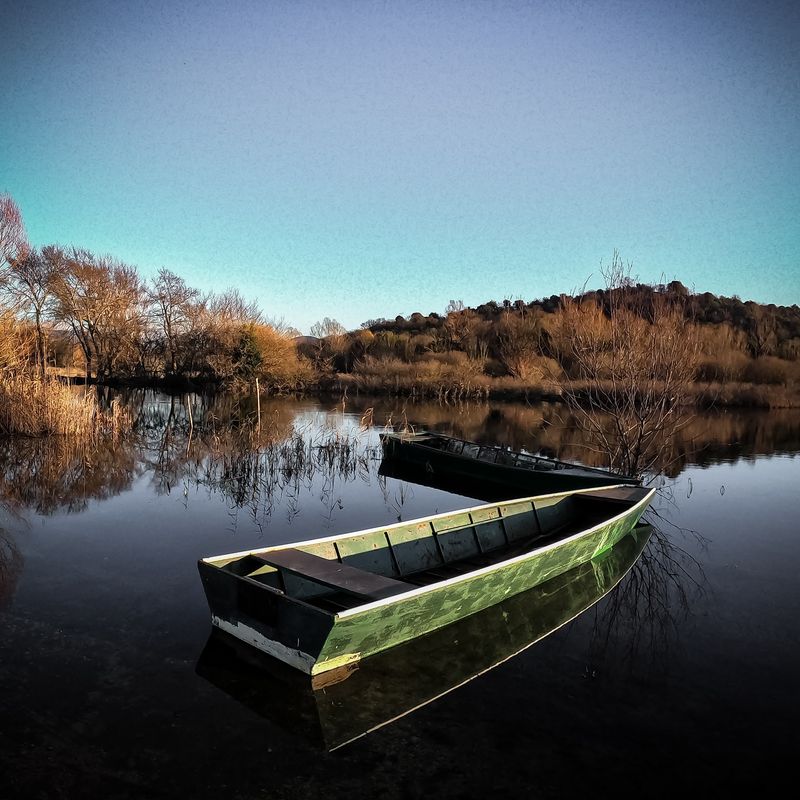
Hutovo Blato is the Balkans at its most unexpected. Instead of the mountain peaks and canyon scenery that define much of the region, this park in southern Herzegovina offers lakes, reeds, open channels and a wetland landscape recognized internationally as a Ramsar site.
Its ecological importance for birdlife is well established, and it functions as a genuinely significant habitat rather than simply a scenic detour.
Boat trips are the most rewarding way to explore the park, moving through dense vegetation at water level where birdwatching opportunities are frequent and varied. Educational trails and an interpretation center round out the visitor experience on land.
The park’s official 2026 visitor price list confirms that boat departures run every day at 11:00, 13:00, 15:00 and 17:00, making it straightforward to plan a visit around a specific departure. For travelers crossing Herzegovina who want a contrast to the region’s limestone highlands, Hutovo Blato delivers something genuinely different.
Biogradska Gora National Park, Montenegro
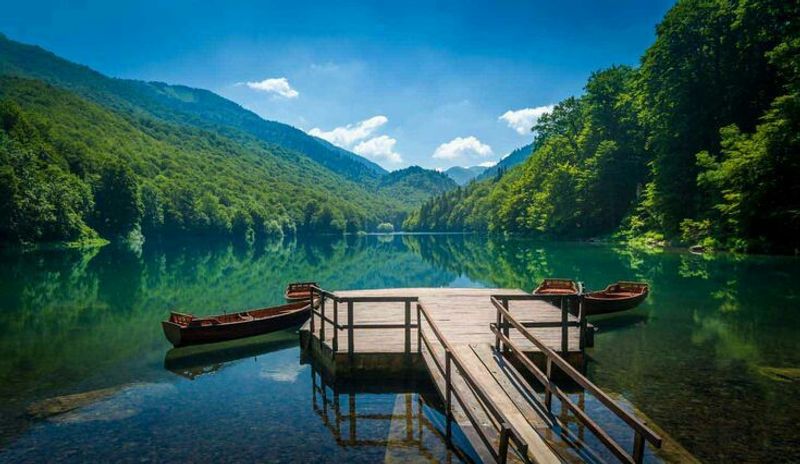
Montenegro’s coastline tends to dominate travel conversations about the country, which means Biogradska Gora consistently gets less attention than it deserves. Biogradsko Lake sits at the park’s center, ringed by dense mountain forest and backed by the peaks of the Bjelasica massif.
The combination is quietly spectacular in a way that photographs struggle to fully capture.
Beyond the lake, the park protects one of Europe’s notable old-growth forest landscapes alongside mountain meadows and glacial lakes spread through the higher terrain. Travelers who prefer forest walks and mountain calm over resort towns and organized beach days will find Biogradska Gora much more rewarding.
Montenegro reported continued growth in visits to the park during 2026, and the national tourism organization continues to list Biogradska Gora among the country’s primary protected nature destinations. For anyone building a Montenegro itinerary that reaches beyond the coastal strip, this park is a natural and straightforward addition.
Prokletije National Park, Montenegro
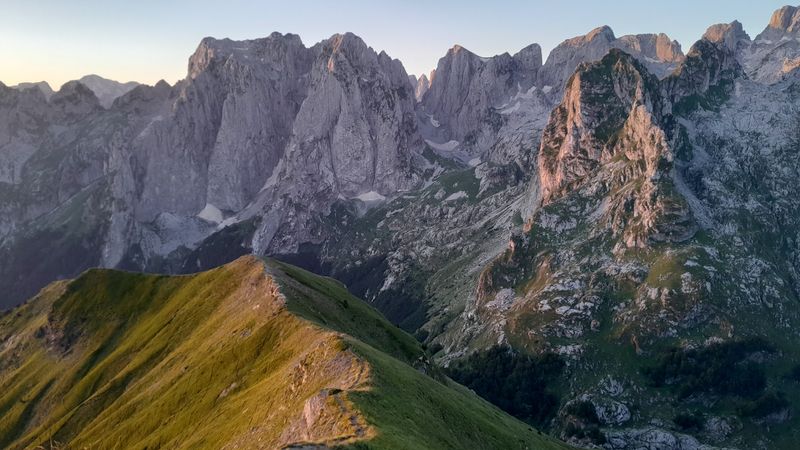
The name translates roughly as the Accursed Mountains, which sets the tone accurately. Prokletije is one of the most visually dramatic corners of Montenegro, where sharp limestone peaks, narrow valleys and glacial landscapes create a landscape that looks almost deliberately forbidding.
Mountain streams cut through the terrain, adding movement to scenery that already has plenty of character.
Experienced hikers will find serious routes here, but the valleys also offer shorter excursions that bring visitors into the scenery without requiring major technical climbs. The park feels noticeably wilder than Montenegro’s heavily visited coastal destinations, which is part of its appeal for travelers who have already done the standard circuit.
Visitor numbers increased substantially during the first part of the 2026 season, confirming that Prokletije is increasingly on travelers’ radar without yet feeling crowded. If you want rugged mountain scenery in Montenegro without the infrastructure that surrounds more established parks, this is where to look.
Piva Nature Park, Montenegro
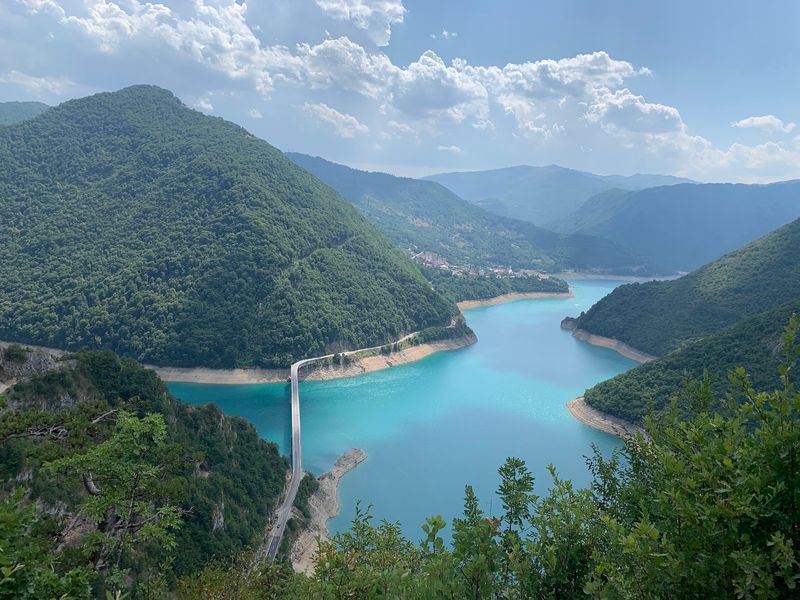
Piva tends to live in Durmitor’s shadow, and that is genuinely good news for anyone who finds it. The park around Plužine combines deep canyons, striking mountain terrain, Piva Lake and three rivers, including the Tara, Piva and Komarnica, into an outdoor landscape that offers far more than most visitors expect from a park that rarely appears on shortlists.
Rafting is the headline attraction, but the activity options extend well beyond that. Hiking, cycling, kayaking and exploration of mountain lakes such as Trnovačko and Stabanska give travelers multiple reasons to stay more than a single day.
The park’s official site promotes accommodation, active holidays and visitor routes, while Montenegro’s tourism authority includes Piva among the country’s recognized protected areas. For travelers who want dramatic scenery without building an entire trip around Montenegro’s most famous parks, Piva is exactly the kind of discovery that makes a road trip feel worthwhile.
Uvac Special Nature Reserve, Serbia
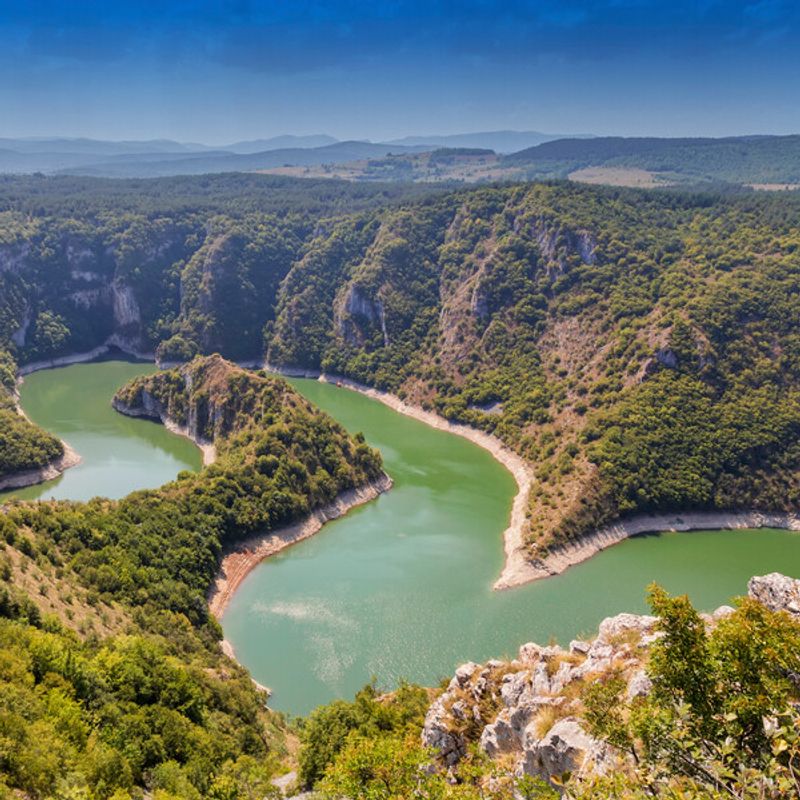
From above, Uvac’s river meanders look like something a cartographer invented for dramatic effect. The Una curves repeatedly between steep limestone walls in southwestern Serbia, producing a series of horseshoe bends that barely seem natural until you are standing at one of the elevated viewpoints looking directly down at them.
Few landscapes in the western Balkans create quite this level of visual impact.
The reserve also carries serious conservation credentials. Serbia’s largest breeding colony of griffon vultures uses this area, and the Ušac cave system extends through the limestone beneath the meanders.
These details make Uvac worth visiting for reasons beyond photography alone.
The reserve operates under a management plan running from 2025 through 2034, and its official site continues to publish visitor and guide information. For photographers, birdwatchers and anyone drawn to canyon landscapes, Uvac is one of Serbia’s most compelling nature destinations and a genuine reason to route a trip through this part of the country.
Djerdap National Park, Serbia
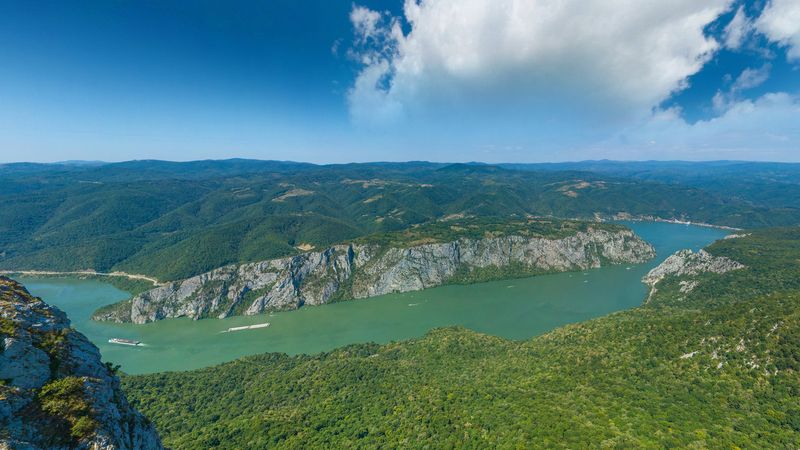
Djerdap stretches along the Danube beside Romania, combining one of Europe’s most dramatic river gorges with forested mountains and a layered archaeological history that goes back thousands of years. The Djerdap Gorge, known internationally as the Iron Gates, is the park’s defining feature, and the scale of the cliffs above the Danube is genuinely impressive from any of the maintained overlooks.
Several hiking trails lead to viewpoints above the river, including routes around Mali Štrbac and Veliki Štrbac. Because some paths pass through stricter conservation zones, the park requires organized or controlled visits on certain trails rather than open-ended independent hiking.
Checking park guidance before arrival is worth the effort, but visitor access overall remains active and well documented.
The official site provides current trail descriptions, tourism information and visitor rules. Djerdap works particularly well as part of a longer Danube route or a combined Serbia-Romania itinerary that takes the river seriously as a travel axis.
Kopački Rit Nature Park, Croatia
Most people think of Croatia as a country of islands, clear water and coastal towns. Kopački Rit sits at the opposite end of that image entirely.
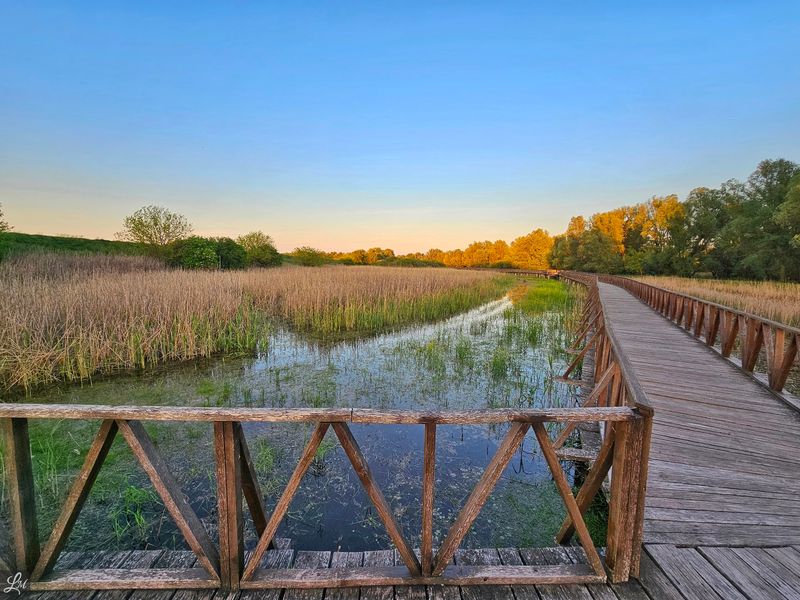
Near the confluence of the Danube and Drava rivers in eastern Croatia, this nature park protects a vast wetland of floodplain forests, reed beds and waterways that feels completely separate from the country’s coastal reputation.
Birdwatching is a primary reason to visit, with the wetland supporting a wide range of species through different seasons. Exploring by boat gives travelers a better sense of the park’s scale and the complexity of its water channels than any land-based route can provide.
Croatia’s park authority has published a current 2026 price list covering entrance tickets, boat tours and winter visits, confirming that the visitor program is fully operational year-round. For anyone crossing eastern Croatia, Kopački Rit is a compelling detour that rewards curiosity about a very different side of the country.
Velebit Nature Park, Croatia
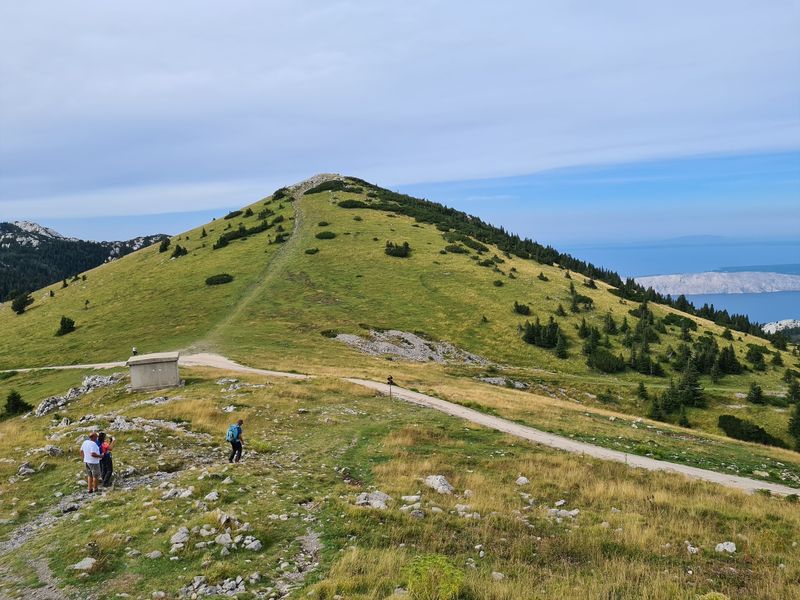
Velebit is Croatia’s largest mountain range, and the nature park that protects it covers a landscape that shifts dramatically between the Adriatic coast and a rugged limestone interior. The transition happens over a relatively short distance, creating an abrupt contrast between the sea view and the rocky, forested terrain above.
That contrast is one of the most visually striking things about the area.
Zavratnica Cove is one of the park’s most memorable specific sites, where steep cliffs descend to clear Adriatic water in a setting that looks nothing like the country’s more crowded coastal spots. The Cerovac Caves offer a completely different kind of experience underground, adding variety to an already diverse park.
Both attractions feature in the park’s current visitor pricing and tourism information. Velebit is especially worth considering for travelers who want to combine Croatia’s coastline with something wilder and significantly less focused on beach infrastructure and resort amenities.
Papuk Nature Park, Croatia
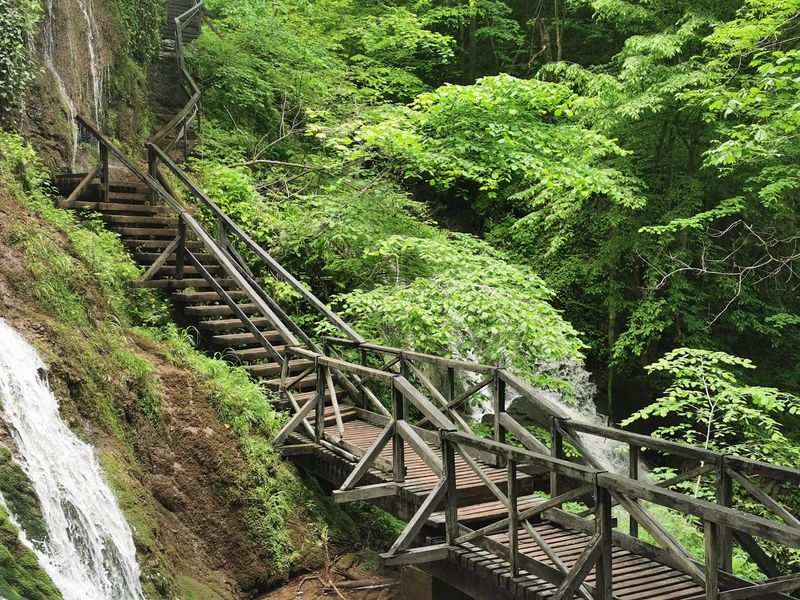
Croatia’s interior rarely gets the attention it deserves, and Papuk is one of the clearest arguments for changing that. Forest-covered hills, waterfalls, distinctive geological formations and historic sites spread across a landscape that holds UNESCO Global Geopark recognition, which means the geology here is considered significant enough to matter on an international scale.
Jankovac Forest Park is one of the most accessible starting points within the nature park, offering trails and scenery without requiring long planning. Educational trails and visitor centers explain the geological history of the region in a way that adds context to the landscape rather than overwhelming it.
Papuk’s official visitor information confirms that the nature park is open every day of the year, with separate operating schedules for facilities including Jankovac, the Geo Info Center and the Duboka Adventure Park. For travelers passing through Slavonia who assumed the region was purely agricultural, Papuk is a straightforward correction to that assumption.
Notranjska Regional Park, Slovenia
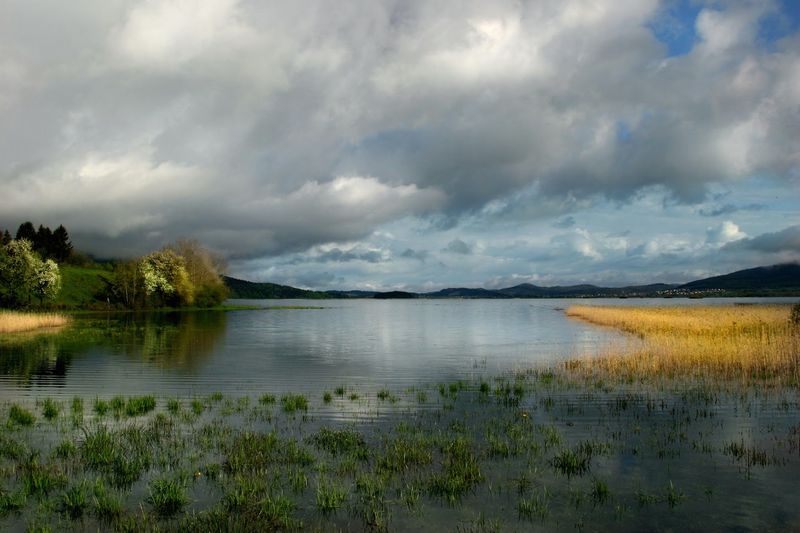
Lake Cerknica does something most lakes do not. It appears and disappears.
The intermittent lake spreads across the karst landscape when water levels are high, then drains away in drier periods to reveal open grassland below. That cycle makes Notranjska Regional Park one of the more genuinely unusual natural areas in Slovenia, and it means repeat visits can look completely different from one another.
Trails from the lake reach into surrounding forests, hills and the Rakov Škocjan area, giving visitors more to explore beyond the lake itself. The park introduced an expanded tourism program for 2026, with regular guided tours and organized experiences running through much of the year.
Hiking events were scheduled for both spring and autumn, confirming an active visitor calendar. For travelers who tend to prioritize Slovenia’s more famous karst sites, Notranjska offers a quieter and equally fascinating alternative that fits naturally into a longer route through the country’s interior.
Logar Valley Landscape Park, Slovenia
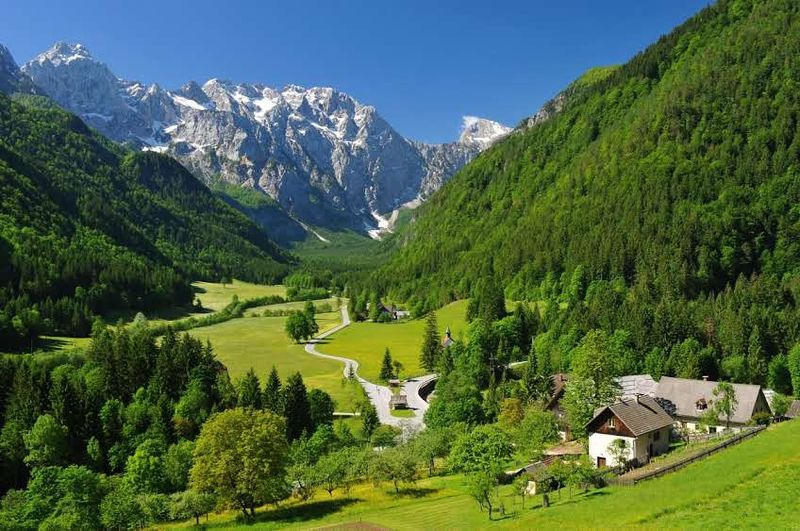
The Logar Valley cuts deep into the Kamnik-Savinja Alps, enclosed by mountains that rise above 2,000 meters on multiple sides. Meadows and traditional farmsteads fill the lower valley floor, while forests and rocky peaks take over as the terrain climbs.
The combination of human-scale pastoral scenery and dramatic alpine backdrop is what makes this place so immediately appealing to visitors.
A maintained walking route crosses the valley toward Rinka Waterfall, giving travelers a clear and rewarding objective without requiring serious alpine experience. Mountain trails continue toward huts and higher terrain for those who want to go further.
One practical note for late-season travelers: the Logar Valley tourist information center closed for the 2026 season on September 24, but the landscape park and its walking routes remain accessible as a visitor destination. Anyone arriving after that date should plan independently rather than relying on in-person information services.
The scenery is fully present regardless of the calendar.
Theth, Albanian Alps National Park, Albania
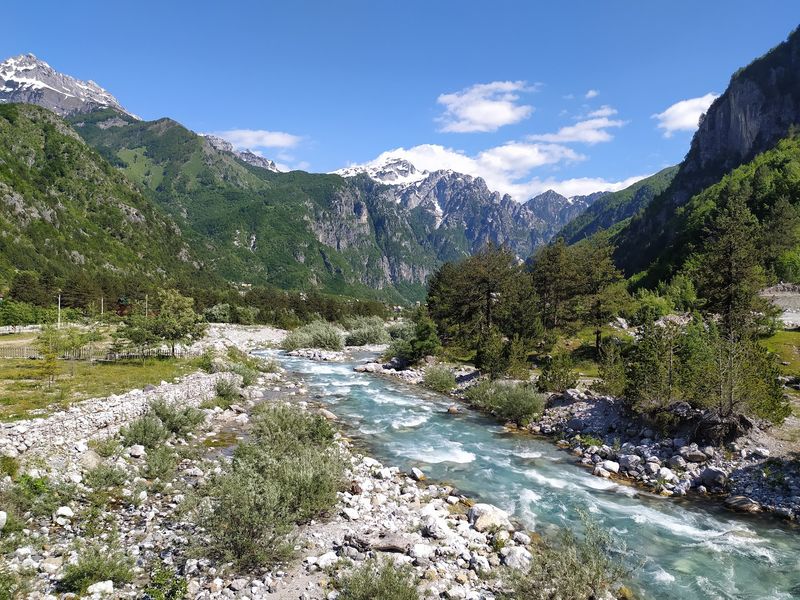
Theth sits in a valley that looks like it was designed to make visitors question why it took them so long to get here. Limestone peaks rise steeply on multiple sides, rivers and waterfalls run through the valley floor, and traditional stone buildings anchor the village against the mountain backdrop.
The scenery is immediate and impressive from the moment the road drops into the valley.
The area formerly known as Theth National Park has been incorporated into the larger Albanian Alps National Park, which also covers areas including Valbona and the Gashi River. Theth itself remains one of Albania’s most important mountain tourism destinations, with hiking and outdoor recreation at the center of what draws visitors here.
Albania’s official tourism authority actively promotes Theth to visitors in 2026. For travelers who want a Balkan mountain experience that feels genuinely wild rather than heavily developed, the Albanian Alps around Theth are difficult to surpass at any point in the region.
Divjakë-Karavasta National Park, Albania
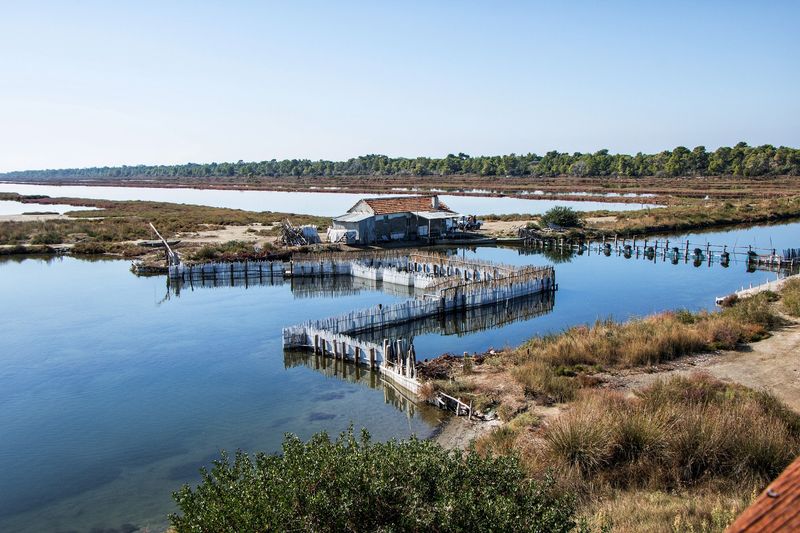
Albania’s largest lagoon sits within a national park that manages to combine lagoon, coastal pine forest, wetlands and Adriatic beach in a single protected landscape. Karavasta Lagoon is internationally recognized as an important habitat for birds, including the Dalmatian pelican, which makes the park a serious destination for birdwatchers rather than just a scenic coastal stop.
Visitors can walk or cycle through the coastal forest, use the observation tower for birdwatching, explore sections of the wetland by boat or simply access the beach along the Adriatic edge of the park. The range of activity options makes it flexible enough for different types of travelers.
Albania’s official tourism authority currently promotes Divjakë-Karavasta for birdwatching, nature walks, beach visits and ecotourism, making it one of the most straightforward wetland destinations in the country to incorporate into a road trip along the Albanian coast. It covers a lot of different ground without requiring a complicated itinerary.
Vjosa Wild River National Park, Albania
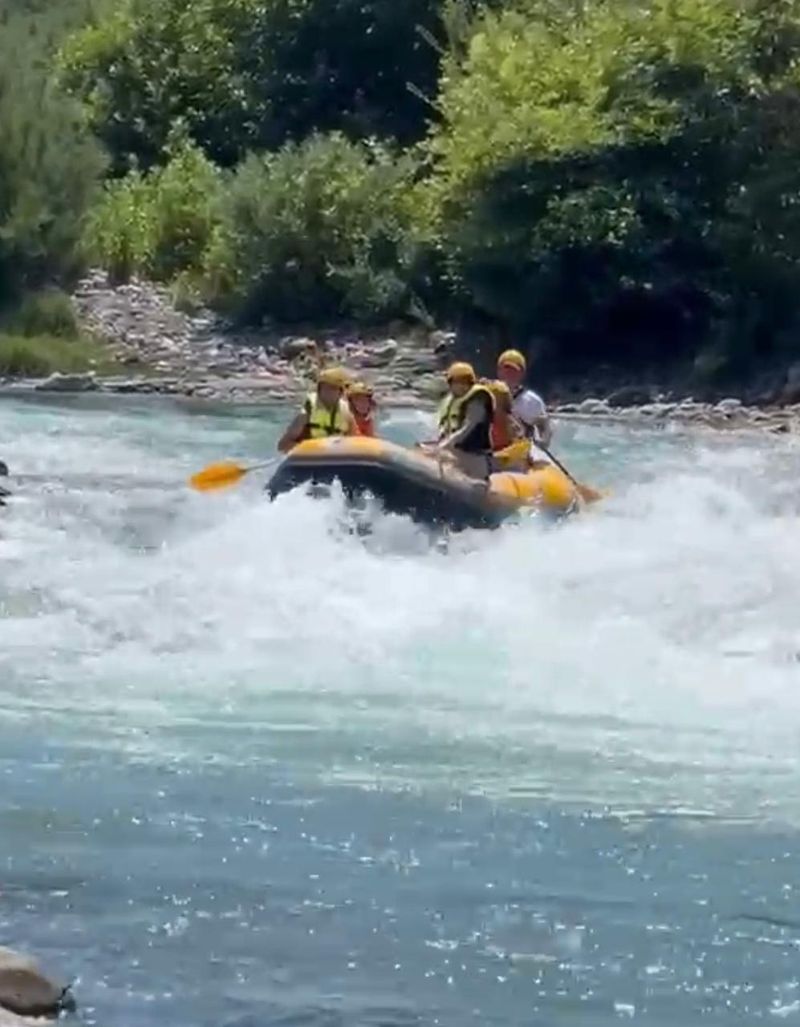
Created in 2023, Vjosa Wild River National Park takes a different approach to protection than most parks in the region. Rather than centering on a mountain, forest or lake, it protects an entire functioning river system.
The Vjosa remains free-flowing through long stretches of Albania, shifting between narrow gorges, broad valleys and braided channels as it moves through the landscape.
The protected system includes major tributaries, expanding the opportunities for rafting, kayaking, hiking and wildlife observation across a genuinely large area. The river’s natural dynamism means the landscape changes character frequently along its length, which keeps exploration interesting over multiple days.
Albania’s government actively promotes the park in 2026 and identifies it as Europe’s first Wild River National Park. That designation is not just a marketing label.
It reflects a real commitment to keeping the river system intact. For travelers seeking something structurally different from a conventional European national park, Vjosa is a compelling and well-supported option.
Mavrovo National Park, North Macedonia
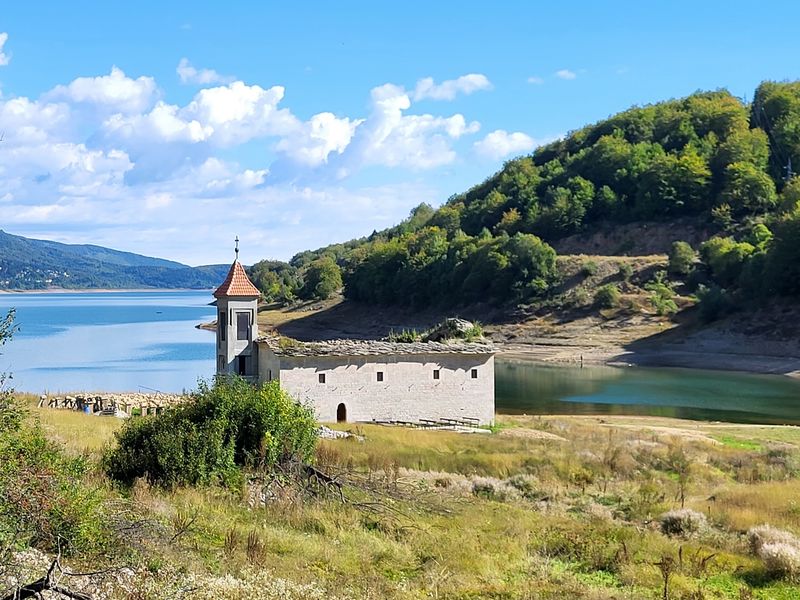
Mavrovo brings together mountains, forests, traditional villages and a large reservoir in the western part of North Macedonia, creating a park with more variety than its relatively modest international profile might suggest. The terrain rises considerably with elevation, moving from lakeside scenery at the reservoir to remote mountain valleys and high peaks that attract serious hikers and winter sports visitors.
The landscapes shift noticeably through the seasons. Autumn color in the forests above the reservoir is a particular draw, while winter brings snow to the higher elevations.
That seasonal range gives the park genuine year-round appeal rather than concentrating all interest in a single month.
Temporary fire-prevention restrictions affected unregistered movement through forest areas during July and August 2026, but that stated restriction period ended on August 31. The park’s official site remained active in September 2026, publishing current management and conservation updates.
Travelers planning autumn visits will find the park fully open and operating normally through the season.
Pelister National Park, North Macedonia
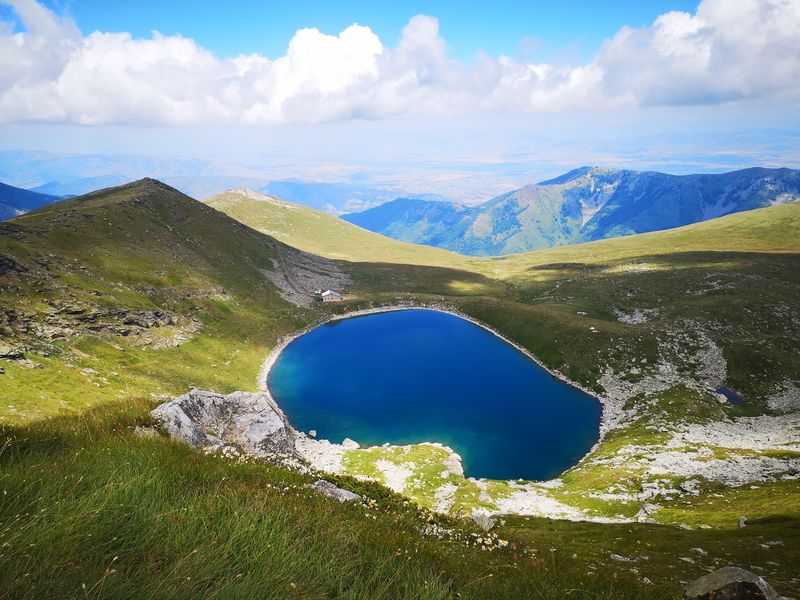
Rising above Bitola in the southwestern corner of North Macedonia, Pelister has a distinct ecological identity built around the molika, a five-needle Macedonian pine that is strongly associated with this specific mountain. The tree itself is worth knowing about before you arrive, because it gives the forest a visual character that sets Pelister apart from other mountain parks in the region.
Higher in the park, the glacial lakes known as the Pelister Eyes provide the kind of classic Balkan alpine scenery that rewards the climb to reach them. The surrounding rocky slopes and forested ridgelines make for a mountain environment that feels genuinely remote without being inaccessible.
The park’s current official website actively invites visitors to register their trips online and lists hiking, mountain biking, winter sports and guided adventure activities as current options. Pelister continues to operate as an active visitor destination with a clear range of experiences available across multiple seasons, making it a strong finish to any North Macedonia nature itinerary.
Share this story