Long before castles, cathedrals, or cobbled streets, people were already finding shelter across Europe. Some of those early homes were caves and rock shelters, and a surprising number can still be visited today.
This list travels from Spain and France to Belgium, Gibraltar, and Scotland, covering sites that range from hundreds of thousands of years old to about 5,000 years old. Some are open for guided tours, some are free to enter, and a few are still active research sites where scientists keep digging.
Each stop shows a different chapter of how early humans and Neanderthals lived, hunted, made tools, and eventually built houses. If you like history that feels real and close, these places make a great reading list and an even better travel plan.
Opening details can change, so check official sites before you go.
Sierra de Atapuerca, Burgos, Spain
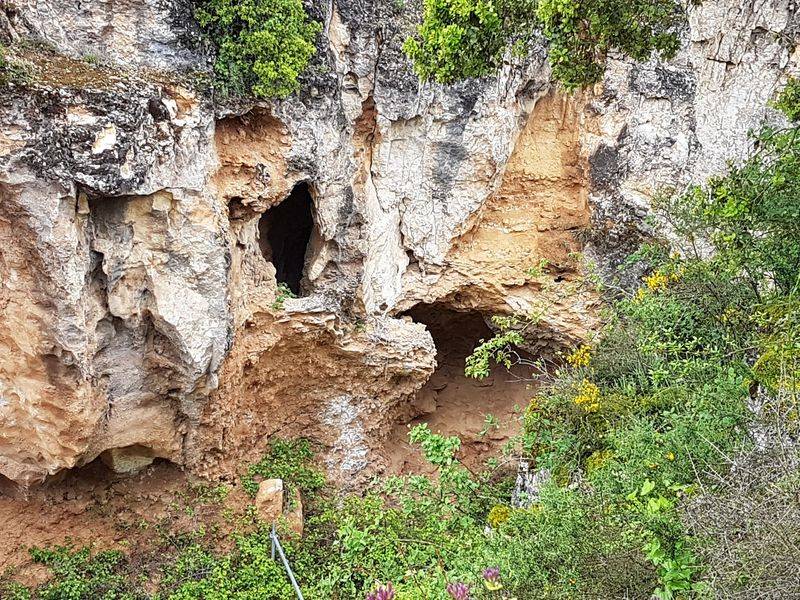
Few places stretch the idea of a European home as far back as Atapuerca. The archaeological complex includes Gran Dolina, Galería, and Sima del Elefante, and the evidence there follows different human populations across more than a million years.
Gran Dolina was used by Homo antecessor about 850,000 years ago and again by pre-Neanderthals roughly 350,000 years ago. Galería preserves evidence from about 500,000 to 180,000 years ago, so the layers read like a very old timeline.
Visitors can still tour several Atapuerca sites along the historic Railway Cutting. The areas run as guided attractions, and advance booking is required.
Access is generally by shuttle from the official visitor centers.
That mix of active research and public access is what makes this stop stand out. It is a rare chance to see a working scientific landscape and understand just how deep the continent’s human story runs.
Plan ahead, because walk-up visits are not the way this place works.
Caune de l’Arago, Tautavel, France
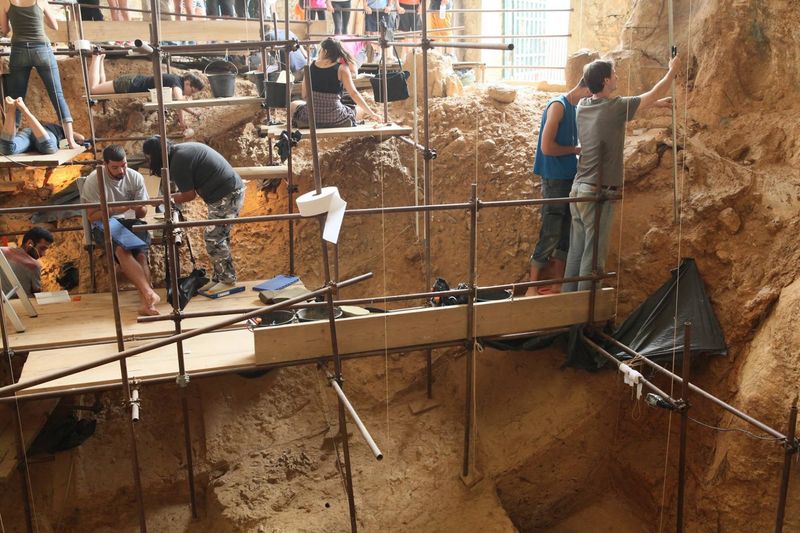
Picture a perch high above a valley with shelter, water nearby, and herds to hunt. That is what Caune de l’Arago offered prehistoric groups, who used the cave again and again between roughly 690,000 and 35,000 years ago.
One occupation layer, dated to around 450,000 years ago, represents a long-lasting camp used by hunters of large herbivores. It shows how a good location could stay valuable for generations.
The cave is still an important research site. Its discoveries form the centerpiece of the Tautavel Museum of Prehistory, which is operating in 2026 and is open daily through November 1 before switching to reduced winter hours.
Exhibits, reconstructions, tools, and human remains help explain daily life in Europe hundreds of thousands of years ago. For anyone who wants the story told clearly, the museum is one of the easiest ways in.
Check current hours before you travel.
La Micoque, Les Eyzies, France
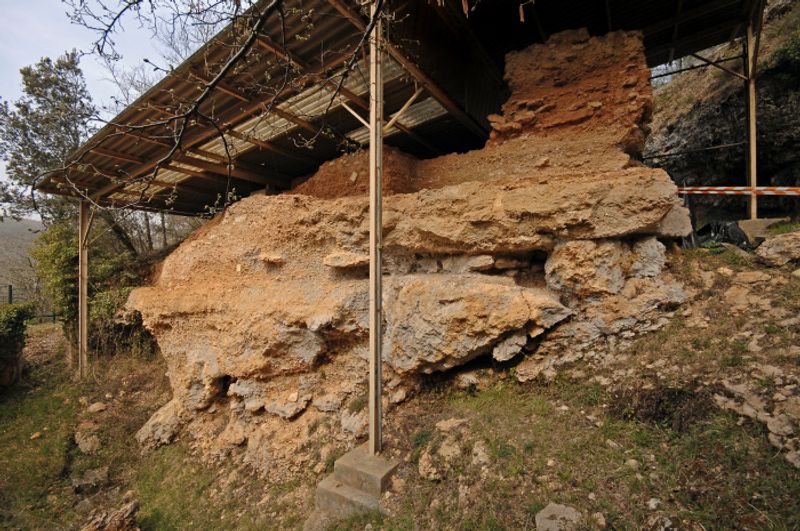
The Vézère Valley is packed with prehistoric caves and rock shelters, and La Micoque is one of its most important stops. Deposits here record roughly 250,000 years of human activity, while official visitor programming points to people in the area from about 450,000 years ago.
The tall layers of sediment let archaeologists follow changing technologies and occupations through a huge span of the Paleolithic. Each layer is a page in a very long book.
Do not expect a conventional museum. La Micoque is an outdoor excavation site, so access is controlled and reservations are required for organized visits.
Guided walks and tours continue during the 2026 season. If early European settlement is your interest, this is a stop worth building a day around, especially since so many other Dordogne sites sit nearby.
Book early and confirm the schedule before you arrive.
Grotte du Lazaret, Nice, France
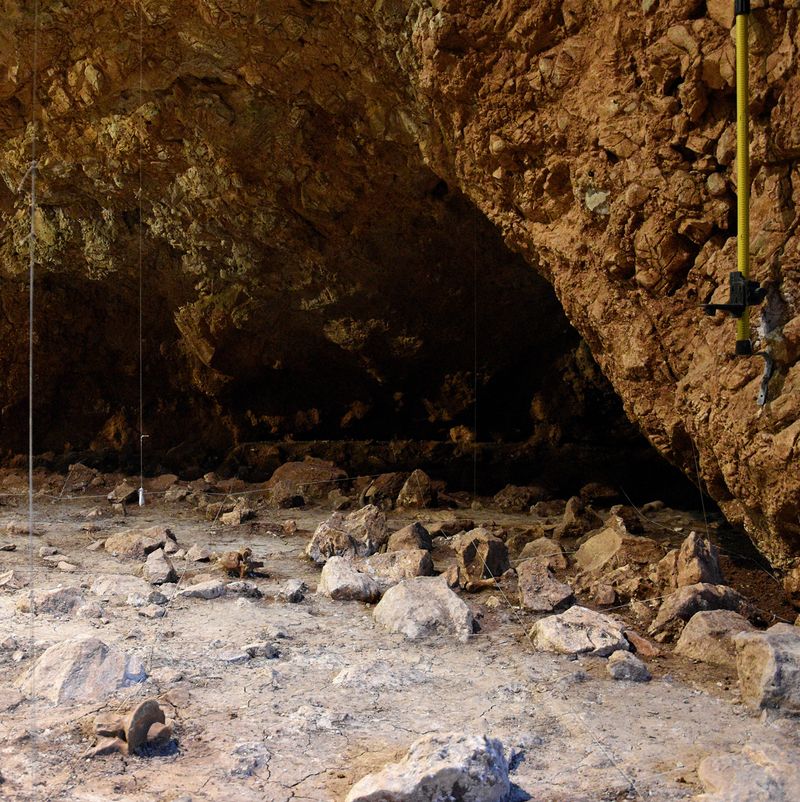
Nice is known for its waterfront, yet a shelter used during an Ice Age sits close to that same coastline. Grotte du Lazaret was occupied repeatedly by prehistoric humans from approximately 190,000 to 120,000 years ago.
Archaeologists have identified numerous occupation layers, plus hundreds of bifaces and animal remains. The evidence also shows that humans and large predators took turns using the cave.
The site remains open to visitors. For the 2026-27 season, public hours run Wednesday through Sunday, with free access to the archaeological complex.
Entry into the cave itself depends on scheduled access and capacity.
That makes it an easy add-on to a normal city break. You can spend a morning in Nice, then step into a very different chapter of the region’s past without a big ticket price.
Confirm hours first, since schedules are seasonal.
Grotte Scladina, Andenne, Belgium
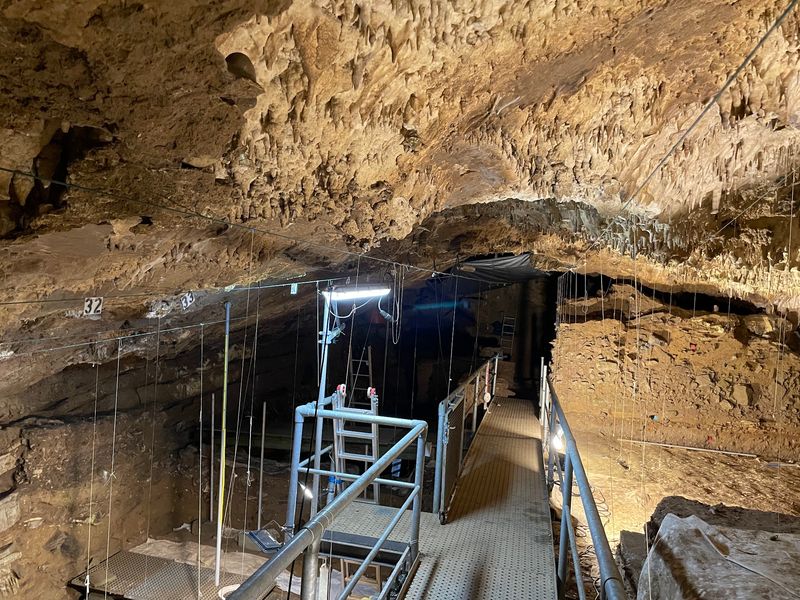
Archaeology is still happening at Scladina Cave, and that is a big part of its appeal. Researchers have identified major Neanderthal occupations dating to roughly 110,000 and 38,500 years ago.
The site became internationally known after the discovery of remains belonging to a Neanderthal child. Thousands of stone tools and animal bones have helped researchers reconstruct how Neanderthals lived in what is now Belgium.
Many active excavations stay closed to outsiders, but Scladina welcomes the public. The 2026 season runs from April 12 through November 1, although visitor dates become limited during autumn.
Entry to the cave is by guided tour and reservation, not unrestricted access. Visitors step inside both a prehistoric shelter and a working archaeological laboratory, which gives the tour a lively, current feel.
Reserve ahead and check the calendar for open dates.
Gorham’s Cave Complex, Gibraltar
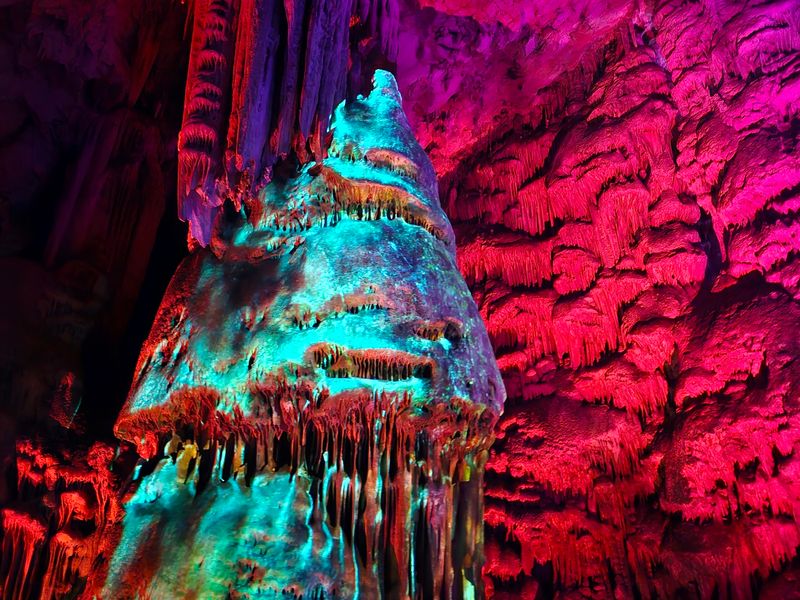
Gibraltar’s cliffs hold one of Europe’s most important collections of Neanderthal living places. The Gorham’s Cave Complex preserves evidence of Neanderthal and early modern-human occupation spanning roughly 120,000 years.
Finds include stone tools, animal remains, and evidence that Neanderthals used marine resources and birds. There is also a famous rock engraving dating back more than 39,000 years.
The World Heritage Site can still be experienced today. Options include unescorted walks through the surrounding Neanderthal landscape, expert-led guided visits to the cave, and boat trips that view the complex from the sea.
Direct cave tours run under a strict annual quota, so advance booking is strongly recommended. Few places tie the Neanderthal story to a modern coastline quite like this one, and the setting makes the history easy to picture.
Abric Romaní, Capellades, Spain
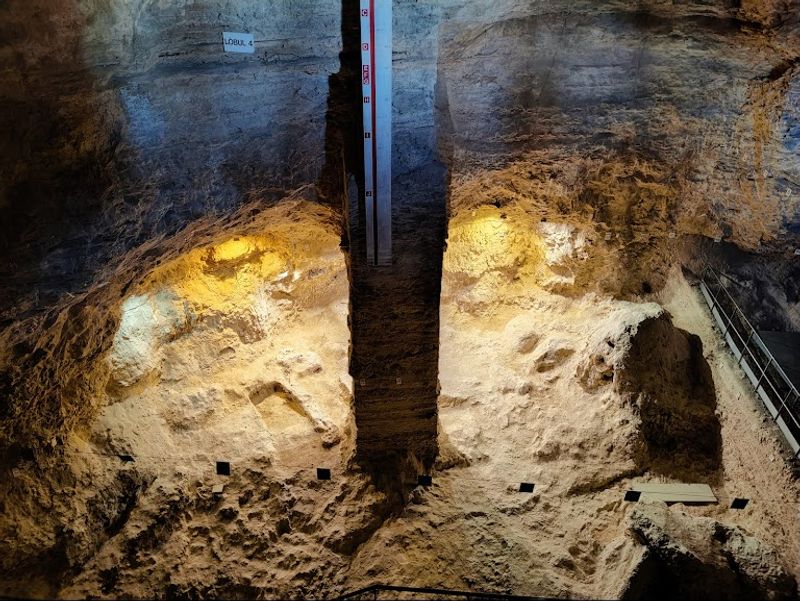
Near Barcelona, a limestone cliff shelters one of the most detailed records of Neanderthal life. Abric Romaní includes occupation surfaces around 60,000 years old, where researchers keep finding stone tools, animal remains, and unusually preserved traces of organic materials.
Excavation work continued in 2026. That shows the site is scientifically active rather than a finished display.
Visitors can tour Abric Romaní as part of the NEAN Prehistoric Park of Capellades. The local government confirms that the archaeological site and the surrounding cliff route are open with advance reservations.
Guided tours let visitors see the excavation area and learn how Neanderthal camps were organized. The fact that researchers are still uncovering new chapters makes each visit feel current.
Reserve before you go, since access depends on booking.
Le Moustier, Dordogne, France
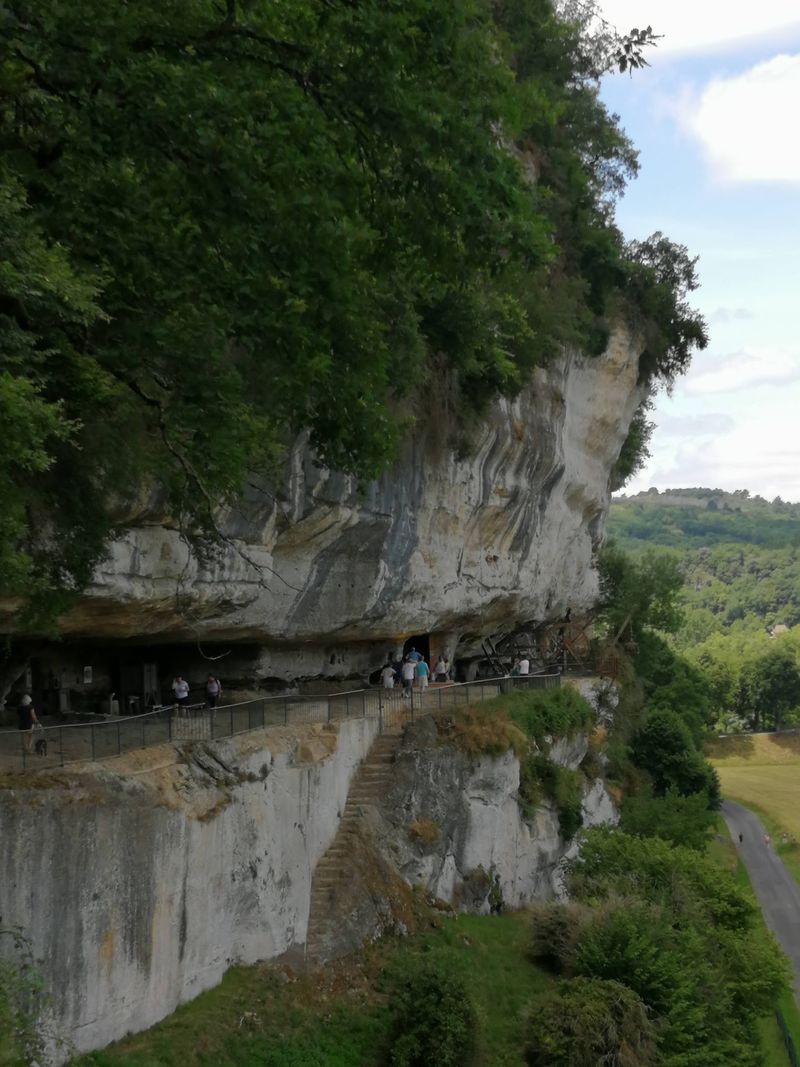
An entire style of stone tools is named after this spot. The term Mousterian, used for a major Middle Paleolithic tool tradition linked especially to Neanderthals, comes from Le Moustier.
The rock shelters were occupied repeatedly by Neanderthals. Excavations famously uncovered Neanderthal burials, including those of an adolescent and a newborn.
Do not expect walk-in access. France’s national prehistoric-sites organization opens the site for scheduled guided visits only.
For 2026, official tours are listed for October 18 and October 26, with reservations required.
The limited schedule adds to the appeal. Instead of a polished reconstruction, visitors see a genuine archaeological shelter whose deposits helped define a whole chapter of European prehistory.
Plan around those dates and book early.
La Ferrassie, Dordogne, France
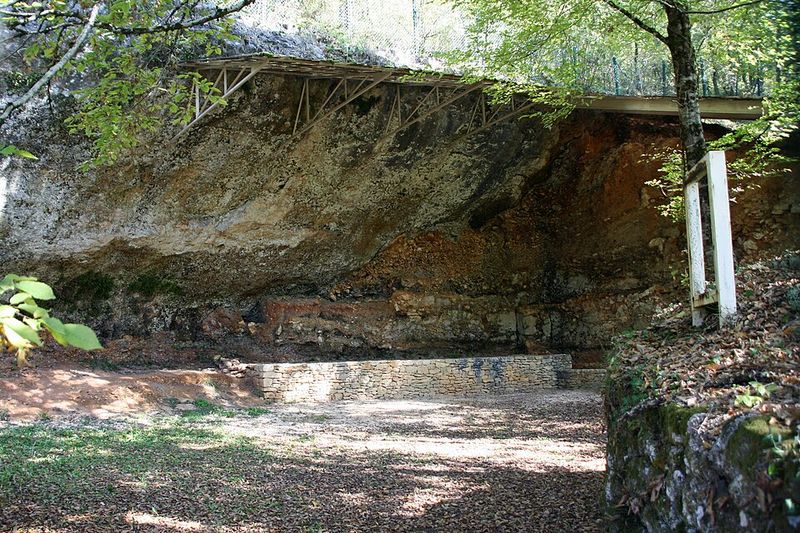
Only a short distance from Le Moustier, another landmark Neanderthal site waits in the Vézère region. La Ferrassie is a large rock shelter tied to repeated prehistoric occupation and some of the most significant Neanderthal discoveries made in France.
It is especially famous for human remains interpreted as deliberate burials. Those finds have shaped debates about Neanderthal behavior and how they treated their dead.
Public access is carefully controlled. France’s official prehistoric-sites program lists guided visits to La Ferrassie in the 2026 season, including an October 18 tour that follows the visit to Le Moustier.
Visitors need to plan around scheduled openings. The reward is seeing an authentic Neanderthal habitation site rather than a modern copy.
Pairing it with Le Moustier makes for a full day of Paleolithic history.
Pair-non-Pair Cave, Prignac-et-Marcamps, France
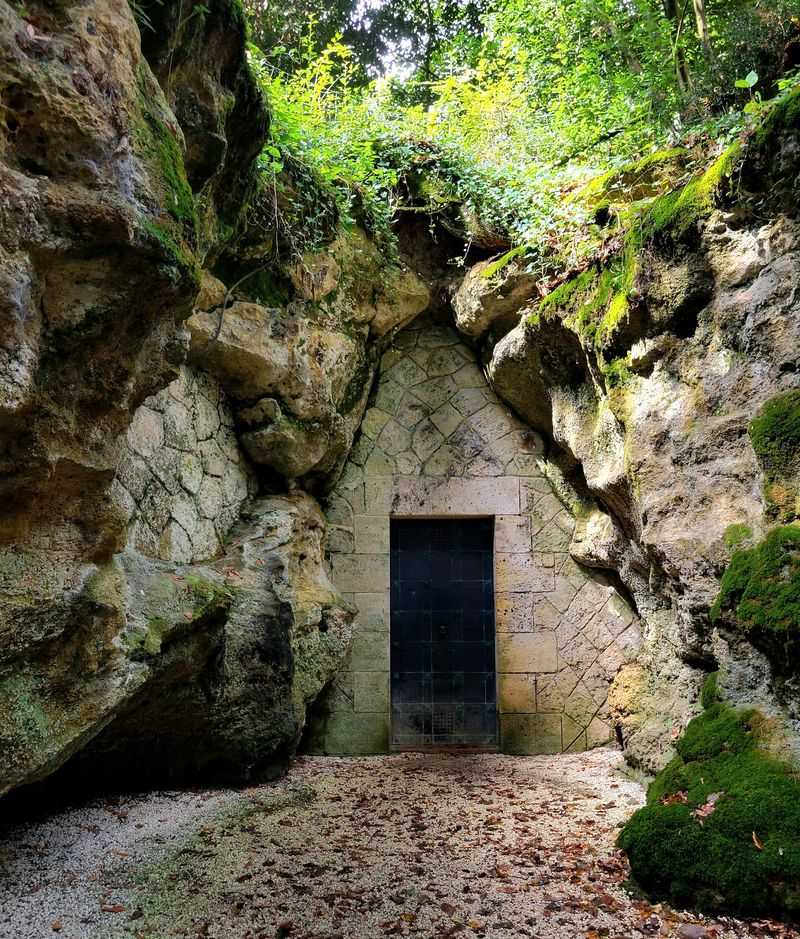
About 34,000 years of change can be seen in one cave, and the art here dates to roughly 32,000 BCE. Pair-non-Pair contains engravings of horses, ibex, deer, mammoths, and other animals.
It is a step forward in time to early modern humans, though still far older than most things we visit. Archaeological remains show the cave was more than a gallery.
It was part of the daily world of Paleolithic communities.
Several famous decorated caves are closed to protect them, but Pair-non-Pair still accepts visitors. Guided visits run by reservation, and group sizes are limited to protect the fragile interior.
Official information lists it as open every day except Monday, with extra closures on several national holidays. Check the calendar before you book.
Knap of Howar, Papa Westray, Scotland
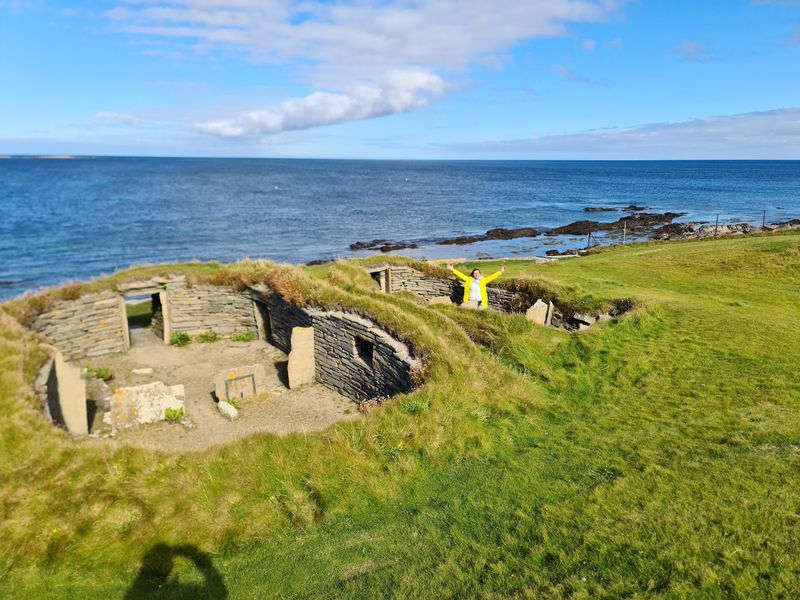
Here the list moves from natural shelters to buildings that look like real houses. Knap of Howar has two remarkably complete Neolithic stone structures on the Orkney island of Papa Westray.
Walls, entrances, interior divisions, hearths, and stone cupboards remain visible. Historic Environment Scotland describes them as among the oldest standing stone buildings in northwestern Europe.
The visit is refreshingly simple. Knap of Howar is open year-round and free to visit.
The remote island setting also keeps the feel of an ancient settlement rather than a busy tourist complex.
After caves and temporary shelters earlier in the list, these surviving walls show how much domestic life had changed by the Neolithic. Getting to Papa Westray takes planning, so check travel options early.
Skara Brae, Orkney, Scotland
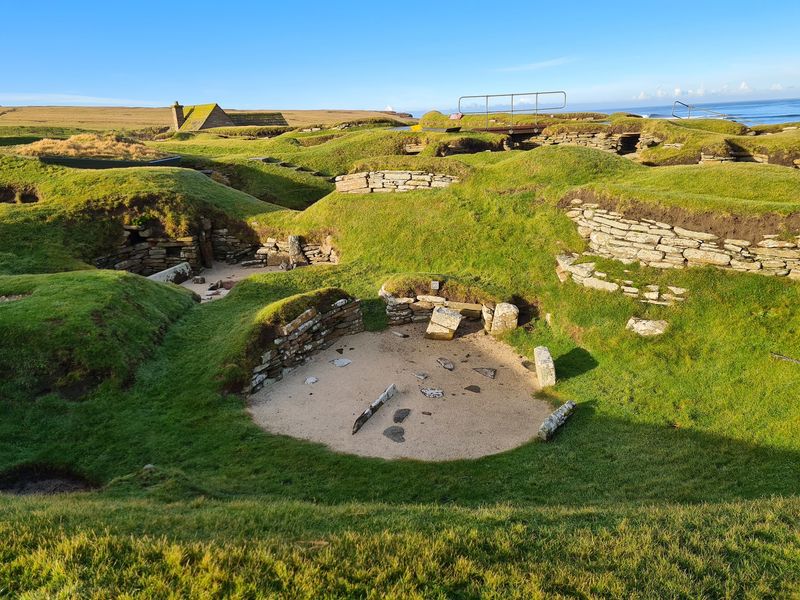
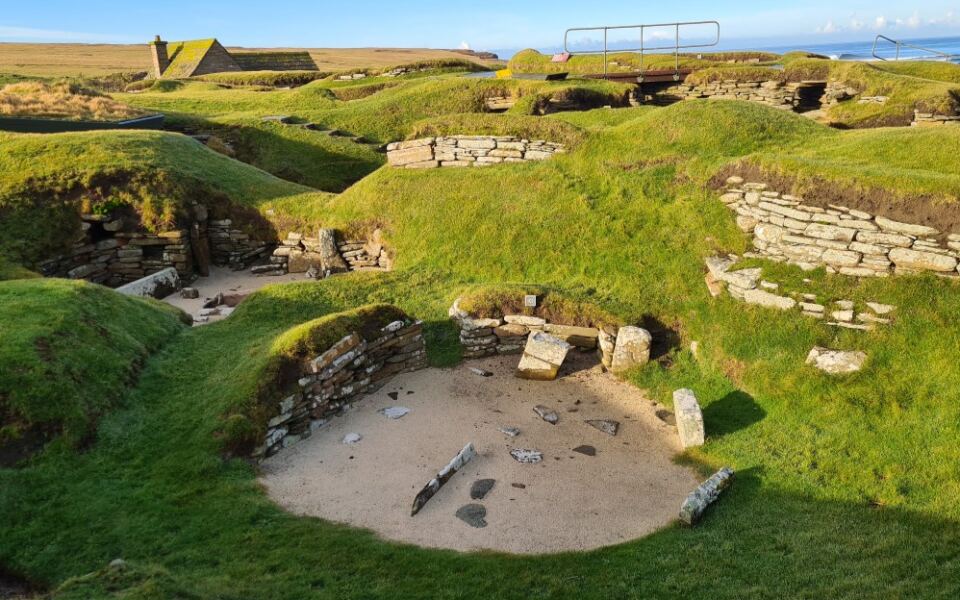
If you want old homes still standing, Skara Brae is a clear answer. This roughly 5,000-year-old Neolithic village preserves nine dwellings, and many still hold original stone furniture.
Visitors can see hearths, box beds, storage features, and distinctive stone dressers. Covered passages once connected parts of the settlement.
The site is a fully operating visitor attraction and is open daily. From October through March, current hours are 10 a.m. to 4 p.m., and advance booking is recommended.
Skara Brae is far younger than the Paleolithic caves at the start of this list, but it offers something they cannot. You can see recognizable rooms and household furniture where Neolithic families used them thousands of years before Rome, classical Greece, or the Egyptian pyramids reached their height.
Share this story