Some European cities seem to print money, and others simply know how to turn ideas into gold. From banking towers to startup hubs, each place has its own secret recipe for success.
Let’s take a trip across the continent to see what keeps these cities so rich. You might be surprised by who is doing the best and why.
London, United Kingdom
Picture a city that produces nearly one quarter of its country’s entire economic output while holding a much smaller share of its people. That is London, Europe’s economic heavyweight.
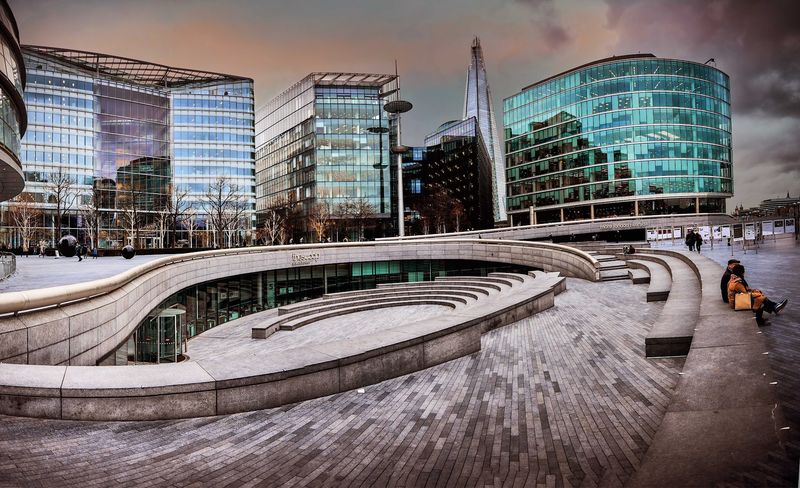
Its wealth shows up in glassy towers all over town.
Finance is the star here. The City and Canary Wharf host banking, insurance, asset management, foreign exchange, and professional services that reach around the globe.
Thousands of companies pick London simply because everyone they need to meet is already there.
Yet the money does not stop at banks. London is also a big center for fintech, artificial intelligence, quantum computing, media, law, consulting, and life sciences.
Startups pop up by the dozen, and international firms keep arriving.
The Greater London Authority calls it the most productive region in the UK. It also draws huge amounts of foreign investment.
Add a deep pool of skilled workers and specialized services, and you get a city that few European rivals can match. Size, talent, and connections all work together here, and the result is a money machine that keeps running day and night.
Paris, France
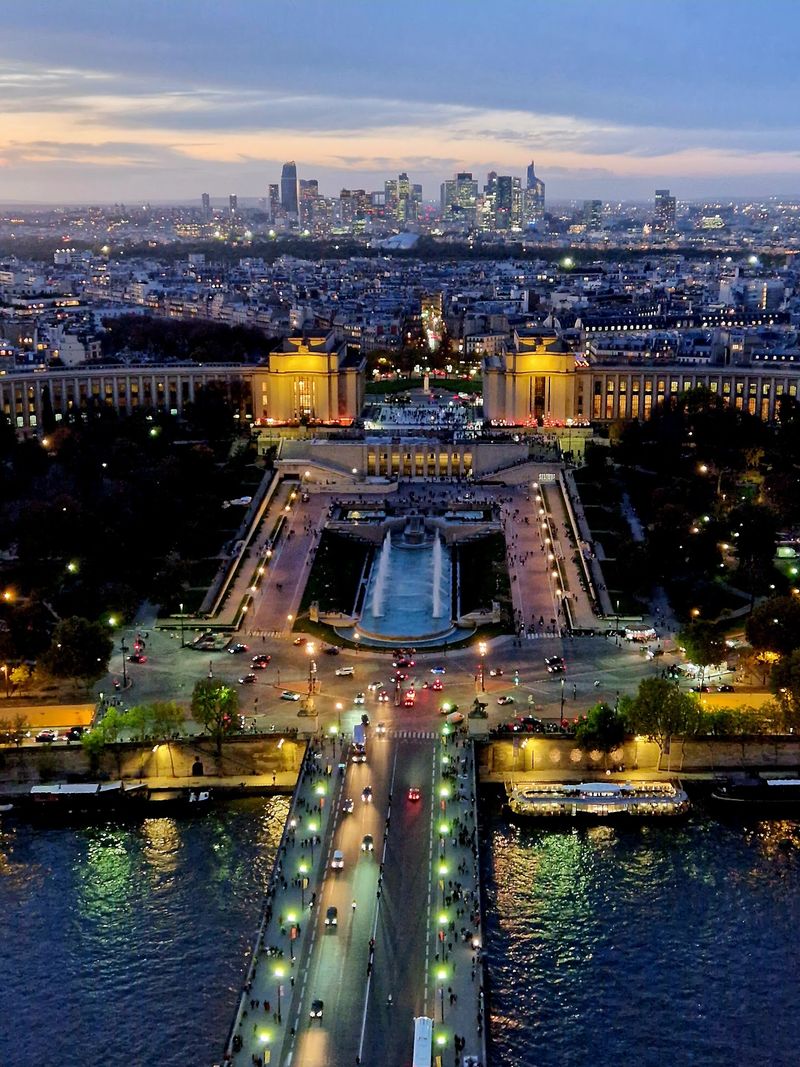
Here is a number that stops people cold: the Paris region produces about 30 percent of all French GDP. It also makes up roughly 5 percent of the entire EU27 economy.
Not bad for a place many people know for croissants.
Tourism and luxury goods are only part of the story. Île-de-France is packed with national company headquarters, banks, insurers, aerospace firms, drugmakers, tech companies, and media groups. Some of Europe’s most valuable luxury brands call it home too.
Brains matter here as well. The region accounts for 39 percent of French research spending and 40 percent of the country’s researchers.
Universities and labs feed a fast-growing innovation scene.
Then there is La Défense, one of the biggest business districts in continental Europe. Thousands of executives walk its plazas every morning.
Paris mixes huge consumer demand with a rare gathering of money, management talent, and scientific skill. That blend gives the city a wealth engine with many moving parts, so when one part slows, the others keep it humming along.
Madrid, Spain
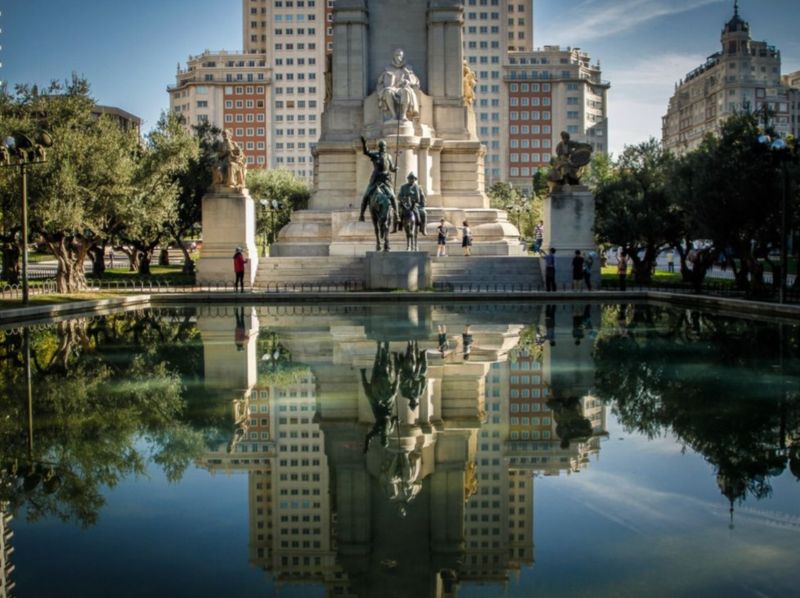
Madrid is the quick-footed sprinter of Europe’s big cities. In 2025 the city alone created about 211.3 billion euros in GDP.
That equals 12.5 percent of Spain’s entire economy.
Services do most of the heavy lifting, making up 89.2 percent of the city’s value added. Professional, scientific, technical, information, and communications businesses are especially strong.
Consulting firms and digital entertainment companies have also set up shop.
The city has become Spain’s top spot for company headquarters and financial institutions. Its economy grew 2.9 percent in 2025, and exports climbed strongly toward the end of the year.
That is solid momentum for a city of this size.
Several things help Madrid keep rising. A large skilled workforce fills its offices, and the population keeps growing.
Roads, trains, and airports connect everything smoothly. Since national decisions are made here too, companies like to be close to the action.
Together these strengths place Madrid among the premier business cities of Europe, and the pace shows no sign of slowing.
Milan, Italy
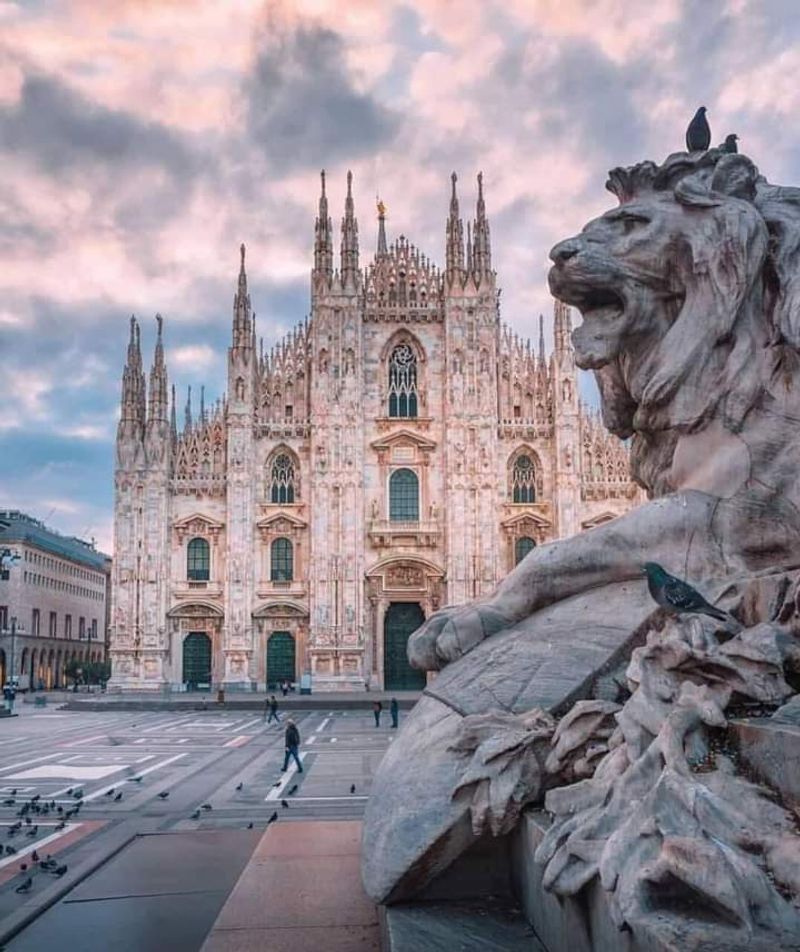
Walk through Milan on a weekday and you will spot more tailored suits than in almost any other Italian city. That makes sense, because Milan is Italy’s corporate and financial capital, even though Rome holds the political crown.
Banking, fashion, design, pharmaceuticals, technology, and trade all cluster around the metro area. About 4,700 foreign-owned companies operate here.
They bring in roughly 167.6 billion euros in turnover and employ around 280,000 people.
Fashion alone is a giant. More than 11,000 companies and about 93,000 workers belong to the fashion world in Milan.
Life sciences and fintech are growing fast too.
Location gives the city another edge. Milan sits in Lombardy, the largest regional economy in Italy, and that region holds one of Europe’s densest manufacturing belts.
Factories and offices feed each other with orders, ideas, and talent. Few European centers combine polished corporate services with such solid industrial depth.
So when Milan wins, it often wins twice, once in the boardroom and once on the factory floor.
Munich, Germany
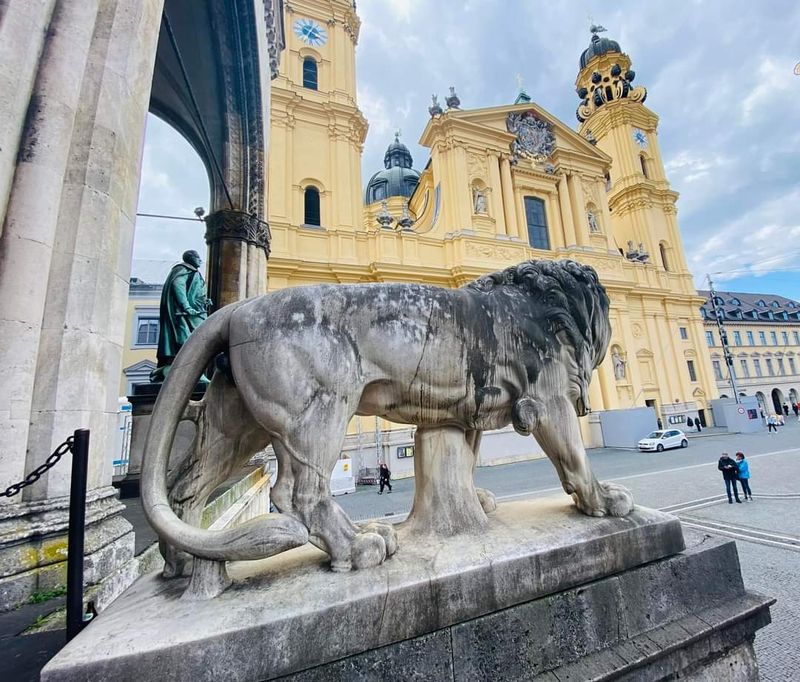
Munich proves you can have lederhosen and laptops in the same town. Its wealth grows from a rare mix of fine manufacturing and high-value services.
Car makers, insurers, tech firms, engineering companies, chip businesses, media groups, and research centers all have big operations here. The city produced 19 percent of Bavaria’s GDP while holding only 11.4 percent of the state’s people, according to its 2026 economic report.
That is a lot of output per resident.
Seven DAX-listed companies keep their headquarters in the city, and the wider region has even more. Munich also beat Berlin in startup formation in 2025.
It pulled in 2.7 billion euros in venture capital.
Workers here are productive, and buying power ranks among the highest in Germany. Skilled engineers can walk from a factory floor to a software lab without leaving town.
Munich shows that old industrial know-how and a fresh tech scene do not have to compete. They can instead grow side by side, and both bring home the cash.
Dublin, Ireland
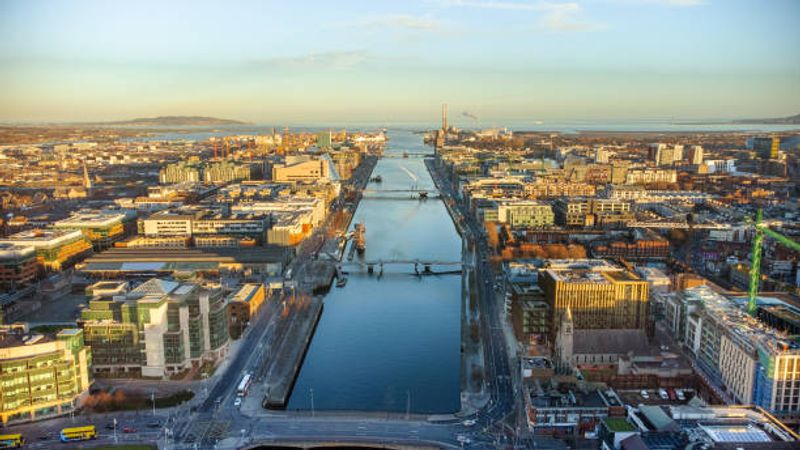
Handle Dublin’s numbers with care, because they are huge. Official statistics put Dublin City and County GDP at 248.3 billion euros in 2023.
That makes it by far the main money center of Ireland.
Information and communications is the biggest regional sector. Major American tech groups run large offices here, and the Docklands area hums with their staff.
Finance, drug making, professional services, and multinational headquarters add to the mix.
There is a catch, though. Irish GDP can look bigger than real life because multinational patents and company structures inflate measured output.
For that reason, Ireland’s statistics office also publishes other indicators, such as modified GNI for the national economy.
Even with that warning label, Dublin remains a powerhouse. Many of its jobs in tech, finance, and business services pay very well.
Young graduates arrive from across Europe to fill them. The city’s reputation for friendly business and a welcoming crowd keeps international firms coming back.
So take the headline number with a grain of salt, but do not doubt that Dublin is rich.
Amsterdam, Netherlands
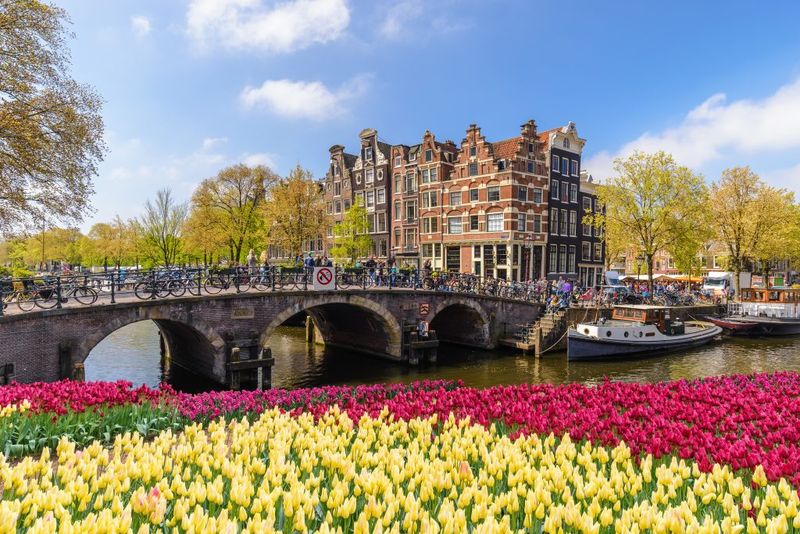
Merchants in Amsterdam were counting coins long before most European cities had a bank. That trading spirit lives on today, and finance is still a major pillar of the economy.
The city hosts big Dutch banks and more than 50 international banks. Fintech names like Adyen and bunq started here, and one of Europe’s best-established securities markets operates in town.
Now the wealth reaches into technology, AI, life sciences, creative industries, logistics, and sustainable finance. The Amsterdam area is home to around 3,500 international companies and nearly 2,000 startups and scale-ups.
Its deep-tech scene was valued at 8.8 billion dollars in 2026.
Schiphol Airport links the region to the world, and one of the largest internet-exchange hubs keeps data flowing fast. Researchers, investors, and founders all bump into each other on short bike rides.
Few European cities combine global connections, finance, research, and startup energy so smoothly at this scale. Not bad for a place best known for tulips and canals.
Rome, Italy
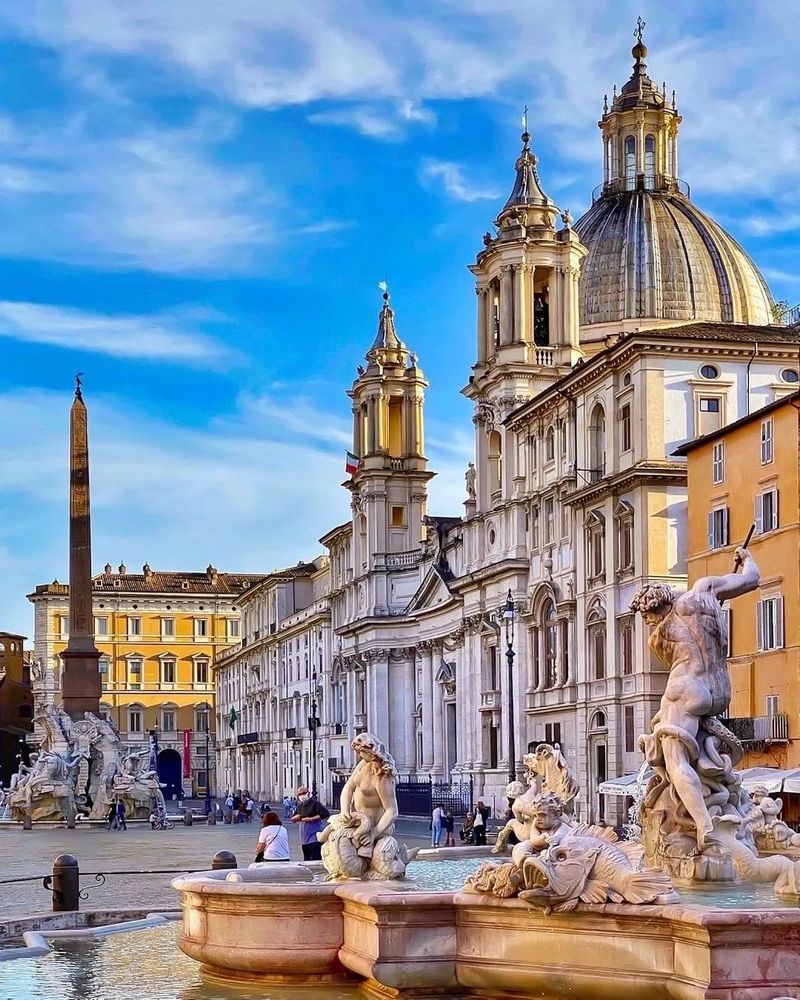
Most people picture Rome as ancient ruins and government offices. The numbers tell a bigger story.
According to the city government, the metro area makes roughly 200 billion euros in GDP.
Public administration and national institutions still employ many people. Tourism adds a lot, too, with about 13.3 billion euros of local activity in 2024.
In 2025 the city hit a record 52.9 million overnight stays.
The long-term growth comes from other fields. Rome has real strength in aerospace, pharmaceuticals, digital media, audiovisual production, telecommunications, and research.
Provincial exports jumped 21.9 percent in the first half of 2025, helped by high-value sectors.
The 2025 Jubilee also brought fresh money for roads, stations, and public spaces. Those upgrades help the city look beyond its image as a museum with traffic.
Residents now enjoy better transport, and companies find it easier to move goods and people. Rome is slowly proving that a capital famous for history can also build a modern, broader economy.
Barcelona, Spain
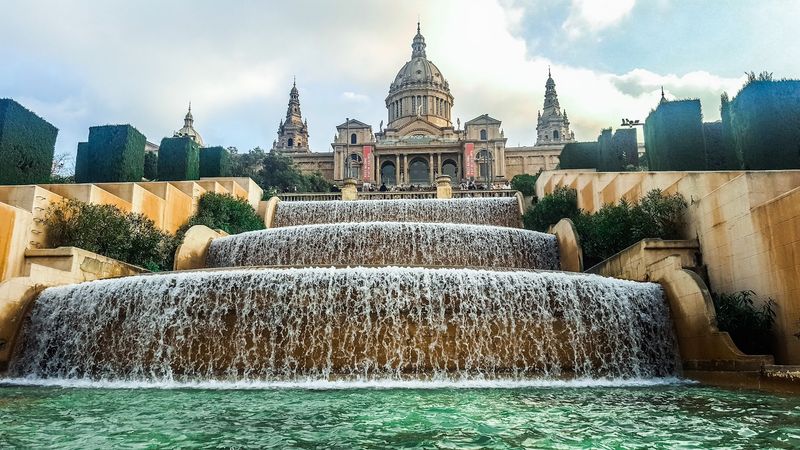
Beaches and Gaudí may bring visitors, but labs and laptops bring the paychecks. Barcelona has quietly built a knowledge economy on top of its tourist fame.
City GDP grew 4 percent year over year in the first quarter of 2026. That beat both Catalonia and Spain as a whole.
Tourism and trade still matter, yet the city has pushed hard into life sciences, digital work, gaming, and creative fields.
The health sector shows the shift. More than 108,000 city jobs were linked to life sciences and healthcare in 2024.
Across Catalonia, the life-sciences ecosystem generated 44.8 billion euros in turnover in 2023.
Strong institutions back it all up. Major universities, research hospitals, and the Barcelona Supercomputing Center attract brainy talent.
The busy port and big international conferences bring in business from abroad. Together they are turning Barcelona from a holiday favorite into a broad, modern economy.
Locals might still nap after lunch, but the city’s growth rarely does.
Berlin, Germany
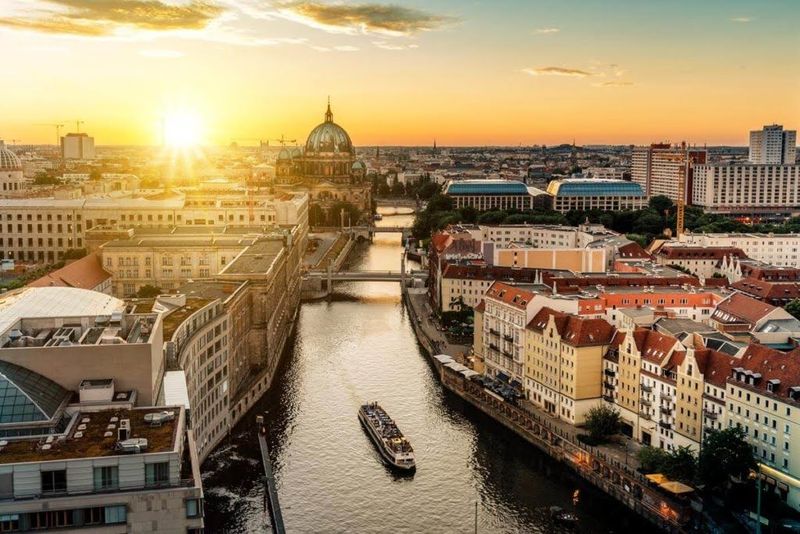
Berlin was once famous for being poor but sexy. Today it still has the style, and the money is catching up fast.
The city lacks Munich’s industrial giants and Frankfurt’s banks. Instead it grew around technology, startups, media, creative industries, research, government, and business services.
Its digital and creative sectors earned more than 56 billion euros in revenue in 2024. That is roughly 15 percent of the city’s economic output.
The startup scene is even more striking. A 2025 report valued the Berlin ecosystem at 169 billion euros.
That equals 43 percent of the total value of Germany’s startup world.
Universities and research institutes keep a steady flow of smart graduates coming. Technical and creative talent is deep, and federal institutions add a solid base of jobs.
As a result, Berlin’s wealth now depends more on software, ideas, culture, and entrepreneurship than on heavy industry. Cheap rent helped start the story, but talent keeps it going.
Frankfurt, Germany
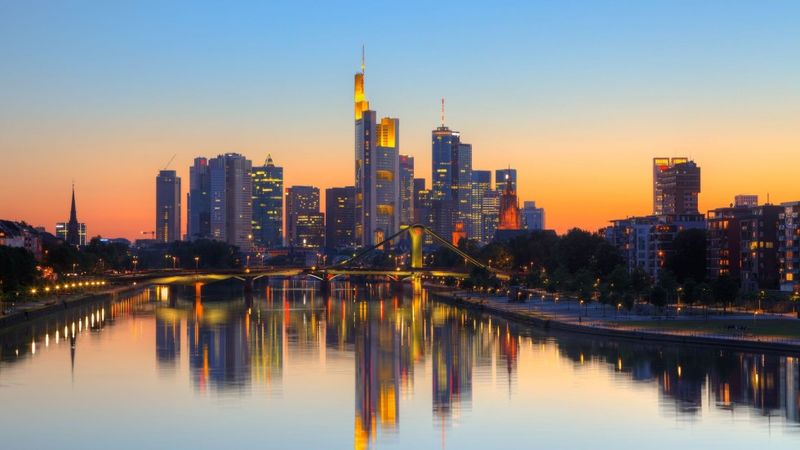
Frankfurt’s skyline looks like a row of banking trophies. Europeans even nickname it Mainhattan, thanks to the river Main and its crowd of towers.
The city hosts the European Central Bank and the Deutsche Bundesbank. Major commercial banks, asset managers, insurers, and financial-market systems have offices here too.
Many experts see it as the most important banking center in the European Union.
Brexit gave the city an extra push. International financial firms moved some operations and assets from London into the EU, and Frankfurt gained a lot of them.
Local authorities say business-tax revenue from finance was about 420 million euros higher in 2025 than in 2016. New office projects and more international banks followed.
The city offers more than money. One of Europe’s largest airports brings in people and cargo.
Large data centers, consulting firms, trade fairs, and logistics companies add further strength. For a relatively small city, Frankfurt reaches an impressive distance across the continent and beyond.
Stockholm, Sweden
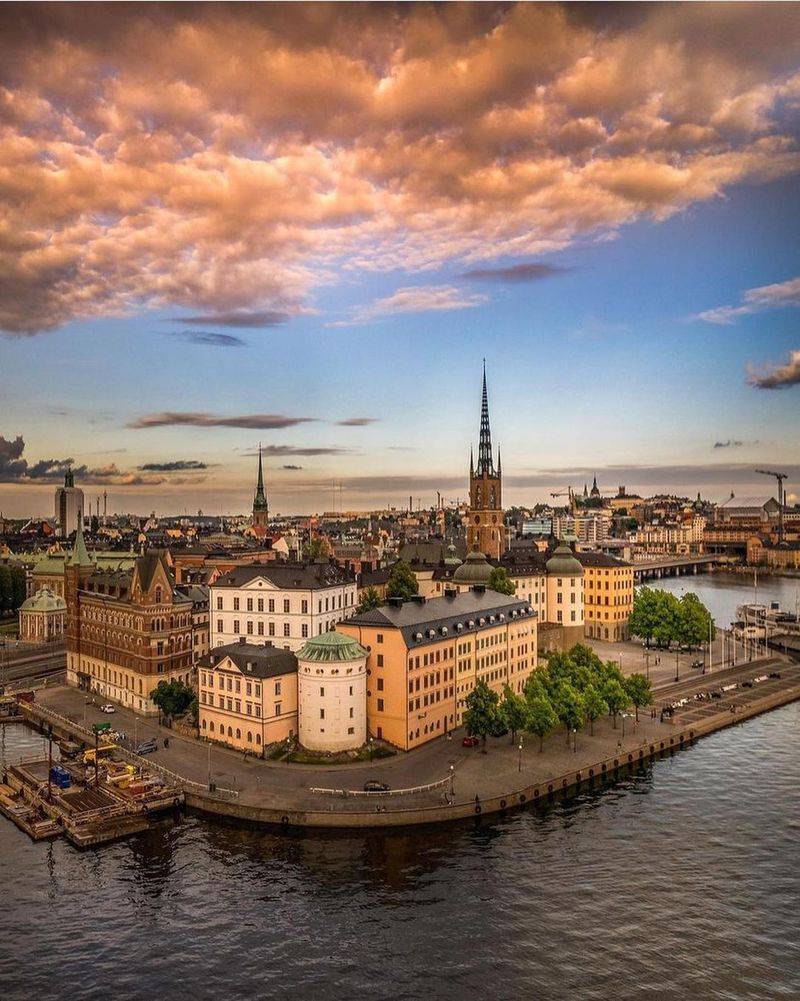
Spotify, Klarna, Skype, King, and Mojang all began in one Nordic city. That tells you a lot about Stockholm.
It makes wealth through ideas rather than sheer size.
The region ranked first in Europe for innovation in the EU Regional Innovation Scoreboard 2025. Tech and fintech remain big strengths.
Still, telecom, life sciences, advanced engineering, banking, clean technology, and professional services spread the risk.
Health research adds a strong layer. The Stockholm-Uppsala life-sciences corridor ties Karolinska Institutet and major hospitals to biotech and pharma firms.
Some of them work on cell and gene therapy.
Perhaps the best sign is the number of billion-dollar startups per person, which is unusually high. It shows how well the city turns research, digital talent, and venture money into products the whole world can use.
Founders here learn from earlier winners, and many of those winners stay nearby to coach the next group. That friendly loop keeps the cash and creativity flowing year after year.
Brussels, Belgium
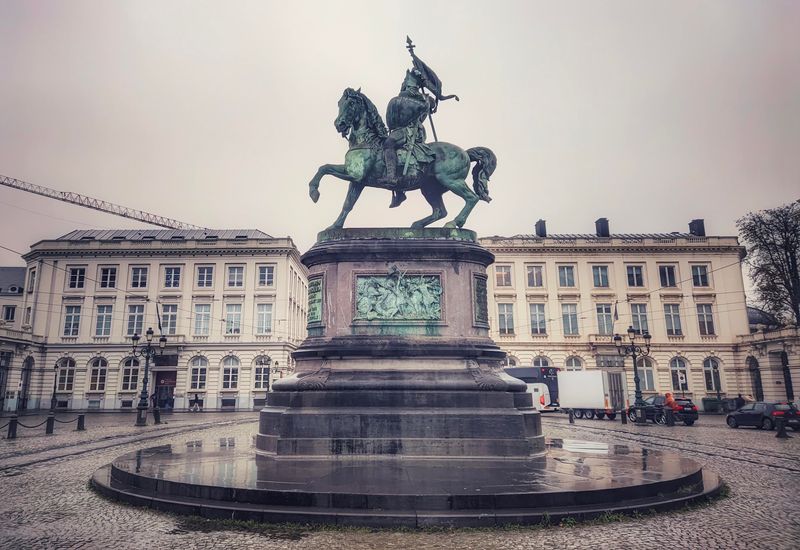
Few cities can say that politics pays the bills quite like Brussels. It is both the Belgian capital and the institutional heart of the European Union.
The European Commission, European Council, parts of the European Parliament, and NATO all sit here. Add diplomatic missions, lobbying groups, consultancies, law firms, and international associations, and you get a huge web of specialized jobs.
The Brussels-Capital Region estimates that European and international affairs support more than one in five jobs. They also drive nearly one quarter of economic activity.
That is a remarkable share for a single sector.
Other industries fill out the picture. Finance, business services, pharmaceuticals, technology, and media all play a role.
Many workers speak several languages, which companies value a lot.
Brussels turns political influence into everyday economic activity more directly than perhaps any other European city. Every new rule, summit, or treaty brings demand for experts, translators, lawyers, and advisers.
So while the debates may seem endless, the paychecks are very real.
Vienna, Austria
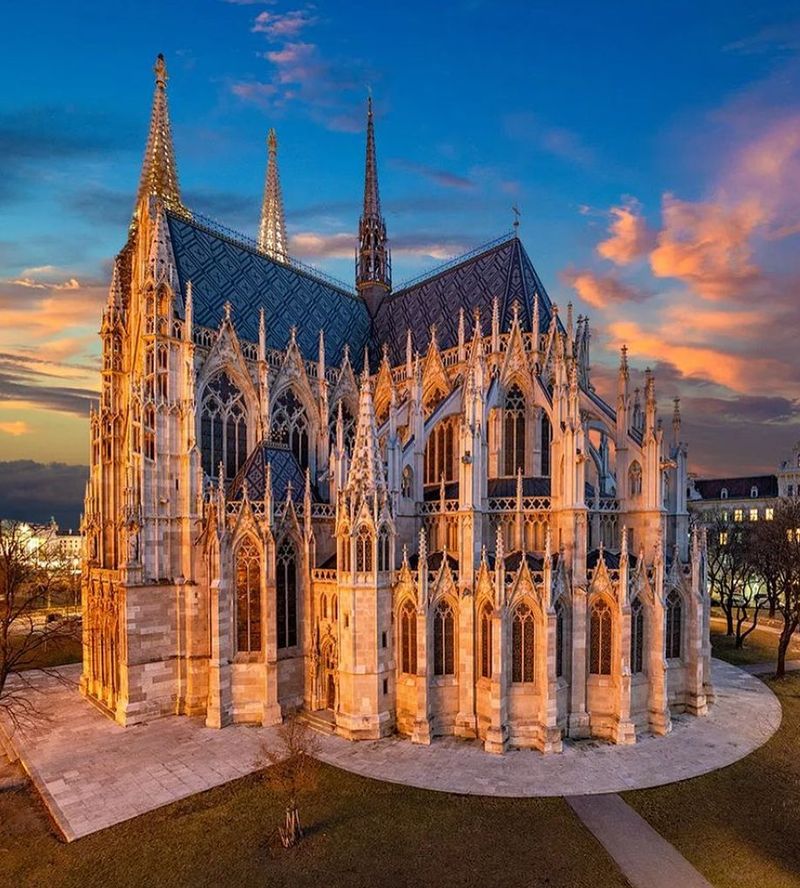
Vienna waltzes along with an economy of about 130 billion euros. That is roughly a quarter of all Austrian output, which is a big share for one city.
Services account for the vast majority of value added. Still, Vienna has also built a strong research-driven industrial base.
Life sciences stand out, with yearly sector revenue of around 22.7 billion euros. More than 49,000 workers have jobs in pharmaceuticals, biotech, medical research, and related areas.
Visitors add a second stream of income. The city recorded more than 20 million overnight stays in 2025.
Congresses and corporate meetings contributed an estimated 1.7 billion euros to Austrian GDP, so those conference badges are worth something.
Location helps as well. Vienna sits between Western and Central Europe, which makes it a handy base for companies and global bodies.
International organizations, universities, and healthcare institutions strengthen its standing. The city mixes imperial elegance with practical science, and the combination keeps its wealth steady and well rounded.
Zurich, Switzerland
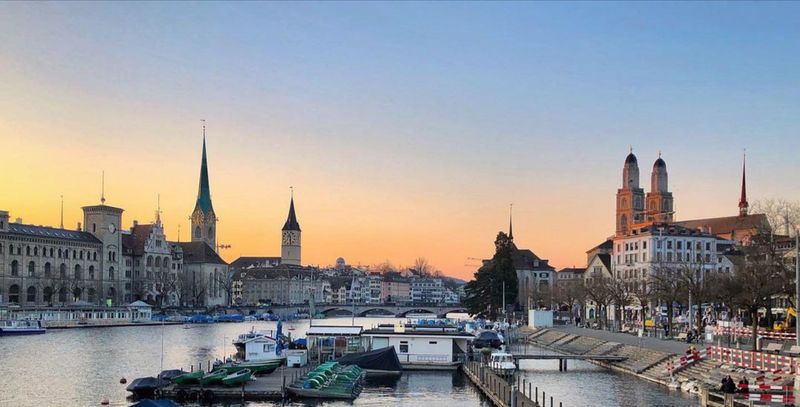
Small city, giant wallet. Zurich has fewer people than most places on this list, but its economic intensity is exceptional.
Banking, insurance, asset management, private equity, family offices, tech, pharmaceuticals, and creative industries all thrive here. Highly specialized professional services fill in the gaps.
The result is a deeply varied, high-value economy that does not rely on one trick.
The city’s 2025-26 financial-center study stresses how private equity, venture capital, foundations, and family offices fund startups and new ideas. That steady supply of patient money helps young companies grow.
Brainpower plays a part too. ETH Zurich keeps producing research spin-offs, which feed clusters in ICT, life sciences, cleantech, and advanced engineering.
More than 50,000 businesses operate within the city limits.
Swiss wages and productivity are high, so every worker adds a lot of value. That is how Zurich generates economic influence far beyond what its population would suggest.
Tidy trams and spotless streets are just the cherry on top.
Share this story