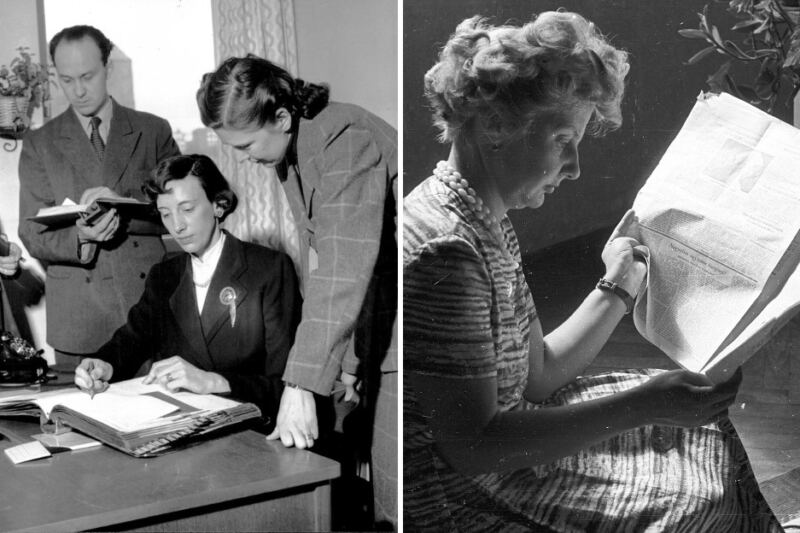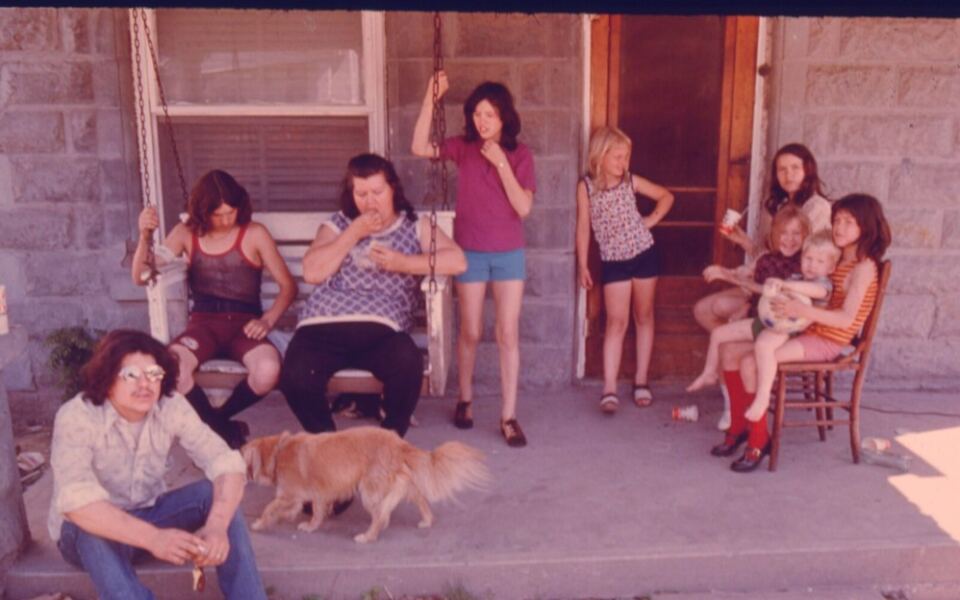
In 1955, a plate of crackers and a pot of percolator coffee counted as entertaining. Friends dropped by after supper, neighbors wandered over from the next yard, and nobody apologized for the laundry on the couch.
Today, the front door stays closed a lot more often. According to the American Time Use Survey, Americans aged 15 and older spent about 35 minutes a day socializing and communicating in 2025, down from 41 minutes in 2015.
Only 30 percent of people socialized on an average day, compared with 38 percent a decade earlier. The steepest drop belongs to young people, whose daily social time fell from roughly 150 minutes in 2003 to about 40 minutes by 2020.
So what happened to the casual visit? The answer is not one big change but a pile of smaller ones.
Money, technology, work schedules, home design trends, and new manners have all played a part. Some reasons go back to the Great Depression, while others arrived with the smartphone.
Keep reading to see how each shift chipped away at the simple act of saying come on over, and why bringing it back may be easier than you think.
1. Hosting Has Become More Expensive Than People Realize
Grocery receipts have a way of turning a friendly dinner idea into a budget meeting. Feeding six adults today can easily run past a hundred dollars once snacks, drinks, and dessert join the main course.
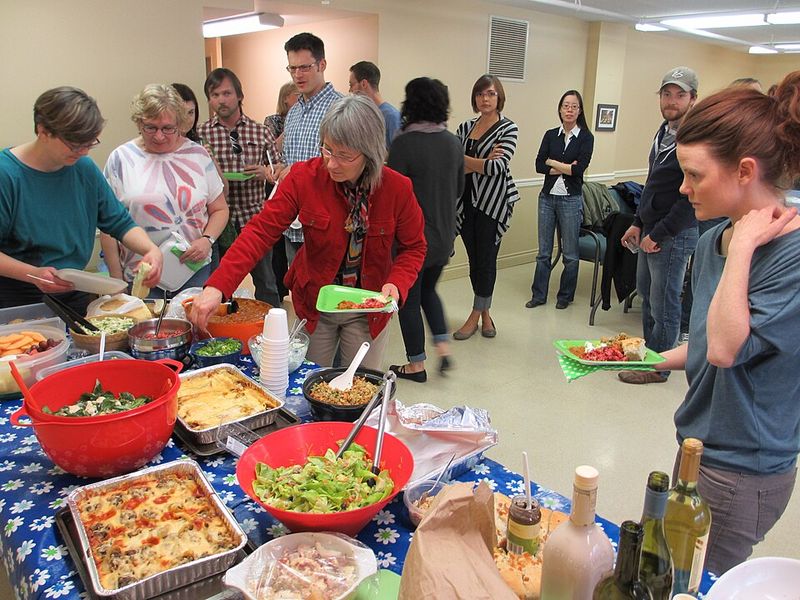
Earlier generations had a clever workaround. During the Great Depression of the 1930s, the modern potluck took off because nobody could afford to feed a crowd alone.
Each family brought one dish, and the meal came together on the table.
Church basements, rural grange halls, and community centers made the potluck a fixture of American life for decades. Immigrant families, farm households, and congregations used it to share food after services and during seasonal events.
Somewhere along the way, expectations shifted. Many hosts now feel they must provide everything, from the appetizers to the specialty sparkling water.
The fix is surprisingly old-fashioned. Ask guests to bring a side dish or dessert.
Most people are happy to help, and the cost of the evening drops fast. Sharing the menu also makes the gathering feel like a group effort rather than a one-person performance.
2. People Feel Their Homes Have to Look Perfect

Pinterest launched in 2010, and the American living room has been nervous ever since. Instagram joined the party the same year, filling feeds with spotless kitchens and dining tables styled like magazine covers.
Those images quietly set a new standard. People started comparing their real homes, with scuffed baseboards and stacks of mail, to professionally staged photos.
The mid-century home followed different rules. A typical 1960s house was a busy place where kids did homework at the kitchen table and toys lived on the floor.
Guests expected a lived-in look because everyone’s home looked that way.
Now the home often feels like something on display. A worn sofa or an unfinished paint job can seem embarrassing enough to cancel an invitation.
Here is a helpful reality check. Friends rarely remember the throw pillows.
They remember the conversation, the laughs, and the snacks.
A quick ten-minute tidy is usually plenty. Clear a spot on the couch, wipe the counter, and let the rest be part of your story.
3. Everyone’s Schedule Seems Completely Full

Pull out any family calendar, and it probably resembles an airport departure board. Soccer practice, dentist visits, work shifts, and school projects fill nearly every square.
Part of the reason is economic. In 1970, about 31 percent of two-parent households had both parents working full time.
By 2015, that figure reached 46 percent, according to the Pew Research Center.
More working hours meant fewer open evenings. Add children’s activities, which grew far more organized starting in the 1980s and 1990s, and free weekends became rare.
Even retirees report busy calendars packed with volunteering, classes, and grandkid duty. Coordinating four or five adults can take weeks of group texts.
The old habit of a spur-of-the-moment invitation struggles in this environment. Plans get pushed to next month, then the month after that.
One practical solution is a standing date. Pick the first Friday of each month for an open house or pizza night.
When the time is already set, nobody has to negotiate, and friends simply show up when they can.
4. Social Media Creates the Feeling of Staying Connected
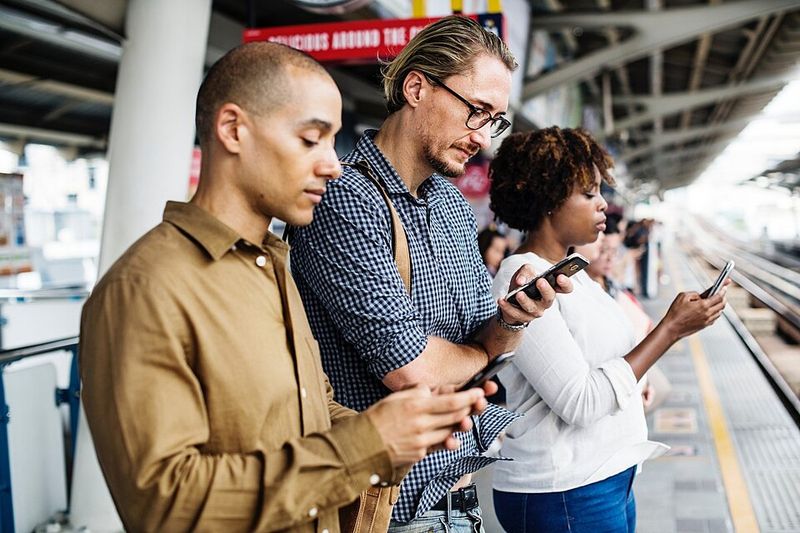
Thanks to Facebook, you probably know what your college roommate’s dog looks like in a Halloween costume. You may not know the last time you actually talked with that roommate.
Facebook opened to the public in 2006, and Instagram followed in 2010. Suddenly, birthdays, vacations, and new jobs arrived in a steady stream on a phone screen.
Research shows social media can help maintain friendships, especially across long distances or mismatched schedules. That part is genuinely useful.
Studies also suggest these platforms rarely make friendships stronger. Some research even connects heavy use with feelings of loneliness.
The tricky part is the illusion. Seeing constant updates makes a friendship feel active, even when months pass without a real conversation.
Liking a photo starts to feel like catching up.
A simple habit can help balance things out. When a friend’s post catches your eye, reply with an invitation instead of a heart.
Something like that looks fun, come tell me about it over coffee Saturday turns scrolling into a real visit.
5. People Are More Protective of Their Free Time

Saturday evening has become sacred territory for a lot of tired Americans. After a long week, a quiet night with a book or a favorite hobby can sound better than any party.
Economists have found that the average American works fewer annual hours than in the early 20th century. That sounds like more free time, yet much of those extra hours goes to chores, errands, and family logistics.
Hosting adds its own list of tasks. Someone has to plan, shop, cook, greet, and clean up afterward.
When energy runs low, even a fun evening can feel like overtime. People have also grown more comfortable saying no, partly thanks to the self-care conversations of the 2010s.
Choosing rest is not the same as giving up on friends. It often reflects a better sense of personal limits.
Still, there is a smart compromise. Invite one or two close friends for a low-effort evening, like takeout and a movie.
Small gatherings recharge many people instead of draining them, and no one needs to scrub the oven first.
6. Fewer People Know Their Neighbors Well
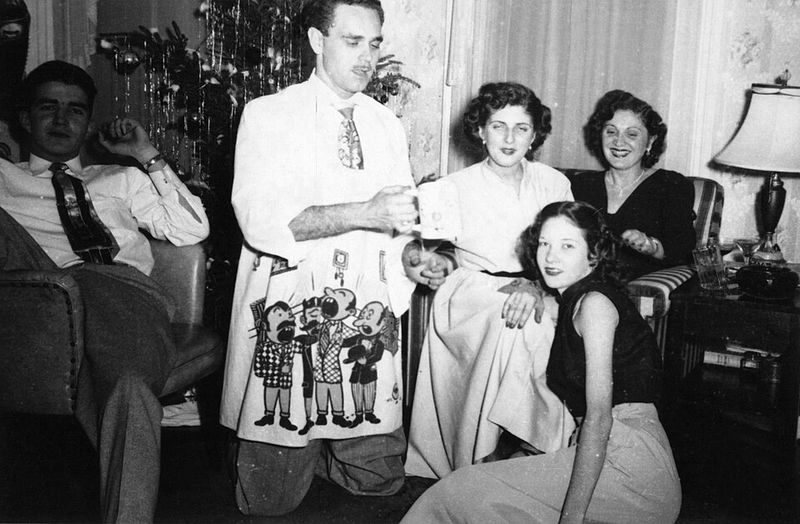
Here is a surprising twist. Americans actually move less often than they used to, yet many still barely know the people next door.
In the 1980s, nearly one in five Americans moved each year. By 2018 and 2019, that rate fell to about one in ten.
Between March 2020 and March 2021, it hit a record low of 8.4 percent.
Staying put should build neighborhood bonds, but other changes got in the way. Long commutes keep people away from home for much of the day.
Attached garages, popular in suburbs since the 1950s and 1960s, let drivers pull in and close the door without seeing anyone. Front porches gave way to private backyard patios.
Apartment dwellers face a similar pattern. Residents can share a hallway for years and only trade nods.
Without everyday contact, inviting a neighbor over feels like a big leap. Small steps work best.
Wave, introduce yourself, or drop off extra cookies. A few friendly chats often make the first invitation feel natural.
7. Streaming Services Have Made Staying Home More Tempting
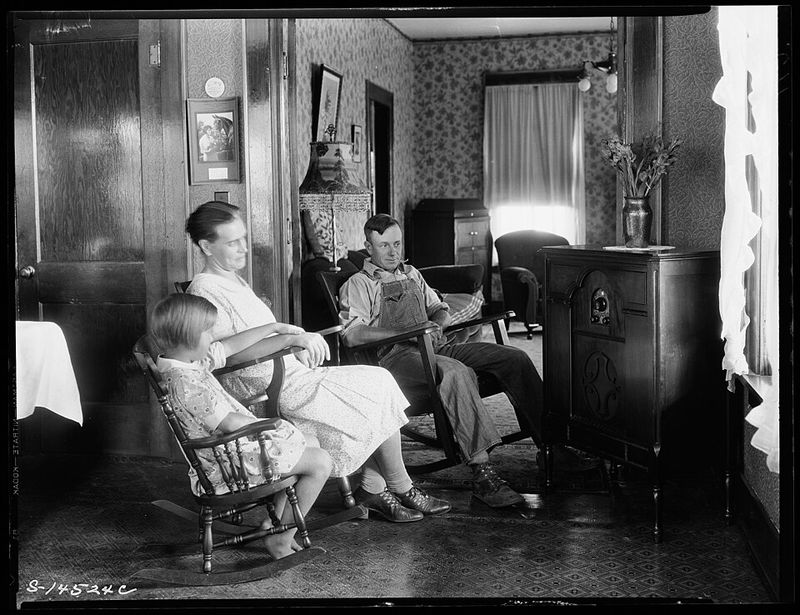
In the 1940s, a big night in meant tuning the family radio to a favorite program at exactly the right time. Miss it, and it was gone.
Television changed that routine in the 1950s, though choices stayed limited to a handful of channels. Friends often gathered for cards, board games, or just conversation because there was not much else to do.
Fast forward to 2007, when Netflix began streaming movies online. Hulu, Disney+, and many others followed, offering massive libraries available any hour of the day.
Video games grabbed a growing share of leisure time as well. In 2025, Americans aged 15 to 19 spent about 1.5 hours a day gaming or using a computer for fun.
With so much entertainment on demand, the couch becomes very comfortable. Organizing a social evening suddenly requires more motivation.
The good news is that screens can bring people together too. Host a season finale night, a classic movie marathon, or a game tournament.
Shared entertainment gives guests an easy reason to come over.
8. Dropping By Without Calling Is No Longer Always Welcome
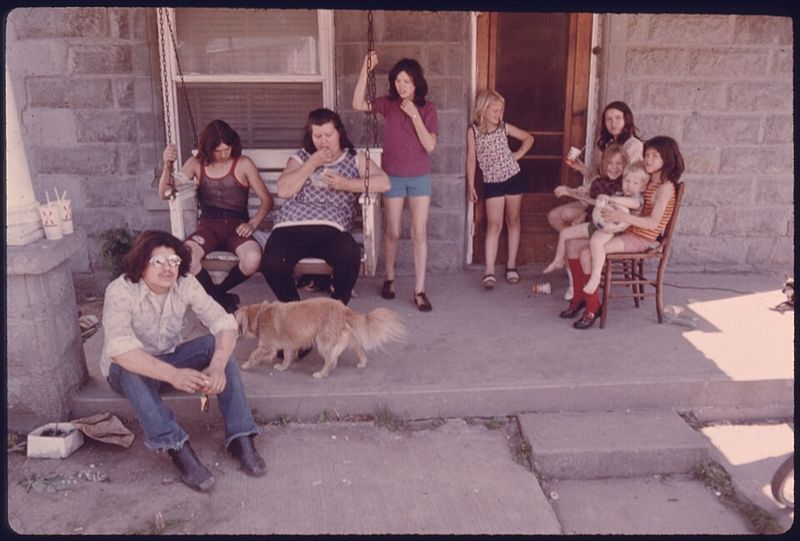
Long before doorbell cameras, the word potluck meant something different. In 16th-century England, it described food kept ready for an unexpected guest, literally the luck of the pot.
That idea of readiness lasted a long time in America. In small towns and rural areas especially, neighbors stopped by to borrow sugar, share news, or chat for ten minutes on the porch.
Nobody called ahead because, frankly, many households did not have a phone in every room. The knock on the door was the phone call.
Things look different now. Most Americans prefer a quick text before anyone arrives.
Remote work, which surged after 2020, means a living room might also be an office in the middle of a video meeting.
Privacy has become a bigger priority too. People want a chance to change out of pajamas or finish a task first.
A friendly middle ground works well. Send a short message like heading your way in twenty, okay to stop by.
It keeps the spontaneity while respecting the other person’s time.
9. Hosting Can Feel Like Another Household Chore
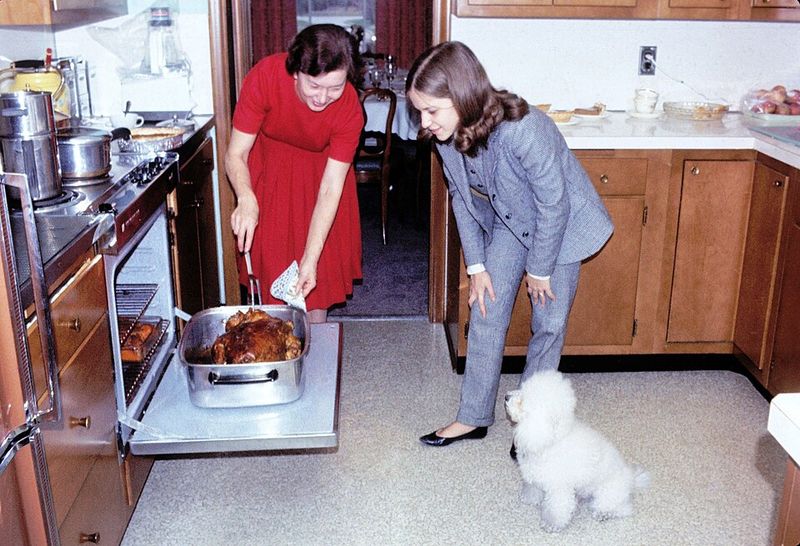
Clean bathrooms do not appear by magic, as every host eventually discovers. Before guests arrive, someone has to vacuum, cook, set out dishes, and handle the pile by the sink.
That someone has historically been a woman. In early America, women’s labor covered cooking, cleaning, sewing, and running the home.
After industrialization, paid work shifted mostly to men, and unpaid housework lost much of its recognition.
Mid-century magazines then pushed the image of the perfect hostess with a spotless home and a fancy casserole.
Roles have changed, but not completely. A 2015 Pew survey found that in many dual-income households, women still handle the larger share of chores.
For the person carrying that load, a dinner party can look like a second job. Questioning whether it is worth the effort is a reasonable reaction.
Splitting the work changes everything. One partner cooks while the other cleans, or guests help clear the table.
When hosting feels like teamwork, the evening becomes something to enjoy instead of survive.
10. Friendships Are Often Spread Across Different Cities

Your best friend from fourth grade might now live three time zones away. For millions of Americans, close friends are scattered across the map.
The pattern grew after World War II. The GI Bill sent veterans to colleges far from home, and the Interstate Highway System, started in 1956, made relocating easier.
Later decades added cheaper air travel and career moves that followed jobs from city to city. College alone separates many friend groups at age 18.
Staying close once depended on letters and pricey long-distance phone calls, often saved for Sunday evenings when rates dropped. Video chat and group texts are a huge upgrade.
Even so, a screen cannot pass the salad. Seeing a faraway friend requires plane tickets, vacation days, and careful planning.
The result is a strange situation. People may have strong friendships yet very few friends within a short drive.
Building local ties helps fill that gap. Coworkers, hobby groups, and fellow parents can grow into the kind of friends who come over on a Tuesday.
11. People Worry About Being a Burden
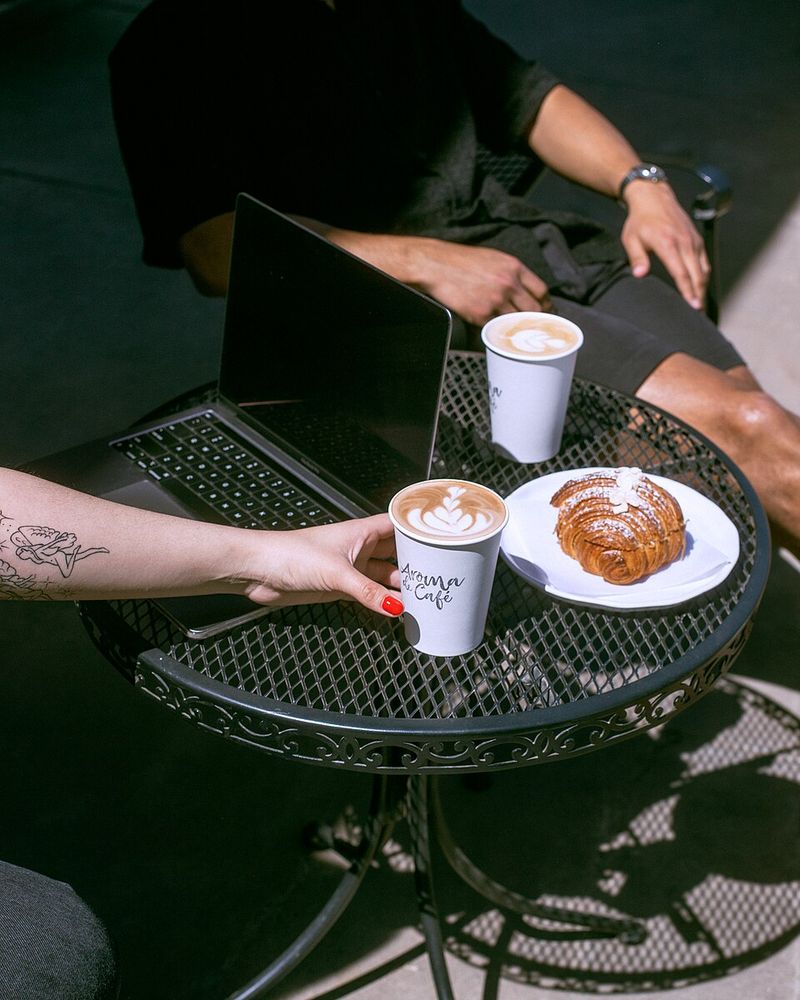
Some people turn down invitations because they do not want to create extra work for the host.
Others never invite anyone, assuming their friends already have full plates. Both sides mean well, and both miss out.
Earlier communities often ran on mutual give and take. Neighbors traded favors, shared meals, and asked for company without much worry.
Accepting hospitality was simply part of the deal.
Modern life puts more weight on efficiency and personal boundaries. Those values have benefits, yet they can make people overly cautious about asking.
Psychology research offers a reassuring point. People tend to underestimate how much others enjoy being invited or reached out to.
So go ahead and ask. Keep the offer low pressure, like coffee this weekend if you are free.
Most friends will be glad you broke the silence first.
12. Casual Gatherings Have Turned Into Planned Events
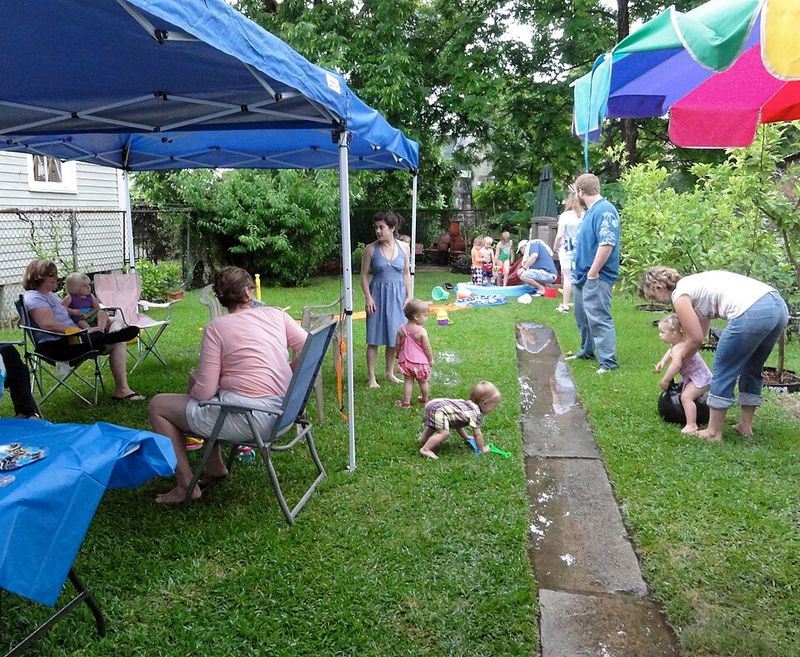
A 1970s birthday party usually meant a sheet cake, paper hats, and kids running around the backyard. Today, some parties come with balloon arches, custom banners, and color-coordinated dessert tables.
Visual social media helped drive that change. In 2025, over 72 percent of event planners relied on Instagram and Pinterest to show off themes and decor.
Everyday hosts see those polished photos and feel the pressure. A simple get-together starts to look too plain by comparison.
The shift reaches beyond birthdays. Holiday dinners, game nights, and even backyard cookouts can turn into projects requiring menus, schedules, and shopping lists.
When hosting equals a production, people do it less often. Big events have their place, but they cannot happen every weekend.
Plenty of Americans still love relaxed gatherings, and they may be the key to reviving home visits. Try a come-as-you-are evening with chips, a deck of cards, and no theme at all.
Ordinary nights rarely make social media, yet they build the strongest friendships.
Share this story