Britain packs an astonishing amount into one small island. In a single trip, you can walk through a Roman bathhouse, climb a cathedral dome, stand beside a prehistoric stone circle, and stroll through a rainforest under a giant dome in Cornwall.
This list pulls together fifteen attractions across England, Scotland, and Wales, from royal fortresses to free museums and sprawling gardens. Some are famous names, and a few come with details that may surprise you.
Opening times change with the seasons, so check each official website before you go. Save this list, send it to your travel buddy, and start planning.
Tower of London, London, England
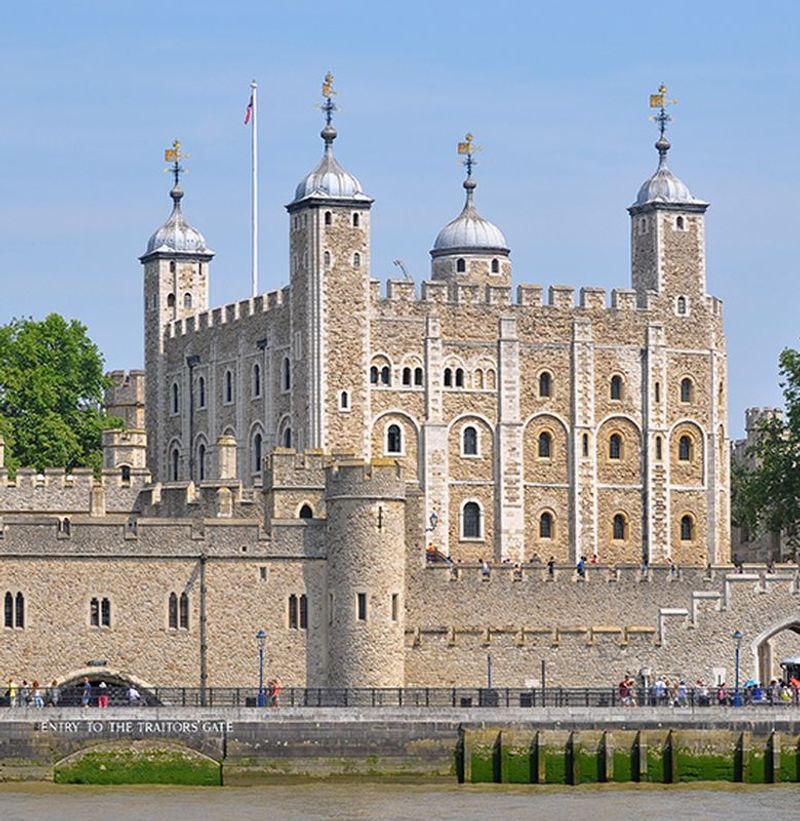
Few places stack up as many chapters of British history as this riverside fortress. William the Conqueror founded it, and over the centuries it served as a royal palace, prison, armory, and treasury.
Inside, you can see the Crown Jewels and explore the White Tower, which is nearly 1,000 years old. Yeoman Warders lead tours packed with stories about kings, queens, prisoners, and political trouble.
The resident ravens are almost as famous as the fortress itself, and they tend to draw crowds of photographers. It is also a UNESCO World Heritage Site, which says a lot about its importance.
The Tower is a working visitor attraction, and current opening information shows it welcoming guests in October 2026. Plan on a few hours, since the grounds, towers, and exhibitions take time to cover properly.
Arriving early in the day gives you more breathing room around the busiest displays.
Stonehenge, Wiltshire, England
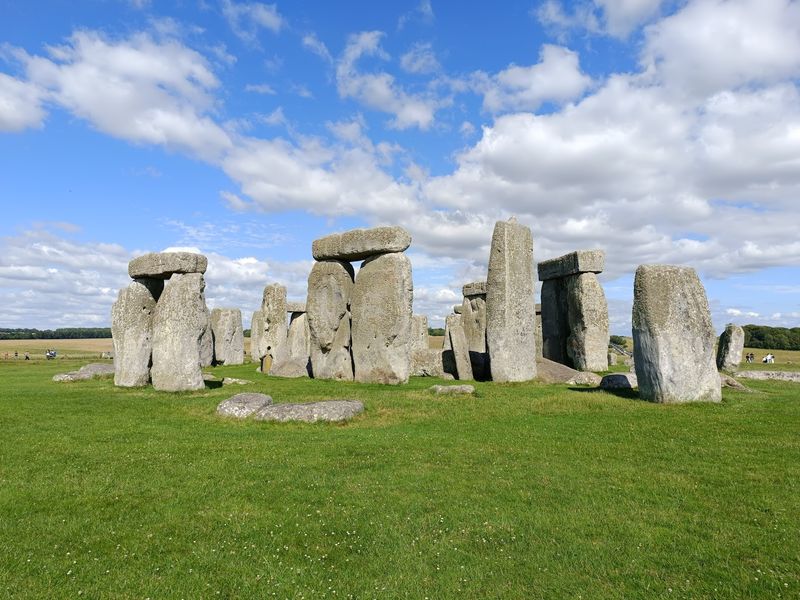
Nobody has fully explained how or why these giant stones were raised, and that mystery keeps archaeologists busy even after centuries of study. The monument dates to prehistoric Britain, which makes the puzzle even bigger.
A visit covers more than the famous circle. An exhibition explains the prehistoric landscape, and reconstructed Neolithic houses show how communities in this area may have lived thousands of years ago.
Walking the path around the stones gives you a feel for how large they are and how open the surrounding land is. Many visitors are surprised by how much there is to learn before they even reach the circle.
Stonehenge is open to visitors and currently operates daily, though hours shift with the seasons. Check the official schedule before you travel, and book ahead if you can, since this is one of the most popular stops in Britain.
Edinburgh Castle, Edinburgh, Scotland
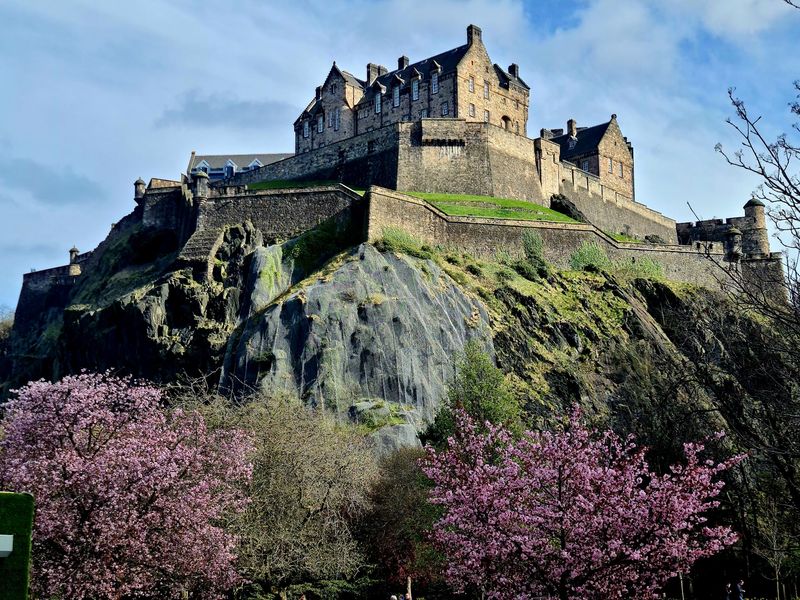
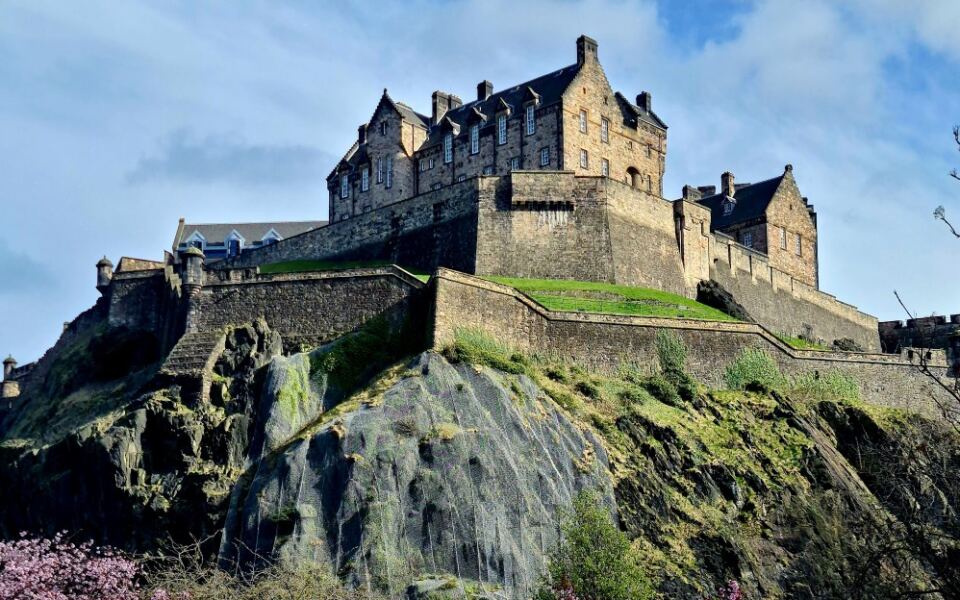
Spotting this fortress takes no effort at all, because it sits high on Castle Rock above Scotland’s capital. The rock is an ancient volcanic outcrop, and the castle on top has played a central role in centuries of Scottish history.
Inside are some of the country’s most important treasures, including the Honours of Scotland and the Stone of Destiny. You can also explore military exhibitions, royal rooms, and historic defenses.
The viewpoints along the walls give wide looks over the city, so bring a camera. The climb up and the walk between sections can take a while, so wear comfortable shoes.
Edinburgh Castle remains open daily, with hours that change by season. Leave a good half day if you want to see the main sights without hurrying through them.
Windsor Castle, Windsor, England
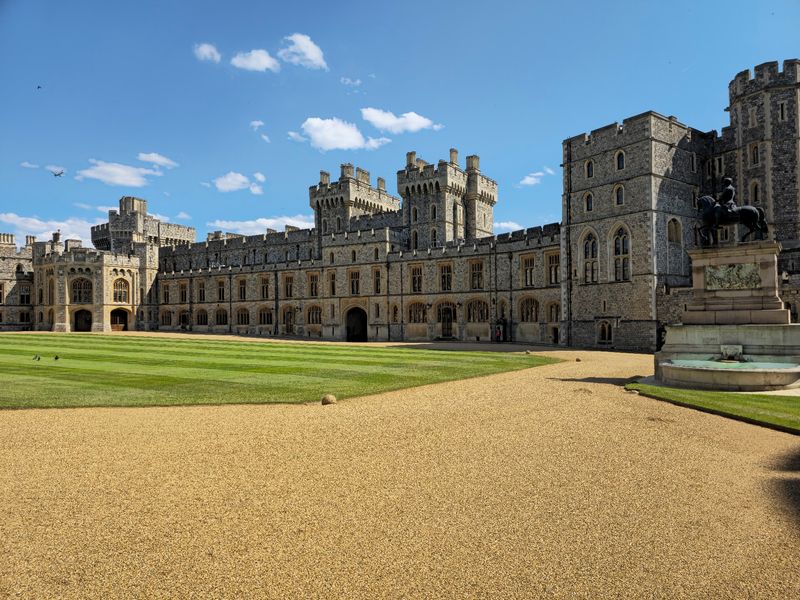
Royal history feels close at hand here, since the huge complex is still a working royal residence. It also welcomes visitors through much of the year, which is not something every castle can say.
Highlights typically include the lavish State Apartments, historic works from the Royal Collection, and St George’s Chapel. Roughly 1,000 years of royal history sit behind these walls, making it one of Britain’s most remarkable continuously used royal sites.
Windsor is not a museum frozen in the past. It still carries out ceremonial and royal functions today, which gives a visit a different flavor from a ruined fortress.
The Royal Collection Trust currently lists Windsor Castle as open Thursday through Monday. Since days and times can change, check the official page before booking, and give yourself plenty of time to see the State Apartments and the chapel.
Roman Baths, Bath, England
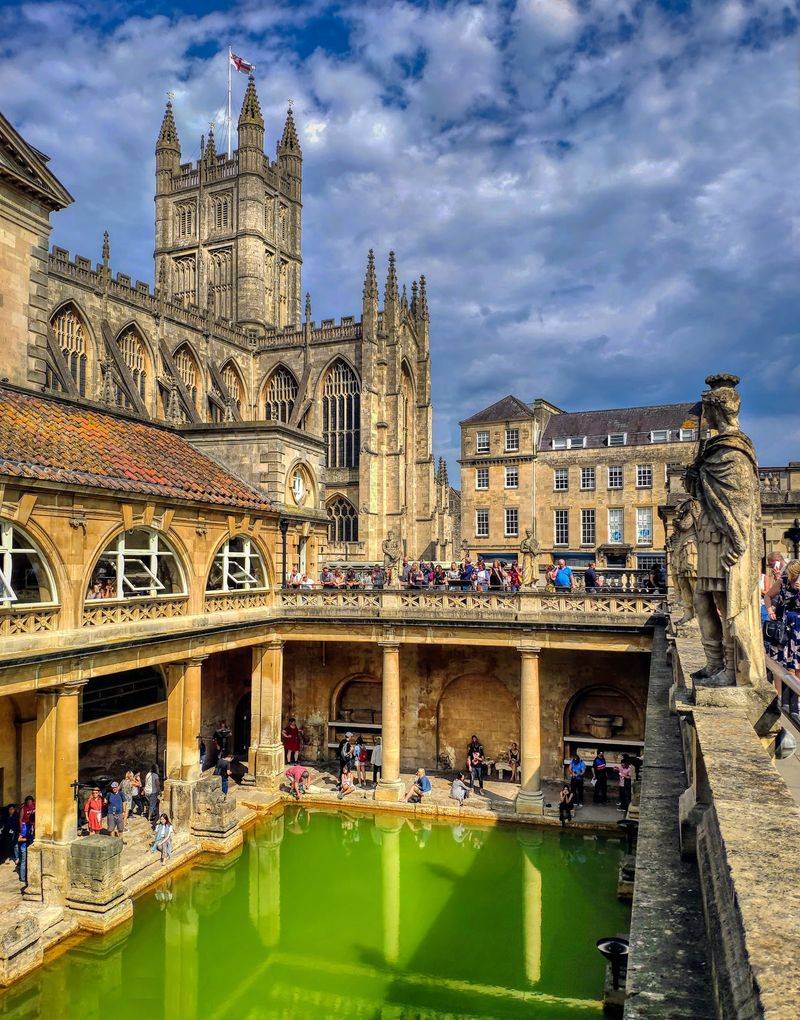
Under the elegant Georgian streets of Bath lies evidence of a much older city. The Roman Baths preserve the remains of a bathing complex built around natural hot springs.
Visitors can walk beside the Great Bath, view archaeological finds, and learn how bathing, religion, and social life blended together in Roman Britain.
Displays and reconstructions help show what the site looked like when Aquae Sulis, as Roman Bath was known, was thriving. It makes the ruins much easier to picture.
The attraction remains open daily. During its autumn schedule, it operates from 9 a.m. to 6 p.m., with variations at other times of year.
Bath itself is easy to explore on foot, so pair your visit with a wander through the city’s honey-colored streets.
British Museum, London, England
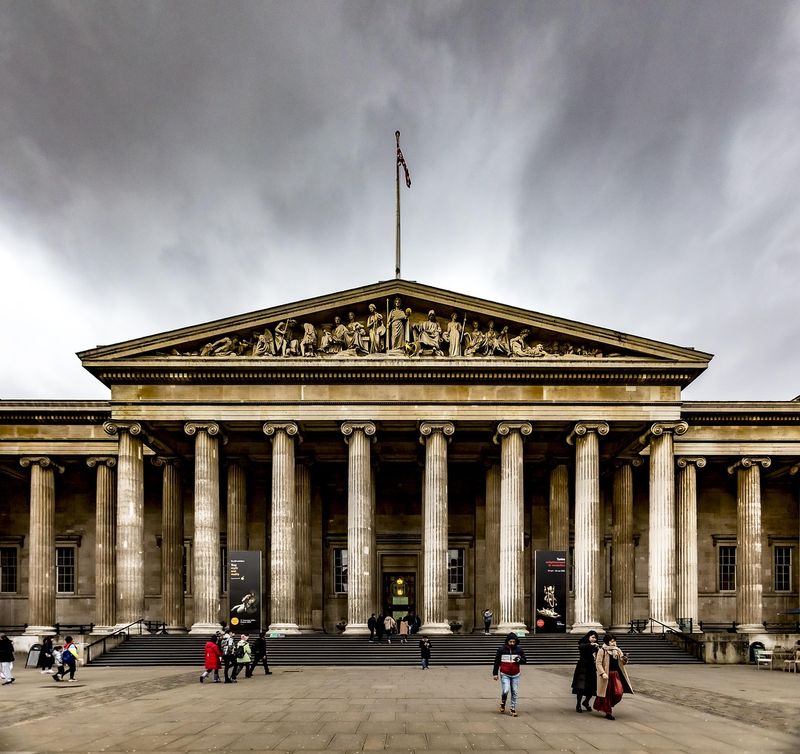
Plan for more time than you expect, because even people who rarely visit museums can lose several hours here. The collection ranks among the world’s great records of human history and culture.
Galleries span thousands of years and cover ancient Egypt, Greece, Rome, Africa, Asia, the Americas, and many other cultures. You can pick a few favorite areas instead of trying to see everything.
Admission to the permanent collection is free, which makes it a budget-friendly stop in an expensive city. Advance booking is recommended, and some special exhibitions require paid tickets.
The museum is currently open daily, with extended opening on Fridays. A Friday visit can be a smart way to spread out your sightseeing and avoid rushing through the galleries.
York Minster, York, England
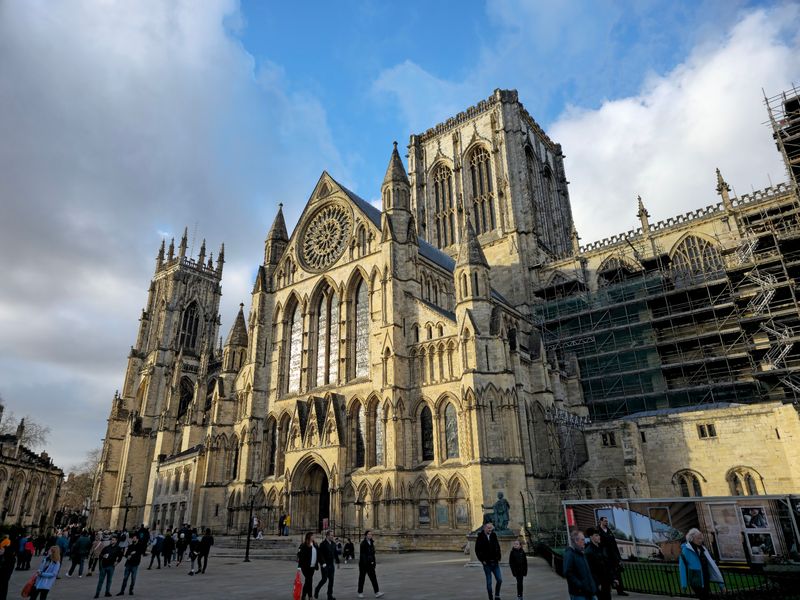
York’s skyline belongs to this cathedral, which rises over one of England’s most historic cities. It is known for soaring Gothic architecture and extraordinary stained glass.
There is more below the surface, too. Archaeological remains under the building reveal earlier Roman and Norman chapters of York’s story.
Visitors willing to climb 275 steps can reach the Central Tower for expansive views over the city. It is a workout, but the rooftop outlook gives a fresh look at the streets below.
York Minster remains an active place of worship as well as a major visitor attraction. It is open throughout the year, although sightseeing times sometimes change to make room for services and events.
Check the schedule before your visit so you can plan your day around it.
Kew Gardens, London, England
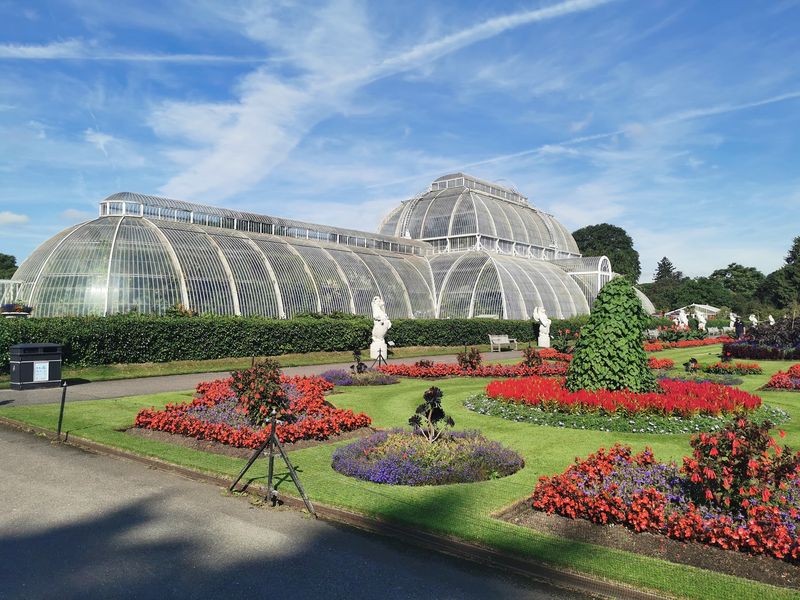
Palaces and museums fill most London itineraries, but Kew offers a very different day out. The UNESCO-listed botanical gardens hold more than 50,000 living plants across roughly 320 acres.
Historic glasshouses, landscaped gardens, scientific collections, and seasonal displays make it easy to spend most of a day wandering. Comfortable shoes are a good idea.
Among the best-known features are the Palm House and the elevated Treetop Walkway. Because the plant variety is so large, the scenery changes a lot from one season to the next.
Kew remains open daily, although individual buildings and attractions can occasionally close for maintenance or seasonal reasons. If there is a particular glasshouse you want to see, check the official site ahead of time so you do not miss it.
Warwick Castle, Warwick, England
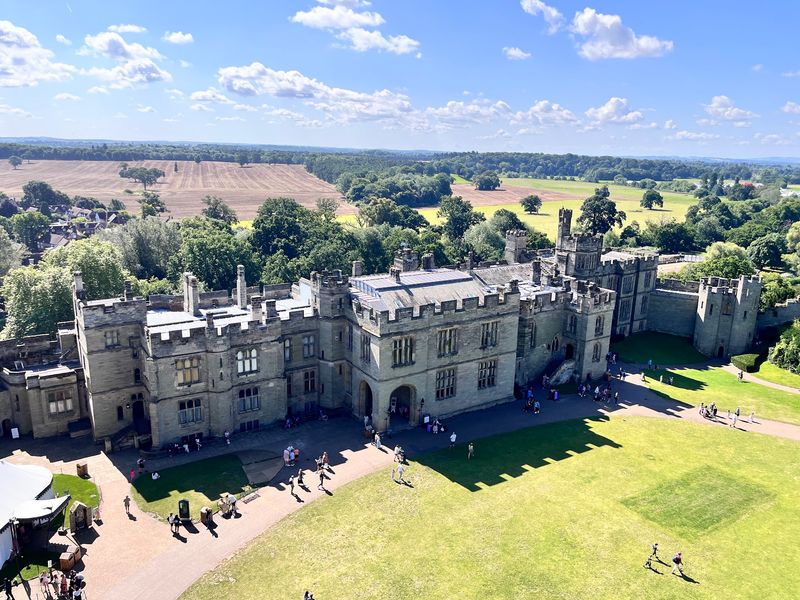
Real medieval history and a lively family attraction share the same grounds here. The castle was first established after the Norman Conquest and grew over the centuries into the fortress and residence seen today.
Visitors can climb towers, walk the ramparts, step into lavish interiors, and roam extensive grounds while learning about the people who lived and fought here.
Families tend to enjoy it because the history is mixed with performances and seasonal events. Kids who might get restless at a quiet museum often stay interested when there is something happening.
Warwick Castle remains fully operational, and its daily opening schedule changes by season and special events. In late October 2026, the castle is also hosting its annual Halloween program, so check dates if you want to catch it.
Caernarfon Castle, Caernarfon, Wales
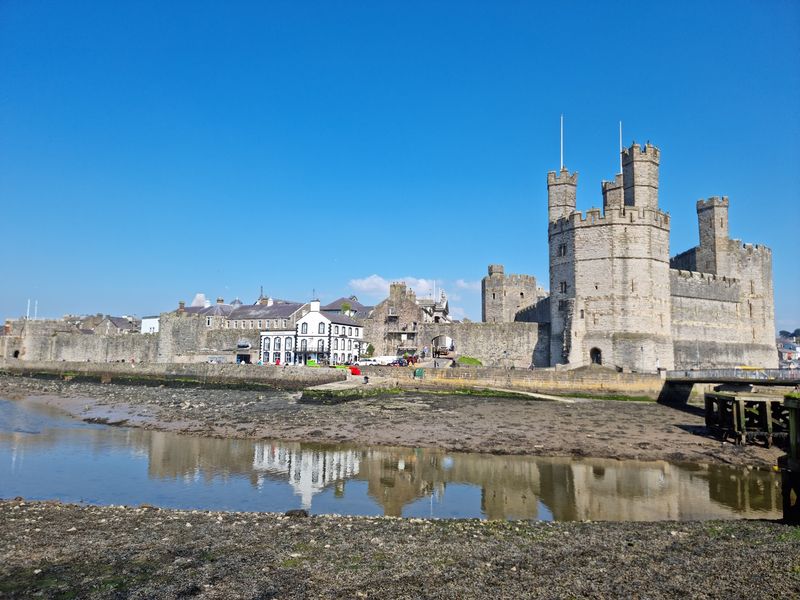
Wales has a remarkable number of castles, yet Caernarfon is hard to beat for scale and drama. Edward I began building it in the late 13th century.
Its polygonal towers and massive walls created one of medieval Britain’s most imposing strongholds. The castle is part of the UNESCO-listed Castles and Town Walls of King Edward in Gwynedd.
Visitors can explore towers, passages, and exhibitions, and some sections overlook the town and the surrounding landscape. Climbing around the walls gives a good sense of how the fortress was laid out.
Caernarfon Castle is open to visitors throughout the year, with shorter hours in winter. Some areas may occasionally be inaccessible during maintenance work, so check ahead if there is a specific tower you hope to climb.
Eden Project, Cornwall, England
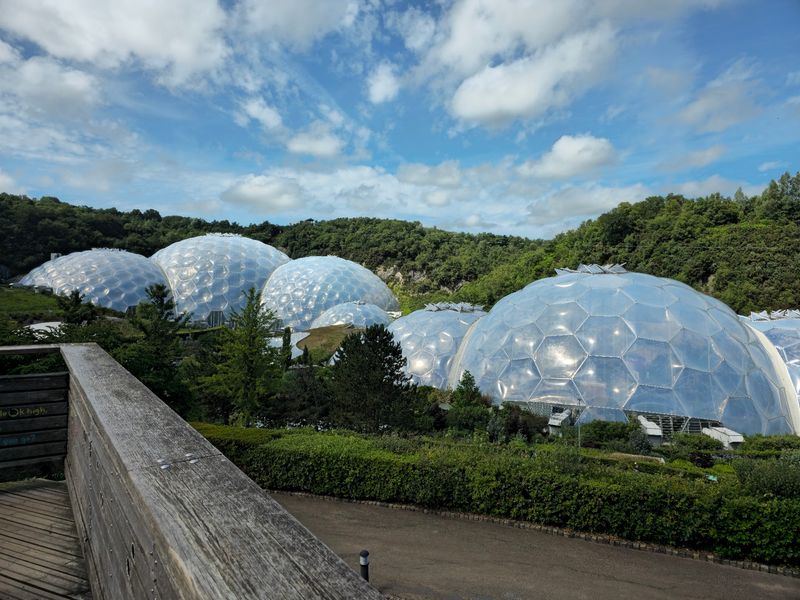
Not every unforgettable British attraction has to be centuries old. The Eden Project proves it, with enormous covered biomes built inside a former clay pit in Cornwall.
Each biome recreates a different climate and holds remarkable plant collections. The Rainforest Biome gives a humid tropical experience, while other areas explore Mediterranean landscapes, sustainability, biodiversity, and the relationship between people and nature.
The futuristic structures have become landmarks themselves, so the site looks as memorable from the outside as it is educational on the inside.
The Eden Project remains open in 2026, with hours adjusted seasonally through autumn and winter. Check the current schedule before you go, and bring layers, since moving between the biomes and the open grounds can mean quick changes in temperature.
Blenheim Palace, Oxfordshire, England
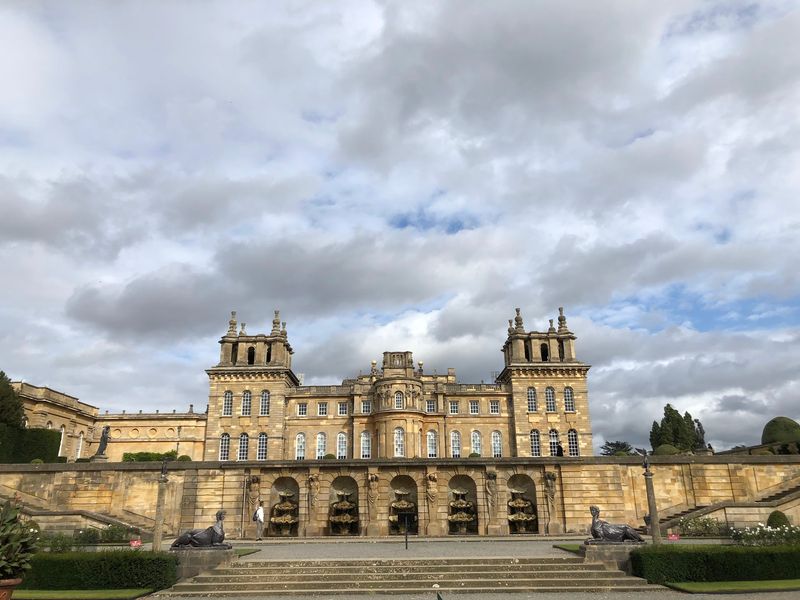
Anyone picturing the classic English country house will find it here on a grand scale. This monumental Baroque palace is the birthplace of Winston Churchill and the home of the Dukes of Marlborough.
Inside, richly decorated State Rooms hold portraits, tapestries, furniture, and detailed architecture. Additional tours reveal more about life on the estate.
Outside, extensive gardens and parkland offer plenty of room for long walks. It is easy to spend a full day without seeing everything.
Blenheim Palace remains open to visitors, with its State Rooms, gardens, parkland, and Walled Garden currently operating. Because the grounds are so large, wear comfortable shoes and plan your route in advance so you can balance the interiors with time outdoors.
St Paul’s Cathedral, London, England
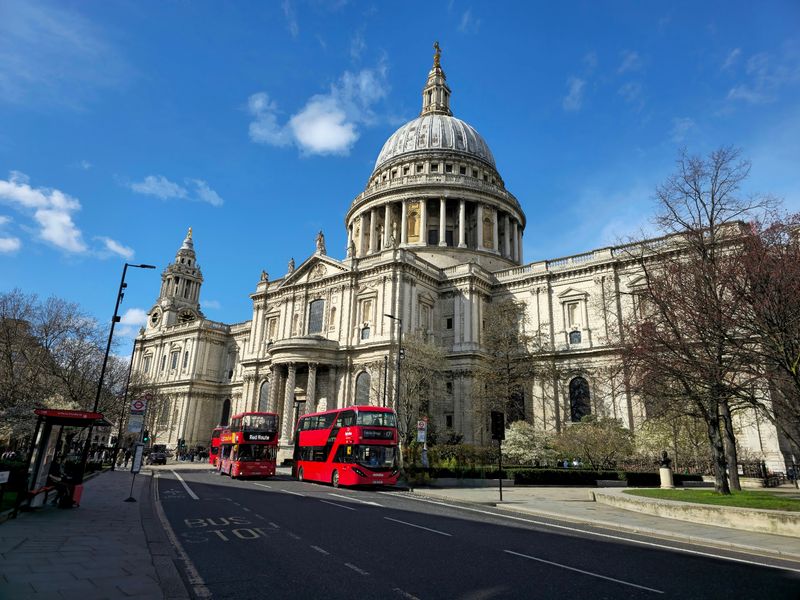
Sir Christopher Wren’s enormous dome has anchored London’s skyline for centuries, but seeing it from the street shows only part of the story.
Visitors can explore the cathedral floor and crypt before climbing into the dome galleries. The upper levels reward the effort with views inside the cathedral and across central London.
St Paul’s has hosted major national ceremonies, including royal celebrations, funerals, and the 1981 wedding of Prince Charles and Lady Diana Spencer.
The cathedral continues to function as an active church. Sightseeing is generally available Monday through Saturday, though visiting times can change around services and special events.
Check the official schedule first, and save your energy for the climb, since the dome involves a lot of steps.
National Museum of Scotland, Edinburgh, Scotland
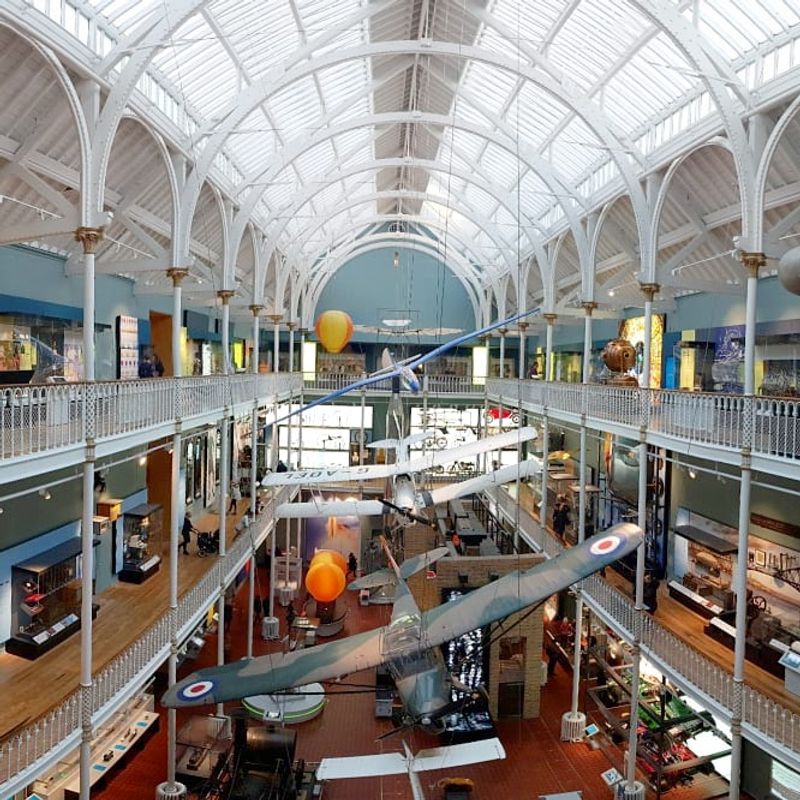
Travelers who want to understand Scotland, rather than simply photograph its castles and landscapes, can start here. The museum moves from Scottish archaeology and national history into science, technology, natural history, fashion, design, and world cultures.
Thousands of objects fill dozens of galleries, inside a building that blends historic and modern architecture. It is easy to wander from one topic to a completely different one in a few steps.
Permanent admission is free, although certain temporary exhibitions carry a charge. That makes it a handy choice on a rainy day or a tight budget.
The museum is currently open daily from 10 a.m. to 5 p.m., apart from limited holiday closures and adjusted festive hours. Check the calendar if you are visiting around the holidays.
National Gallery, London, England
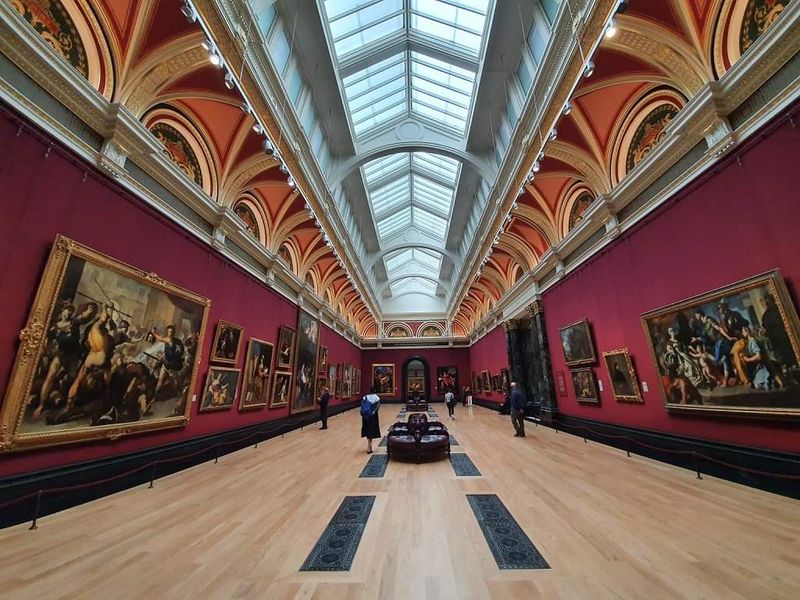
Right on Trafalgar Square, this gallery offers one of the world’s great collections of European paintings without charging general admission.
More than 1,000 paintings are normally on display, covering centuries of art. Works are associated with painters such as Van Gogh, Turner, Uccello, and Gentileschi.
Its central location makes it simple to combine with other London landmarks. Whether you have an entire afternoon or only an hour, you can still see a few masterpieces and move on.
The National Gallery remains open daily, with free general admission and extended Friday opening hours. If time is short, choose a handful of rooms ahead of time and focus on those.
Fridays give you extra hours to explore at an easier pace.
Share this story