Europe is often pictured as a wealthy continent full of thriving cities, but the reality is far more uneven than that image suggests. Some cities sit in regions where the average income per person is less than half the EU average, even when those same cities are packed with history, culture, and daily life.
Regional GDP per capita is one of the most reliable ways economists compare wealth across Europe, and the numbers reveal a clear pattern: certain areas in Bulgaria, Greece, Hungary, Romania, and Croatia consistently rank at the bottom. This list looks at 15 real cities tied to those lower-income regions, ranked from the least wealthy upward, and explains what the numbers actually mean for the people and places behind them.
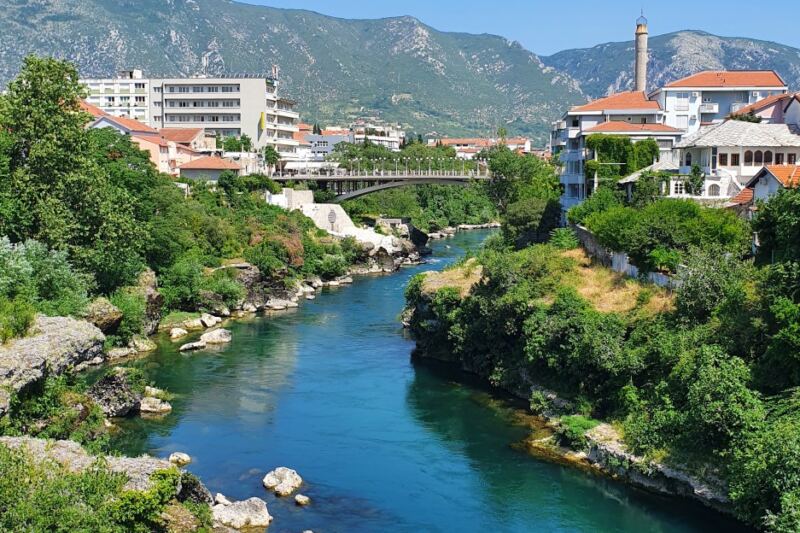
Vidin, Bulgaria
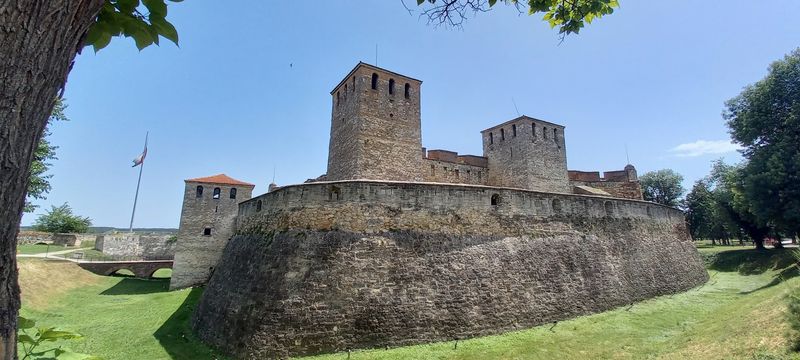
Few places in the European Union show the gap between history and economic output as clearly as Vidin. Sitting on the Danube River in Bulgaria’s North-West region, this city is home to Baba Vida Fortress, one of the best-preserved medieval castles in the country.
It has a real identity, a real history, and a real population that lives and works there every day.
Economically, though, the numbers tell a harder story. North-West Bulgaria was recorded at roughly 16,700 euros GDP per capita in 2024, placing it at about 42 percent of the EU average.
That makes this region one of the lowest-ranked in the entire EU by this measure.
Depopulation has been a serious challenge here for years, with younger residents moving to Sofia or abroad for better opportunities. Limited investment and weaker job markets have compounded the gap.
Vidin remains worth knowing, but its regional economic position sits firmly at the base of this ranking.
Mytilene, Greece
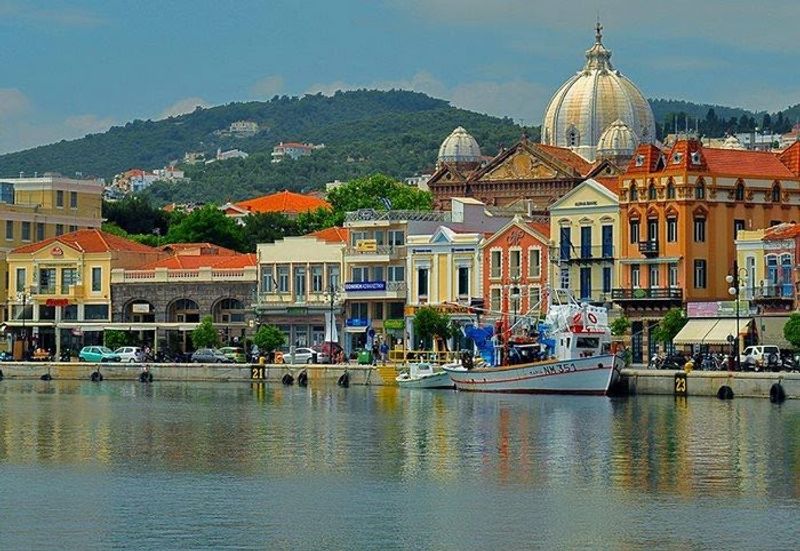
Mytilene, the main city on the Greek island of Lesbos, carries centuries of layered history in its harbor, its architecture, and its streets. Ottoman-era buildings stand alongside Byzantine churches and waterfront cafes.
For visitors, it presents as a lively and scenic island city with a strong sense of place.
The broader economic picture is more complicated. Greece’s North Aegean region, which includes Lesbos, was listed at around 16,800 euros GDP per capita in 2024, or roughly 42 percent of the EU average.
Island economies often carry structural disadvantages, including higher transport costs, seasonal employment cycles, and fewer large-scale industries.
These factors make it harder for island regions to match the income levels of mainland urban centers. Mytilene is not a struggling settlement by any visual measure, but its regional economic ranking places it near the very bottom of this list.
The gap between appearance and economic output is part of what makes this ranking genuinely interesting.
Veliko Tarnovo, Bulgaria
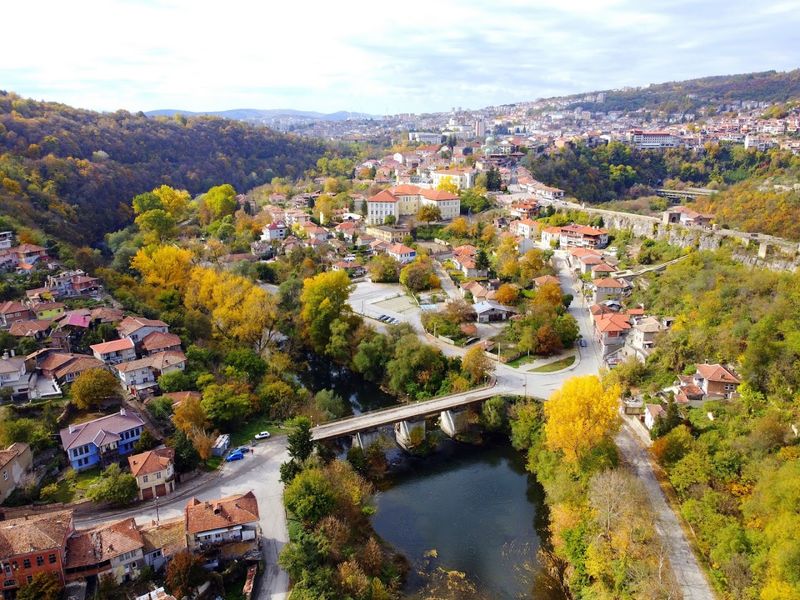
Tsarevets Fortress rising above a river bend is one of Bulgaria’s most photographed sights, and Veliko Tarnovo is the city beneath it. This place was once the medieval capital of the Second Bulgarian Empire, and that legacy is visible everywhere, from the cobblestone old town to the hilltop citadel that dominates the skyline.
Despite all of that cultural weight, Veliko Tarnovo belongs to North-Central Bulgaria, a region listed at approximately 17,300 euros GDP per capita in 2024, or about 43 percent of the EU average. Universities and tourism give the city more energy than many surrounding towns, yet the regional income figure still places it near the lower end of the EU scale.
This is one of the clearest examples of why this ranking is not about whether a city is worth visiting. It is about what the regional economy actually produces per person.
Veliko Tarnovo scores high on character and history, but low on regional GDP per capita.
Plovdiv, Bulgaria
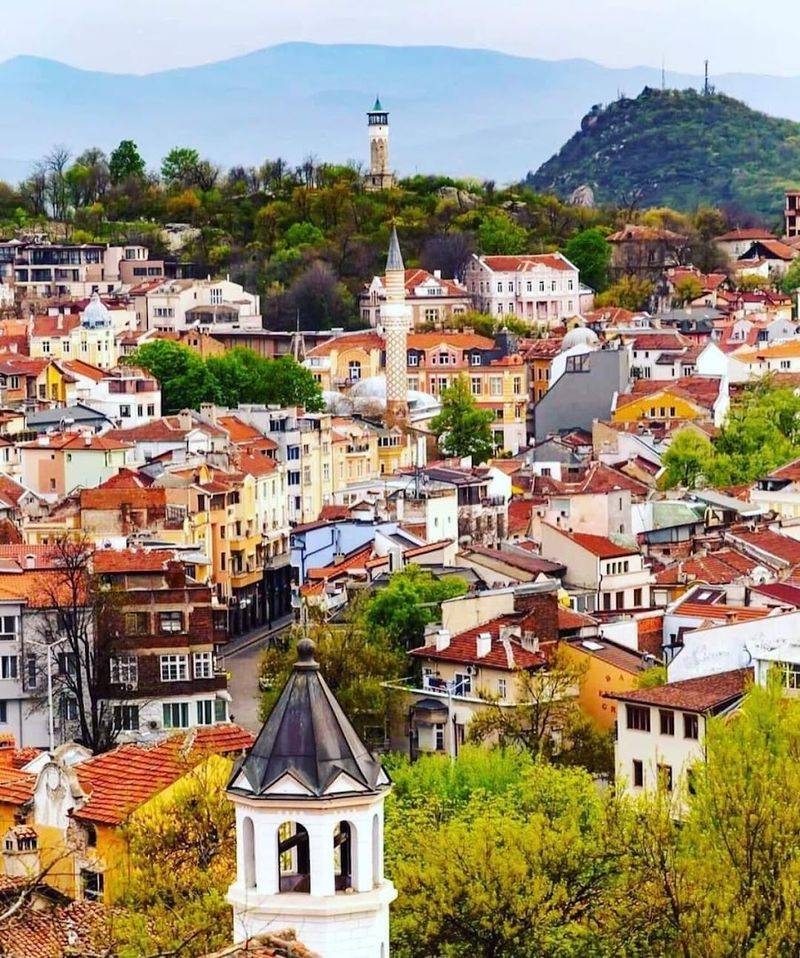
Plovdiv regularly appears on lists of Europe’s most interesting cities, and for good reason. The Old Town climbs across three hills with brightly painted 19th-century houses, a well-preserved Roman amphitheater sits open to the public in the city center, and a growing arts scene has added new life to older neighborhoods.
Still, Plovdiv sits within Bulgaria’s South-Central region, which was listed at around 17,300 euros GDP per capita in 2024, placing it at approximately 43 percent of the EU average. The city itself is more economically active than many surrounding towns, but regional figures average across a much wider area, pulling the number down.
This reflects a broader truth about regional economic data: a strong city can exist within a weaker region, and the two numbers do not always match what you see on the ground. Plovdiv is growing in reputation and visitor numbers, but its regional ranking keeps it near the lower end of this list.
Komotini, Greece
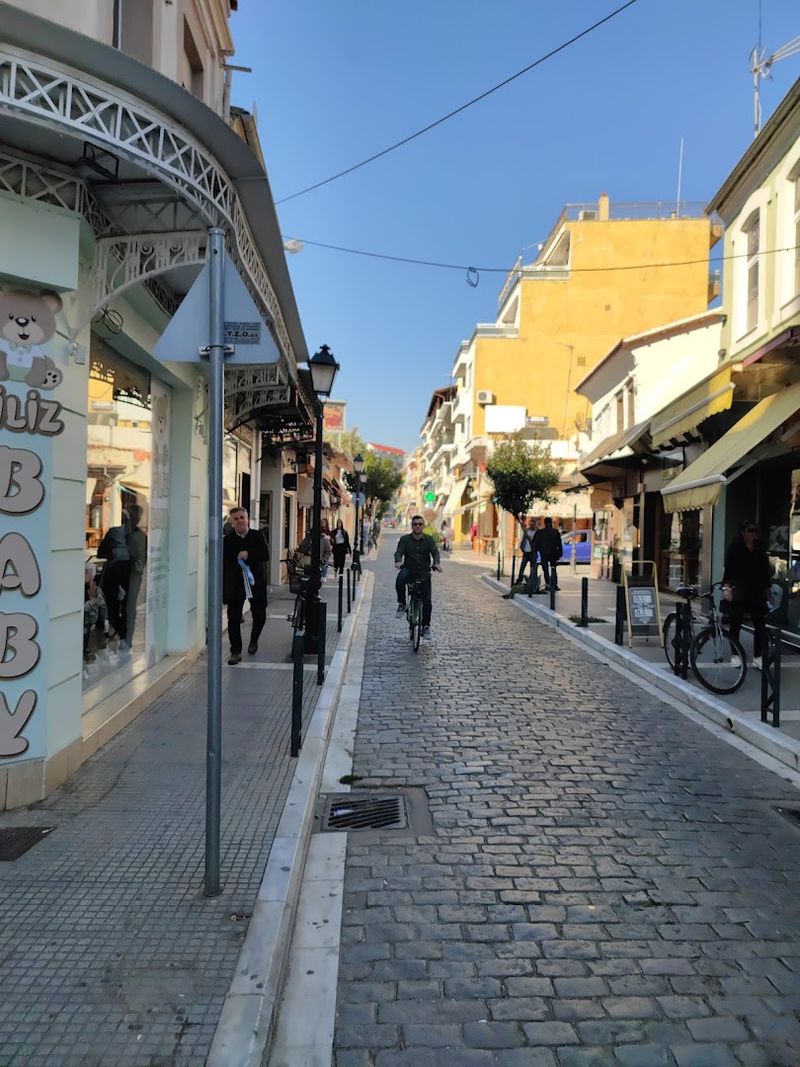
Komotini sits in the far northeast of Greece, in a region where Greek, Turkish, Balkan, and Thracian cultural threads have woven together over centuries. That mix gives the city a distinct identity that sets it apart from more uniform Greek urban centers.
There is a Muslim minority population here with deep historical roots, mosques alongside Orthodox churches, and a lively market culture.
Economically, Eastern Macedonia and Thrace was listed at about 17,800 euros GDP per capita in 2024, or 45 percent of the EU average. The region’s distance from Greece’s main economic centers, combined with lower levels of industrial investment, has kept income levels persistently below the national average.
Komotini has a university and serves as a regional administrative hub, which provides some economic stability. But the broader structural challenges of the wider region are reflected in its GDP figure.
The city is active and culturally layered, yet its regional economic standing places it clearly in the lower half of this ranking.
Ioannina, Greece
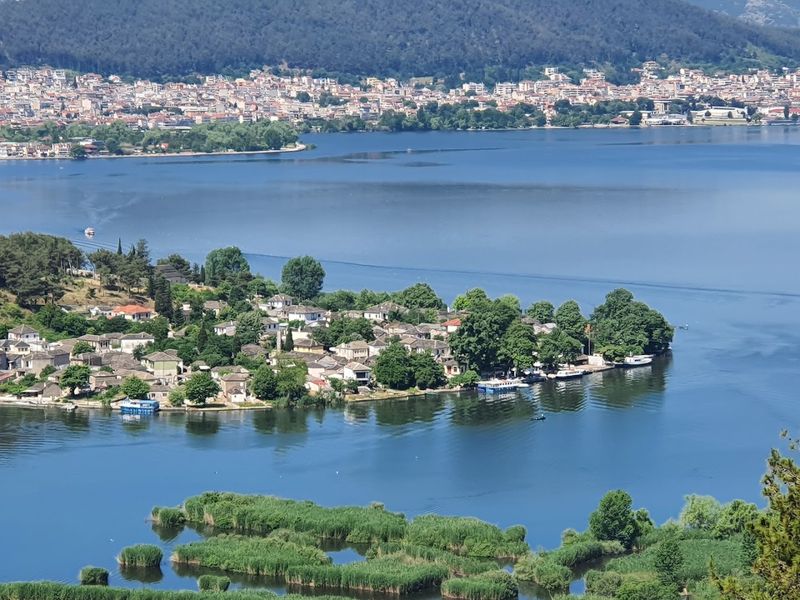
A castle on a peninsula extending into a mountain lake is not a typical city backdrop, but Ioannina is not a typical Greek city. The old quarter sits on a promontory jutting into Lake Pamvotida, with Byzantine walls, Ottoman mosques, and a long history tied to Ali Pasha of Ioannina, the powerful regional ruler who held court here in the early 19th century.
The Epirus region, where Ioannina serves as the capital, was listed at about 17,800 euros GDP per capita in 2024, or 45 percent of the EU average. Mountain geography, smaller labor markets, and distance from larger economic corridors have all shaped the region’s development over time.
Ioannina has a university and draws visitors for its setting and history, and the surrounding Zagori villages are well known for stone architecture and hiking. But the regional income level remains well below the EU average, placing Ioannina firmly among the cities on this list despite its considerable natural and historical appeal.
Miskolc, Hungary
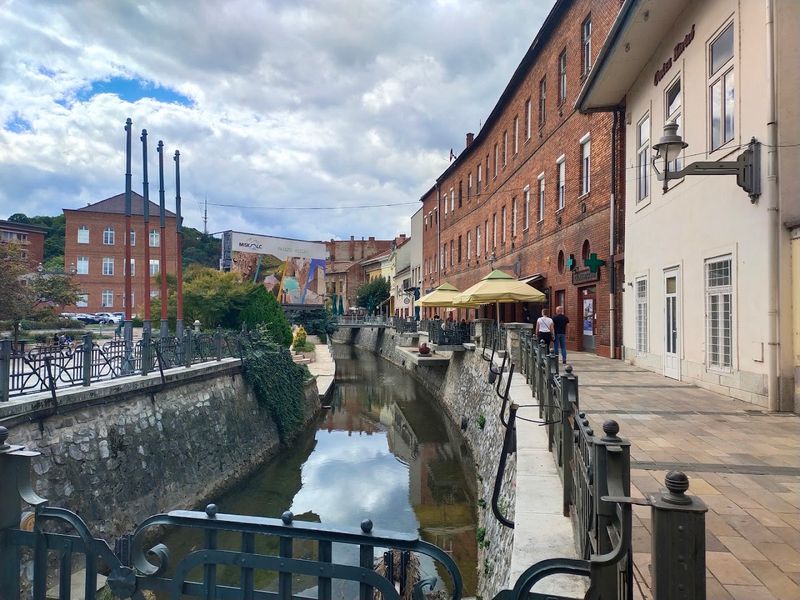
Miskolc carries the marks of an industrial past more visibly than most Hungarian cities. Once a powerhouse of steel and heavy manufacturing during the socialist era, it went through a difficult economic restructuring after 1989 that reshaped both its workforce and its identity.
The population has declined significantly over the past few decades.
Northern Hungary, the region where Miskolc is located, was listed at approximately 18,900 euros GDP per capita in 2024, or 47 percent of the EU average. That gap with Budapest is substantial, and it reflects decades of uneven economic development between Hungary’s capital and its northern industrial belt.
There is more to Miskolc than its economic statistics suggest. Cave baths carved into volcanic rock, access to the Bükk Mountains, university campuses, and a range of cultural venues give the city a real offer beyond its industrial legacy.
But in terms of regional wealth, it remains one of Hungary’s lower-ranked areas and earns its place on this list.
Kozani, Greece
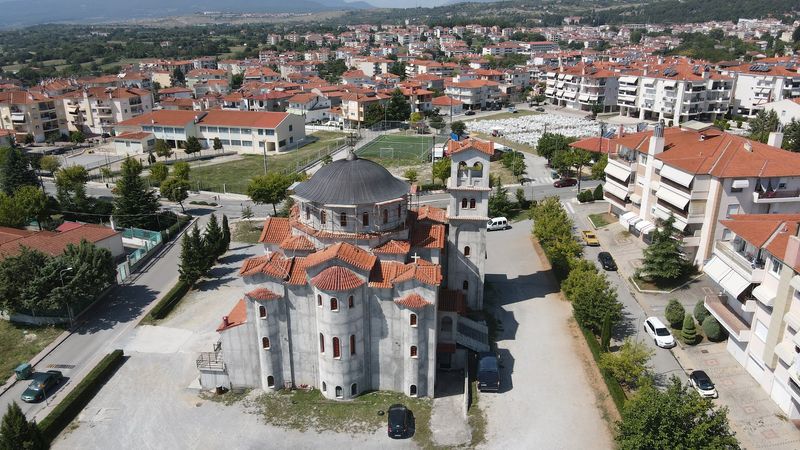
Kozani has been one of Greece’s energy-producing centers for decades, with the surrounding area historically tied to lignite mining and large thermal power stations. That industrial base gave the region a degree of economic stability for many years, but Europe’s shift away from coal-based energy has introduced new uncertainty for communities built around those industries.
Western Macedonia was listed at about 19,200 euros GDP per capita in 2024, or 48 percent of the EU average. The challenge of transitioning from older energy models to more diversified economic activity is a real and ongoing process for the region, with EU funding directed toward that transition in recent years.
Kozani itself is a functioning regional capital with administrative offices, local food traditions, and access to northern Greek landscapes. The city’s clock tower and main square give it a recognizable center.
Its place on this list is less about visible poverty and more about the structural economic challenge of moving a resource-dependent region into a new era.
Iași, Romania
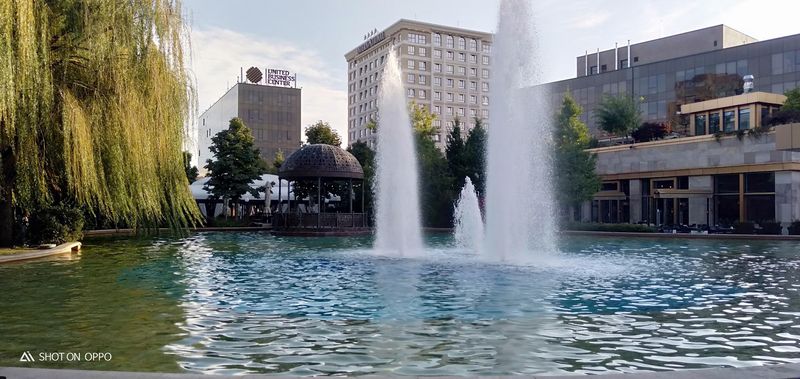
Romania’s northeast is home to one of the country’s most intellectually significant cities, yet it also sits in one of the EU’s lowest-income regions. Iași has universities with centuries of history, the imposing Palace of Culture, Orthodox monasteries, and a technology sector that has grown noticeably in recent years.
It is a city with real momentum in some areas.
The North-East region of Romania was listed at approximately 19,300 euros GDP per capita in 2024, placing it at around 48 percent of the EU average. Northeastern Romania has historically lagged behind Bucharest and the western parts of the country in terms of infrastructure investment, wages, and private-sector development.
That gap is closing slowly, partly because of EU structural funds and partly because cities like Iași are attracting younger professionals. But the regional income figure still places it well below the EU average.
Iași is a compelling example of a culturally and academically strong city anchored in a lower-income region.
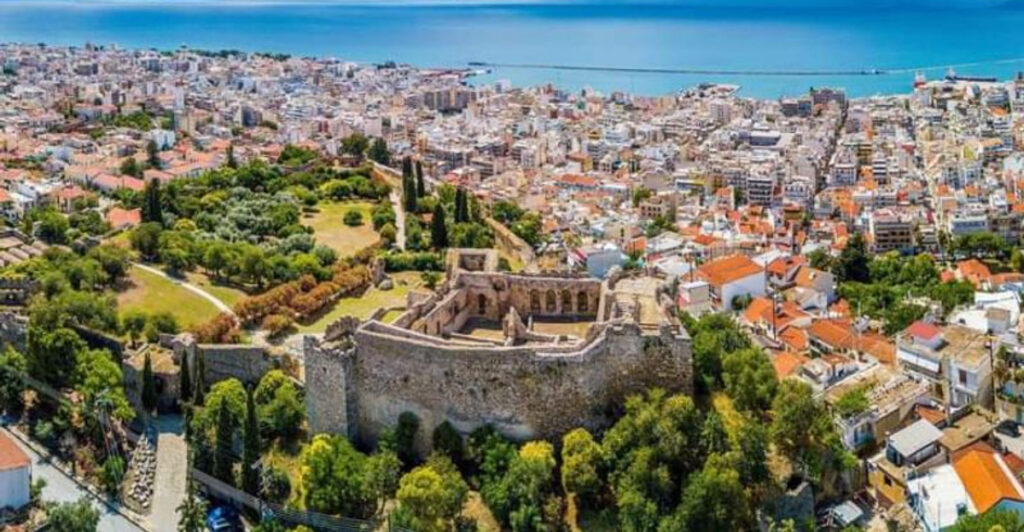
Patras, Greece
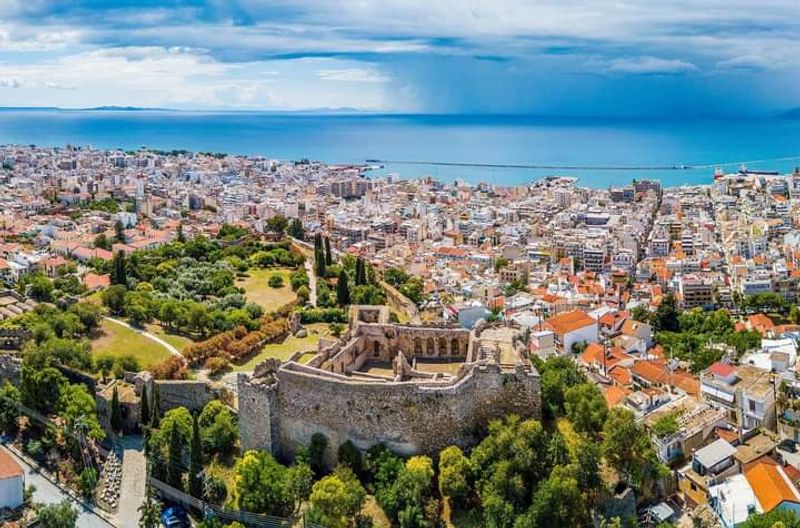
Greece’s third-largest city is also one of its busiest ports, with ferry routes connecting it to Italy and the Greek islands. Patras has a university, a famous pre-Lenten carnival that draws large crowds each year, and a long urban history stretching back to antiquity.
By most measures, it looks and functions like a major city.
Western Greece, the region where Patras sits, was listed at about 19,500 euros GDP per capita in 2024, or 49 percent of the EU average. Port activity and student populations generate economic movement, but major transport infrastructure does not automatically translate into high regional income per capita.
The region has faced challenges tied to unemployment, especially following Greece’s broader economic difficulties in the 2010s. Recovery has been gradual.
The Rio-Antirrio Bridge, one of the longest cable-stayed bridges in the world, connects the city to central Greece, but economic connectivity is a more complex problem than physical infrastructure alone can solve.
Debrecen, Hungary
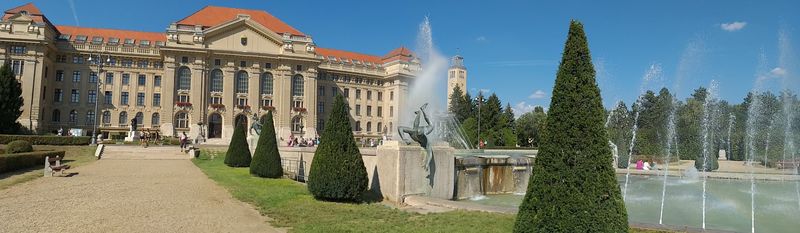
Hungary’s second-largest city carries a distinctly different personality from Budapest. Debrecen has a strong Protestant identity, anchored by the Great Reformed Church at the end of its main pedestrian street, and a long history as an important regional center in the eastern Hungarian plain.
It also has a substantial university and growing manufacturing presence.
The Northern Great Plain region was listed at around 19,900 euros GDP per capita in 2024, or 50 percent of the EU average. New investment, particularly in automotive and technology manufacturing, has brought jobs to the area in recent years, but the regional wealth figure still trails significantly behind Budapest and Western European regions.
Debrecen has thermal baths, an annual flower carnival, and a lively student population that keeps the city active year-round. Its inclusion on this list is not a reflection of stagnation but rather a reminder of how wide the economic gap remains between Hungary’s capital region and its secondary cities, even the growing ones.
Pécs, Hungary
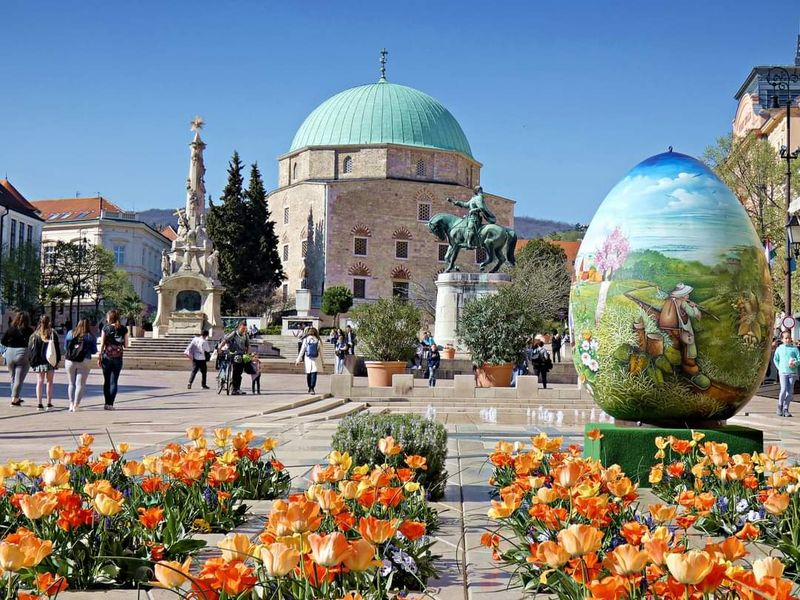
Pécs might be Hungary’s most architecturally layered city. Roman ruins, early Christian burial chambers that earned UNESCO World Heritage status, Ottoman mosques repurposed as churches, and a strong arts scene all coexist within a relatively compact city center.
It served as a European Capital of Culture in 2010, which brought international attention to its depth of heritage.
Southern Transdanubia, the region containing Pécs, was listed at approximately 20,000 euros GDP per capita in 2024, or 50 percent of the EU average. Cultural recognition has not translated into sustained economic growth for the region.
Deindustrialization, population outflow, and weaker private-sector development have all contributed to the lower regional income figure.
The city has faced real challenges in maintaining momentum after the 2010 European Capital of Culture year. Infrastructure improvements came, but long-term investment has been harder to sustain.
Pécs remains genuinely worth exploring for anyone interested in European history and architecture, and its regional ranking does not diminish that.
Varna, Bulgaria
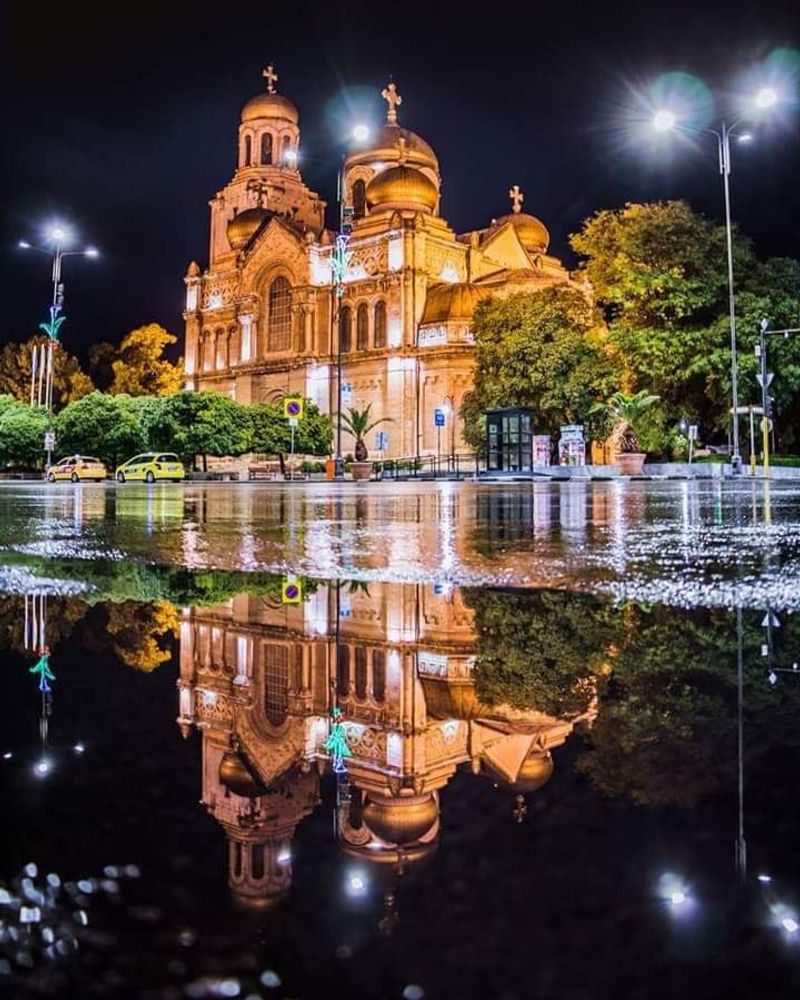
Bulgaria’s Black Sea coast has a very different energy from the country’s inland towns, and Varna is the center of that coastal economy. The city has beaches, a busy port, a summer festival scene, Roman bath ruins in the city center, and an archaeological museum that holds some of the oldest worked gold in the world, dating back roughly 6,500 years.
North-East Bulgaria, where Varna is located, was listed at about 20,200 euros GDP per capita in 2024, or 51 percent of the EU average. The tourism economy gives Varna strong seasonal activity, but the wider regional figure still places it below the EU midpoint.
This makes Varna one of the more visually surprising entries on this list. A visitor arriving in July might see a busy, energetic seaside city and find it hard to connect with the regional GDP figure.
But economic data captures year-round averages across the full region, not just peak-season impressions from the coast.
Szeged, Hungary
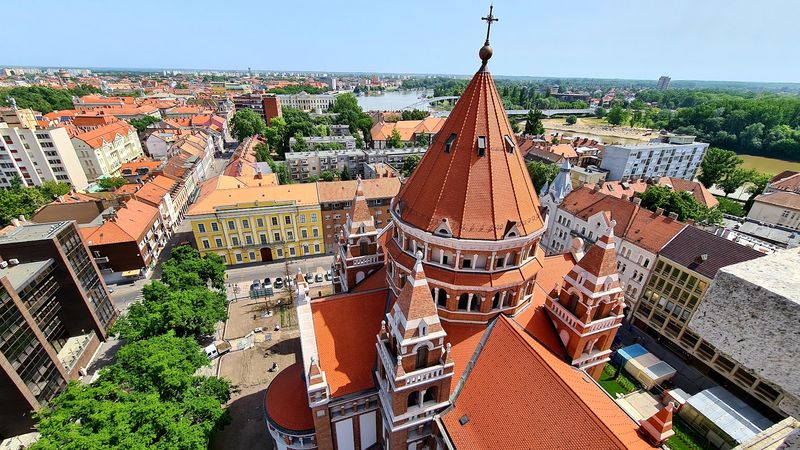
Szeged is the kind of Hungarian city that surprises people who expect a quiet provincial town. Its center has wide boulevards, Art Nouveau architecture, a grand Votive Church built after a catastrophic 1879 flood, and a riverside setting along the Tisza that gives it a relaxed but cultured atmosphere.
The city is also closely associated with paprika production and fish soup traditions that are deeply embedded in local identity.
The Southern Great Plain region was listed at about 21,000 euros GDP per capita in 2024, or 52 percent of the EU average. Szeged has a large university and some research activity, but the surrounding region remains less wealthy than Budapest and most of Western Europe.
The pattern here reflects something seen across Central Europe: capital cities accumulate investment and talent while secondary cities and their surrounding regions continue a slow process of catching up. Szeged is growing, but the regional income gap remains a measurable reality in the data.
Larissa, Greece
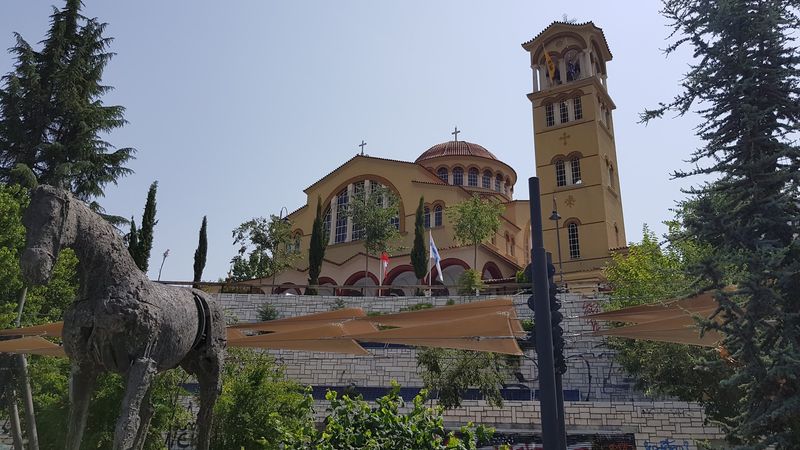
Larissa does not usually make it onto tourist itineraries, but it is one of Greece’s most important agricultural and logistics hubs. Located on the Thessalian plain, it connects major road and rail routes running through central Greece, and the surrounding farmland is among the most productive in the country.
The city also has an ancient acropolis and a history stretching back to prehistoric times.
Thessaly was listed at about 21,000 euros GDP per capita in 2024, or 53 percent of the EU average. Agricultural regions often face income limitations because farming productivity does not always translate into high wages for workers, and the sector is vulnerable to weather events and market pressures.
Recent years have underlined that vulnerability. Severe flooding in 2023 caused significant damage across Thessaly, affecting farmland, infrastructure, and communities across the region.
Larissa serves as the regional anchor for recovery efforts, but the broader economic challenge of the region was already present before those events occurred.
Share this story