America has a long and delicious history of food that does not cost a fortune. From busy street corners in New York City to beachside stands in Hawaii, some of the best meals you will ever eat come in simple wrappers or paper plates.
These iconic cheap eats tell the story of local culture, creativity, and community pride. Whether you are a first-time visitor or a lifelong local, these dishes are absolutely worth seeking out.
1. New York Pizza Slice – New York City, New York
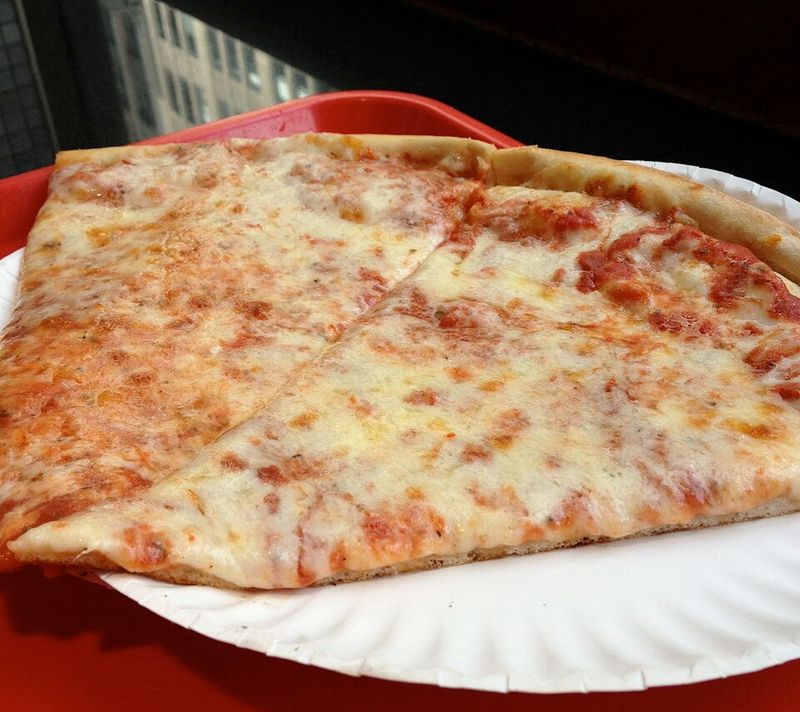
There is nothing quite like grabbing a dollar slice on a busy New York City sidewalk. The crust is thin, slightly crispy on the bottom, and chewy in the middle.
It folds perfectly in half, which is exactly how locals eat it.
New York pizza gets its unique texture partly because of the city’s water, which is said to affect the dough in ways that are hard to replicate elsewhere. Pizzerias have been serving these slices since the early 1900s, making it one of America’s oldest fast food traditions.
A single slice is usually enough to hold you over between meals.
You can find great slices all across the five boroughs, but neighborhoods like Midtown and the Lower East Side have some legendary spots. Prices typically stay under three dollars, making this one of the best cheap eats in the country.
2. Chicago-Style Hot Dog – Chicago, Illinois
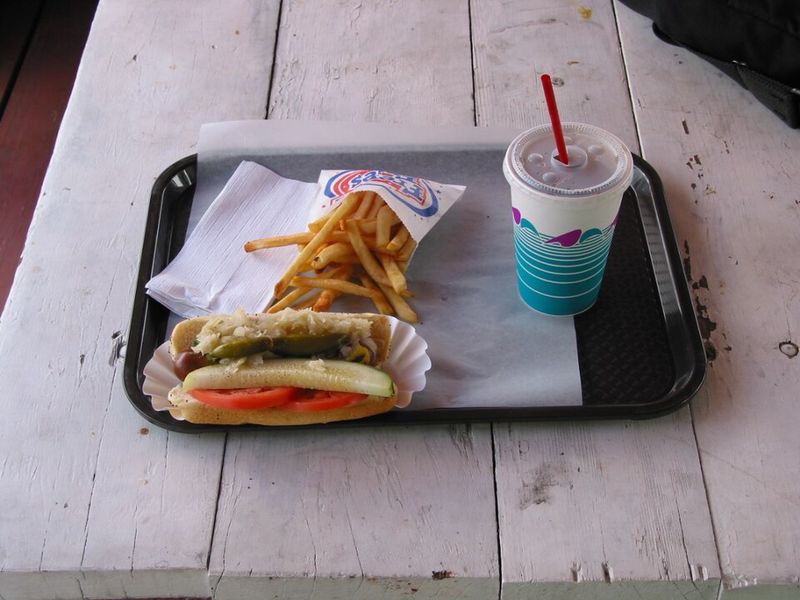
Ask any Chicagoan about their hot dog and you will get a passionate answer. This is not just a hot dog.
It is a carefully constructed meal with seven specific toppings, and not one of them is ketchup.
The classic Chicago-style dog starts with an all-beef frankfurter in a steamed poppy seed bun. Then come the toppings: yellow mustard, bright green relish, chopped onions, tomato wedges, a dill pickle spear, sport peppers, and a dash of celery salt.
The rule against ketchup is taken very seriously by locals, so do not even ask.
This iconic street food became popular in the 1930s during the Great Depression, when vendors needed an affordable and filling option. Today, Chicago dog stands are everywhere throughout the city.
Prices usually fall between two and four dollars, making it a budget-friendly and genuinely satisfying meal.
3. Street Tacos – Los Angeles, California
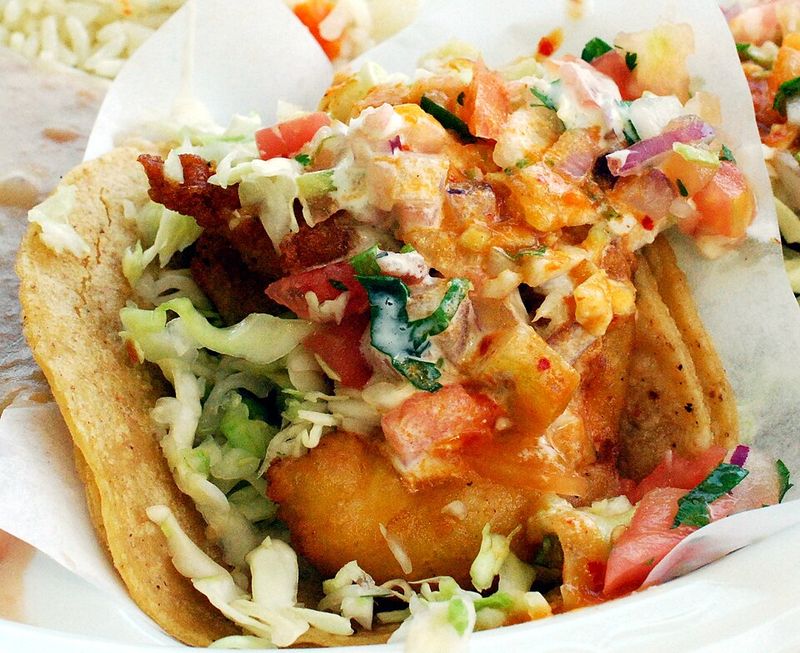
Los Angeles has one of the most vibrant street taco scenes in the entire country. On almost every block in certain neighborhoods, you will find a taco truck or stand serving up small but mighty corn tortilla tacos loaded with flavor.
Classic street tacos use double-stacked corn tortillas to hold the filling together. Carne asada, al pastor, and carnitas are the most popular protein choices.
A squeeze of lime juice and a handful of fresh cilantro and onion finish the whole thing off beautifully. Each taco is usually just a few bites, but the flavor punches well above its size.
Most street tacos cost between one and two dollars each, so you can eat well for under five dollars. East Los Angeles and areas near MacArthur Park are especially known for incredible taco trucks.
This is street food at its most honest and satisfying.
4. Po’ Boy – New Orleans, Louisiana
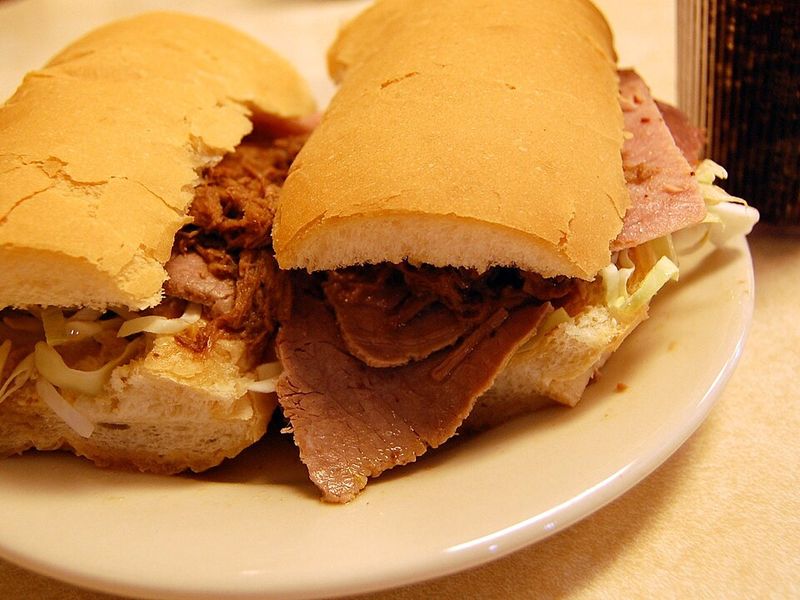
Few sandwiches carry as much history and heart as the New Orleans po’ boy. Born out of solidarity during a 1929 streetcar strike, this sandwich was originally given away free to striking workers, who were jokingly called “poor boys” by the shop owners feeding them.
The bread makes all the difference. Po’ boys are built on a specific type of French bread made in Louisiana, with a crispy crust and a soft, airy inside.
Fillings range from fried shrimp and oysters to roast beef swimming in rich gravy. Ordering it “dressed” means it comes with lettuce, tomato, pickles, and mayo.
A good po’ boy is filling enough to count as a full meal, and most cost between six and ten dollars depending on the filling. In New Orleans, you can find them at corner delis, seafood shacks, and classic lunch counters all over the city.
5. Philly Cheesesteak – Philadelphia, Pennsylvania
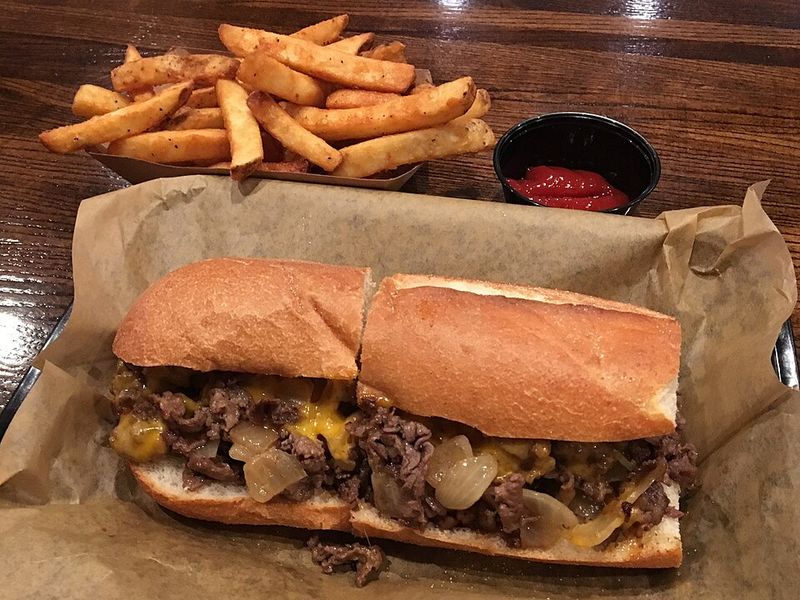
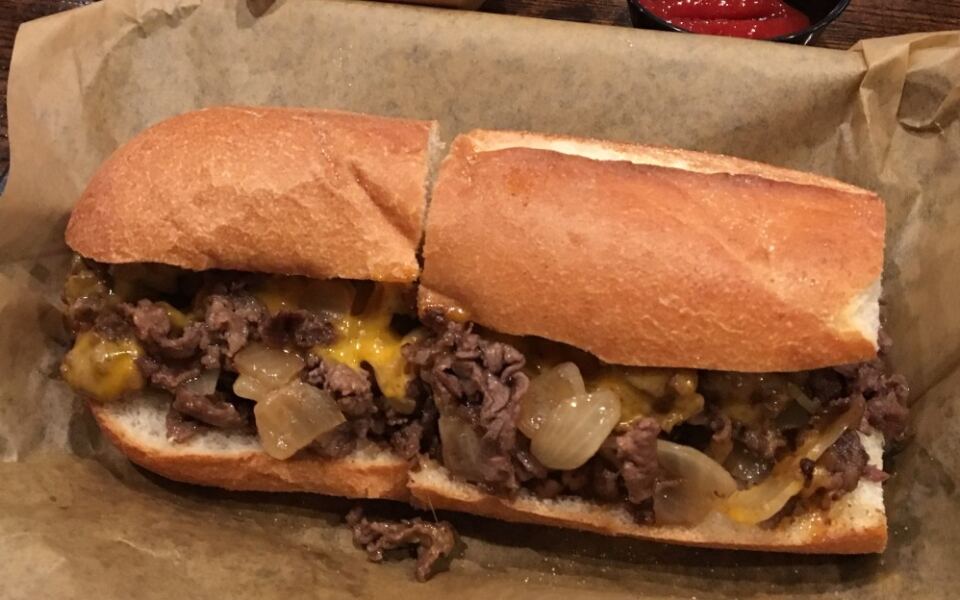
The Philly cheesesteak is one of those sandwiches that people travel specifically to try. Thin slices of ribeye steak are cooked on a flat iron griddle, chopped up as they cook, and stuffed into a long hoagie roll with melted cheese.
Simple, greasy, and deeply satisfying.
The cheese debate is serious business in Philadelphia. Cheez Whiz is the traditional choice, though provolone and American cheese are also popular.
Onions, peppers, and mushrooms are optional additions, but purists often keep it simple. The roll itself is important too.
It needs to be sturdy enough to hold everything without falling apart.
Pat’s King of Steaks and Geno’s Steaks, located across the street from each other in South Philly, are the two most famous spots and have been rivals since the 1960s. Prices typically run between eight and twelve dollars, which is a bargain for how filling these sandwiches are.
6. Sonoran Hot Dog – Tucson, Arizona
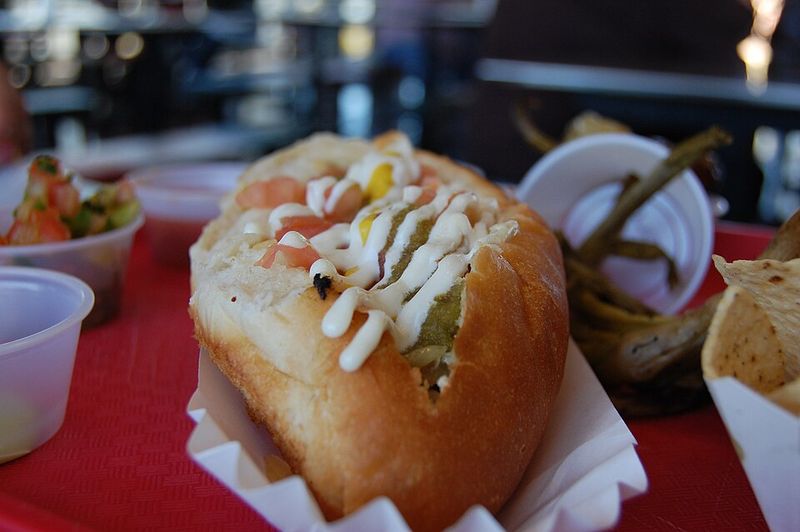
If you have never had a Sonoran hot dog, get ready for a flavor experience unlike any other. This beloved street food from Tucson and the broader Arizona-Mexico border region takes the classic hot dog and transforms it into something truly special.
It starts with a beef frankfurter wrapped in bacon and grilled until the bacon is crispy. Then it gets tucked into a soft, slightly sweet bolillo-style bun.
The toppings are what set it apart: pinto beans, chopped tomatoes, onions, mayonnaise, mustard, and a drizzle of jalapeño salsa or crema. Every bite has multiple textures and flavors happening at once.
Tucson has a strong culture around this dish, and street carts called “dogueros” serve them throughout the city, especially on weekends. Prices usually land between three and six dollars.
The Sonoran hot dog is proof that border food culture produces some of America’s most creative and satisfying meals.
7. Coney Dog – Detroit, Michigan
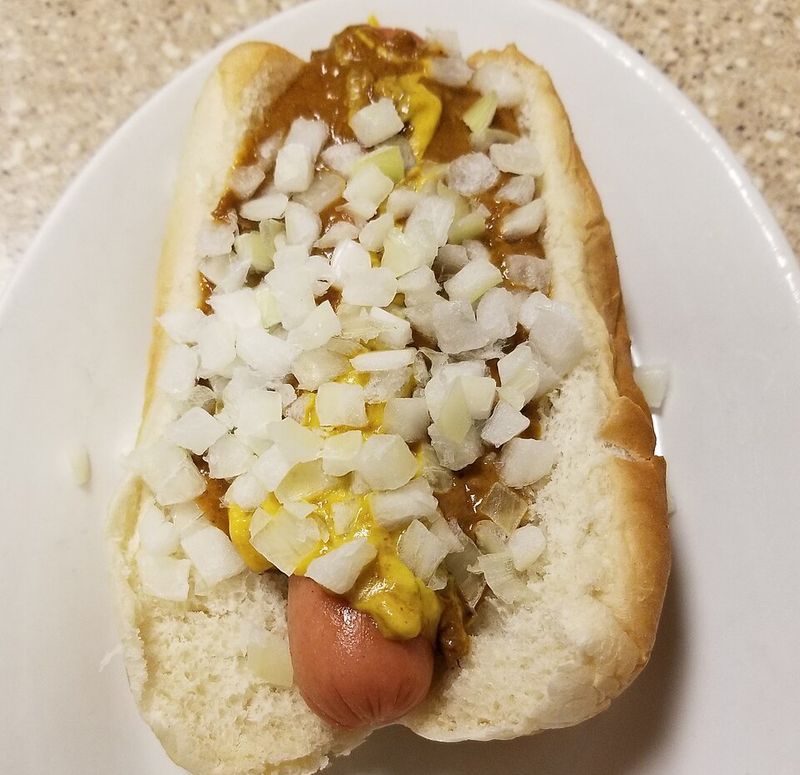
Walk into any classic diner in Detroit and you will likely find a Coney dog on the menu. This is a Detroit institution, a steamed hot dog in a soft bun covered in a beefy chili sauce, then finished with a stripe of yellow mustard and a pile of diced raw onions.
The chili sauce used on a Coney dog is not the chunky kind you might put on nachos. It is a finely ground, seasoned beef sauce with a distinct spiced flavor that soaks into the bun just enough to make every bite rich and savory.
Two or three Coney dogs make a full meal.
American Coney Island and Lafayette Coney Island, two rival diners sitting side by side in downtown Detroit, have been competing for the title of best Coney dog since the early 1900s. Most Coney dogs cost between two and four dollars, making them a legendary bargain.
8. Cincinnati Chili – Cincinnati, Ohio
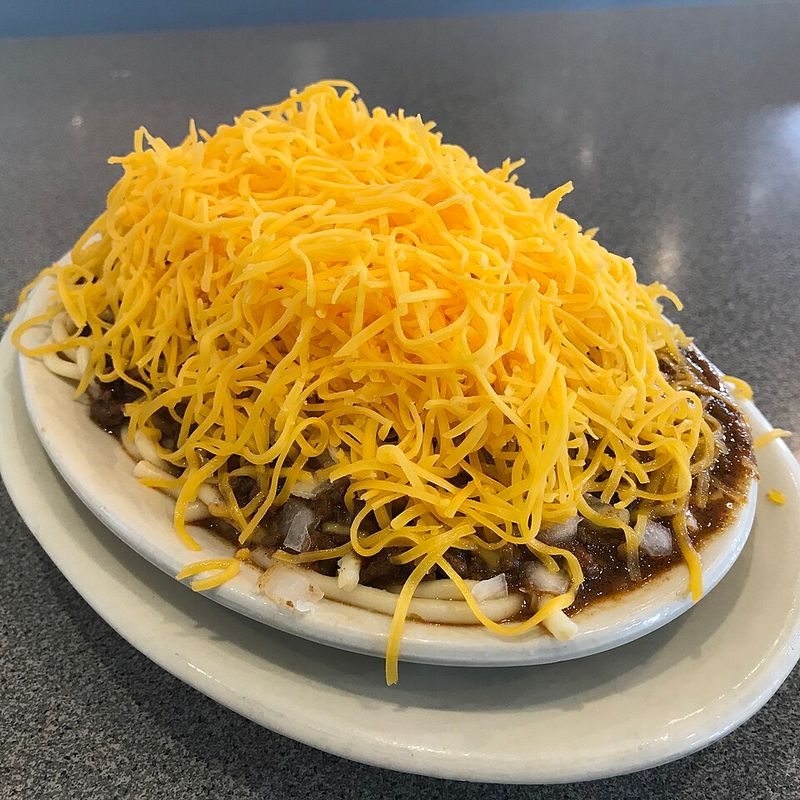
Cincinnati chili will surprise you the first time you try it, and that is exactly what makes it so memorable. Unlike Texas-style chili, this version is thinner, spiced with warm flavors like cinnamon, chocolate, and allspice, and served over a bed of spaghetti noodles.
The dish was created in the 1920s by Macedonian immigrants who blended Mediterranean spice traditions with American comfort food. Locals order it in “ways.” A two-way is chili over spaghetti.
A three-way adds shredded cheddar cheese on top. A four-way includes onions, and a five-way piles on kidney beans as well.
Skyline Chili and Gold Star Chili are the two major chains, and both have loyal followings throughout the city. A full three-way typically costs around six dollars, making it one of the most filling cheap meals in the Midwest.
First-timers are almost always converted after just one bowl.
9. Green Chile Cheeseburger – New Mexico
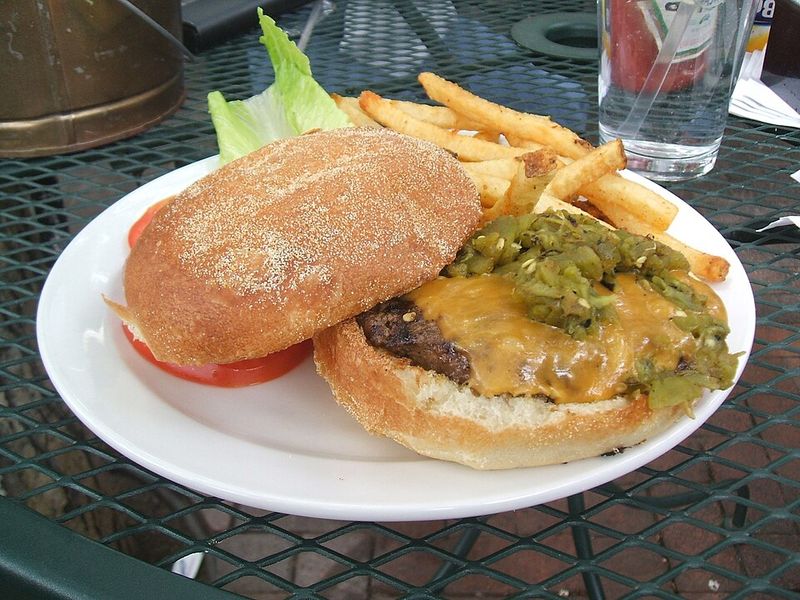
New Mexico takes its green chiles very seriously, and nowhere is that more obvious than in the green chile cheeseburger. This regional staple piles roasted Hatch green chiles directly on top of a beef patty, letting the smoky, slightly spicy pepper flavor melt right into the cheese and meat.
Hatch green chiles, grown in the Hatch Valley of southern New Mexico, have a flavor that is hard to find anywhere else. They are earthy, mildly spicy, and deeply savory, making them a perfect burger topping.
The chiles are usually roasted until their skins blister, which adds a subtle smokiness to every bite.
The Green Chile Cheeseburger Trail is an official road trip route through New Mexico where travelers can sample the dish at dozens of local spots. Burgers typically cost between five and nine dollars.
This burger is a regional treasure that deserves far more national attention than it gets.
10. Spam Musubi – Hawaii
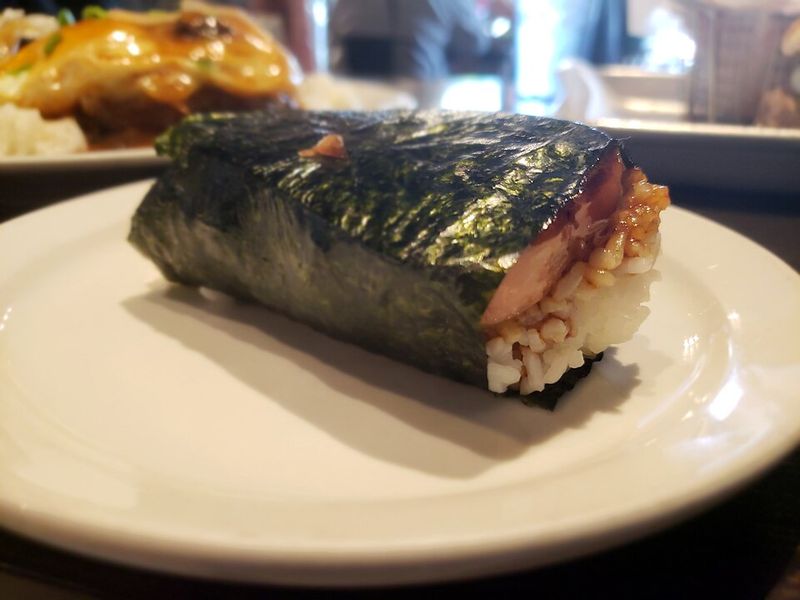
Spam musubi is the snack that perfectly captures Hawaii’s unique food culture. It looks simple: a rectangle of seasoned white rice topped with a slice of pan-fried Spam and wrapped together with a strip of nori seaweed.
But the flavor combination is surprisingly addictive.
Hawaii’s love of Spam goes back to World War II, when canned meat was a military staple on the islands. Over time, local cooks blended Japanese onigiri traditions with that canned Spam, creating something entirely new and entirely Hawaiian.
Today it is sold at convenience stores, school cafeterias, and beachside stands across the islands.
The Spam is usually glazed in a sweet soy sauce and mirin mixture before being layered onto the rice, giving it a slightly caramelized, salty-sweet flavor. Most musubi cost between two and four dollars each.
It is the kind of snack that fuels a full day at the beach without emptying your wallet.
11. Nashville Hot Chicken – Nashville, Tennessee
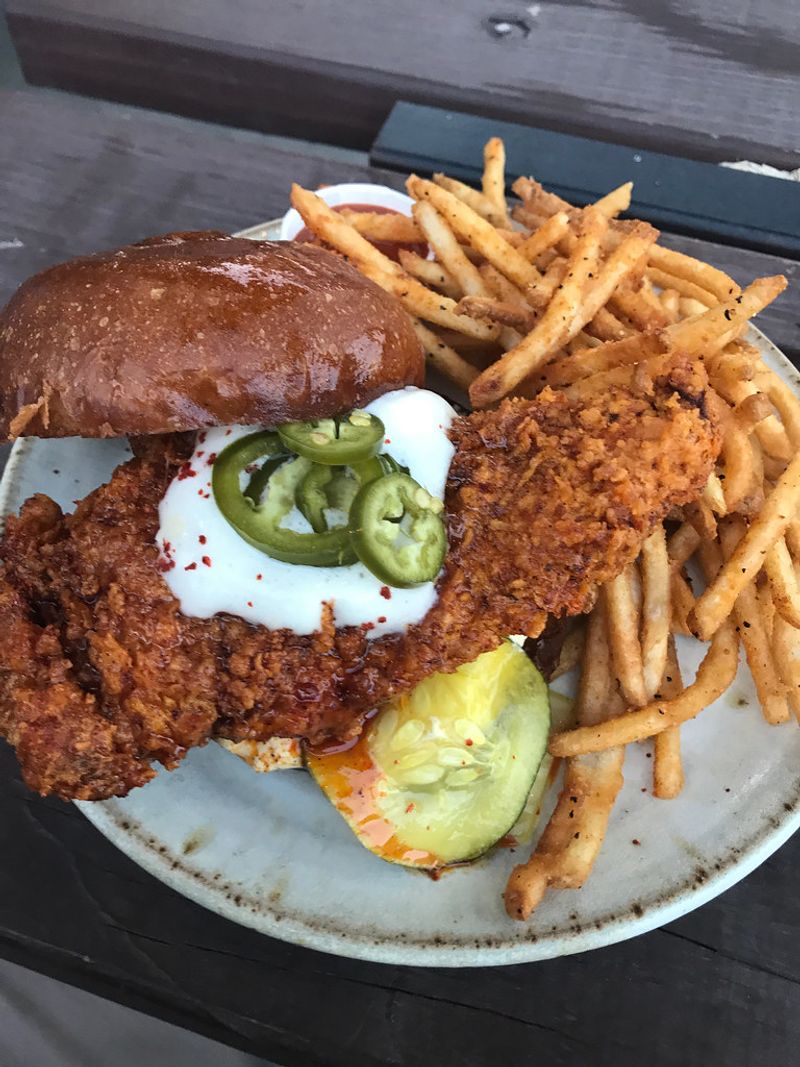
Nashville hot chicken is not for the faint of heart, but it is absolutely worth the heat. This dish is built around fried chicken coated in a fiery cayenne paste that turns the crust a deep, rust-red color.
It sits on top of plain white bread with a few pickle chips, and that is all it needs.
The origin story is colorful. According to local legend, the dish was invented at Prince’s Hot Chicken Shack in the 1930s as a revenge meal meant to punish a man for staying out late.
Instead of suffering, he loved it, and a Nashville tradition was born.
The heat levels range from mild to “extra hot,” which is genuinely intense. Prince’s Hot Chicken Shack still operates today and remains the gold standard.
A solid plate of hot chicken usually costs between eight and twelve dollars, making it an affordable and unforgettable meal in Music City.
12. Cuban Sandwich – Miami, Florida
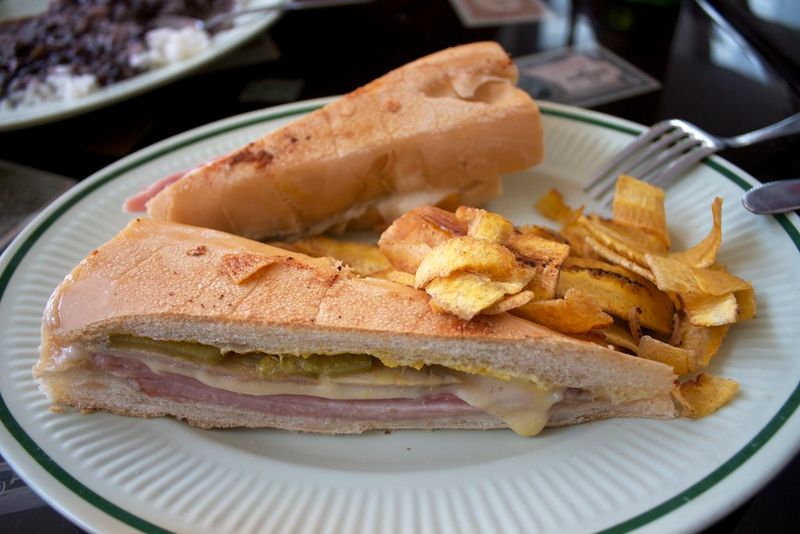
Miami’s Cuban sandwich is a masterpiece of balance and simplicity. Layers of roasted pork, sliced ham, Swiss cheese, yellow mustard, and dill pickles are stacked inside a soft Cuban bread roll, then pressed flat on a hot plancha until the bread is golden and the cheese melts completely.
The result is crispy on the outside and warm and gooey on the inside.
The Cuban sandwich has roots in the Cuban immigrant communities of Florida, particularly in Tampa and Miami, where it became a staple of lunch counters and cafeterias in the early 1900s. Tampa’s version sometimes includes Genoa salami, but Miami keeps it without.
The debate between the two cities is ongoing and enthusiastic.
Good Cuban sandwiches are found all over Miami, from Little Havana cafeterias to food trucks near Calle Ocho. Prices generally run between seven and eleven dollars.
Few sandwiches deliver this much flavor and history for such a reasonable price.
13. Pepperoni Roll – West Virginia
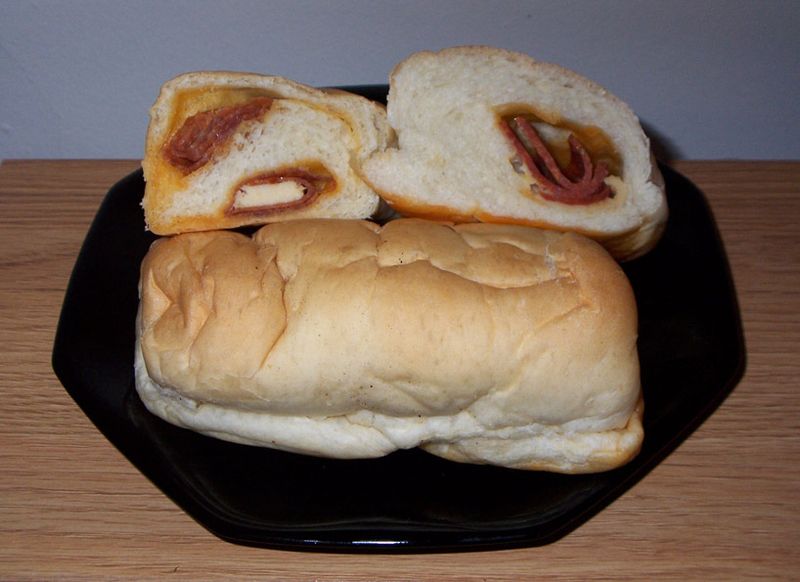
The pepperoni roll is West Virginia’s most beloved food, and it deserves recognition far beyond state lines. This humble baked good is exactly what it sounds like: a soft, pillowy white bread roll stuffed with pepperoni sticks and sometimes a pocket of melted cheese.
It is portable, filling, and deeply satisfying.
The pepperoni roll was created in the 1920s by Italian immigrant miners who needed a lunch that could survive a shift underground without refrigeration. The fat from the pepperoni soaks into the bread as it bakes, flavoring the dough from the inside out.
That greasy, savory center is what makes it so irresistible.
Country Club Bakery in Fairmont, West Virginia, is widely credited as the original source of the pepperoni roll and still sells them today. Gas stations, bakeries, and grocery stores across the state stock them daily.
Most rolls cost between one and three dollars, making them one of America’s most underrated cheap eats.
14. Loose Meat Sandwich – Iowa
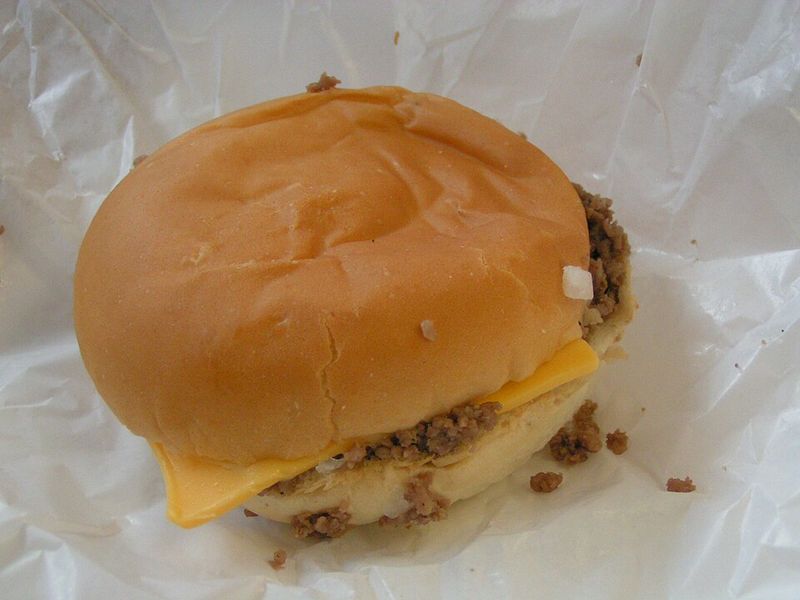
The loose meat sandwich sounds simple because it is, and that simplicity is the whole point. Seasoned ground beef is cooked loose without being pressed into a patty, then piled into a plain hamburger bun with mustard, pickles, and onions.
No ketchup, no fancy toppings, just good, honest food.
Iowa has been making loose meat sandwiches since the 1920s, when Ye Olde Tavern in Sioux City first put them on the menu. The dish gained wider attention through the TV show “Roseanne,” where the main character ran a diner called the Lunch Box that served them.
Maid-Rite is the most famous chain associated with the sandwich and has locations throughout the Midwest.
The texture is different from a regular burger because the meat stays juicy and tender without the density of a pressed patty. Most loose meat sandwiches cost between two and five dollars.
It is no-frills food done right, and Iowa is proud of it.
15. Fry Bread – Arizona and the Southwest
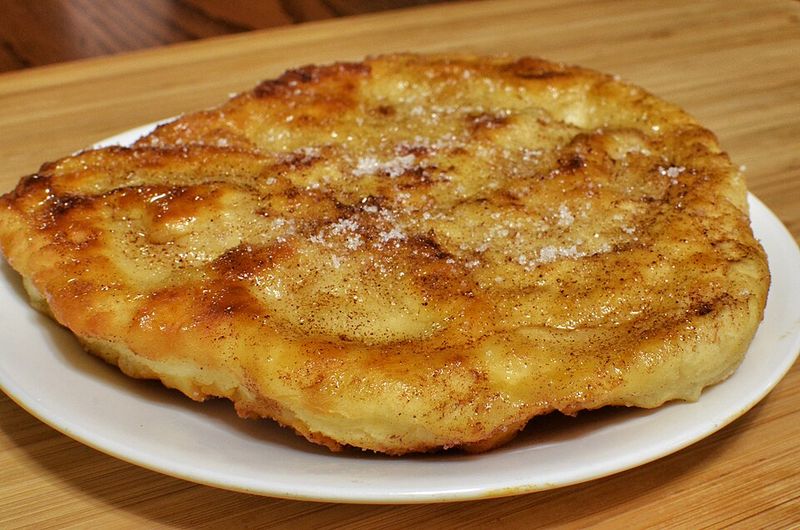
Fry bread is one of the most culturally significant foods in the American Southwest, and tasting it for the first time is a genuinely moving experience. Made from a simple dough of flour, salt, baking powder, and water, it is stretched flat and dropped into hot oil until it puffs up golden and crispy on the outside.
The history behind fry bread is both painful and resilient. It emerged in the 1860s when the U.S. government forced Navajo people onto reservations and provided only basic rations like flour and lard.
Native communities turned those limited ingredients into something that became a symbol of survival and cultural identity.
Today, fry bread is served at Native American powwows, festivals, and roadside stands across Arizona and the broader Southwest. It can be eaten sweet with honey and powdered sugar, or savory as the base for an Indian taco.
Most pieces cost between two and five dollars.
Share this story