Wine has been part of human culture for thousands of years, and some of the places that first perfected the craft are still open for visitors today. From ancient monastery vineyards in Germany to historic estates in Spain and California, these wineries carry centuries of tradition in every bottle.
Visiting them feels less like a wine tasting and more like stepping into living history. Whether you’re a seasoned wine lover or just curious about the past, these remarkable destinations are worth knowing about.
1. Staffelter Hof, Krov, Germany
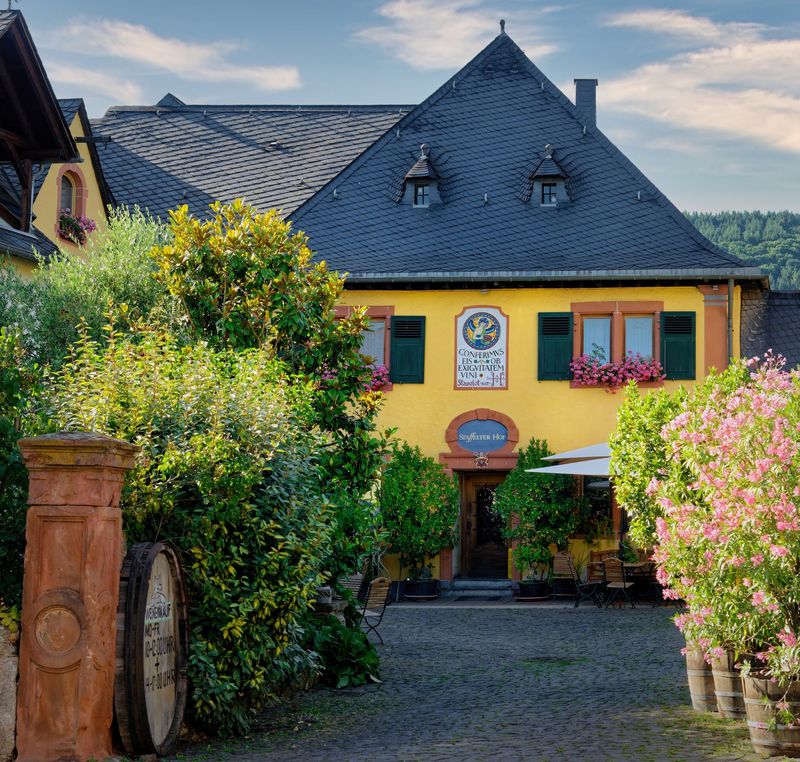
Few wineries on earth can claim a paper trail stretching back to the year 862. Staffelter Hof in Krov, Germany, was originally a Carolingian royal estate before monks from the Abbey of Stavelot took over its vineyards.
That remarkable lineage makes it one of the oldest documented wine estates in the entire world.
Today, the Kauer family runs the property and welcomes visitors with open arms. The estate sits along the scenic Mosel River, surrounded by steep slate slopes that give the Rieslings here their signature mineral character.
Tours offer a genuine look at how ancient tradition and modern winemaking coexist.
Booking a tasting here means sipping wine from vines rooted in soil that has been cultivated for over a thousand years. The experience is as educational as it is enjoyable, making it a must-visit for history-minded travelers.
2. Chateau de Goulaine, Haute-Goulaine, France
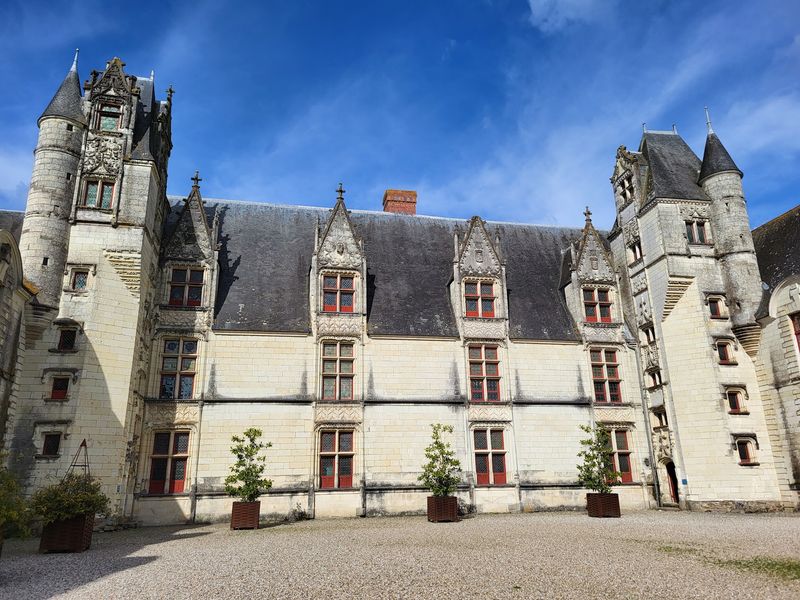
Chateau de Goulaine has stood at the edge of the Loire Valley for over a thousand years, and its story reads like a French fairy tale. The Goulaine family has owned this medieval estate almost continuously since the early Middle Ages, making it one of Europe’s most enduring family-owned properties.
Wine production here stretches back centuries, rooted in the region’s famous Muscadet tradition.
Visitors who come today get far more than a wine tasting. The chateau itself is a stunning piece of architecture, complete with towers, formal gardens, and even a butterfly house on the grounds.
Guided tours walk guests through the estate’s storied halls before leading them into the working winery.
The white wines produced here, especially the crisp Muscadet, pair beautifully with the local seafood cuisine. Spending an afternoon at Goulaine feels like combining an art museum, a history lesson, and a relaxing vineyard visit all at once.
3. Schloss Johannisberg, Rheingau, Germany
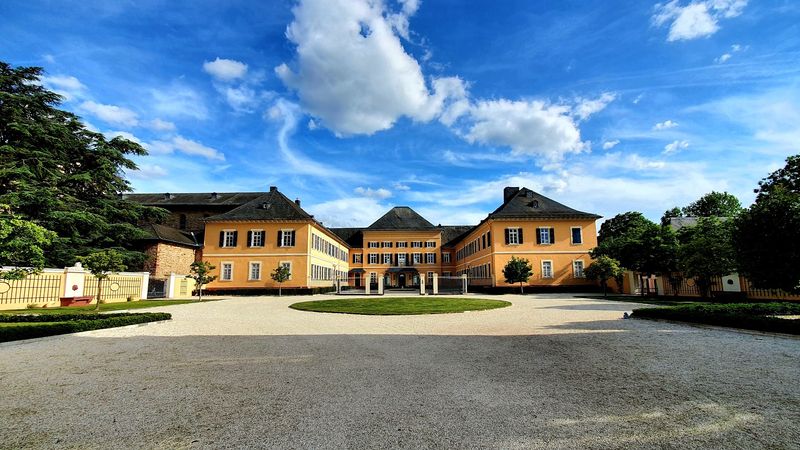
Perched high above the Rhine River, Schloss Johannisberg carries a reputation that few wineries anywhere can match. Vineyard records here date back to 817 AD, and Benedictine monks established a monastery on the hill around 1100.
For centuries, this estate helped define what German Riesling could be at its very best.
One of its most famous moments came in 1775, when a delayed harvest accidentally produced what is now recognized as one of the earliest examples of Spaetlese, or late-harvest wine. That happy accident shaped the course of German winemaking history.
A visit to the estate includes a tour of those legendary cellars.
The hilltop setting offers sweeping views of the surrounding vineyards and the Rhine below. Tastings showcase the estate’s range of elegant, age-worthy Rieslings.
Whether you are a wine expert or a curious newcomer, Schloss Johannisberg delivers an experience that is genuinely hard to forget.
4. Barone Ricasoli, Castello di Brolio, Tuscany, Italy
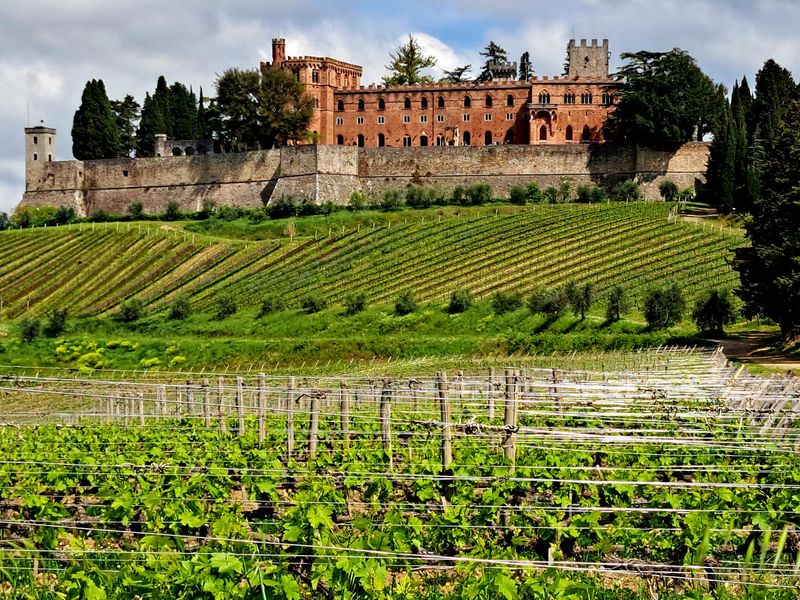
The Ricasoli family has called Castello di Brolio home since 1141, which means this estate has been producing wine for nearly nine centuries. Baron Bettino Ricasoli, who later became the second Prime Minister of unified Italy, is credited with creating the original recipe for Chianti wine right here in the 1800s.
That alone is enough to earn this place a permanent spot in wine history.
Walking through the castle grounds gives visitors a powerful sense of how deeply wine is woven into Italian identity. The medieval fortress walls, the formal gardens, and the sweeping views over the Chianti Classico hills all combine to create something genuinely special.
Guided tastings introduce guests to the estate’s flagship Chianti Classico Gran Selezione wines.
The on-site restaurant serves traditional Tuscan dishes that pair perfectly with the estate’s bottles. Visiting Brolio is less about checking off a tourist attraction and more about understanding why Italian wine culture feels so timeless.
5. Schloss Vollrads, Rheingau, Germany
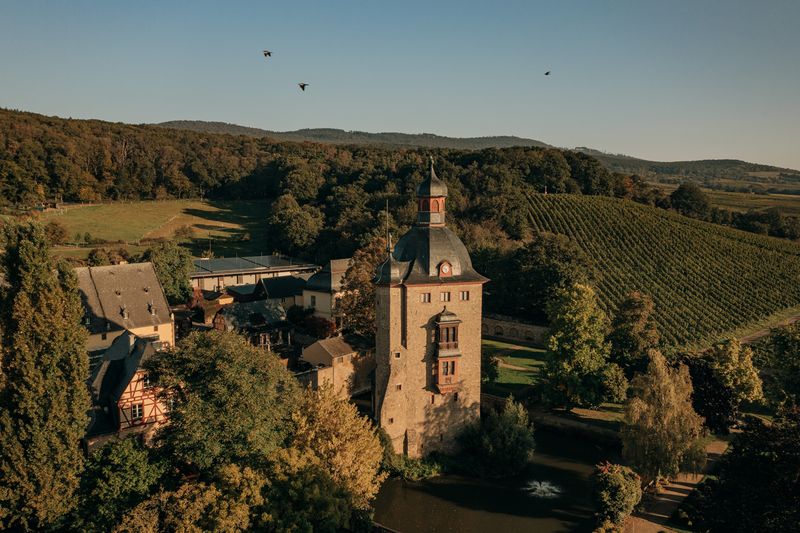
Schloss Vollrads holds a remarkable distinction: wine sales from this estate were first documented in 1211, making it one of the oldest continuously operating wine estates on record. The iconic medieval tower that still stands at the center of the property was built in the 1300s and remains one of the most photographed landmarks in the Rheingau wine region.
Riesling is the heart and soul of Schloss Vollrads, and the estate produces a wide range from bone-dry to lusciously sweet. The cool Rheingau climate and the property’s unique microclimate give these wines a crisp acidity balanced by elegant fruit.
Tastings here are thoughtfully structured to help guests understand the full range of Riesling styles.
The estate also hosts concerts, festivals, and special events throughout the year, making it a lively cultural destination beyond just wine. Combining history, stunning scenery, and world-class Riesling, Schloss Vollrads rewards every type of visitor who makes the trip.
6. Marchesi Antinori, Tuscany, Italy
Twenty-six generations of the same family have been making wine under the Antinori name since 1385. That kind of unbroken commitment to a craft is almost impossible to imagine, yet the Marchesi Antinori family has done exactly that, shaping Italian wine history along the way.
Their story is not just about tradition; it is also about bold innovation.
In the 1970s, Antinori helped pioneer the so-called Super Tuscan movement, producing wines that blended international grape varieties with local ones in ways that defied Italian wine law at the time. The results changed how the world viewed Italian wine forever.
Their flagship wine, Tignanello, is now considered a modern classic.
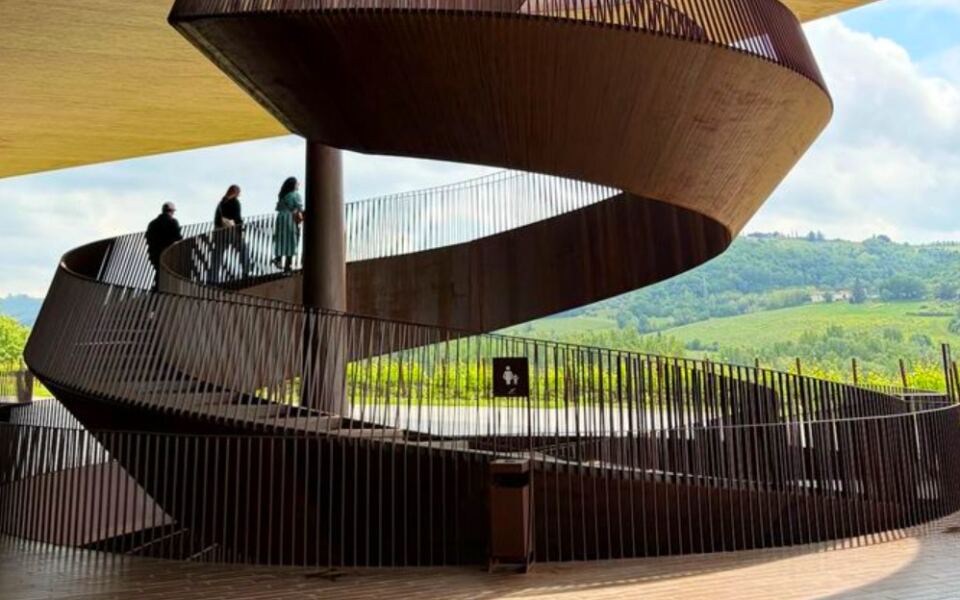
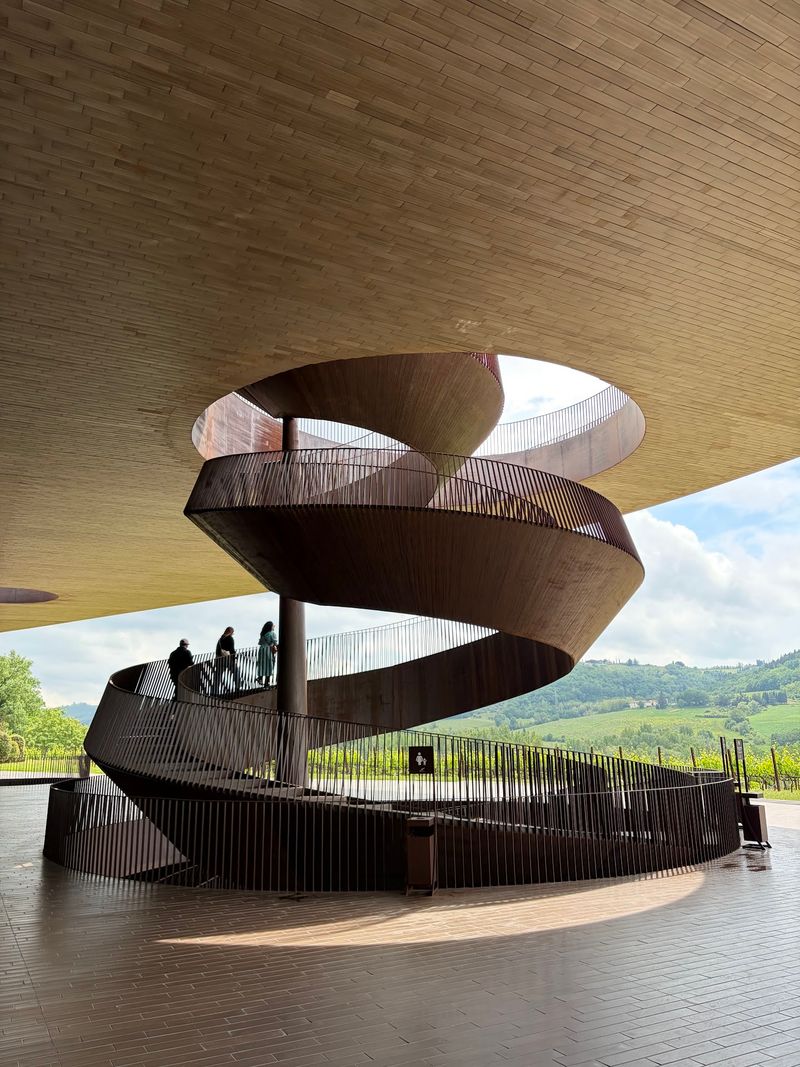
The family’s spectacular winery near Bargino, built into a hillside and opened in 2012, is an architectural masterpiece worth visiting on its own. Tastings there combine breathtaking design with world-class wines, giving visitors a full picture of what six centuries of winemaking passion looks like today.
7. Hospices de Strasbourg Historic Wine Cellar, Strasbourg, France
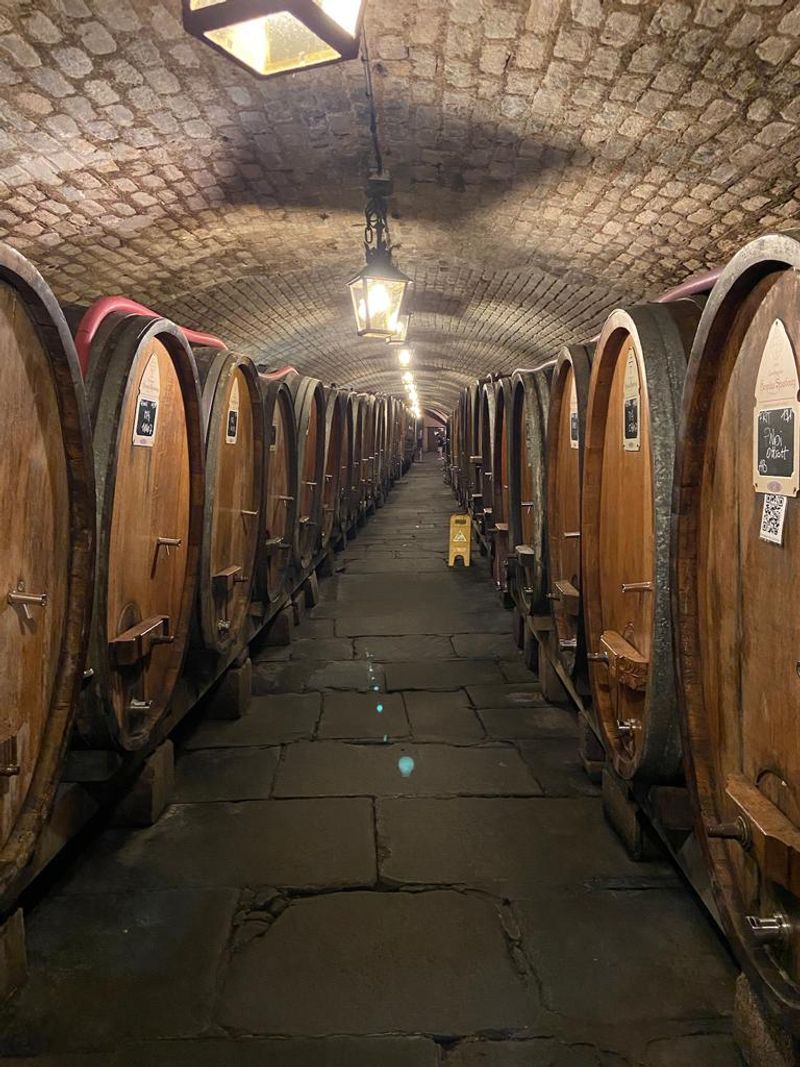
Established in 1395, the Hospices de Strasbourg wine cellar is one of France’s most extraordinary living museums. Originally created to generate income for the city’s hospital system, the cellar has been producing and aging wine continuously for over six centuries.
Some of the barrels stored here hold wine that is astonishingly old, including bottles that date back hundreds of years.
The cellar is located beneath the streets of Strasbourg’s old city, a UNESCO World Heritage Site. Visitors can join guided tours that wind through vaulted stone passages and past rows of ancient oak barrels.
The guides explain how the cellar’s mission of supporting healthcare has remained unchanged since the Middle Ages.
Tastings typically feature Alsatian varieties like Riesling, Pinot Gris, and Gewurztraminer. The combination of medieval architecture, remarkable history, and genuinely good wine makes this one of the most unique cellar experiences available to visitors anywhere in Europe.
8. Bodegas Alvear, Montilla, Spain
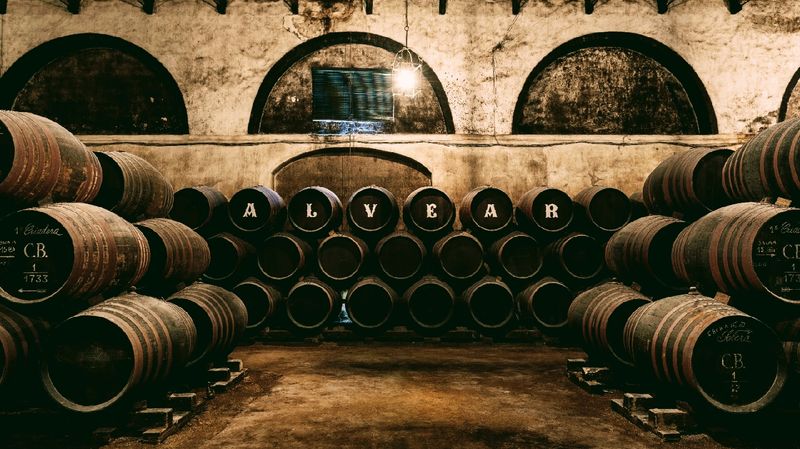
Founded in 1729 by Don Diego de Alvear, Bodegas Alvear is the oldest winery in Andalusia and one of the oldest in all of Spain. Located in the Montilla-Moriles region, the estate is famous for producing Pedro Ximenez wines, including rich, dark, intensely sweet dessert wines that are unlike anything else in the wine world.
The warm southern Spanish climate gives these wines their bold, concentrated character.
What makes Alvear especially interesting is that its wines are naturally fortified through a process called solera aging, where younger wine is blended progressively with older wine over many years. The result is a product with incredible depth and complexity.
Some of the oldest solera barrels at Alvear date back generations.
Tours of the bodega offer a fascinating look at the solera system in action. The tasting room is relaxed and welcoming, making it easy for first-time visitors to appreciate wines that carry nearly three centuries of craftsmanship in every glass.
9. Bodegas El Grifo, Lanzarote, Spain
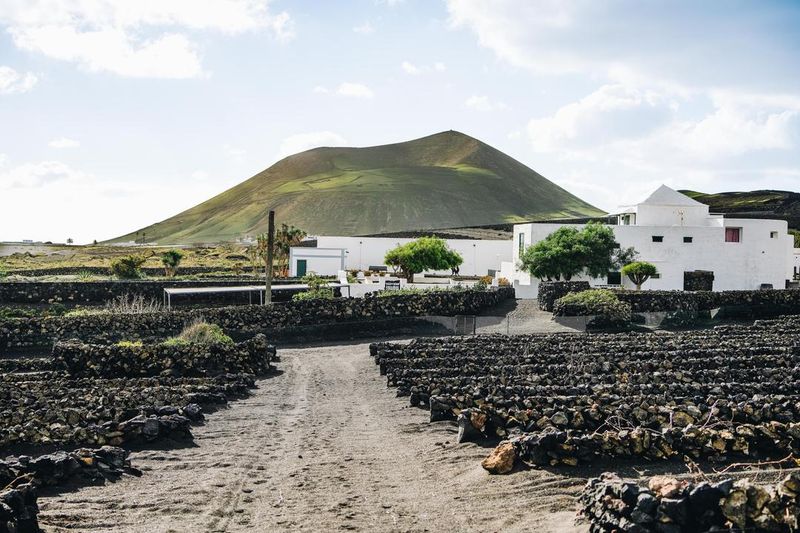
Lanzarote is one of the most visually striking wine regions on earth, and Bodegas El Grifo, established in 1775, is its oldest and most celebrated winery. The volcanic landscape here is unlike anything else in the wine world.
Grapevines are planted in individual pits dug into the black lava soil, each vine protected from the constant Atlantic winds by small semicircular stone walls called zocos.
El Grifo has been in continuous operation for nearly 250 years, surviving volcanic eruptions, political upheaval, and the constant challenge of farming on one of the world’s most unusual soils. The winery’s museum, housed on the estate, traces the full history of Lanzarote’s wine culture with rare artifacts and original equipment.
The wines themselves, especially the crisp, mineral-driven Malvasia whites, are a genuine reflection of the island’s volcanic terroir. A visit to El Grifo feels like discovering a wine world that most people never knew existed, and that sense of discovery makes it unforgettable.
10. Bodegas Osborne, El Puerto de Santa Maria, Spain
Thomas Osborne Mann, a young Englishman who arrived in southern Spain with big ambitions, founded Bodegas Osborne in 1772. What started as a small sherry operation in El Puerto de Santa Maria has grown into one of Spain’s most iconic wine and spirits companies.
The famous black bull silhouettes seen along Spanish highways are actually an Osborne advertising creation, now considered a national symbol.
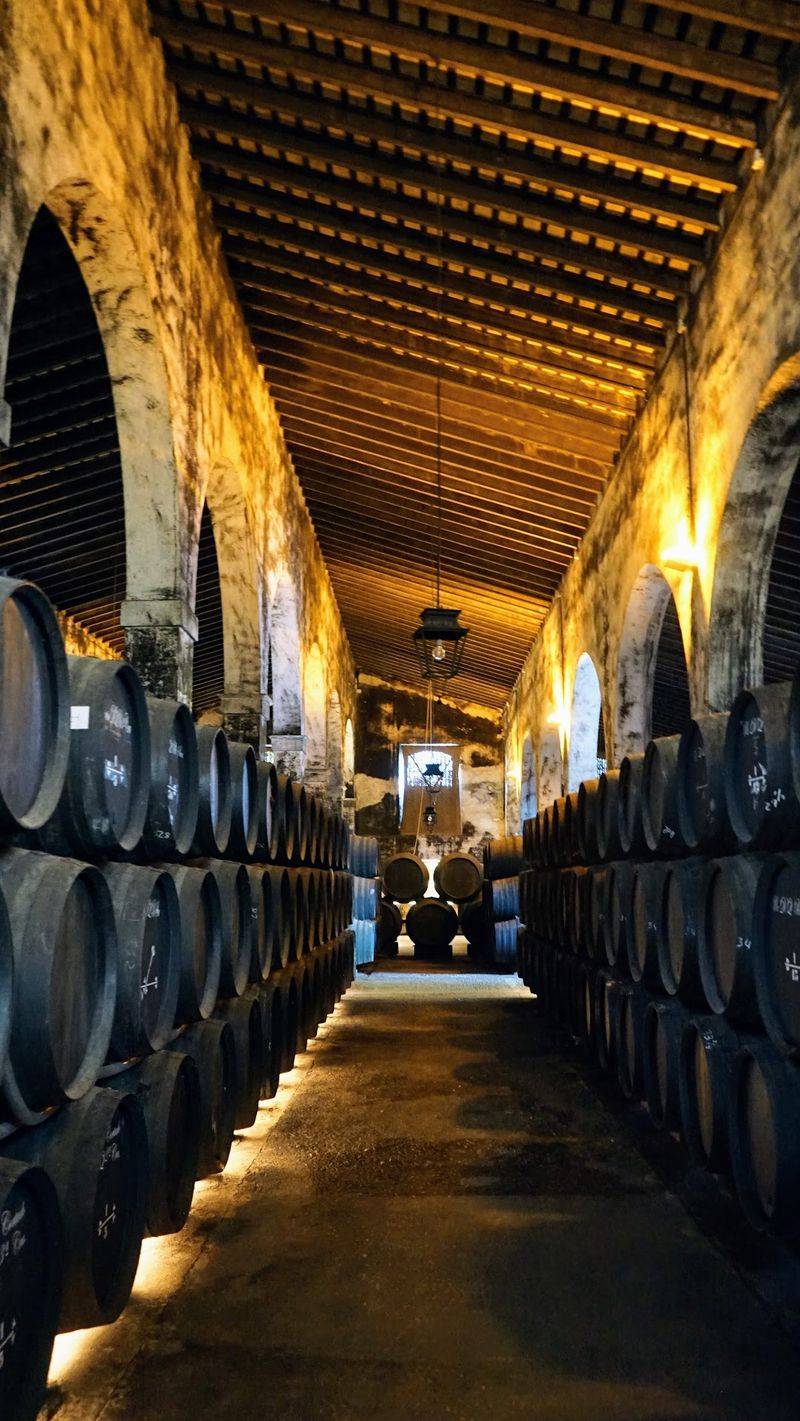
The bodega specializes in sherry and brandy, producing everything from light, crisp Fino to rich, nutty Amontillado. The aging cellars, known as catedrales del vino or wine cathedrals, are genuinely awe-inspiring spaces.
Massive wooden barrels line the walls of soaring whitewashed halls, creating an atmosphere that feels almost sacred.
Guided tours take visitors through the production process and into the historic cellars, ending with a tasting of the estate’s signature products. The combination of Spanish heritage, remarkable architecture, and world-class fortified wines makes Osborne a destination that rewards every visitor who makes the journey to Andalusia.
11. Graham’s, Porto and Douro, Portugal
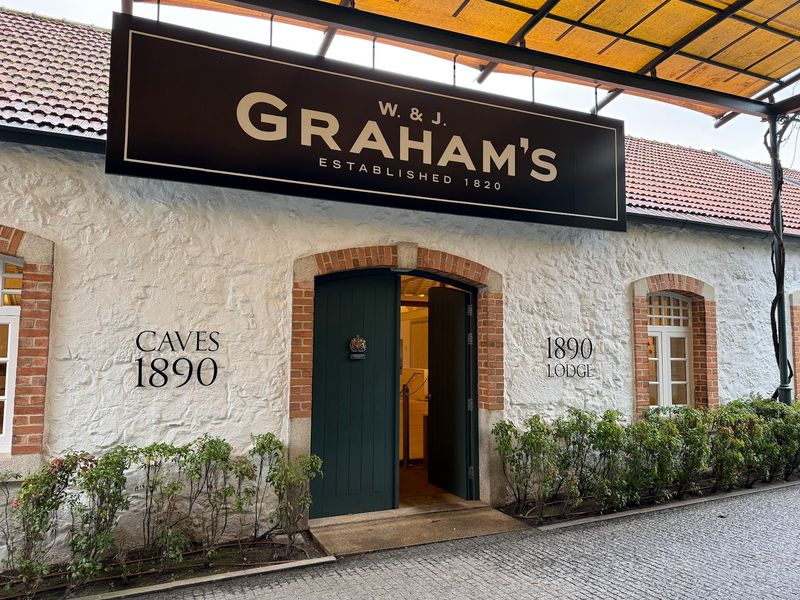
Graham’s was founded in 1820 by two Scottish brothers, William and John Graham, who came to Portugal on a textile trading mission and ended up falling in love with Port wine instead. That happy change of plans launched one of the most respected Port houses in history.
Today, Graham’s is recognized worldwide for its powerful, age-worthy Vintage Ports and its beautifully situated lodge in Vila Nova de Gaia, just across the river from Porto.
The lodge offers some of the best views of the Douro River available anywhere in the city. Visitors can tour the aging cellars, learn about how Port wine is made, and taste through an impressive range of styles from light Tawny to deep, complex Vintage Port.
The on-site restaurant is excellent, making a full afternoon here very easy to plan.
The Douro Valley quinta, or estate farm, is also open for visits and offers a more immersive vineyard experience. Between the city lodge and the valley estate, Graham’s gives visitors two very different but equally rewarding ways to explore the world of Port wine.
12. Gonzalez Byass, Jerez, Spain
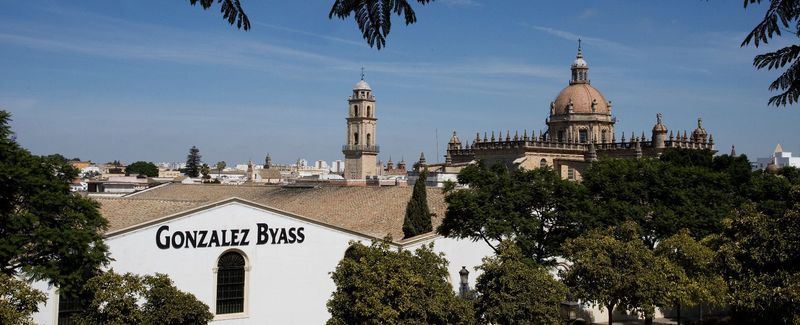
Manuel Maria Gonzalez Angel founded this legendary sherry house in Jerez de la Frontera in 1835, and the Tio Pepe brand he created became one of the most recognized wine labels in the world. The name Tio Pepe, which means Uncle Joe in English, was a tribute to Manuel’s uncle Jose Angel de la Peña, who helped guide the early years of the business.
That personal touch gives the brand a warmth that feels genuine even today.
The winery’s bodegas are cathedral-like in scale, with soaring whitewashed walls and row upon row of American oak barrels stacked high. Famous visitors over the years have signed barrels, and some of those signatures belong to figures like the Duke of Edinburgh and Orson Welles.
The cellar tour is one of the most famous winery experiences in Spain.
Tastings cover the full range of sherry styles, from the bone-dry Fino Tio Pepe to rich, complex Oloroso and Pedro Ximenez. The estate also has a museum, a restaurant, and a beautiful garden, making it a complete half-day destination in Jerez.
13. Brotherhood Winery, Washingtonville, New York
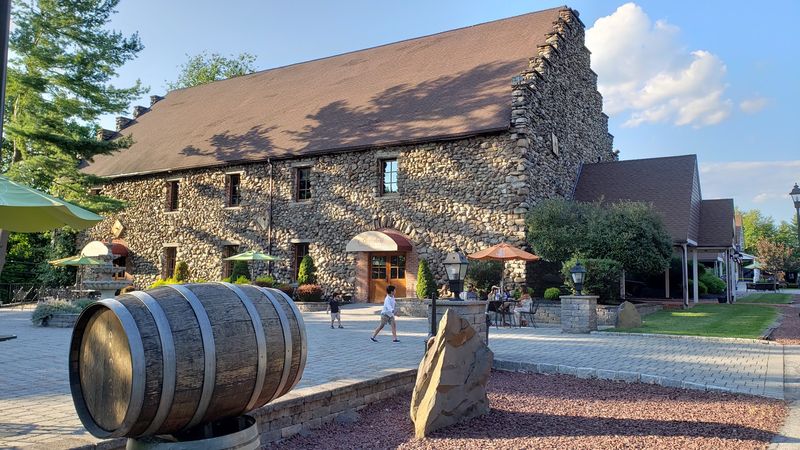
Brotherhood Winery holds the title of America’s oldest continuously operating winery, a distinction it has held since its founding in 1839. Located in the Hudson Valley, about 60 miles north of New York City, Brotherhood survived Prohibition by producing sacramental wines for the Catholic Church, which allowed it to keep its doors open while most other American wineries were forced to shut down.
That resilience is a big part of what makes this place so historically significant.
The underground cellars at Brotherhood are the oldest in the country and remain in active use today. Visitors can walk through these cool, stone-lined tunnels while learning about the winery’s long and colorful past.
The tours are family-friendly and engaging, making them accessible to guests of all ages and wine knowledge levels.
Brotherhood produces a wide variety of wines, from classic Chardonnay and Cabernet to fruit wines and sparkling options. The grounds also host festivals, markets, and seasonal events throughout the year, giving visitors plenty of reasons to plan a return trip to this uniquely American landmark.
14. Buena Vista Winery, Sonoma, California
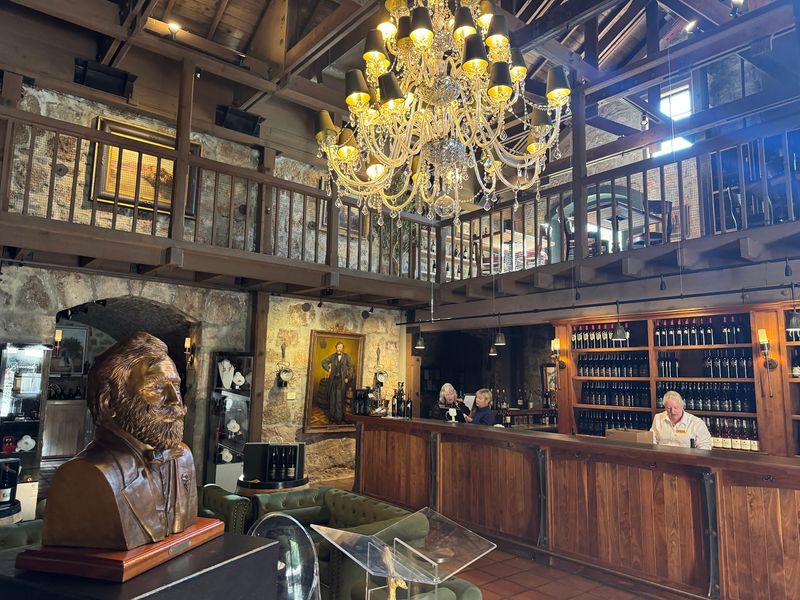
Agoston Haraszthy, a Hungarian immigrant with enormous ambition, founded Buena Vista Winery in Sonoma in 1857, making it the oldest premium winery in California. Haraszthy believed California’s climate and soil could produce wines to rival Europe’s best, and he dedicated his life to proving it.
He traveled to Europe, brought back thousands of vine cuttings, and planted them across Sonoma, helping launch the California wine industry as we know it today.
The original stone press house, built by Chinese laborers in the 1860s, still stands on the property and is now a California Historical Landmark. Visitors can taste wines inside this beautifully preserved building while surrounded by artifacts and stories from the winery’s earliest days.
The atmosphere is warm, welcoming, and genuinely historic.
Buena Vista produces a range of classic California varietals, with a particular focus on Pinot Noir, Chardonnay, and Cabernet Sauvignon. The combination of Gold Rush-era history, pioneering spirit, and quality wine makes this Sonoma destination one of the most rewarding stops on any California wine trail.
15. Bodegas Lopez de Heredia Vina Tondonia, Haro, Spain
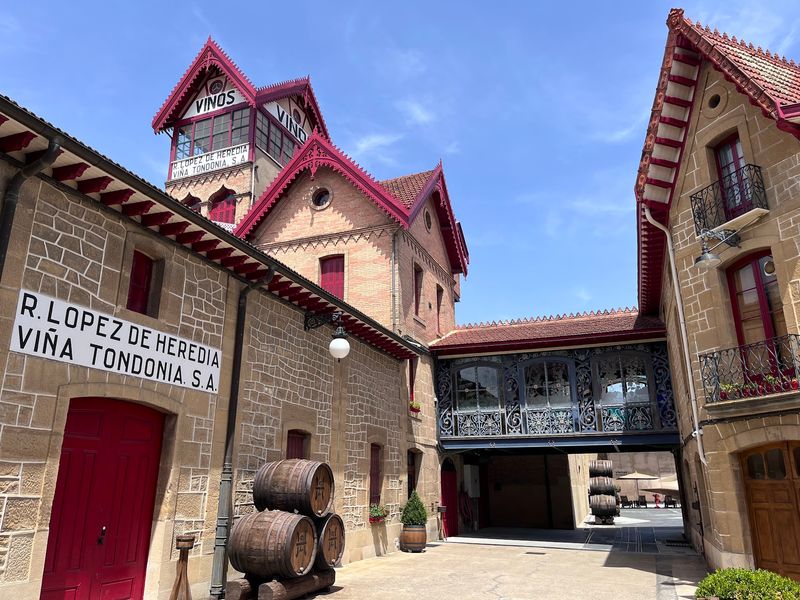
Walking into Bodegas Lopez de Heredia in Haro feels like stepping into a time capsule. Founded in 1877 by Rafael Lopez de Heredia, this Rioja estate is one of Spain’s most fiercely traditional wineries, still using many of the same winemaking techniques developed by its founder more than a century ago.
The family has never been interested in chasing trends, and that stubborn commitment to tradition is exactly what makes their wines so extraordinary.
The cellars here are a wonder to behold. Enormous spiderwebs drape across the oldest sections of the underground tunnels, a sign of just how undisturbed and carefully maintained the aging environment is.
Barrels are stacked deep underground, where the temperature and humidity remain naturally stable year-round.
The wines, especially the white Vina Tondonia Reserva, are aged far longer than almost any other producer would dare. They emerge tasting unlike anything else in the wine world, complex and layered in ways that take years to fully develop.
A visit here is a lesson in patience, craft, and the enduring power of doing things the old way.
Share this story