South America holds some of the most beautifully preserved colonial cities on earth, and many travelers have no idea just how varied and impressive they are. From walled Caribbean ports to Andean hilltop towns to riverside settlements shaped by Portuguese tiles, the range of history and architecture across the continent is genuinely remarkable.
Each city on this list earned its place because it offers something specific and real, not just old buildings, but living neighborhoods where centuries of history are still part of everyday life. Whether you are planning a trip or simply curious about the world, these fifteen cities are worth knowing about.
Cartagena, Colombia
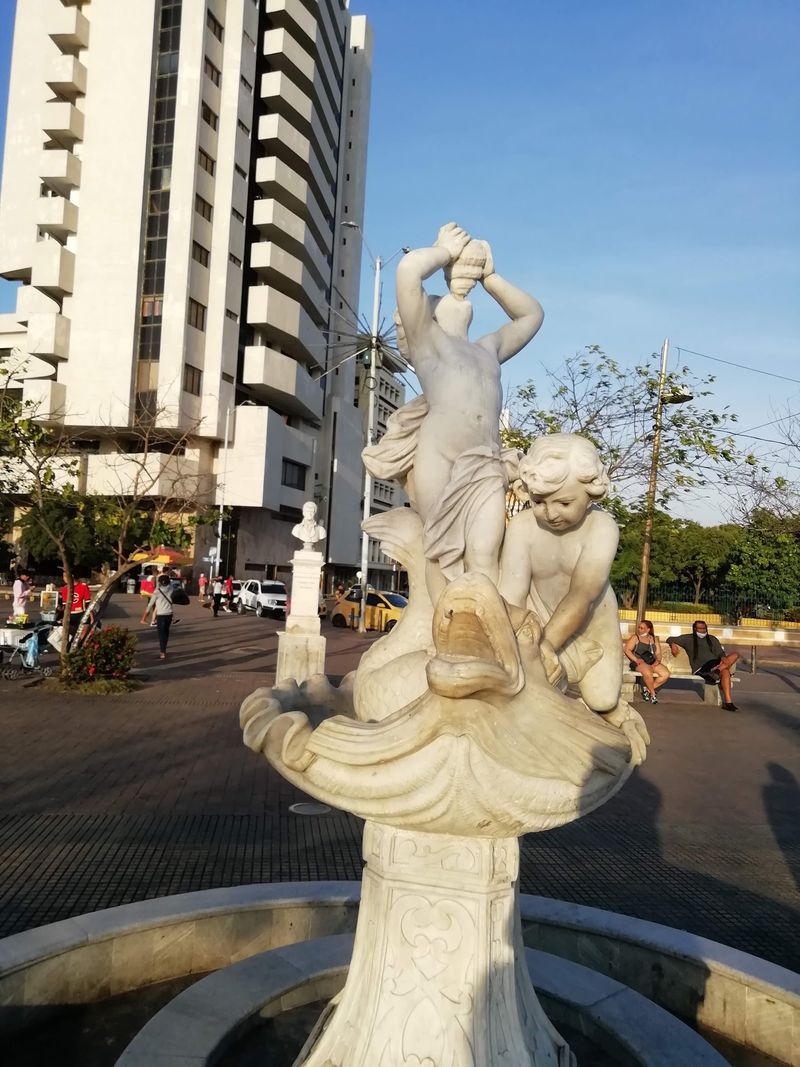
Walking through Cartagena’s historic center feels like stepping into a painting that someone forgot to finish, because new details keep appearing around every corner. Brightly painted houses, wooden balconies draped with tropical plants, narrow winding streets, grand churches, and leafy plazas fill the area enclosed by the city’s famous defensive walls.
Those walls were built during Spanish colonial rule to protect one of the Caribbean’s most important ports. Today, UNESCO recognizes the entire historic center as a World Heritage property, and Colombia’s official tourism organization continues to promote its churches, museums, and colonial architecture as major visitor attractions.
What makes Cartagena especially interesting is that the historic architecture has not been turned into a theme park. Restaurants, boutique hotels, homes, cafes, and shops all operate inside centuries-old buildings.
The colonial past and the living Caribbean city share the same streets without one overwhelming the other.
Quito, Ecuador
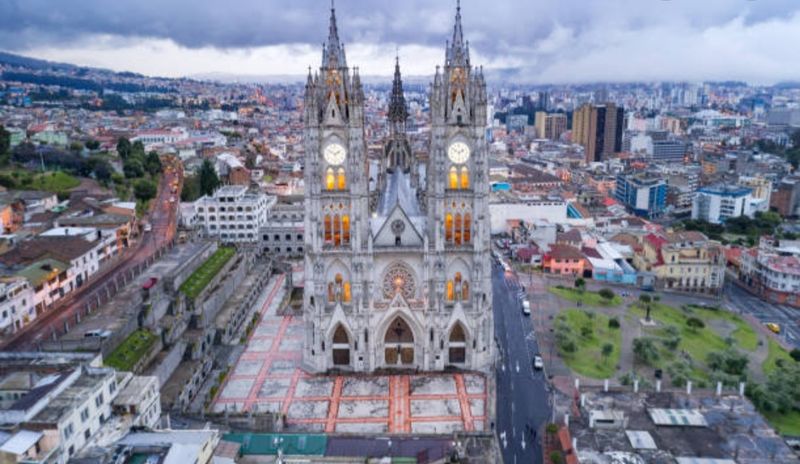
At roughly 9,350 feet above sea level, Quito already commands attention before you even look at its architecture. The Ecuadorian capital was founded by the Spanish in the 16th century on the site of an earlier Inca settlement, and its historic center has retained its original layout with unusual consistency despite centuries of earthquakes.
UNESCO highlights the Quito School of art as one of the historic center’s defining contributions, a distinctive tradition that blended European and Indigenous artistic techniques in churches, monasteries, and convents. The Church of La Compañía de Jesús and the vast San Francisco complex are two of the most visited landmarks.
Ecuador’s tourism authorities continue to promote the historic center as one of the country’s premier cultural destinations. Steep cobblestone streets, mountain views, ornate Baroque interiors, tiled rooftops, and lively plazas create a setting that rewards slow exploration rather than a rushed checklist approach.
Sucre, Bolivia
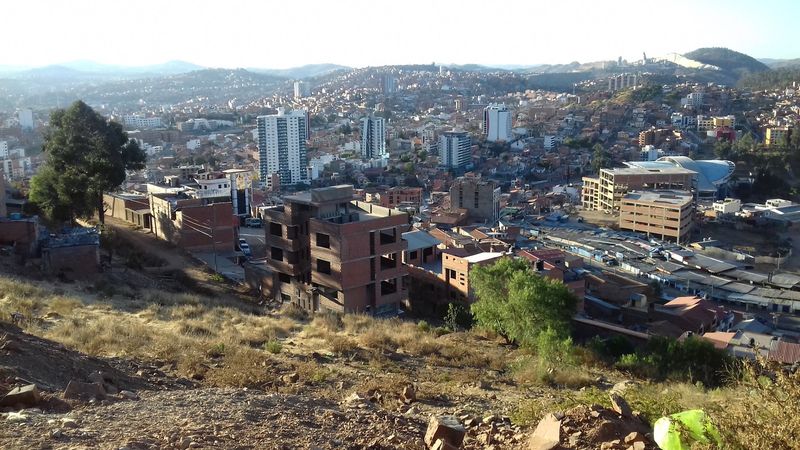
Sucre’s reputation as Bolivia’s most photogenic city rests on something very specific: the consistency of its white-painted facades and red-tiled roofs across the entire historic center. That visual coherence is not accidental.
UNESCO recognizes Sucre as an exceptionally well-preserved example of how European architectural traditions blended with local building methods during the colonial period.
Founded by the Spanish in the 16th century, Sucre grew into an important administrative, religious, and cultural hub. Many of the surviving buildings date from the 18th century, and Plaza 25 de Mayo functions as the traditional heart of the historic district, surrounded by churches, government buildings, and elegant colonial residences.
Unlike some historic districts that exist almost entirely for tourism, Sucre remains a working Bolivian city. Schools, government offices, businesses, restaurants, and everyday street life all share the same beautifully preserved environment, which gives the historic center an authenticity that feels genuinely lived-in.
Ouro Preto, Brazil
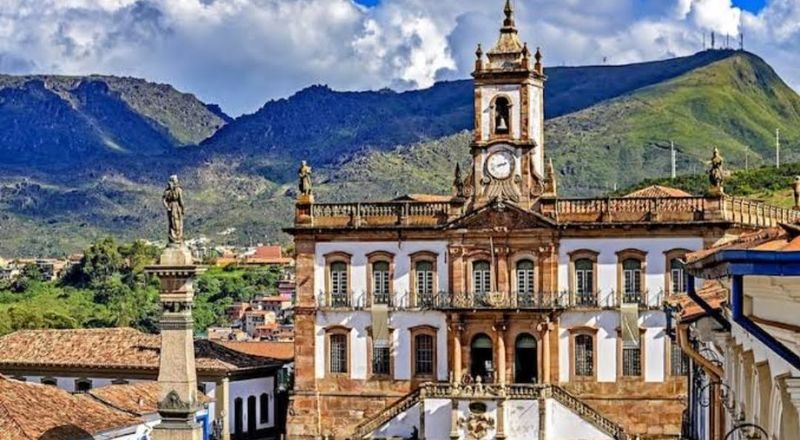
Ouro Preto does not sit on flat ground like most colonial towns. It was built across steep hills in the Brazilian state of Minas Gerais during an 18th-century gold rush, and the resulting cityscape is genuinely dramatic.
Streets climb and descend past fountains, bridges, stairways, colorful houses, and some of the most elaborate Baroque churches in the Americas.
UNESCO placed Ouro Preto on the World Heritage List in 1980, making it Brazil’s first cultural property to receive that recognition. The organization notes that the city retains its colonial urban nucleus, including important civic and religious buildings from the gold boom period.
A figure closely associated with the city is the sculptor and architect Antônio Francisco Lisboa, known as Aleijadinho, whose work helped define Brazilian Baroque and Rococo art. Church towers rise above tiled rooftops throughout the hills, and few Brazilian cities preserve the atmosphere of the colonial mining era with comparable power.
Colonia del Sacramento, Uruguay
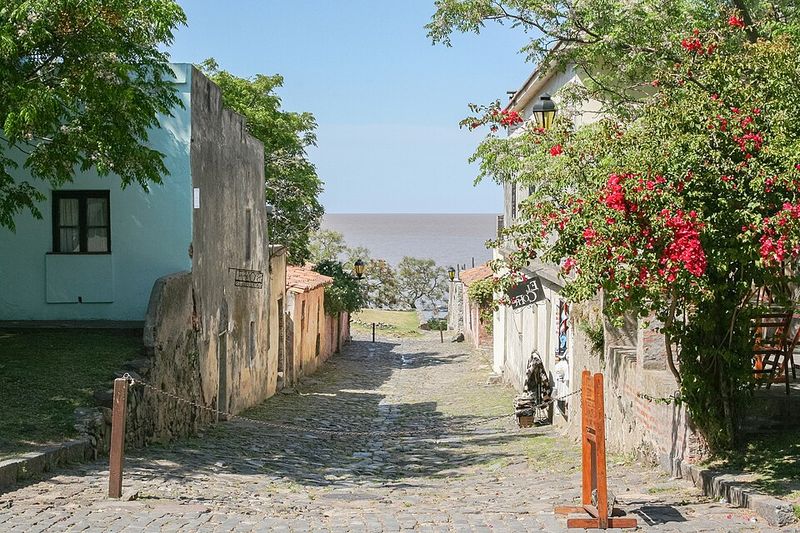
Portugal founded Colonia del Sacramento in 1680 on the eastern bank of the Rio de la Plata, and control of the settlement shifted back and forth between Portuguese and Spanish forces over the following century. That complicated political history produced a townscape where different European planning traditions and architectural styles ended up side by side.
UNESCO recognizes the historic quarter as remarkable testimony to European colonial settlement, preserving elements of its 17th-, 18th-, and 19th-century walled city. Uruguay’s Ministry of Tourism continues to promote the historic quarter, including its cobblestone streets, waterfront views, small museums, and the famous Calle de los Suspiros.
Compared to cities like Cartagena or Quito, Colonia del Sacramento is small and unhurried, and that is genuinely part of its appeal. Old stone walls, low houses, irregular cobblestone lanes, and flowering plants create an intimate atmosphere, particularly in the oldest section of town nearest the river.
Salvador, Brazil
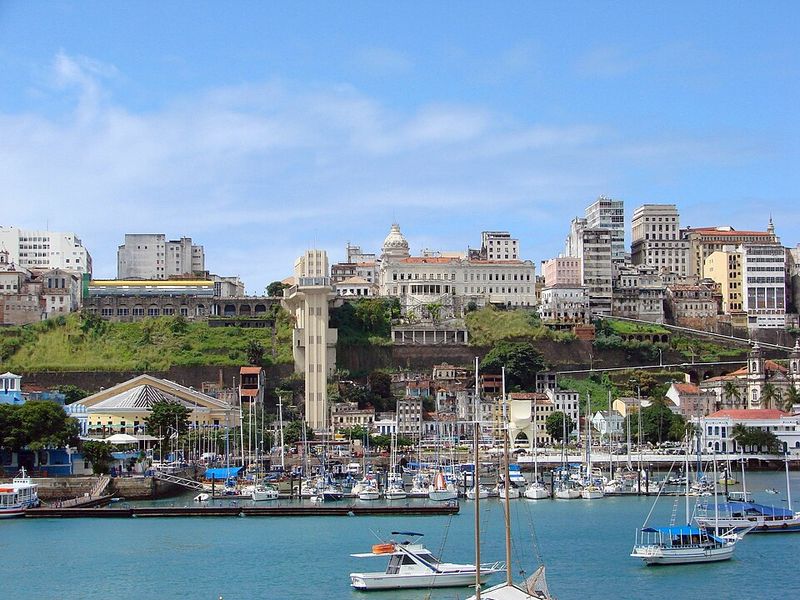
Founded in 1549, Salvador was the first capital of colonial Brazil and one of the Portuguese Empire’s most consequential cities in the Americas. Its historic center occupies a dramatic hillside site divided between an upper and lower city, connected historically by lifts and steep pathways.
UNESCO describes the upper town as an important example of Renaissance urban planning adapted to a tropical colonial setting. The Pelourinho district preserves a 16th-century street plan surrounded by religious, residential, commercial, and military architecture dating largely from the 17th through 19th centuries.
Rows of colorful buildings climb the streets around monumental churches and busy plazas.
What separates Salvador from most colonial cities on this list is the profound influence of African culture on virtually every aspect of life. Religion, music, cuisine, language, and traditions were all shaped by the city’s history, making Salvador one of the most culturally layered and distinctive cities anywhere in the Americas.
Cusco, Peru
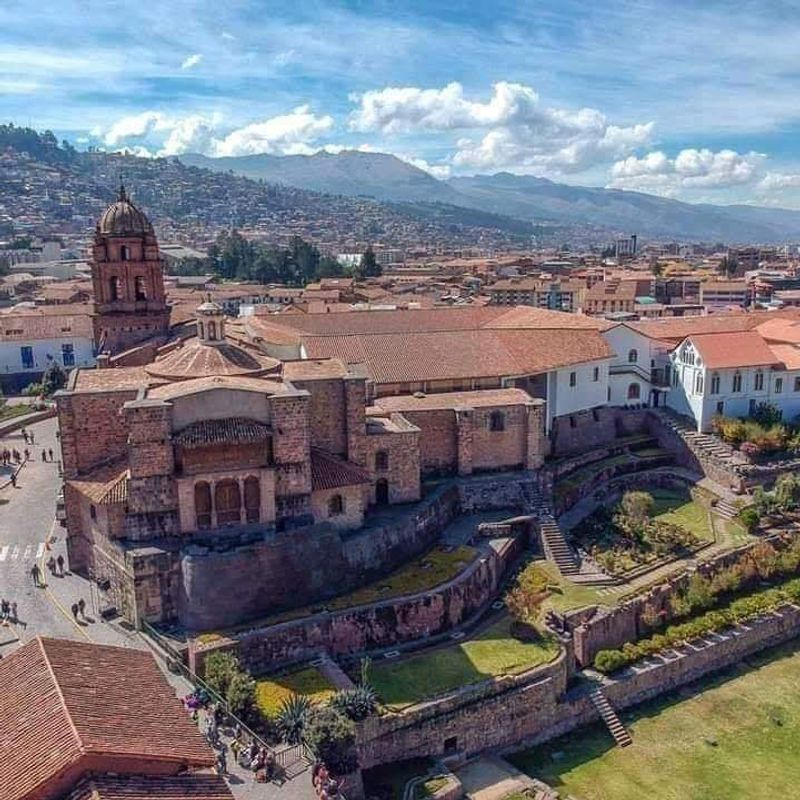
Cusco is not simply a colonial city. Long before Spanish ships arrived in South America, it was the political and ceremonial heart of the Inca Empire.
When Spanish colonizers took control, they did not erase the existing city entirely. Instead, they built churches, mansions, and palaces over and alongside Inca foundations.
UNESCO specifically highlights this extraordinary layering, noting that the Spanish preserved the basic structure of the Inca city while constructing Baroque buildings over its remains. Walking through the historic center today, you can see finely fitted Inca stonework forming the lower sections of buildings while Spanish colonial architecture rises directly above.
Around the Plaza de Armas stand monumental religious buildings, while narrow streets lead toward courtyards, museums, markets, and surviving Inca walls. Peru’s official tourism organization continues to promote Cusco’s historic center as one of the country’s most significant cultural attractions, and the combination of two civilizations in one streetscape remains genuinely unlike anywhere else.
Arequipa, Peru
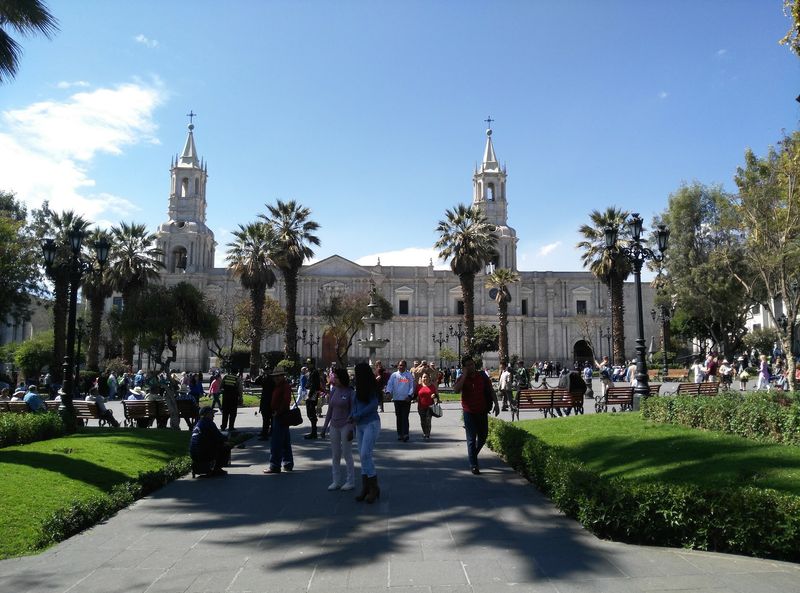
Arequipa earned its nickname, the White City, from sillar, a pale volcanic stone that was the primary building material used throughout its historic center. The result is an architectural environment unlike anything else in Peru, where thick stone walls, elaborate carved portals, arcaded streets, and grand church facades all share the same distinctive pale coloring.
UNESCO describes the historic center as an integration of European and Indigenous building techniques, developed through collaboration between colonial masters and local Criollo and Indigenous masons. That creative exchange produced a regional architectural style with its own recognizable character.
One of the most visited landmarks is the Santa Catalina complex, a large religious compound known for its network of lanes, courtyards, cloisters, and intensely colored walls that contrast sharply with the pale stone of the surrounding city. Peru’s official tourism platform continues to promote Arequipa’s colonial heritage, and the presence of active volcanoes visible from the city adds a dramatic backdrop that most historic centers simply cannot offer.
Olinda, Brazil
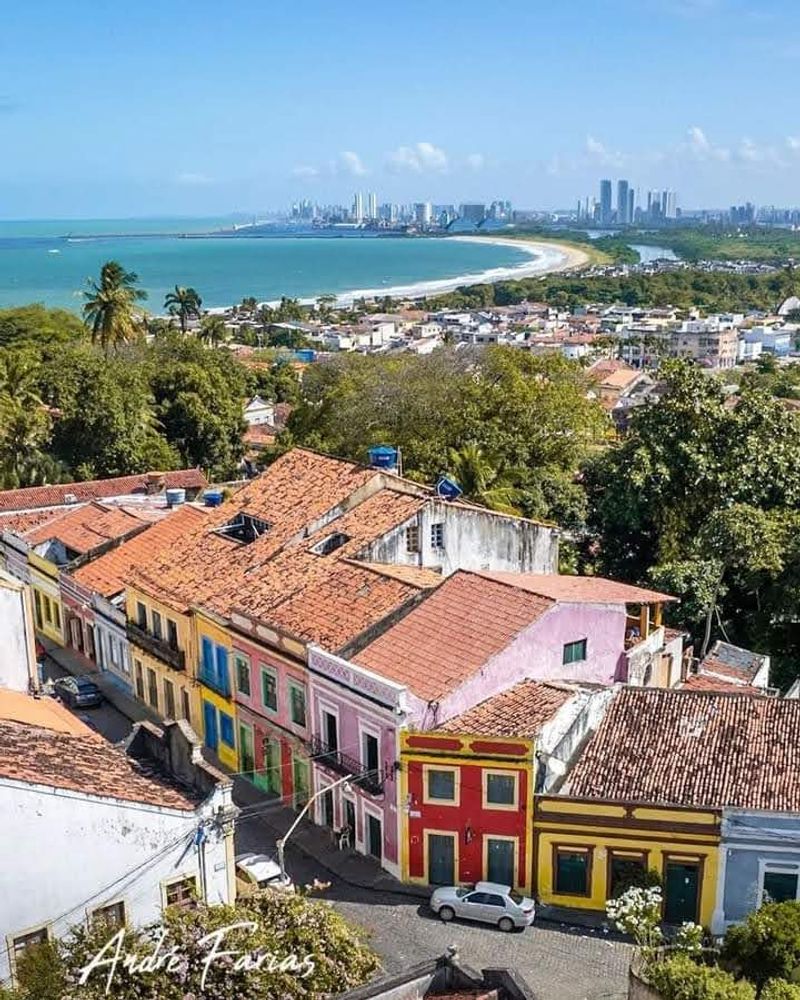
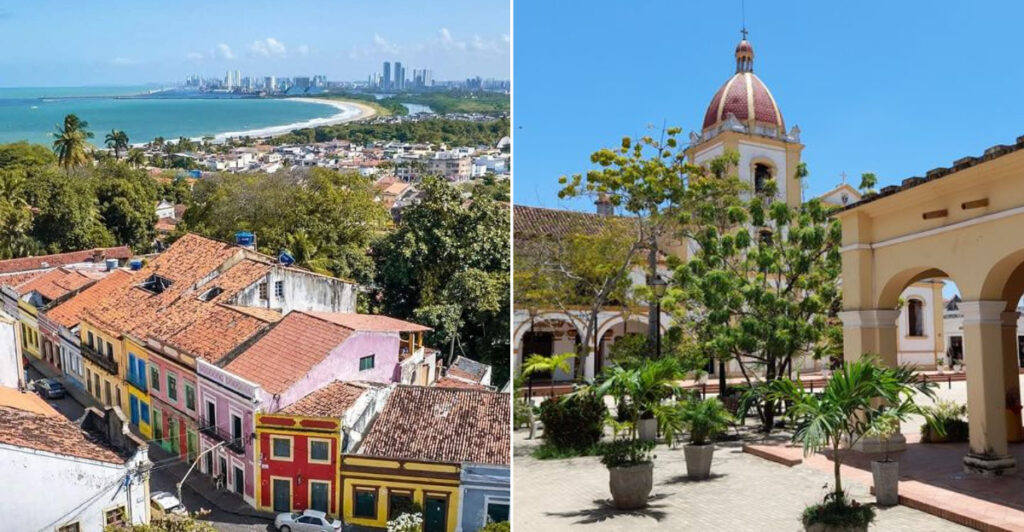
Olinda does not announce itself with massive fortifications or grand plazas. Instead, it spreads across gentle green hills in northeastern Brazil near Recife, where churches, convents, colorful houses, gardens, and narrow streets create a landscape where architecture and tropical vegetation constantly overlap in a way that feels genuinely organic.
UNESCO notes that Olinda’s historic center maintains a high degree of authenticity in its setting, design, materials, and original residential character. The city became important during Brazil’s colonial sugar economy and contains religious buildings representing several stages of Portuguese colonial architecture, from early construction through later periods of refinement.
Olinda is also famously alive with art, music, workshops, and one of Brazil’s most celebrated Carnival traditions. That combination of tropical atmosphere, colorful architecture, steep lanes, artistic energy, and historic churches gives Olinda a personality that is hard to categorize neatly.
It does not feel like a museum, and it does not feel like a typical tourist town either.
Cuenca, Ecuador
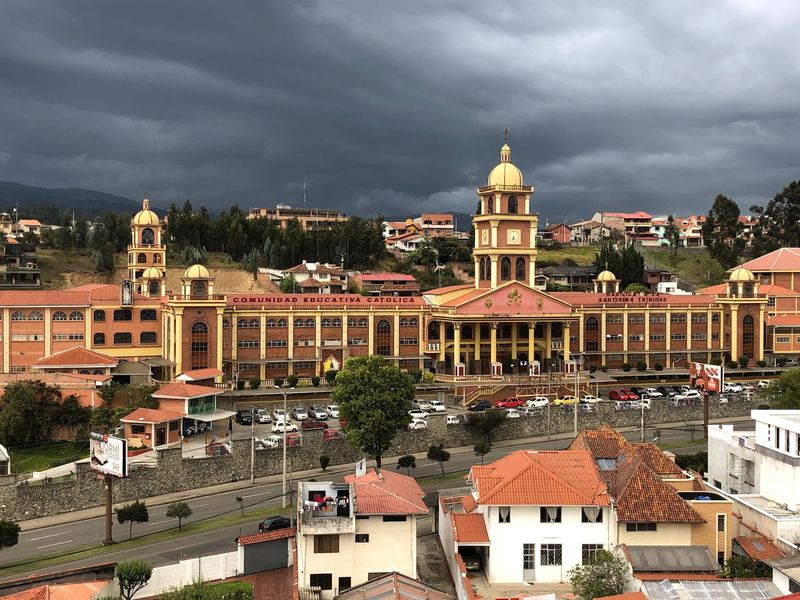
The Spanish founded Santa Ana de los Rios de Cuenca in 1557 using formal grid-based planning principles common to colonial settlements of that era. More than four centuries later, UNESCO notes that the city still preserves that original orthogonal street plan, making it one of the better-preserved examples of Spanish colonial urban planning in South America.
Much of the architecture visible in the historic center dates from the 18th century, though later prosperity during the 19th century brought additional changes and refinements. Church domes, tiled rooftops, wooden balconies, narrow facades, courtyards, and traditional plazas define the look and feel of central Cuenca.
Ecuador’s Ministry of Tourism continues to describe Cuenca as a living cultural destination, emphasizing the colonial architecture of its UNESCO-listed historic center. Its location in an Andean valley crossed by several rivers gives the city a relaxed, accessible atmosphere that feels noticeably different from larger, more hectic South American capitals.
Lima, Peru
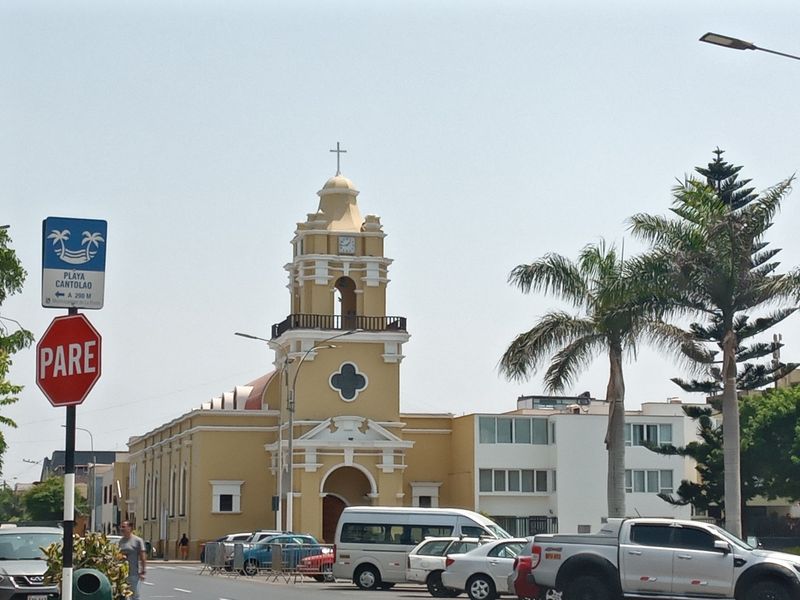
Modern Lima is a sprawling metropolis of millions, but tucked inside it is a historic center that tells the story of a completely different city. During Spanish colonial rule, Lima served as the capital of the Viceroyalty of Peru, making it the political, administrative, religious, and economic center of Spanish power across much of South America.
UNESCO describes Lima’s historic center in those exact terms and recognizes it as one of the most significant sites of Spanish colonial authority in the Americas. That importance produced grand churches, convents, civic buildings, and monumental plazas.
The Plaza Mayor remains the symbolic heart of the historic district, surrounded by recognizable facades and historic institutions.
The Convent Ensemble of San Francisco is another major component of the UNESCO property, known for its religious architecture and historical significance. Lima may not feel colonial when seen as a whole, but within its protected historic core, balconies, courtyards, and monumental facades preserve a genuinely important chapter of the city’s story.
Potosi, Bolivia
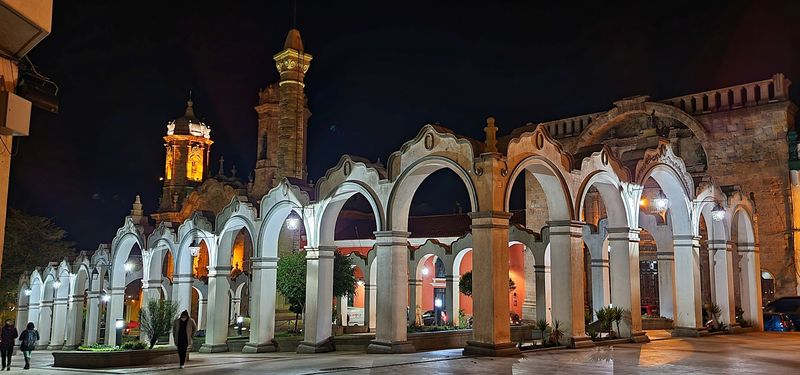
The mountain visible from almost every point in central Potosi is not simply scenic. Cerro Rico, whose name translates roughly to Rich Hill, contained the silver deposits that transformed Potosi into one of the wealthiest and most important cities in the entire Spanish Empire during the 16th and 17th centuries.
That extraordinary wealth funded churches, grand residences, civic buildings, and an enormous colonial mining infrastructure. UNESCO’s World Heritage property encompasses both the historic city and elements connected to its mining system, with UNESCO noting that in the 16th century the site was considered the world’s largest industrial complex.
Walking through central Potosi today reveals ornate churches, narrow streets, traditional houses, and monumental structures that reflect that former prosperity. Travelers should also know that Potosi has been on UNESCO’s List of World Heritage in Danger since 2014, due to threats affecting the property, particularly those related to Cerro Rico.
Its architectural beauty and difficult history are genuinely inseparable.
Sao Luis, Brazil
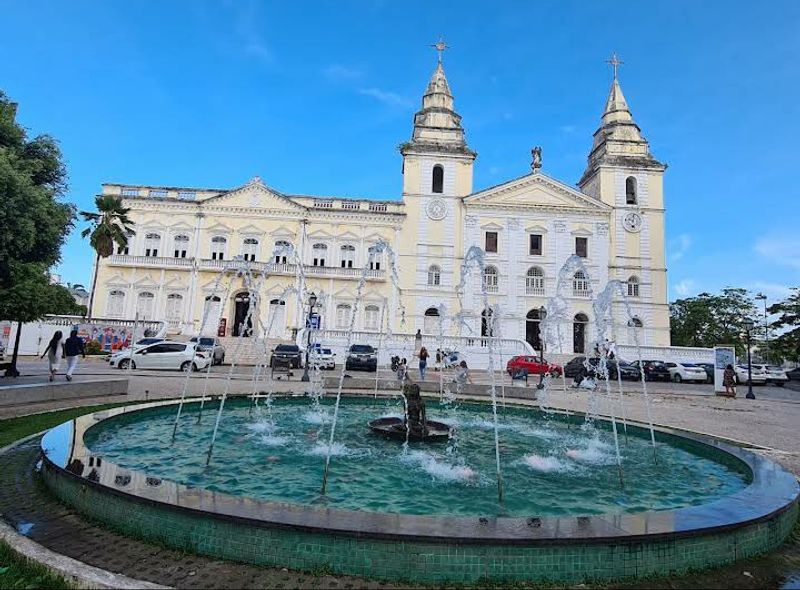
Sao Luis has one of the most unusual founding stories of any city on this list. The French established a fort there in 1612 in what is now the northeastern Brazilian state of Maranhao, but the Portuguese took control shortly afterward.
UNESCO states that the historic city’s plan dates from 1615, when Portugal’s chief engineer in Brazil laid out the settlement following the conquest of the French position.
What makes central Sao Luis visually distinctive today is its traditional townhouses, many of which are covered with colorful Portuguese ceramic tiles called azulejos. Those tiled facades are not purely decorative.
In the city’s hot and humid coastal climate, tiles also served a practical function by protecting building exteriors from weathering and moisture.
Balconies, internal courtyards, narrow streets, churches, and rows of attached tiled houses give the historic center a visual identity that differs noticeably from other Brazilian colonial cities. UNESCO inscribed the historic center on the World Heritage List in 1997.
Paramaribo, Suriname
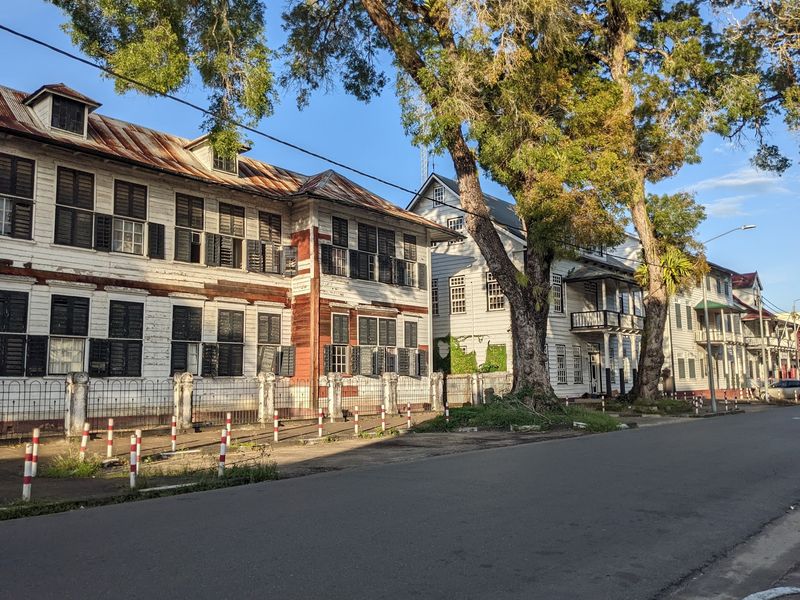
Paramaribo offers something genuinely rare among South American colonial cities: a historic center shaped by Dutch rule rather than Spanish or Portuguese. Suriname’s capital developed under Dutch colonial administration, and its historic inner city preserves a combination of European planning, wooden architecture, and adaptations designed for a tropical environment.
UNESCO recognizes the Historic Inner City of Paramaribo as a World Heritage Site, and its architecture immediately distinguishes it from cities like Cartagena or Cusco. Large wooden buildings with verandas, shutters, and broad street frontages sit alongside Dutch-influenced civic structures and religious buildings, creating a streetscape that feels simultaneously Caribbean and northern European.
Two of the city’s most recognizable landmarks are the wooden Cathedral Basilica of Saints Peter and Paul and Fort Zeelandia, which reflects Paramaribo’s long colonial and military history. For travelers specifically interested in seeing a less familiar chapter of South America’s colonial past, Paramaribo presents a compelling and genuinely distinct alternative to the continent’s better-known historic cities.
Santa Cruz de Mompox, Colombia
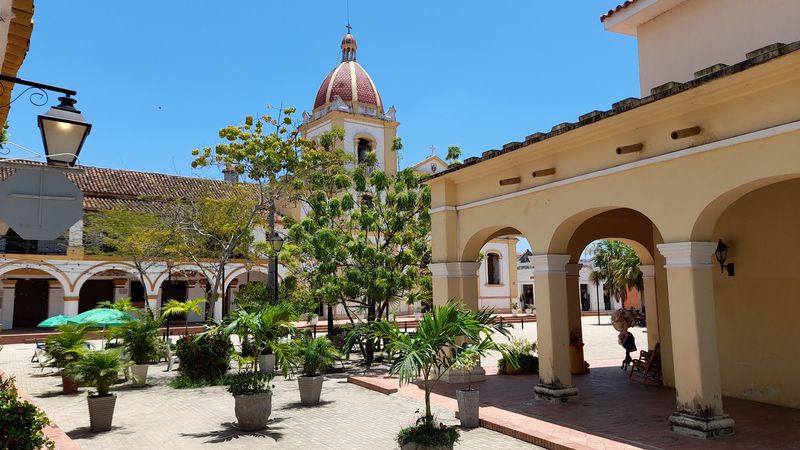
Mompox developed along the Magdalena River as an important commercial center during the Spanish colonial period, and its character today still reflects that quieter, river-town identity. Rather than imposing defensive walls like Cartagena, Mompox is defined by riverside houses, long streets lined with traditional buildings, quiet plazas, and churches with a distinctly Andalusian architectural influence.
UNESCO protects the historic center as a World Heritage Site, and Colombia’s official tourism organization describes Mompox as a colonial destination of mansions and Andalusian-style churches along the river. The Church of Santa Barbara is among its best-known landmarks, while traditional filigree jewelry remains closely associated with local craftsmanship and has been practiced in the town for generations.
Mompox is not a frozen relic. Religious celebrations, cultural events, music, crafts, and everyday business continue to animate the historic center.
Colombia’s official tourism site was still actively promoting its festivals and visitor experiences in 2025, making it one of South America’s most atmospheric smaller colonial towns for travelers who prefer depth over crowd size.
Share this story