South America is one of those regions that never really runs out of reasons to visit. Whether you are drawn to colonial cities, volcanic deserts, rainforest rivers, or coastlines with warm Caribbean air, the continent holds a remarkable range of destinations that stay interesting regardless of the month on the calendar.
The challenge isn’t finding a good time to go. It’s choosing where to start.
From Colombia’s City of Eternal Spring to Argentina’s wine country beside the Andes, these 15 destinations each offer something different in every season, giving travelers a genuinely flexible list to work with. Whether you’re planning a long trip or a short one, this list covers cities, natural wonders, and cultural destinations that hold up all year long.
Medellín, Colombia
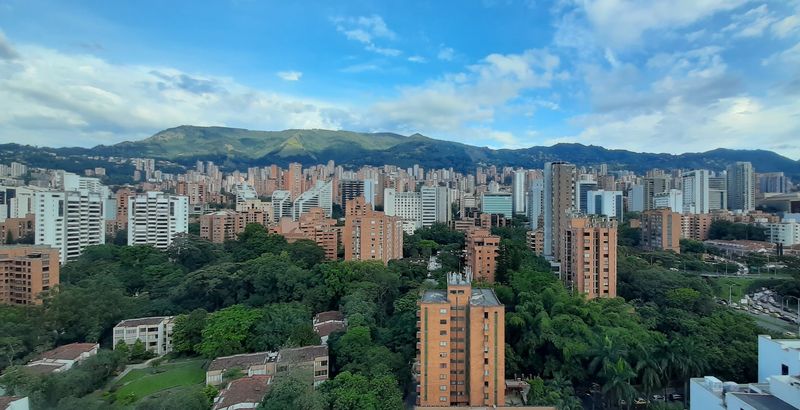
Colombia’s official tourism organization calls Medellín the “City of Eternal Spring,” and temperatures hovering around 19°C throughout the year back that title up. That consistent climate makes exploring the city comfortable in almost any month, which is a real advantage for travelers who can’t always choose their timing.
Visitors can wander through the Botanical Garden, see works associated with Fernando Botero at the Museo de Antioquia, or use Medellín’s famous public transportation network to move between dramatically different parts of the metropolitan area. The city’s cable cars alone offer mountain views that most urban destinations simply can’t provide.
Guatapé and the towering Piedra del Peñol are popular day excursions that combine lakes and mountain scenery with the urban experience. Medellín’s appeal doesn’t depend on a single attraction.
Culture, food, parks, and nearby landscapes all contribute, making the city easy to recommend no matter what season a traveler happens to land.
Rio de Janeiro, Brazil
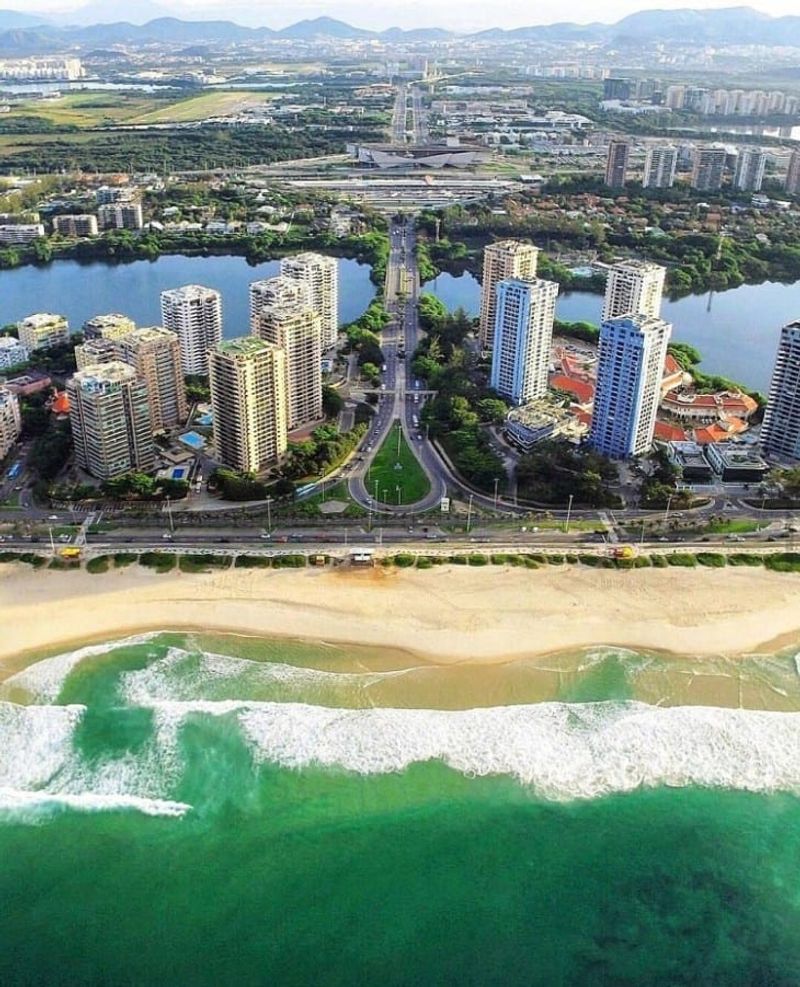
Rio de Janeiro is far more than a summer beach destination, and travelers who only show up for Carnival are genuinely leaving a lot on the table. Brazil’s official tourism website notes that Rio’s tropical climate keeps temperatures warm and relatively pleasant throughout the year, which means the city stays open for business in every season.
Copacabana, Ipanema, and Arpoador are central parts of Rio’s identity, but Tijuca Forest, Parque Lage, the museums of Porto Maravilha, Lapa, and the Escadaria Selarón stairway offer completely different experiences from a beach afternoon. Corcovado and Christ the Redeemer draw visitors regardless of season.
The city’s personality shifts noticeably through the calendar. Summer brings hotter temperatures and a livelier beach atmosphere, while other months can be more comfortable for walking, hiking, and exploring neighborhoods.
The combination of coastline, mountains, food, music, and history gives Rio enough variety to justify a trip at almost any point in the year.
Buenos Aires, Argentina
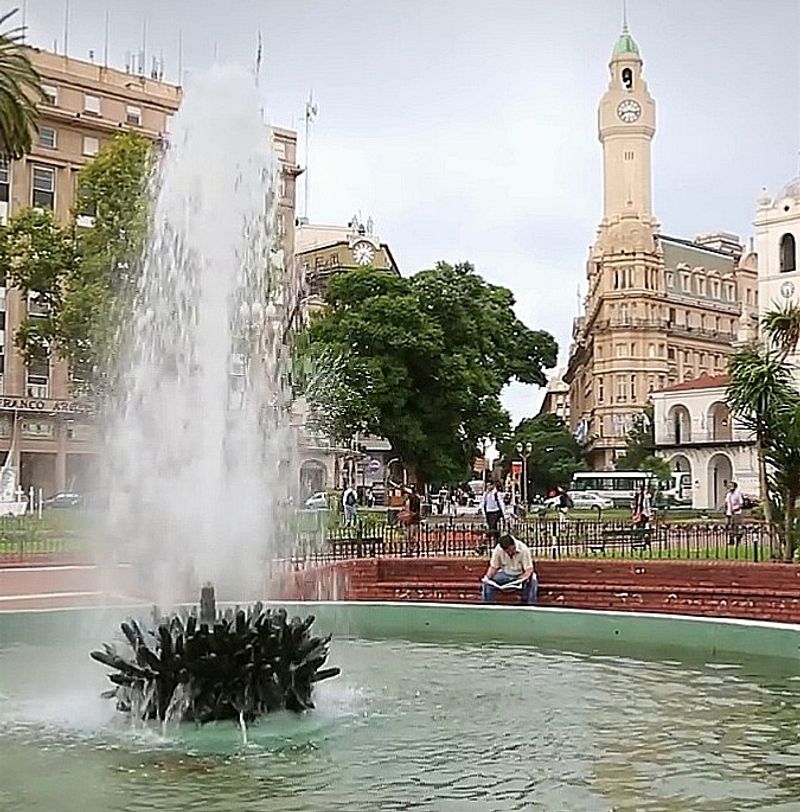
Buenos Aires doesn’t need warm weather to be a great destination. Argentina’s tourism authority notes that the capital welcomes visitors at any time of year, and its temperate climate creates genuinely distinct seasons without the extreme cold found farther south in Patagonia.
Each season gives the city a slightly different character. Warmer days invite long walks through Palermo, Puerto Madero, San Telmo, and the Costanera Sur Ecological Reserve.
Cooler months make the city’s historic cafés, theaters, bookstores, and tango venues feel especially appealing. Plaza de Mayo, Teatro Colón, Caminito in La Boca, Recoleta, and Avenida Corrientes all remain worth visiting regardless of temperature.
Food alone could fill several days in Buenos Aires. Pizza, empanadas, steak, medialunas, alfajores, and a deeply embedded café culture are part of everyday life here, not tourist attractions.
That combination of food, architecture, and cultural depth is exactly why a change in season rarely derails a trip to this city.
Cartagena, Colombia
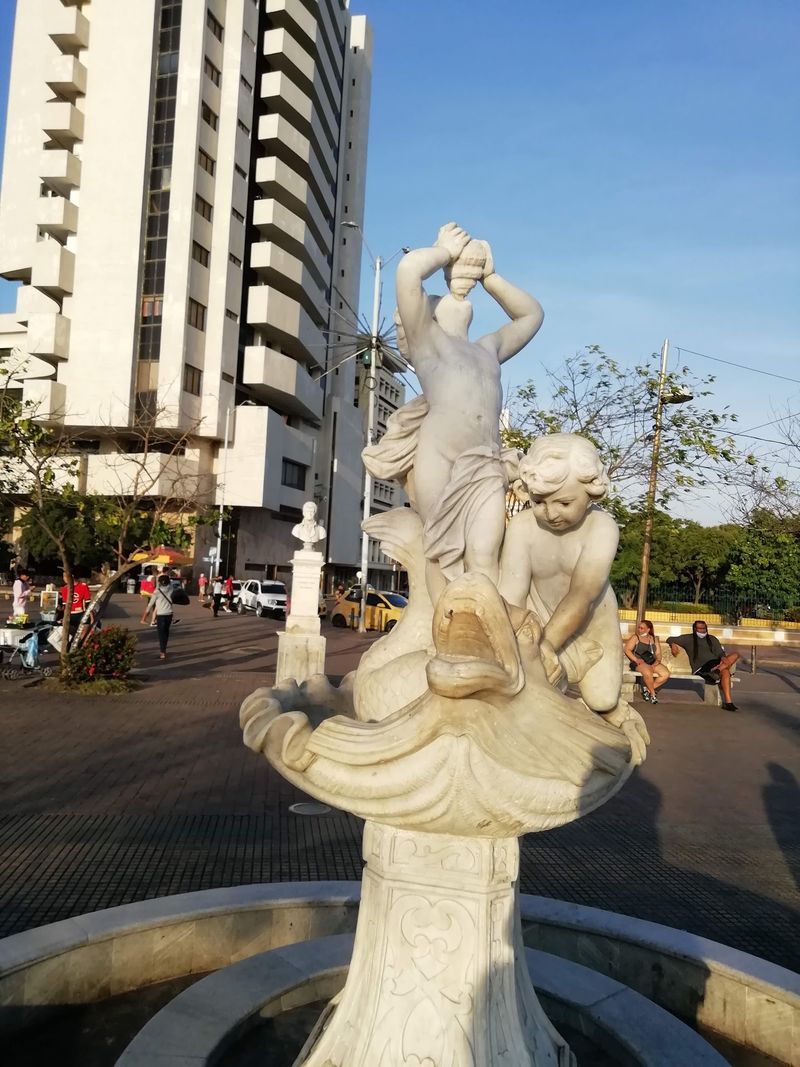
Cartagena’s combination of colonial streets, Caribbean scenery, and tropical warmth makes it particularly useful for travelers visiting during months when much of the Southern Hemisphere has cooled down. Colombia’s official tourism website reports an average year-round temperature of roughly 27°C, which keeps the city’s outdoor attractions fully accessible through every season.
The historic Walled City is the clear centerpiece. Its colorful buildings, flower-draped balconies, stone plazas, churches, and fortifications create one of South America’s most visually distinctive historic environments.
The city’s historic center and fortifications received UNESCO World Heritage status in 1984, a recognition that reflects just how well preserved the area remains.
Castillo de San Felipe de Barajas, Caribbean Colombian cuisine, waterfront areas, and trips toward nearby coastal destinations round out the experience. Colombia’s tourism authority notes that the period from late November through late April generally brings drier conditions, but Cartagena draws visitors throughout the calendar rather than concentrating everything into a narrow window.
San Pedro de Atacama, Chile
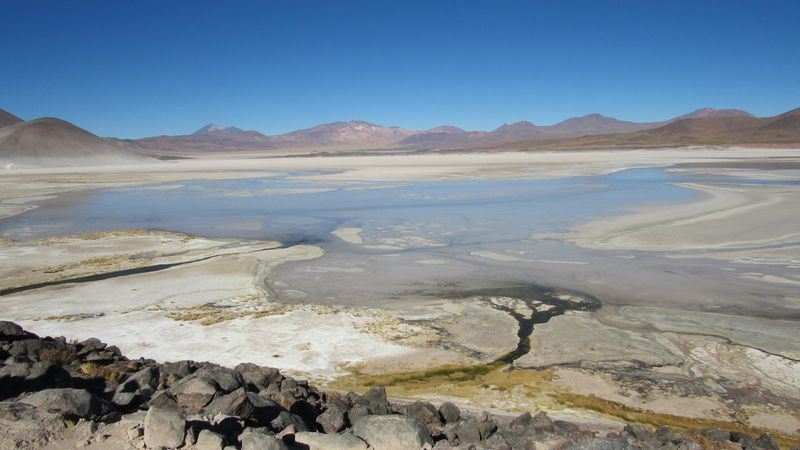
The Atacama Desert is one of the driest places on Earth, and San Pedro de Atacama sits right at its heart as the main gateway for travelers. Chile’s official tourism website highlights Valle de la Luna, the Tatio Geysers, Los Flamencos National Reserve, Altiplanic Lagoons, Puritama Hot Springs, and Piedras Rojas as key attractions reachable from this small desert town.
The sky above San Pedro deserves its own mention. Extremely dry conditions and exceptionally clear nights have made the Atacama one of the world’s most recognized regions for stargazing and astronomy.
That’s a draw that operates year-round, not just during one preferred season.
Different seasons require different preparation rather than deciding whether to go at all. Summer can be busier with more daytime heat, while winter brings considerably colder nights.
Chile’s tourism authority specifically recommends packing warm clothing for nighttime excursions and preparing for significant temperature swings between day and night, which is useful advice regardless of when you arrive.
Foz do Iguaçu, Brazil
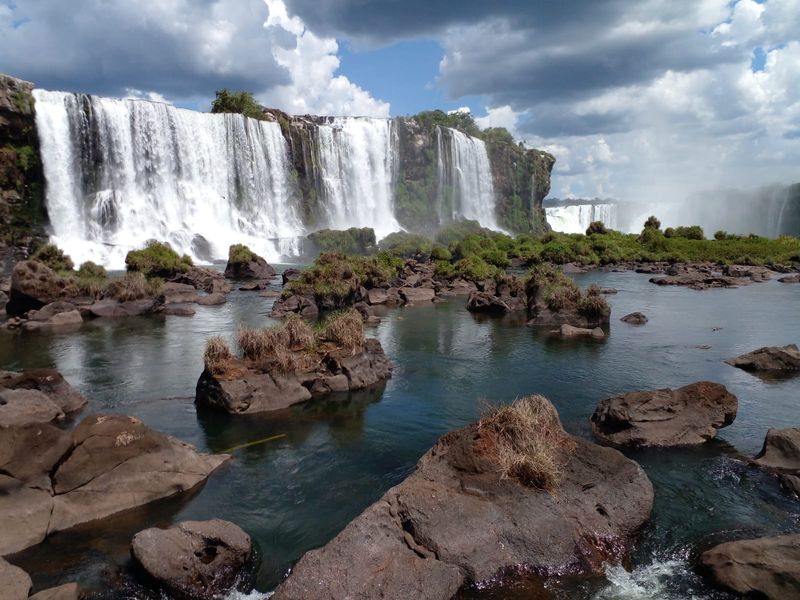
Iguaçu Falls is not a single waterfall. The system consists of hundreds of individual cascades spread across a vast protected landscape straddling Brazil and Argentina, with the massive Devil’s Throat section among its most dramatic features.
Iguaçu National Park holds UNESCO World Heritage status, and Brazil’s official tourism website describes the surrounding subtropical climate as suitable for visiting throughout the year.
Foz do Iguaçu, the Brazilian gateway city, offers more than just the falls. Parque das Aves, the Itaipu hydroelectric complex, and the Marco das Três Fronteiras, where Brazil, Argentina, and Paraguay meet, all add to a trip that can easily fill several days.
Water levels and weather change throughout the year, meaning the falls genuinely look different from one visit to the next. Higher water levels produce a more powerful spectacle, while lower levels can reveal details of the rock formations below.
That natural variability gives the destination a quality that makes repeat visits feel worthwhile rather than redundant.
Quito, Ecuador
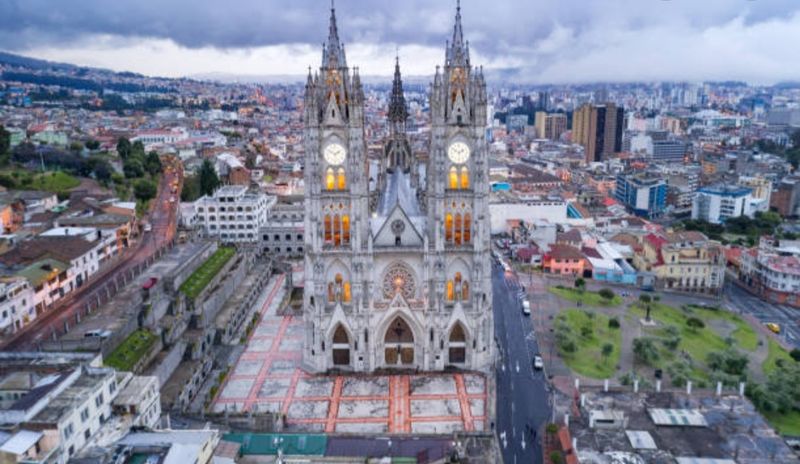
Quito’s Historic Centre was among the first cultural sites placed on UNESCO’s World Heritage List in 1978, and walking through it today still reveals why that recognition came so early. Ecuador’s tourism authority highlights the area’s baroque architecture, colonial plazas, churches, and well-preserved streetscape as defining features of the experience.
La Compañía church and the El Panecillo hilltop monument are among the city’s most recognizable landmarks. The surrounding Andes create a dramatic backdrop that makes Quito feel unlike almost any other South American capital, and the altitude gives the city a noticeably cooler feel than travelers expecting equatorial heat often anticipate.
Because Ecuador sits directly on the equator, thinking in terms of wet and dry seasons is more practical than applying typical Northern Hemisphere seasonal expectations. Museums, architecture, markets, food, and cultural sightseeing provide consistent reasons to visit throughout the calendar.
The city rewards exploration at a relaxed pace, and its compact historic core makes that kind of wandering genuinely easy.
The Galápagos Islands, Ecuador

Few wildlife destinations anywhere in the world carry the kind of reputation the Galápagos Islands have built over decades. Giant tortoises, marine iguanas, sea lions, seabirds, penguins, volcanic landscapes, and extraordinary marine ecosystems have placed this archipelago in a category of its own.
The islands were among the original natural sites placed on UNESCO’s World Heritage List in 1978.
Travel here is highly regulated, but tourism remains active through organized land-based stays, day tours, snorkeling excursions, diving trips, and cruises. Ecuador’s tourism authority lists regulated cruises ranging from short multi-night itineraries to longer journeys, as well as day excursions from islands including Santa Cruz, San Cristóbal, and Isabela.
The Galápagos experience shifts considerably throughout the year. Sea conditions, rainfall, water temperatures, breeding activity, and wildlife behavior all vary by month, which means there isn’t one universally correct season for a visit.
Travelers focused on wildlife often choose their dates based on which species and behaviors they most want to see, rather than simply chasing warm weather.
Montevideo, Uruguay
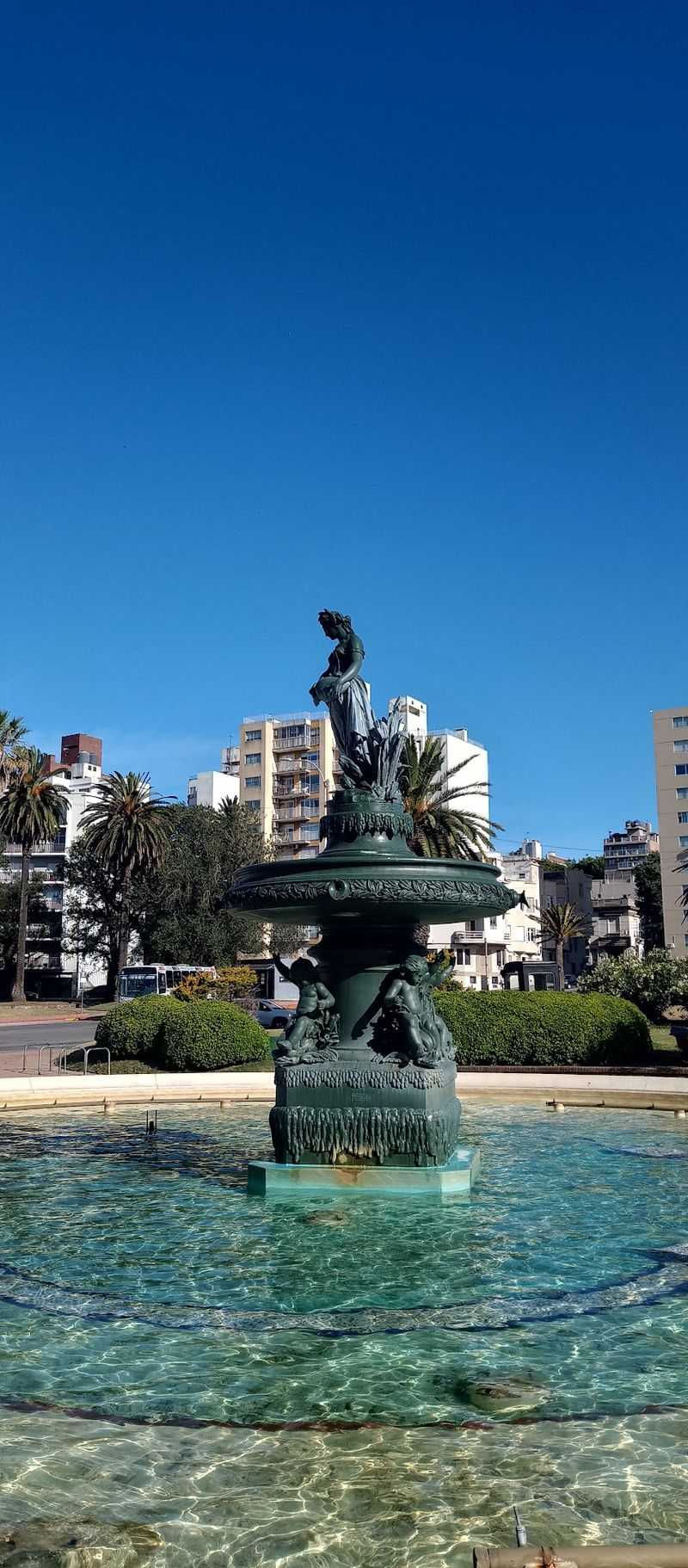
Montevideo is easy to underestimate on a map, but Uruguay’s capital delivers a relaxed combination of waterfront life, history, food, and culture that holds up well throughout the year. The historic Ciudad Vieja contains landmarks including Plaza Independencia, the Puerta de la Ciudadela, Palacio Salvo, Teatro Solís, and Mercado del Puerto, all within comfortable walking distance of each other.
The city stretches along the Río de la Plata, creating a long waterfront environment where locals walk, run, cycle, and relax. During warmer months, urban beaches become part of the routine.
Cooler seasons shift attention toward theaters, cafés, museums, and restaurants that reflect Montevideo’s strong literary and cultural identity. The city has been designated a UNESCO Creative City of Literature.
Candombe, tango, architecture, and Uruguay’s celebrated grilling culture all play important roles in the city’s everyday character. Montevideo doesn’t demand a packed sightseeing schedule.
It rewards travelers who are willing to slow down, stay a little longer, and let the city come to them naturally.
Santiago, Chile
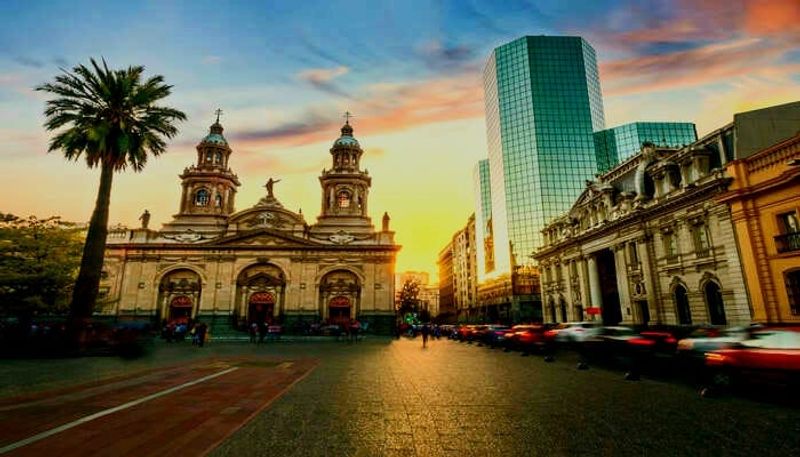
Standing in Santiago with the Andes rising behind the city’s skyline is one of those views that consistently surprises first-time visitors. Chile’s tourism authority highlights attractions including the historic center, Cerro San Cristóbal, Cerro Santa Lucía, Sky Costanera, Barrio Lastarria, Bellavista, Mercado Central, and numerous museums and gastronomic districts spread across the city.
The season shapes the type of trip you have here more than in most South American capitals. Warm weather favors parks, open terraces, walking tours, and excursions outside the city.
During cooler months, snow in the Andes transforms the surrounding landscape and puts winter sports within practical reach from the city center.
Santiago’s extensive public transit system makes many major neighborhoods and attractions relatively straightforward to reach without renting a car. Add wine country excursions, viewpoints, and cultural spaces to the mix, and the city rarely runs short of things to do.
Few capitals shift so naturally between modern urban life, nearby wine regions, and mountain access depending on the season.
Salvador, Brazil
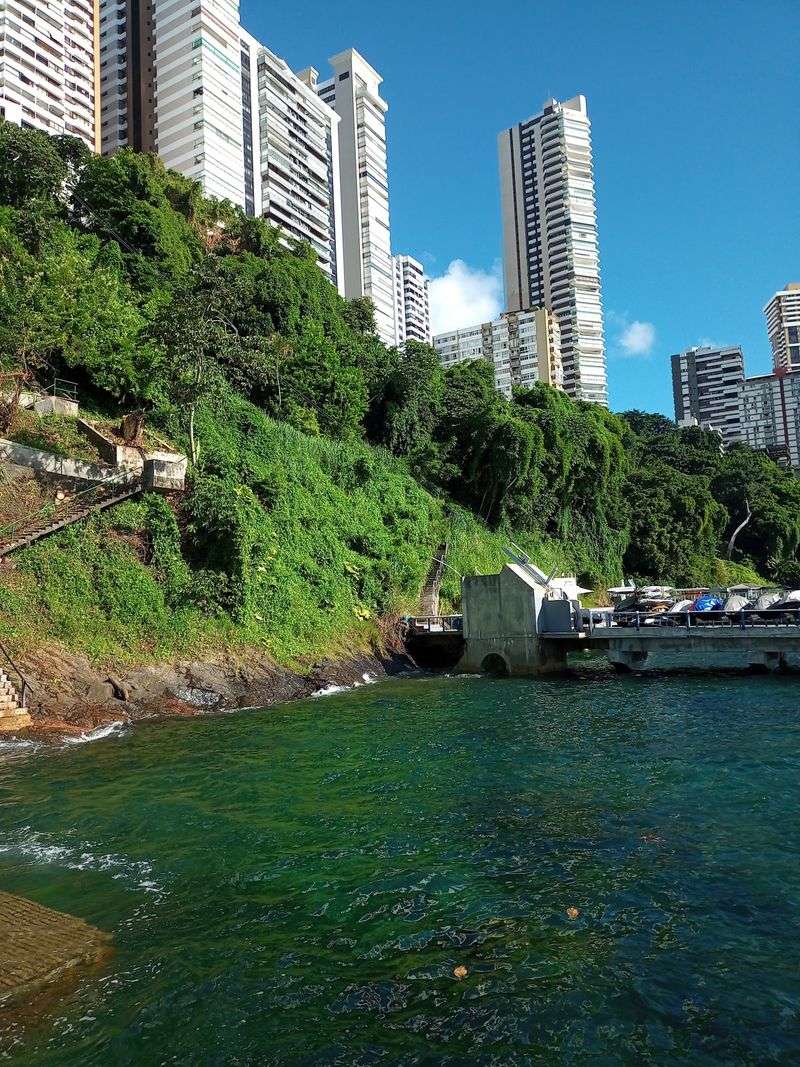
Salvador offers something very different from Brazil’s southern cities, and that difference is worth seeking out. The former Brazilian capital is one of the country’s most important centers of Afro-Brazilian culture, expressed through its food, religion, architecture, music, and traditions in ways that feel genuinely embedded in everyday life rather than staged for visitors.
Pelourinho forms the historic heart of the experience. Colorful architecture, churches, plazas, museums, restaurants, and cultural activity fill its streets throughout the week.
The Elevador Lacerda nearby provides views over the Baía de Todos os Santos, and neighborhoods and beaches around the city add another dimension to a visit.
The food alone gives Salvador serious credibility as a destination. Moqueca, vatapá, acarajé, and other Bahian dishes represent a culinary tradition that draws travelers specifically for the cooking.
Brazil’s tourism website notes a humid tropical climate with relatively consistent temperatures year-round. Carnival may be internationally famous, but Salvador’s music, cuisine, and Afro-Brazilian heritage stay present throughout every season.
Arequipa, Peru
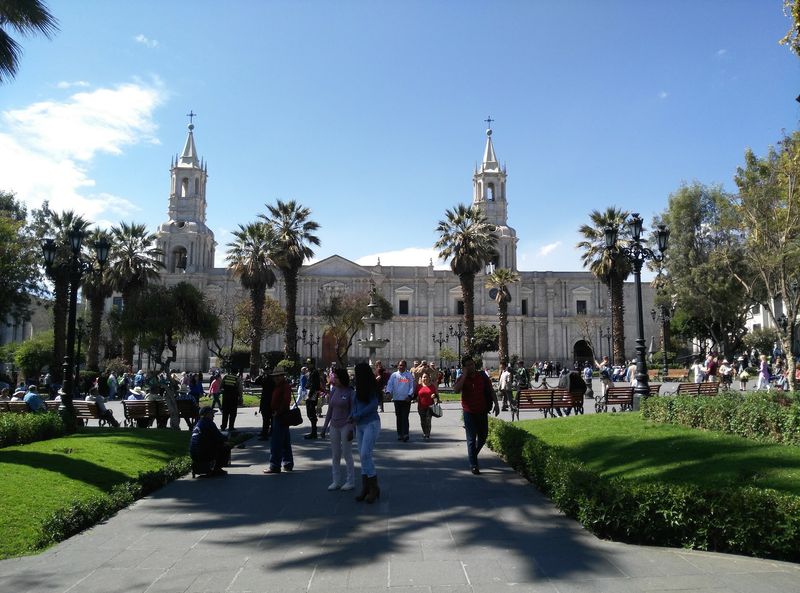
Known as the “White City,” Arequipa takes its nickname from the pale volcanic sillar stone used to construct its historic buildings. Peru’s official tourism organization highlights more than 500 colonial mansions in its Historic Center, along with the Cathedral, traditional neighborhoods, and the remarkable Santa Catalina Monastery, which functions almost as a small city within the city.
The Misti volcano dominates the skyline above Arequipa, giving every outdoor view a dramatic backdrop. The wider region extends into valleys, trekking routes, cycling paths, thermal waters, and excursions toward Colca Canyon, which is particularly known for the possibility of spotting Andean condors soaring through its dramatic walls.
Some high-altitude outdoor adventures naturally depend on weather and trail conditions, but Arequipa’s cultural and gastronomic depth keeps it rewarding even when ambitious mountain excursions aren’t practical. The city’s cuisine is considered one of Peru’s most distinctive regional food traditions, adding a compelling reason to linger here beyond the architecture and mountain views that first attract most visitors.
Valparaíso, Chile
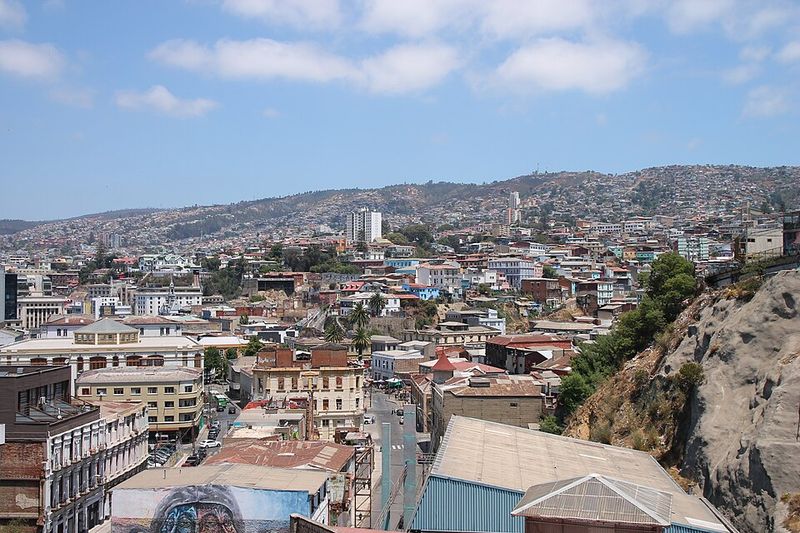
Built across steep hills overlooking the Pacific, Valparaíso is the kind of city that reveals itself gradually as you climb its stairways and ride its historic elevators. Chile’s official tourism site identifies Cerro Alegre, Cerro Concepción, Plaza Sotomayor, and historic elevators such as Reina Victoria and El Peral as major landmarks.
La Sebastiana, Pablo Neruda’s former house, adds a literary layer that sets Valparaíso apart from other port cities.
Valparaíso is also a UNESCO World Heritage Site, recognized for its urban landscape and the unusual way its architecture adapts to the dramatic topography of the hills. Summer is especially popular because of warmer coastal weather, but Chile’s tourism authority confirms the city can be visited throughout the year.
Outside peak summer, the atmosphere tends to feel calmer, making it easier to focus on galleries, cafés, street art, and architecture without navigating large crowds. Sitting roughly 120 kilometers from Santiago, Valparaíso fits naturally into a broader Chile itinerary without requiring a separate long-distance trip to reach it.
Manaus, Brazil
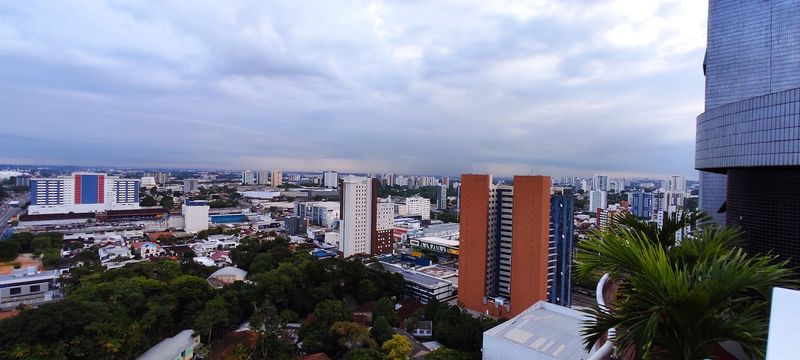
No other destination on this list sits quite where Manaus sits: a major city functioning as a direct gateway to the Amazon. The city operates within the enormous river systems and rainforest landscapes of northern Brazil, giving travelers the unusual ability to combine urban culture with genuine nature excursions on the same trip.
The Meeting of the Waters is one of the best-known experiences near Manaus, where the dark Rio Negro and the lighter Rio Solimões flow alongside each other before gradually blending. River cruises, forest lodges, freshwater beaches, Amazonian cuisine, and the famous Teatro Amazonas all contribute to what the city offers.
The Mercado Municipal Adolpho Lisboa provides an accessible introduction to regional life through Amazonian fish, fruits, crafts, and local ingredients.
Brazil’s tourism authority specifically notes that visitors can comfortably enjoy Manaus at any time of year. What changes most noticeably is the Amazon itself.
Water levels rise and fall dramatically through the annual cycle, meaning different months can reveal very different versions of the surrounding landscape.
Mendoza, Argentina
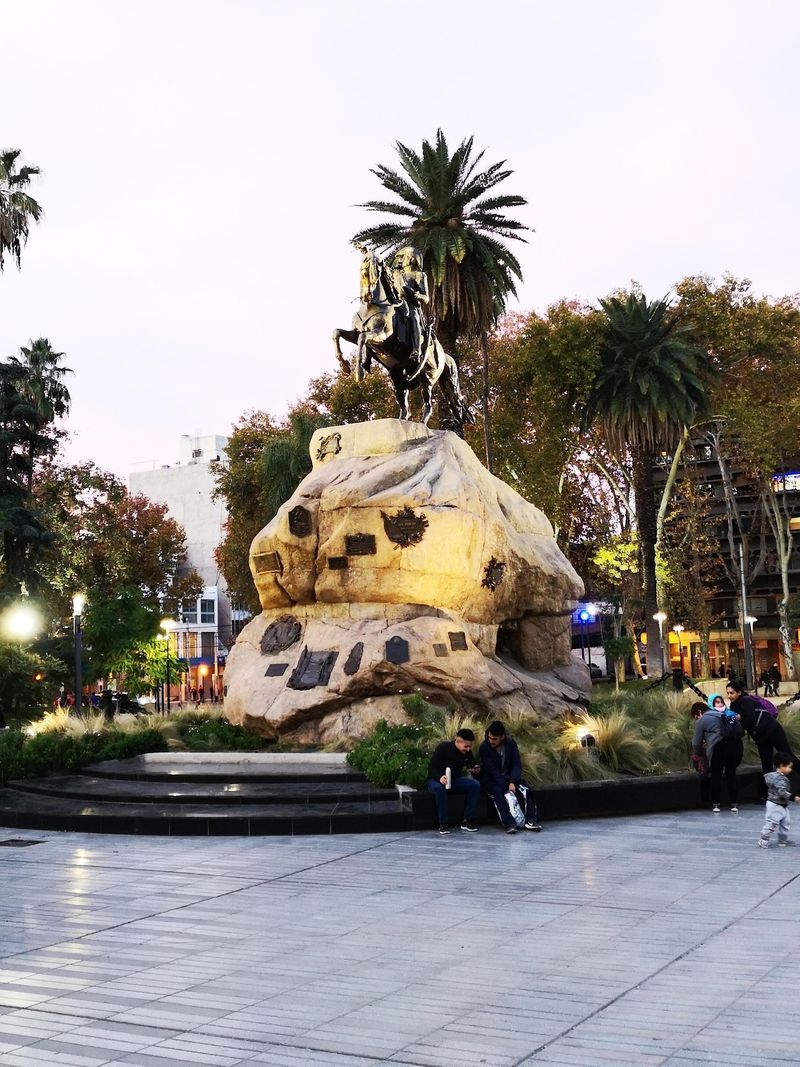
Mendoza is associated with vineyards for good reason. Argentina’s tourism authority describes it as the country’s largest wine-producing region and one of the world’s major wine capitals, with winery tourism centered particularly around Malbec.
But wine is genuinely only part of what the province offers, and travelers who treat it as a single-purpose destination miss a lot.
Every season brings a different reason to make the trip. Harvest time creates a completely different atmosphere from winter, when snow transforms the Andes into a striking backdrop for the vineyards below.
Spring and autumn are particularly comfortable for winery visits and outdoor exploration, while summer opens opportunities for rafting and other mountain adventures along the rivers and valleys of the region.
Mendoza city, Parque General San Martín, Cacheuta’s thermal waters, the Atuel Canyon region, and mountain routes toward the Andes all add depth beyond the wineries. Argentina’s tourism authority recommends autumn and spring for general sightseeing, while winter appeals more to travelers interested in snow and skiing.
The destination simply becomes a different trip with each season.
Share this story