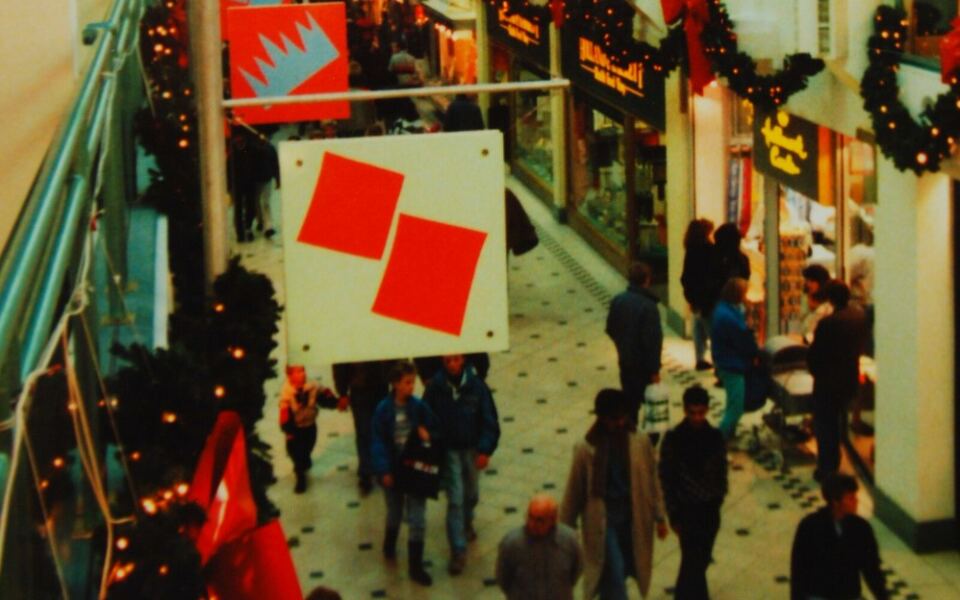
The enclosed shopping mall spread across American suburbs in the 1960s and 1970s, and teenagers quickly figured out it was useful for far more than buying jeans. By the 1980s, the average mall offered heating, air conditioning, food, music, games, and a safe spot where parents felt fine dropping kids off for hours.
Sociologists even had a name for spaces like this: the third place, somewhere that is neither home nor school. For many teens, the mall became exactly that.
There were no group chats, no location sharing, and no phones in pockets. Plans were made at school on Friday and kept on Saturday, or they simply fell apart.
Somehow, it usually worked out. The funny part is how little money changed hands.
A teen could walk in with five dollars and leave with three of them still in a pocket. What mattered was who showed up, where they gathered, and what happened in between.
Keep reading to learn how teens turned a retail building into a social club, a music library, a dating scene, and a training ground for independence. Along the way, you will find real store names, actual prices, and the habits that shaped a whole generation before screens took over.
1. Walking Endless Laps Just to See Who Was There
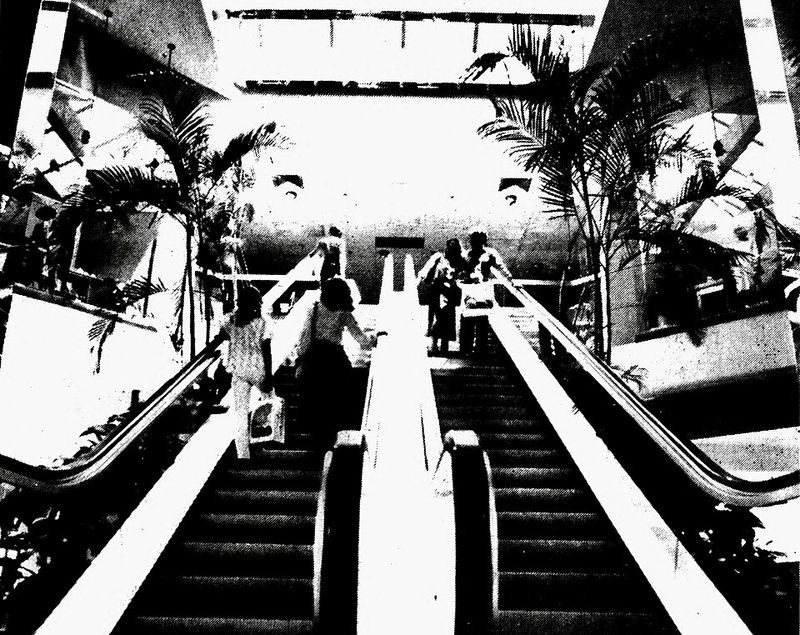
Nobody needed a map, because the route never changed. Teens in the 1970s and 1980s walked from one anchor store to the other, turned around, and did it again.
A single lap at a big regional mall could stretch close to half a mile. Some groups logged several miles in an afternoon without noticing.
The goal was simple. You wanted to see who else had shown up, and you wanted them to see you.
Each pass gave fresh information. Maybe a classmate had arrived, or a group from a rival school was sitting near the fountain.
Fashion got checked too. Teens noticed who wore new Guess jeans or a Members Only jacket.
Fun fact: mall walking became so popular that many malls later opened early for senior citizens doing laps for exercise. Teens had simply invented the social version first, with zero fitness goals and plenty of gossip.
2. Hanging Out at the Arcade for Hours
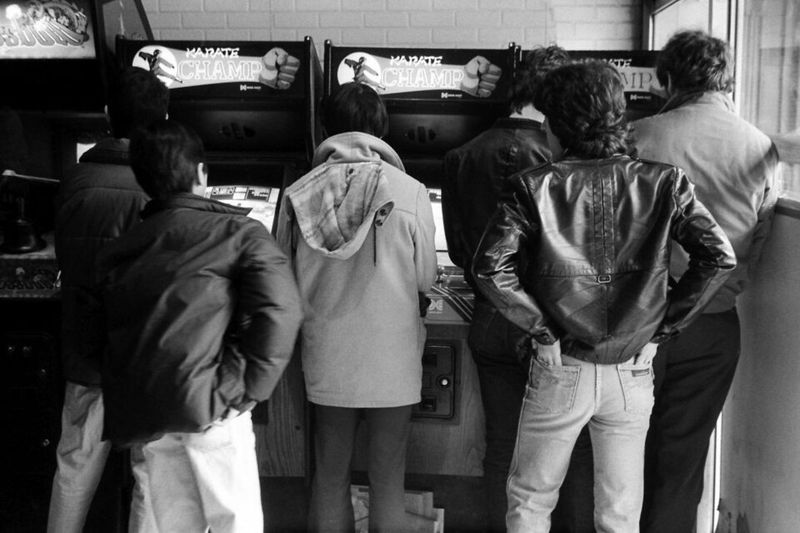
One quarter. That was the price of admission to the hottest spot in the building.
Pac-Man arrived in American arcades in 1980 and became a massive hit. Donkey Kong followed in 1981, and Galaga showed up the same year.
Chains like Aladdin’s Castle, owned by Bally, and Time Out set up shop in malls across the country. By the early 1980s, arcade games in the United States were pulling in billions of dollars a year, much of it in coins.
Skill had real status. A teen who could reach a high level drew a crowd of watchers.
The high score screen let players enter three initials. Seeing your letters at the top was a small kind of fame.
Plenty of kids never touched a joystick. They just watched, cheered, and gave advice nobody asked for.
Smart players stretched one dollar for a whole hour.
3. Flipping Through Records and Cassette Tapes
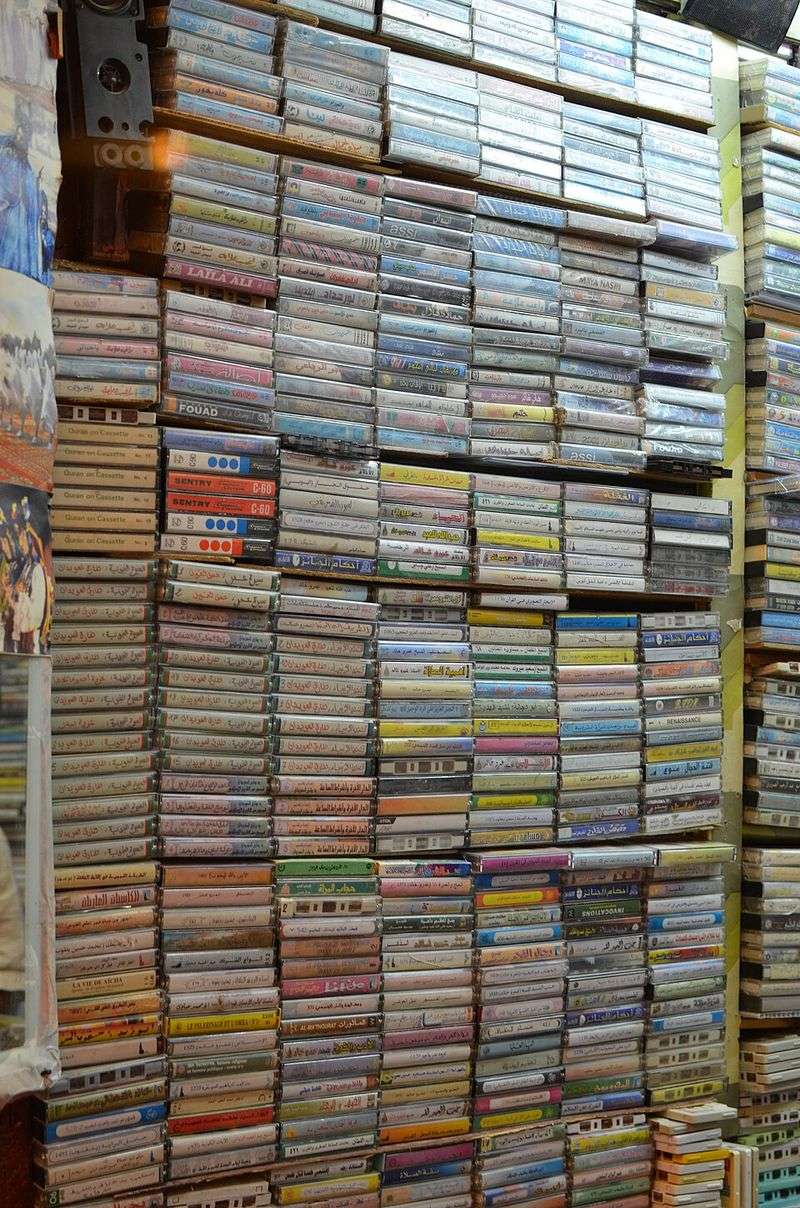
Music discovery once required walking into a store and reading the back of an album. Sam Goody, Musicland, Camelot Music, and Wherehouse were common names in American malls.
Teens could spend half an hour in one aisle. They studied cover art, read song titles, and argued over which band was better.
Cassettes passed vinyl records in sales during the 1980s. They were cheaper, fit in a Walkman, and could be played in the car.
The Sony Walkman launched in the United States in 1980. It made cassettes the format teens wanted most.
Price mattered a lot. A new album cost around eight or nine dollars, which could equal several weeks of allowance.
That made every choice serious. Buying the wrong tape felt like a real mistake.
Later, the cassette single, or cassingle, offered a cheaper option for one hit song.
4. Meeting Friends at a Specific Store or Fountain
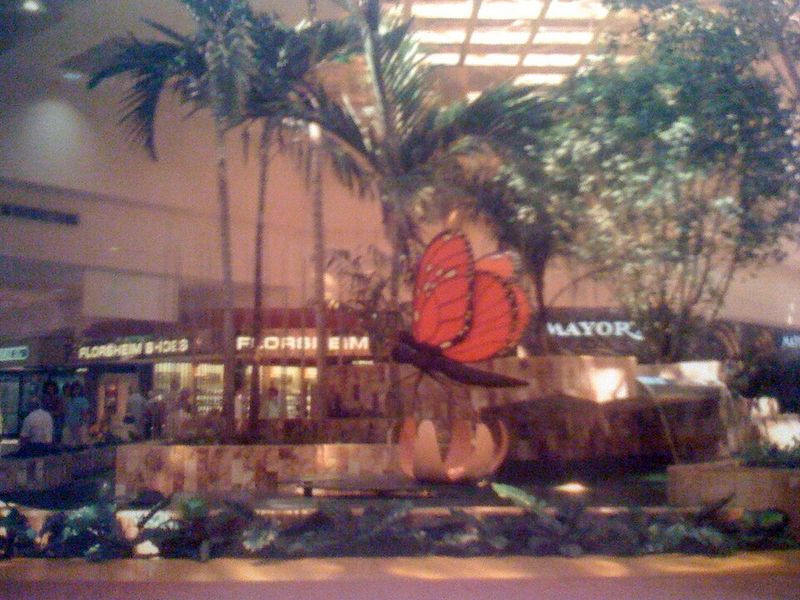
“Meet at the fountain at two.” That one sentence, said in a school hallway on Friday, was the entire plan.
Without cell phones, teens relied on landmarks everyone knew. The fountain was a favorite because it sat in the center and was impossible to miss.
Other spots worked too. The front of Sears, the Orange Julius stand, or the record store entrance all served as meeting points.
Wristwatches did the heavy lifting. Digital watches from Casio and Timex were common on teen wrists in the 1980s.
Running late caused real problems. Friends waited ten minutes, then twenty, then left to wander.
A smart crew agreed on a backup. If someone missed the fountain, they checked the arcade next.
The system taught patience and punctuality. It also produced plenty of stories about the friend who showed up an hour late with a good excuse.
5. Sharing Fries and Pizza at the Food Court
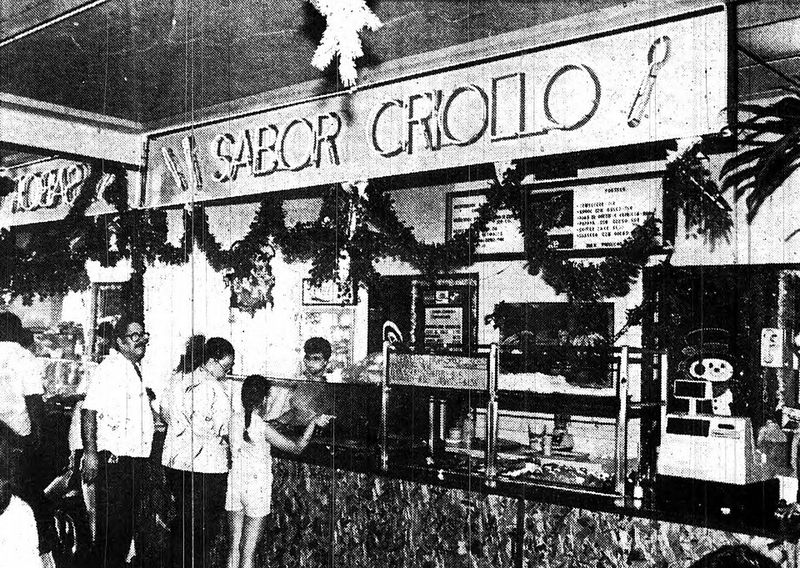
Credit goes to the Paramus Park mall in New Jersey, which opened one of the first successful food courts in 1974. The idea spread fast.
By the 1980s, nearly every big mall had one. Sbarro, Hot Sam pretzels, Orange Julius, and Chick-fil-A became familiar stops.
The math favored teens. One large order of fries could feed three people if nobody got greedy.
A common trick was sending one person to buy food while the others claimed a table. On busy Saturdays, a good table was worth guarding.
Shared seating made the food court perfect for socializing. Nobody rushed you out, and nobody checked if you had bought anything.
Groups stayed for an hour over a single soda. Conversation lasted far longer than the snacks.
Auntie Anne’s pretzels joined the scene in 1988, giving teens another cheap reason to sit and talk.
6. Trying on Clothes They Had No Intention of Buying
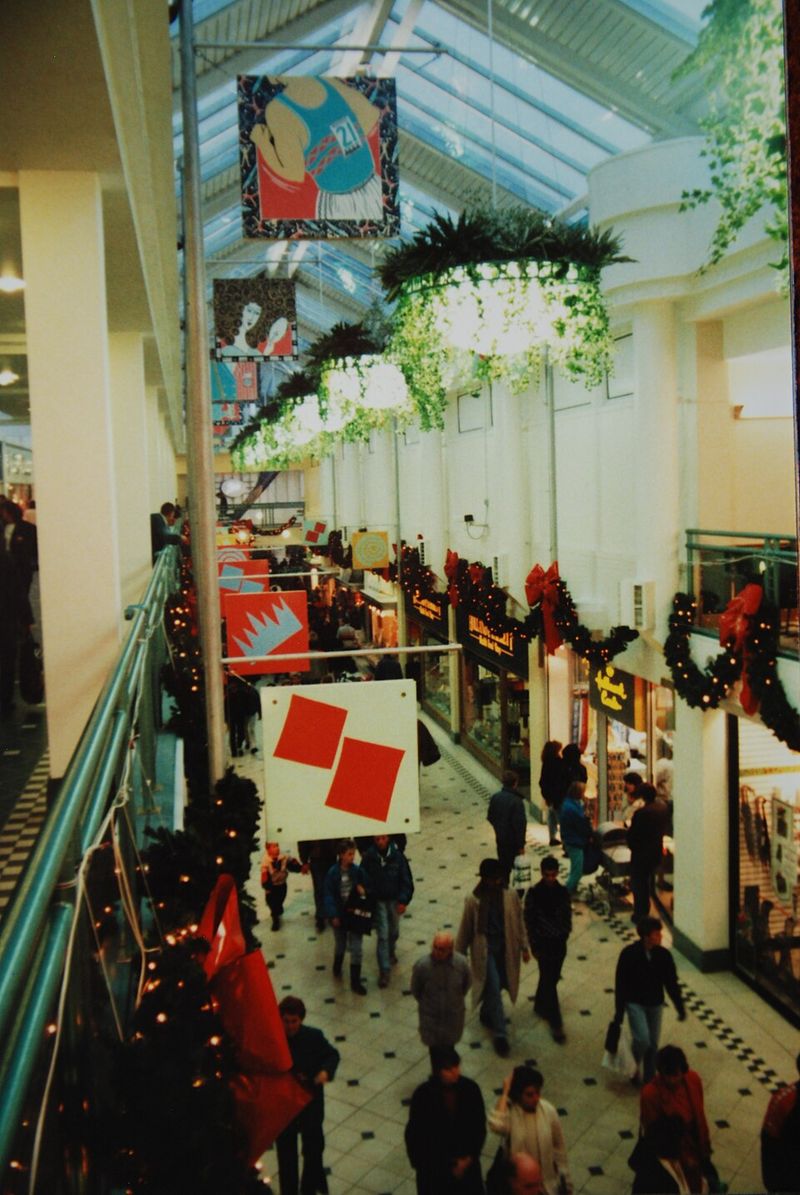
Picture a sixty-dollar leather jacket and a teen with eleven dollars. The jacket still got tried on.
Stores like The Gap, Contempo Casuals, Merry-Go-Round, and Chess King were popular with teens in the 1980s. Later, Abercrombie and Fitch and Hot Topic joined the list in the 1990s.
Friends turned the dressing room into a runway. One person came out, and everyone else voted.
Trends changed quickly. Neon colors, shoulder pads, and acid wash denim ruled the late 1980s, while flannel and baggy jeans took over in the early 1990s.
Trying things on helped teens figure out their style without spending a cent. It was free research.
Store clerks usually knew the game. Most let it slide, as long as nobody made a mess.
Some outfits really did get bought later, after saving up birthday money. Most stayed on the rack forever.
7. Using Pay Phones to Call Home
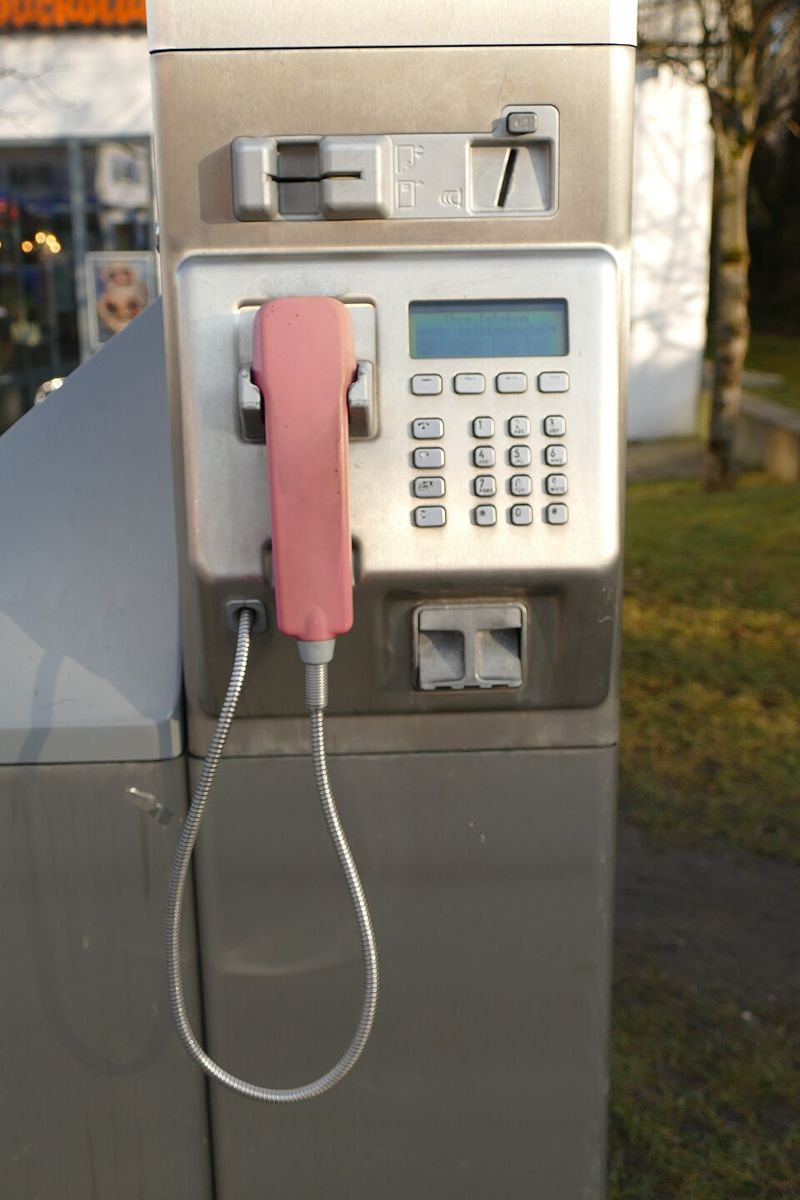
A quarter could buy an extra hour of freedom, if the call went well. Pay phones lined mall hallways, usually near restrooms or entrances.
Local calls cost ten cents for years, then rose to a quarter in many areas during the 1980s and 1990s.
Teens memorized their home number, and often a few friends’ numbers too. There was no contact list to scroll.
Collect calls were a handy backup. Some kids learned to say their message quickly during the recorded name prompt so parents could decline the call and still get the news.
Phone companies noticed. Services like 1-800-COLLECT appeared in the 1990s and advertised heavily.
Calls home were usually short negotiations. Can I stay longer, or can you pick me up at six?
Pay phones in the United States peaked at around two million in the mid-1990s. Cell phones soon pushed them out.
8. Getting Pictures Taken in Photo Booths
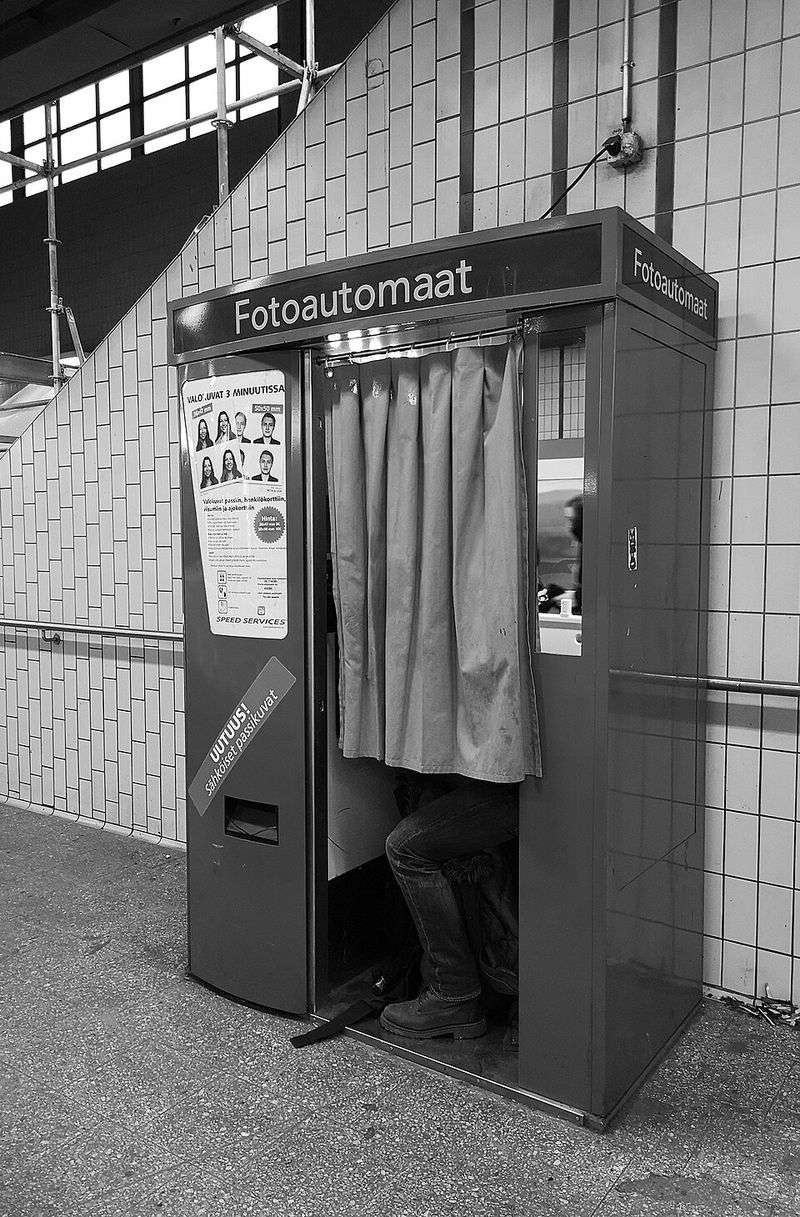
Four poses. That was all you got, so planning mattered.
The automated photo booth goes back to 1925, when inventor Anatol Josepho opened one on Broadway in New York. It cost twenty-five cents for eight photos.
Decades later, malls kept the tradition alive. Teens paid a dollar or two and squeezed in as many friends as could fit.
Strategy was part of the fun. Groups agreed on a serious shot, a goofy shot, and one where everybody looked surprised.
In the 1990s, Japanese purikura booths added stickers and digital frames. Those spread to some American malls by the late 1990s.
The finished strip had real value. Friends cut it apart so everyone could keep a picture.
Strips ended up in wallets, lockers, and mirror frames. Unlike phone photos today, there was only one copy, which made each one worth keeping.
9. Going to the Mall Movie Theater
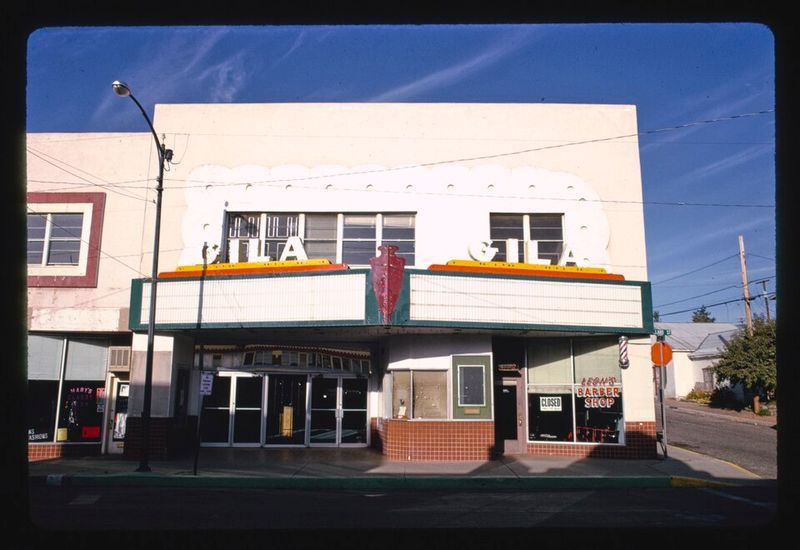
General Cinema built its reputation by putting theaters inside shopping centers, starting in 1951. The company helped pioneer the multi-screen theater in the 1960s.
For teens, a mall theater solved a big problem. Parents only had to make one drop-off for a whole day of plans.
A typical Saturday might mean a matinee, then the food court, then the arcade. Average movie tickets cost around three dollars in the mid-1980s, and matinees were cheaper.
Blockbusters drew huge teen crowds. Back to the Future in 1985 and Jurassic Park in 1993 packed mall theaters for weeks.
John Hughes films like The Breakfast Club even made teens feel like the movies were about them.
The theater also worked as a first-date spot. It was public, parent-approved, and came with built-in topics to discuss afterward.
Arguing about the ending on the walk out was basically required.
10. Looking for Crushes and Trying to Get Noticed
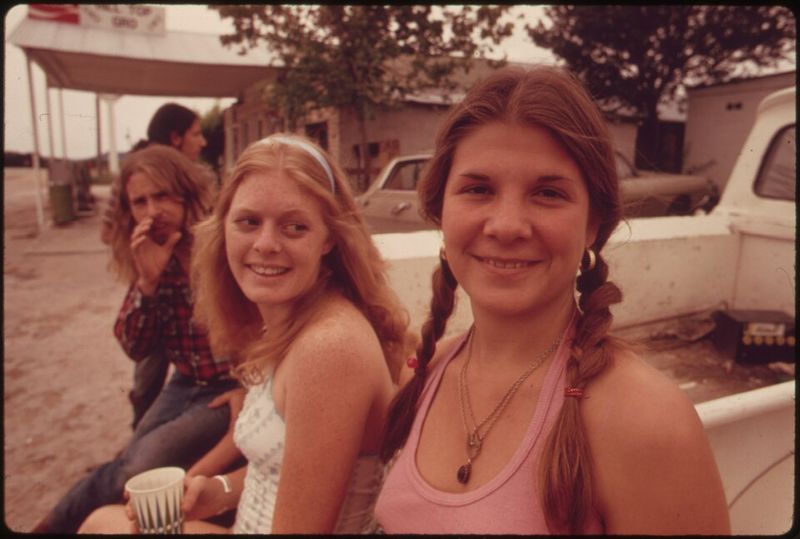
Hollywood captured it well in Fast Times at Ridgemont High in 1982. Much of that film takes place at the Sherman Oaks Galleria, and its teens treat the mall as their main social stage.
Real life looked similar. Malls pulled kids from several schools, so new faces showed up every weekend.
Getting noticed took planning. Teens wore their best outfit, fixed their hair in the restroom mirror, and walked past the same store several times.
Friends played a key role. They delivered messages, scouted names, and sometimes arranged a meeting that looked like an accident.
Asking for a phone number meant writing it on a receipt or a hand. Then came the nervous call to a house where a parent might answer.
There was no profile to check afterward. If you did not catch a name, you hoped to see that person next Saturday.
11. Spending Allowance Money on Small Treasures
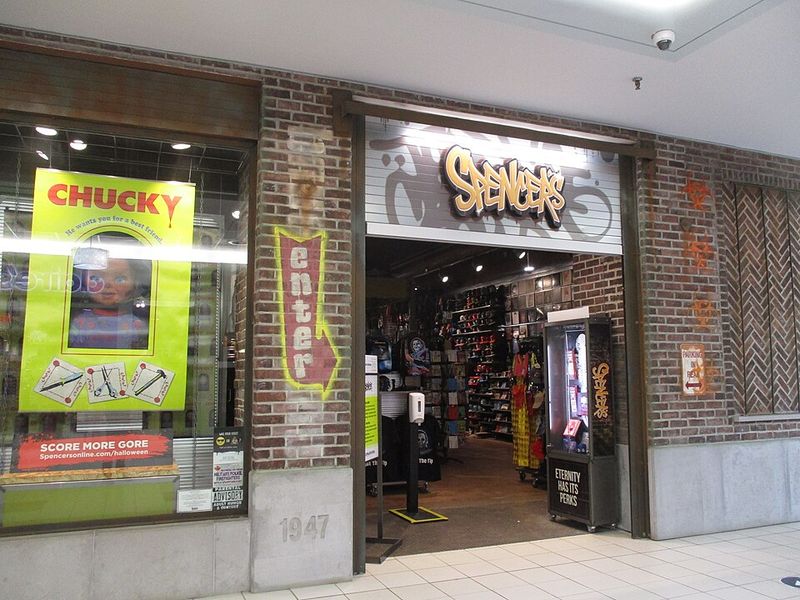
Spencer Gifts started in 1947 as a mail-order business. By the 1980s it was a mall staple known for lava lamps, gag gifts, blacklight posters, and plasma balls.
Teens loved browsing it even with empty pockets. Reading the funny items aloud counted as entertainment.
Allowance money went further on small stuff. Stickers, keychains, slap bracelets, and mood rings cost just a few dollars.
Claire’s was the go-to for jewelry and accessories. Its ear piercing service made it famous, and it pierced millions of ears over the years.
The average teen allowance in the 1980s was only a few dollars a week. That meant every purchase got careful thought.
Small finds often became trophies. A keychain might hang off a backpack for years.
Collectible stickers from shops like Hallmark or stationery stores filled scrapbooks, and trading them with friends turned shopping into a game.
12. Browsing Posters and Music Merchandise
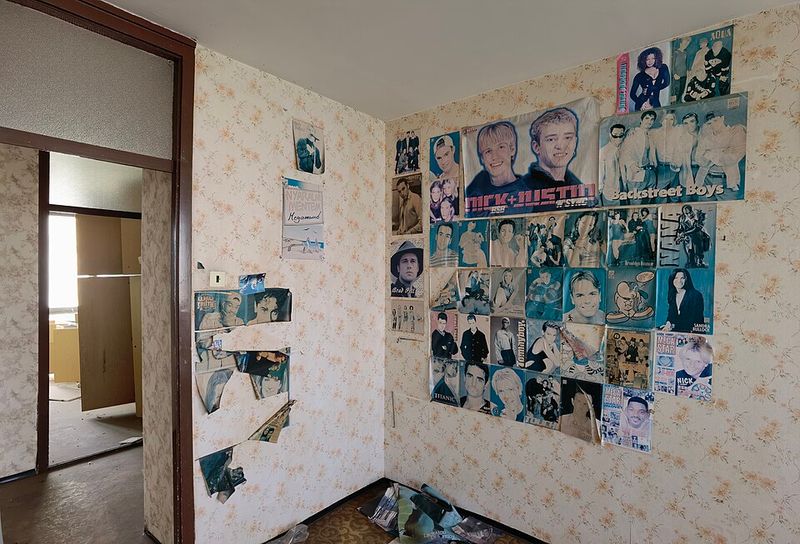
Flip, flip, flip. Poster racks in mall stores swung like giant pages, and teens could spend twenty minutes going through every one.
Choices revealed a lot. A Farrah Fawcett poster from 1976 sold millions of copies and became one of the best-selling posters ever.
Later decades brought new favorites. Michael Jordan, New Kids on the Block, Nirvana, and the Spice Girls all covered bedroom walls.
Hot Topic opened its first store in 1989 in Montclair, California. It became a key stop for band t-shirts and pins in the 1990s.
A poster was a public statement, even if only family saw it. Picking one meant declaring your favorite band or star.
Price helped too. Most posters cost under ten dollars, making them an easy buy.
Some stayed on walls long after the band split up, held by tape that would not let go.
13. Waiting for Parents Outside Department Stores
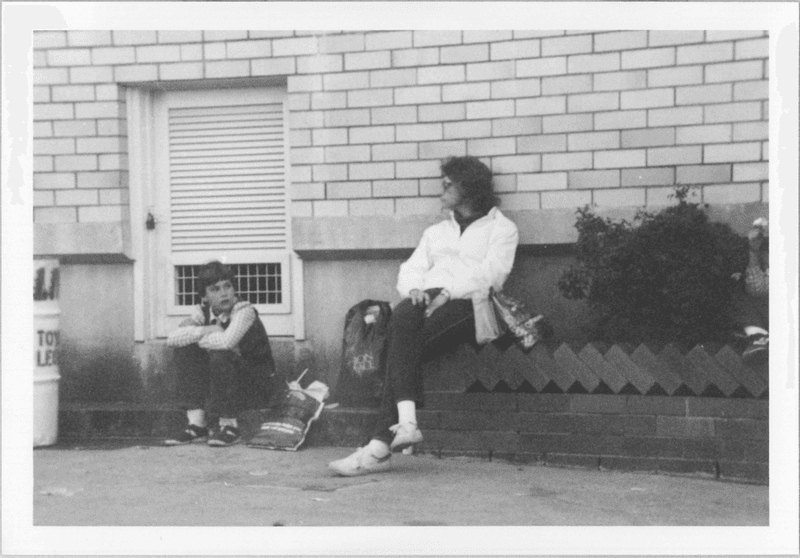
Six o’clock at the JCPenney entrance. Miss it, and the whole family would hear about it at dinner.
Department stores anchored most malls, so their entrances made perfect pickup points. Sears, Macy’s, JCPenney, and Montgomery Ward were common choices.
The drop-off usually came with rules. Stay together, do not leave the building, and be outside on time.
Losing track of time was easy. One more round of Galaga could turn a six o’clock pickup into a six-twenty problem.
Wise teens watched the clocks inside stores. Some even asked a cashier for the time.
Waiting had its own routine. Kids sat on benches, watched cars pull in, and tried to guess which headlights belonged to their parents.
The arrangement taught responsibility. Earn trust by showing up on time, and the next trip might last longer.
14. Spending an Entire Afternoon Without Buying Anything
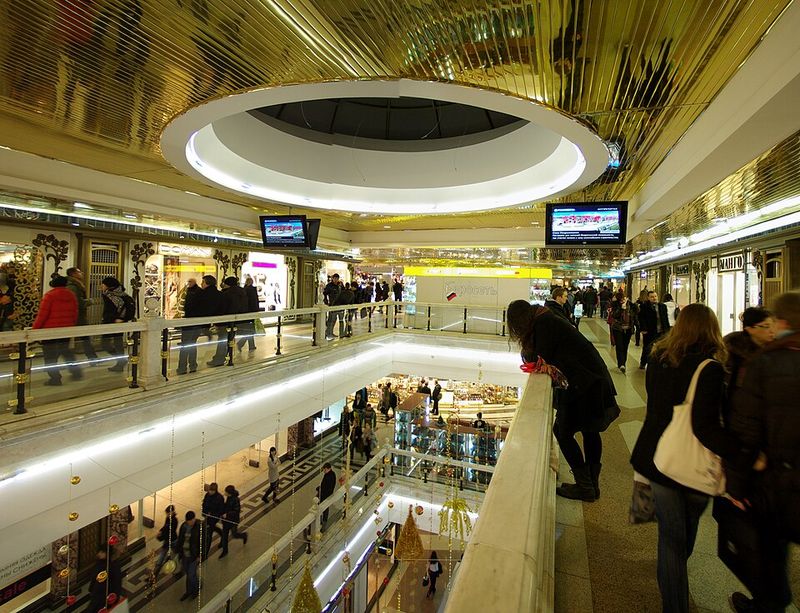
Sometimes the receipt total for a whole Saturday was zero dollars. Teens had mastered the art of being somewhere without needing a reason.
Mall owners noticed. Some, like the Mall of America after it opened in 1992, later added escort policies for unaccompanied minors on weekend evenings.
Still, for most of the 1980s and 1990s, teens could stay as long as they behaved. Benches, fountains, and atriums were free.
An afternoon might include window shopping, people watching, and long talks about school. Nobody kept score.
Researchers studying third places pointed out how rare free public gathering spots had become. The mall filled that gap for teens.
The habit faded as online shopping and smartphones grew after 2007. Many malls closed or changed.
The skill remains useful, though. Spending time with friends without spending money is a lesson worth keeping.
Share this story