The Andean condor holds the title of the largest flying bird in the world by wingspan, stretching up to 3.3 meters from tip to tip. These birds have been soaring above South American skies for thousands of years, appearing in ancient artwork, myths, and legends across multiple cultures. Spotting one in the wild is the kind of moment that stops you mid-sentence and makes you forget what you were even talking about. From Peru’s deepest canyons to Bolivia’s volcanic highlands, South America is packed with prime condor-watching territory.
This guide covers 14 of the very best locations where these birds regularly take to the sky, complete with practical tips to help you time your visit right. Whether you are a seasoned birdwatcher or just someone who appreciates a truly jaw-dropping natural spectacle, these spots are worth every kilometer of the journey.
1. Mirador Cruz del Cóndor, Cabanaconde, Arequipa, Peru
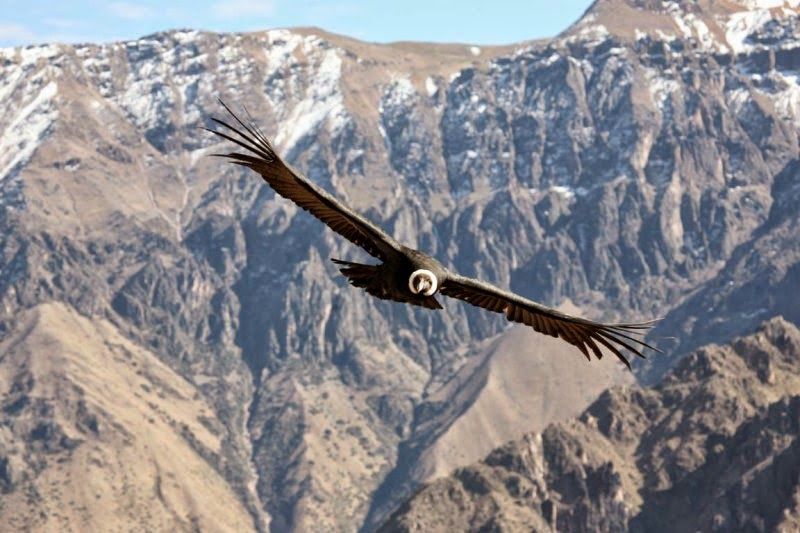
Perched at roughly 3,700 meters above sea level, this viewpoint above Colca Canyon is arguably the single best condor-watching spot on the entire continent.
The birds typically appear between 7:00 AM and 10:00 AM, riding thermal currents that rise along the canyon walls as the morning warms up.
Two observation platforms give visitors different angles as the condors circle, glide, and occasionally pass at direct eye level, which is genuinely startling the first time it happens.
Colca Canyon drops to depths exceeding 4,000 meters in places, giving these massive birds enormous vertical space to work with.
The dry season from May to November offers the clearest skies and the most reliable sightings, but condors are present throughout the year. Arriving before the tour buses from Chivay is strongly recommended for a calmer, more personal experience.
2. Mirador Natural De Cóndores De Chonta, Limatambo, Cusco, Peru
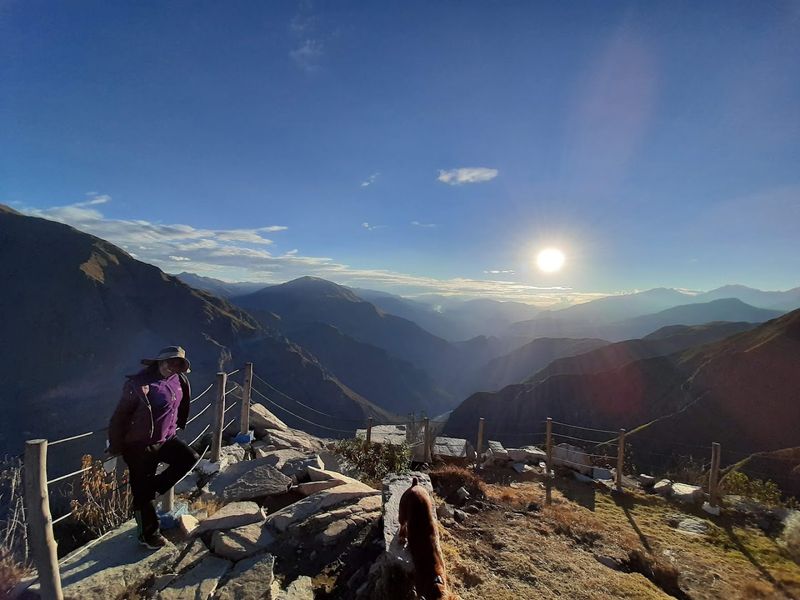
Travelers who find Colca Canyon too far from Cusco have a genuinely excellent alternative closer to home, and it comes with far fewer crowds.
The Chonta condor viewpoint requires a rewarding hike that takes most visitors between one and two hours depending on their pace and fitness level.
Once at the top, the payoff is sweeping views over the Apurímac Canyon, where condors are most active during the afternoon hours, particularly between noon and 3:00 PM.
The viewpoint sits at high altitude, so bringing warm layers and plenty of water is practical advice rather than optional suggestion.
Because this spot has not yet been swamped by mass tourism, the atmosphere feels quieter and more genuine than some of the more famous viewing platforms. It is a solid choice for anyone based in or around Cusco.
3. Apurímac Canyon, Limatambo, Cusco, Peru
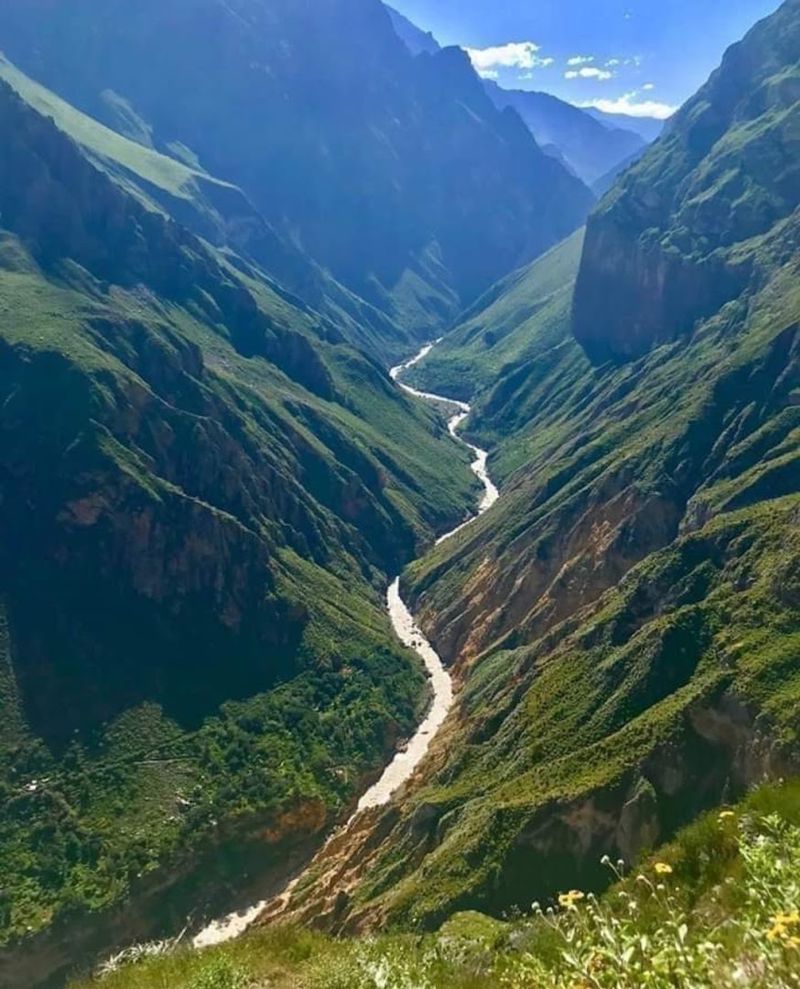
The Apurímac Canyon is one of Peru’s deepest and least visited major canyons, which is exactly what makes it so appealing for wildlife watching.
The canyon’s towering walls and powerful thermal updrafts create near-perfect flying conditions for Andean condors, which can regularly be spotted drifting overhead in slow, wide circles.
Because this area attracts fewer visitors than Colca, birdwatchers often report more relaxed, unrushed sightings without the background noise of large tour groups.
The canyon is also part of the broader Apurímac River drainage, a system that carved through ancient rock over millions of years to create the dramatic vertical terrain condors depend on.
Photographers especially appreciate the clean sightlines and natural framing the canyon provides. Getting here requires some planning, but that extra effort is consistently rewarded with memorable wildlife encounters.
4. Pampa Galeras Bárbara D’Achille National Reserve, Lucanas, Ayacucho, Peru
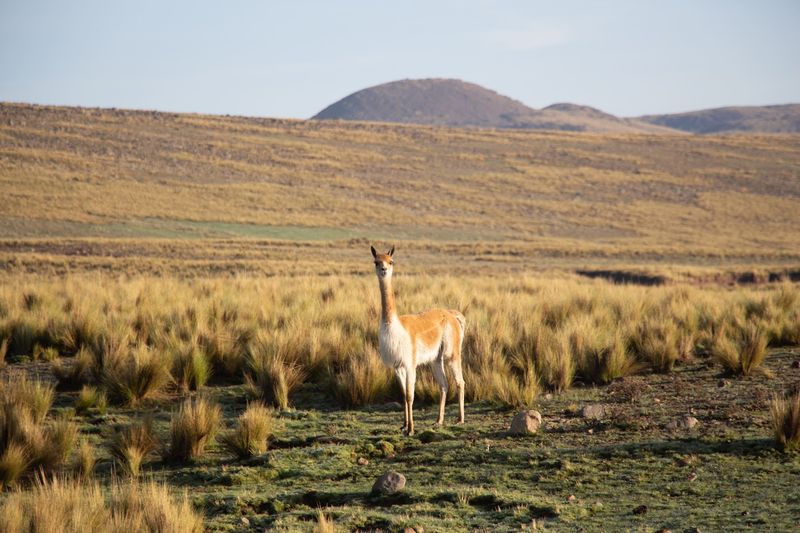
Most people know Pampa Galeras as the best place in Peru to see wild vicuñas, but the reserve quietly doubles as a reliable spot to watch Andean condors as well.
The open puna grasslands sit at elevations between 4,000 and 4,800 meters, and the rocky escarpments scattered across the landscape provide perfect launch points for these massive soaring birds.
The reserve was named in honor of Barbara D’Achille, a pioneering environmental journalist who dedicated her career to protecting Andean wildlife and ecosystems.
On a single morning visit, it is entirely realistic to see vicuñas, condors, and several other high-altitude Andean species without covering much ground at all.
The reserve is located in the Ayacucho region and is best visited during the dry season. Access requires a drive on unpaved roads, so a vehicle with decent clearance is a practical necessity.
5. Paracas National Reserve, Paracas, Ica, Peru
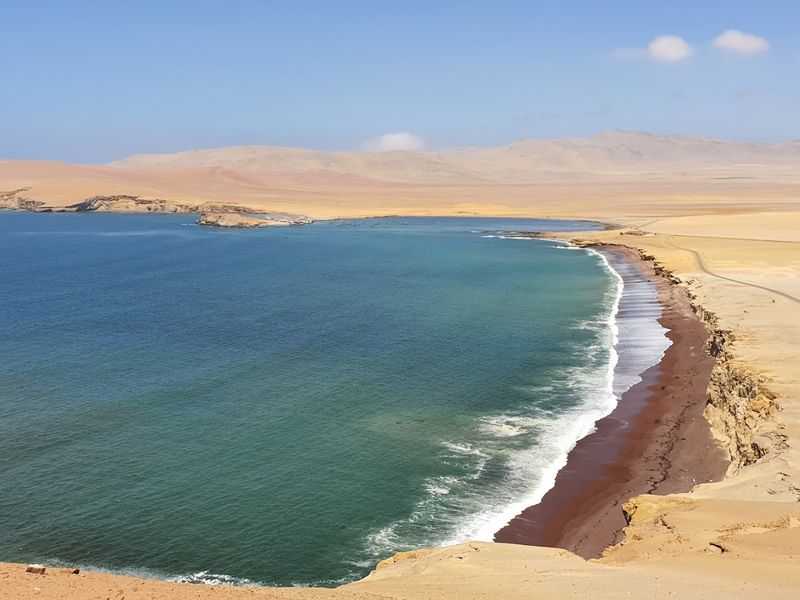
Paracas National Reserve breaks every expectation about where condors are supposed to live, placing these mountain giants above coastal desert cliffs overlooking the Pacific Ocean.
Watching a bird with a nearly 11-foot wingspan glide above crashing ocean waves is a genuinely unusual sight, and Paracas is one of the very few places on Earth where it happens regularly.
The reserve protects a striking stretch of desert coastline in the Ica region, and its dramatic rocky headlands create the updrafts that condors use to stay airborne without expending much energy.
Beyond condor sightings, Paracas also delivers sea lions, Humboldt penguins, flamingos, and some of the most visually striking desert-meets-ocean scenery in South America.
The Paracas Peninsula itself is accessible by road from the town of Paracas, making this one of the more logistically straightforward condor-watching destinations on the list.
6. Colca Canyon, Chivay, Arequipa, Peru
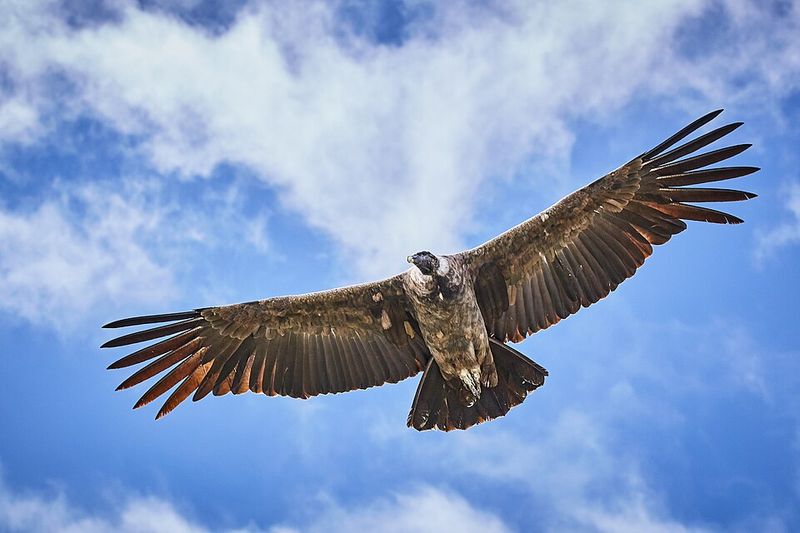
Colca Canyon is not just a pretty backdrop. It is one of the world’s deepest canyons and one of the most reliable habitats for Andean condors anywhere in South America.
The canyon stretches for about 100 kilometers and features ancient terracing built by the Collagua and Cabana cultures long before the Incas arrived on the scene.
Visitors typically base themselves in the town of Chivay, which sits at around 3,600 meters and serves as a comfortable gateway to multiple condor viewpoints along the canyon rim.
Beyond condor watching, the canyon offers hot springs, traditional village visits, and hiking trails that range from easy walks to multi-day treks.
The combination of cultural history, dramatic geography, and dependable wildlife sightings makes Colca Canyon one of Peru’s most well-rounded natural destinations, not just a one-trick canyon.
7. Antisana Ecological Reserve, Pintag, Pichincha, Ecuador
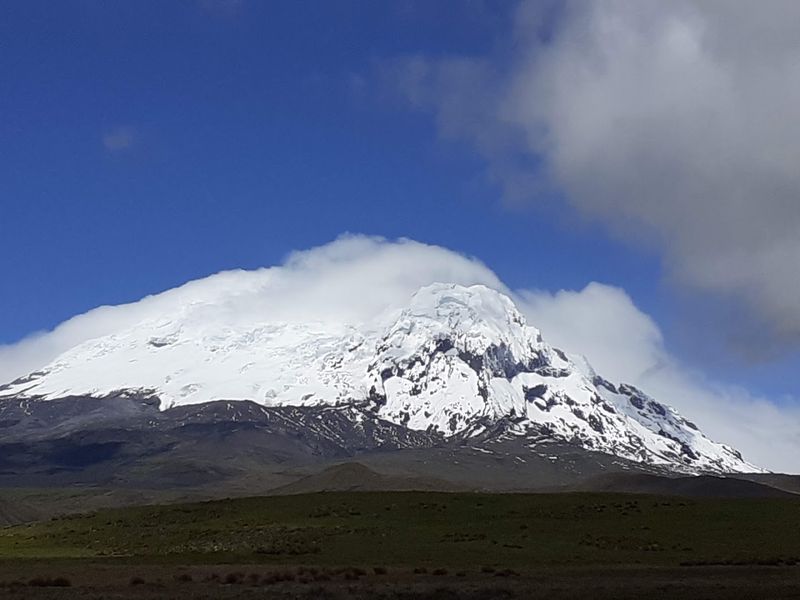
Ecuador’s Antisana Ecological Reserve is one of the most productive places in the country to see wild Andean condors, and the scenery surrounding every sighting is absolutely first-rate.
The reserve protects the slopes of the Antisana volcano, which reaches 5,753 meters, and its surrounding páramo grasslands provide critical foraging and nesting habitat for condors.
Sightings tend to be most reliable in the morning hours when birds take advantage of early thermals rising off the volcanic terrain.
Beyond condors, the reserve shelters wild Andean horses, carunculated caracaras, and multiple hummingbird species that share the high-altitude ecosystem.
Access to the reserve is controlled and requires a permit, which helps keep visitor numbers manageable and protects the wildlife from disturbance. Guided tours from Quito are widely available and typically include transport, entry fees, and a knowledgeable local naturalist.
8. Cotopaxi National Park, Latacunga, Cotopaxi, Ecuador
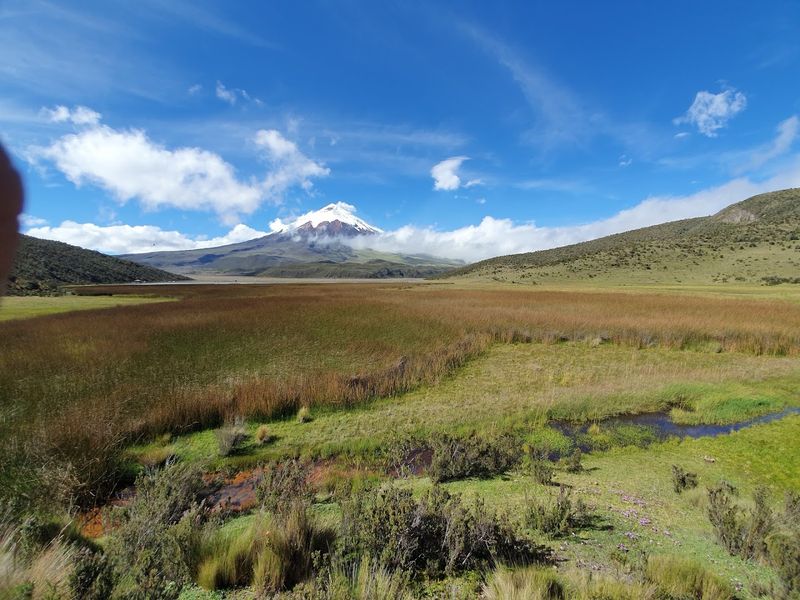
Cotopaxi is one of the world’s highest active volcanoes, and its national park doubles as an important refuge for Andean condors in central Ecuador.
The birds are not guaranteed on every visit, but patient observers who scan the sky above the volcanic slopes are regularly rewarded, especially during morning hours when thermals begin building along the crater rim.
The park sits at around 3,400 meters at its entrance and climbs well above 5,000 meters near the summit, giving condors enormous altitude variation to work with.
Hiking, mountain biking, and wildlife photography are all popular activities here, and many visitors end up spotting condors while doing something else entirely, which makes the sighting feel even more like a gift.
The park is about 50 kilometers south of Quito, making it a very practical day trip or overnight destination for travelers based in Ecuador’s capital.
9. Chimborazo Wildlife Reserve, Guaranda, Bolívar, Ecuador
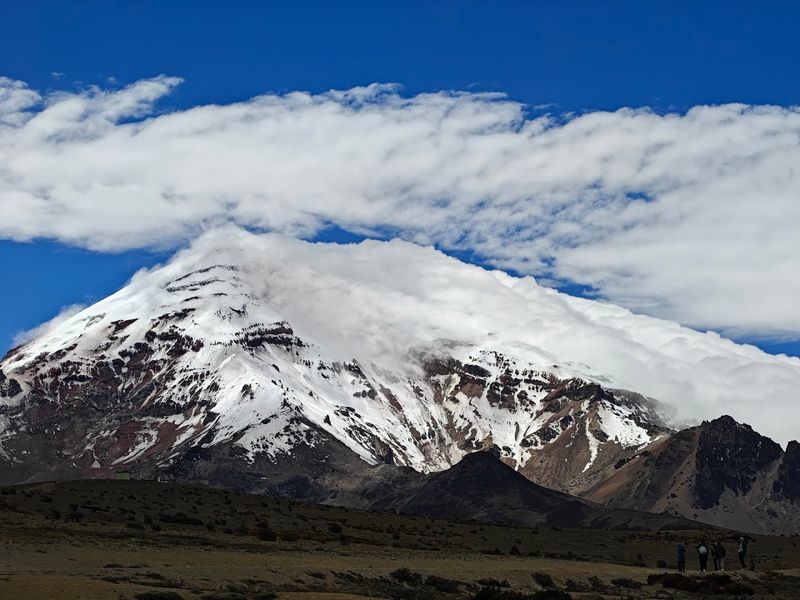
Chimborazo is the highest mountain in Ecuador and, measured from Earth’s center, the farthest point from the planet’s core on the entire surface. That is a fun fact worth mentioning to whoever you are traveling with.
The wildlife reserve surrounding it protects expansive high Andean grasslands where condors still maintain a steady presence despite historical population declines across the Andes.
A condor reintroduction program has been active in this region, and the birds that now soar above Chimborazo include individuals raised in captivity and successfully returned to the wild.
Visitors exploring the reserve’s scenic roads and hiking trails often spot condors circling above the rocky upper slopes, particularly in the mid-morning hours.
The dramatic backdrop of Ecuador’s highest peak behind every sighting adds a visual weight to the experience that is hard to replicate at flatter, less striking locations.
10. Torres del Paine National Park, Torres del Paine, Magallanes, Chile
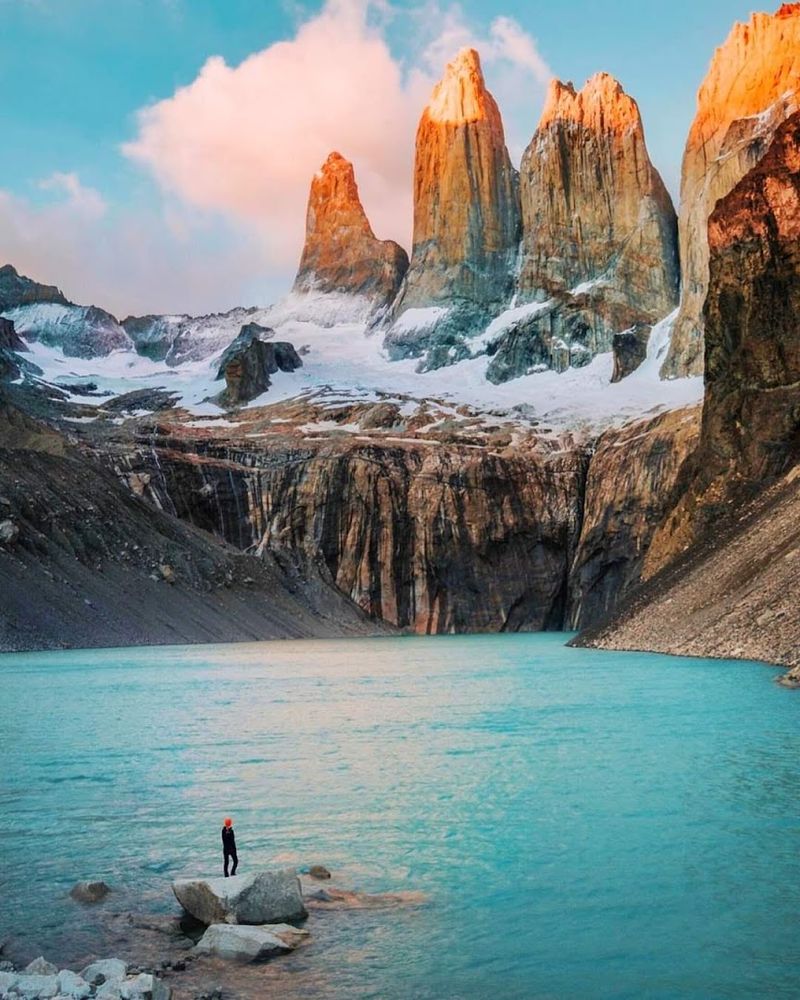
Beyond its magazine-cover landscapes of granite spires and electric-blue lakes, Torres del Paine National Park holds one of Patagonia’s most consistent condor populations.
The park’s mix of open steppe, rugged peaks, and steady winds creates flying conditions that condors exploit with impressive efficiency, often covering enormous distances with minimal wing movement.
Condor sightings can happen almost anywhere inside the park, but areas around the Lago Grey glacier, the Mirador Condor trail, and the open valley sections of the W Trek are particularly productive.
First-time visitors often report that their condor sighting ranks as one of their top three memories from the entire park, alongside the towers themselves and the dramatic weather shifts Patagonia is known for.
The park is open year-round, but the main trekking season runs from October through April, when daylight hours are long and trail conditions are most reliable.
11. Lauca National Park, Putre, Arica y Parinacota, Chile
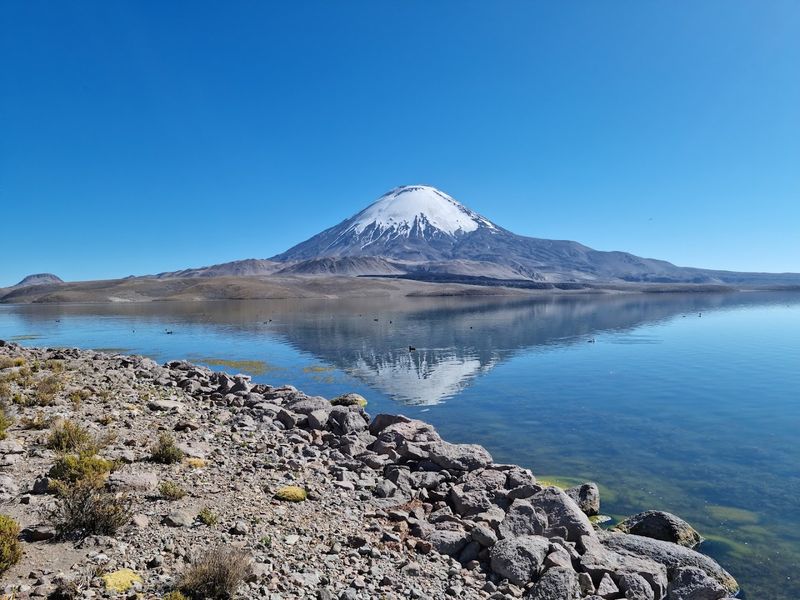
Lauca National Park sits in the far north of Chile at altitudes mostly above 4,000 meters, making it one of the highest protected areas in the country and one of the most scenically bizarre places you can visit.
Volcanic cones, high-altitude lakes, wetlands full of flamingos, and open altiplano grasslands all share the same landscape, and Andean condors move through all of it.
The park protects the Chungará Lake, one of the highest lakes in the world, and condors are frequently spotted soaring above its reflective surface with the Parinacota volcano as a backdrop.
Wildlife density here is genuinely impressive. Vicuñas, vizcachas, Andean geese, and multiple flamingo species are all commonly seen within a short drive of the park entrance.
The nearby town of Putre serves as the main base for visitors and sits at a slightly lower elevation, which helps with acclimatization before heading deeper into the park.
12. Quebrada Del Condorito National Park, Villa Carlos Paz, Córdoba, Argentina
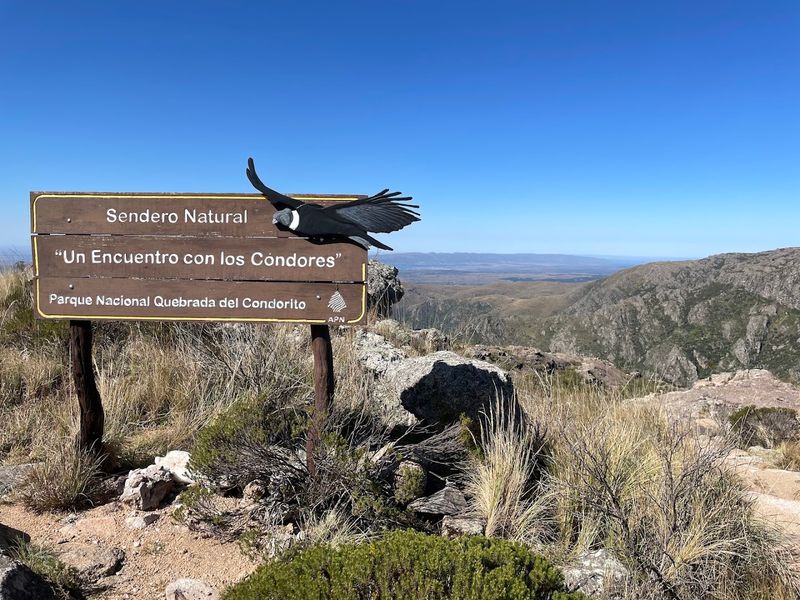
A park named after the condor is basically making a promise, and Quebrada del Condorito delivers on it consistently.
Located in the Córdoba mountain range of central Argentina, this national park protects one of the most accessible condor nesting sites in the entire country, which is a significant distinction.
The main trail to the canyon rim viewpoint takes around two hours each way and passes through open mountain grasslands before reaching the dramatic edge where birds are regularly seen riding updrafts below.
The canyon itself drops about 800 meters and provides nesting ledges that condor pairs return to each season, making this a site of genuine conservation importance.
Visitor numbers are manageable compared to more famous Argentine parks, and the trail is well-marked and suitable for reasonably fit hikers. Early morning starts improve your chances of catching the birds in active flight before midday thermals peak.
13. Los Cardones National Park, Payogasta, Salta, Argentina
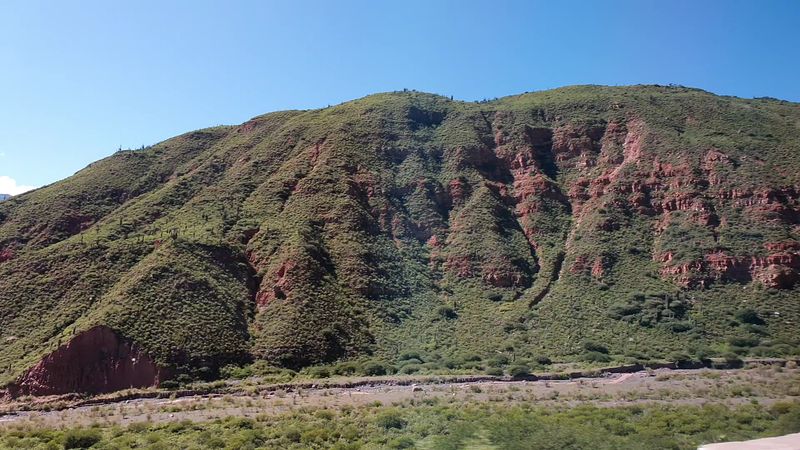
The cardón cactus forests of this Salta province park look like something from a surrealist painting, with columns reaching up to seven meters tall scattered across multicolored mountain terrain.
Andean condors are not the park’s main attraction on paper, but they are a genuine bonus for visitors who scan the rocky ridgelines and upper slopes during their visit.
The park sits along the famous Route 33 connecting Salta to Cachi, one of Argentina’s most scenic mountain drives, which means condor watching here fits naturally into a broader regional road trip.
Sightings tend to be opportunistic rather than guaranteed, so combining a visit here with other condor-focused destinations in the region makes practical sense.
The park’s altitude ranges from roughly 2,700 to 5,000 meters, and the dramatic color shifts of the Calchaquí Valley mountains provide a visual backdrop that makes even a brief condor sighting feel cinematic.
14. Sajama National Park, Sajama, Oruro, Bolivia
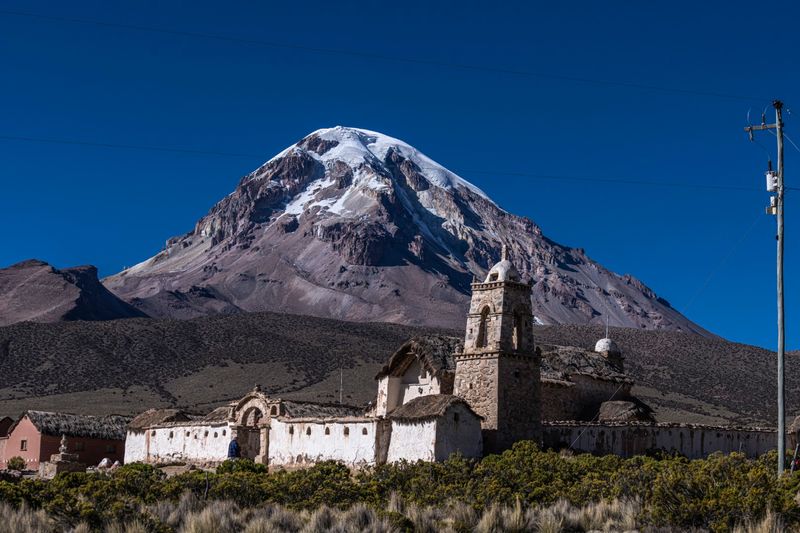
Bolivia’s oldest national park wraps around the base of Sajama volcano, the country’s highest peak at 6,542 meters, and protects a stretch of high Andean wilderness that most international tourists have not yet discovered.
Andean condors circle above the volcanic slopes and deep valleys here with a frequency that rewards patient observers, particularly in the morning hours before wind patterns shift.
The park also contains ancient queñua forests, the highest tree forests in the world, along with geothermal hot springs and traditional Aymara villages that have existed in this landscape for centuries.
Because Sajama sits well off the main Bolivia tourist trail, the experience feels genuinely remote and unhurried compared to busier condor-watching destinations elsewhere in South America.
The nearest town is Sajama village, which offers basic accommodation and local guides who know exactly where the birds tend to appear on any given morning.
Share this story